


Neuroscience
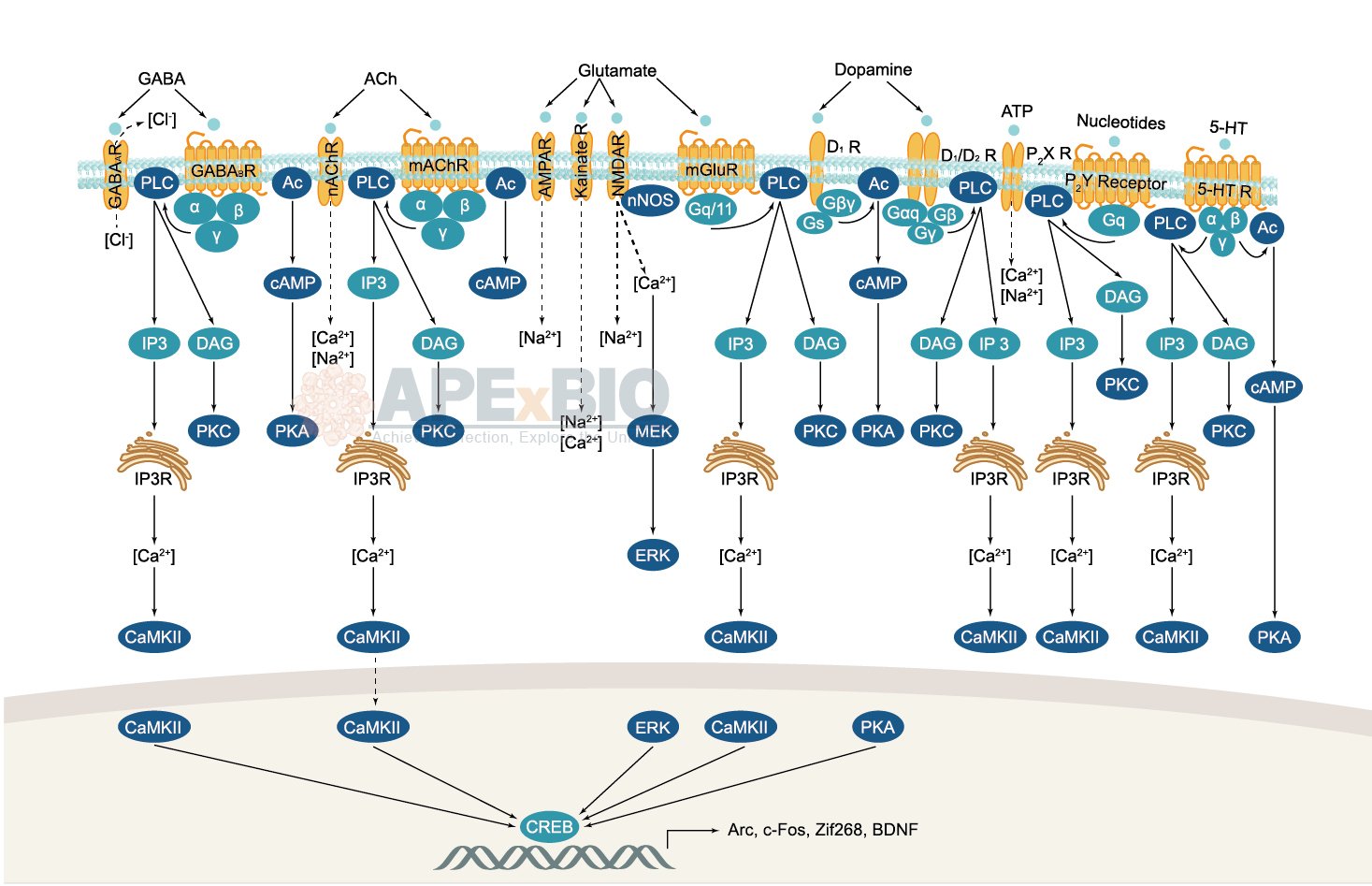
Neurons are the foundations of the sophisticated neural networks. Neurotransmitters such as dopamine, glutamate, and GABA, are crucial signaling molecules for the delivery of neuronal signals. Neurons synthesize/import neurotransmitters, and store them in presynaptic vesicles. A neuronal impulse is propagated by the vesicles released from presynaptic neurons.
Neurotransmitter receptors function via various G-protein coupled and G-protein independent mechanisms that activate downstream intracellular signaling pathways such as cAMP/PKA, PI3K/AKT, phospholipase A2, and phospholipase C pathways. For instance, dopamine receptors act through adenylate cyclase to activate PKA and other signaling molecules, thereby mediate gene expression through the actions of CREB and other transcription factors. Other neurotransmitters such as NMDAR or AMPAR are associated with ion channels that control flux of Ca2+ and Na+, thus propagating the action potential across the post-synaptic neuron.
Dysfunctions in GABAergic/glutamatergic/serotonergic/dopaminergic pathways result in a broad range of neurological disorders such as chronic pain, neurodegenerative diseases, and insomnia, as well as mental disorders including schizophrenia, bipolar disorder, depression, and addiction.
-
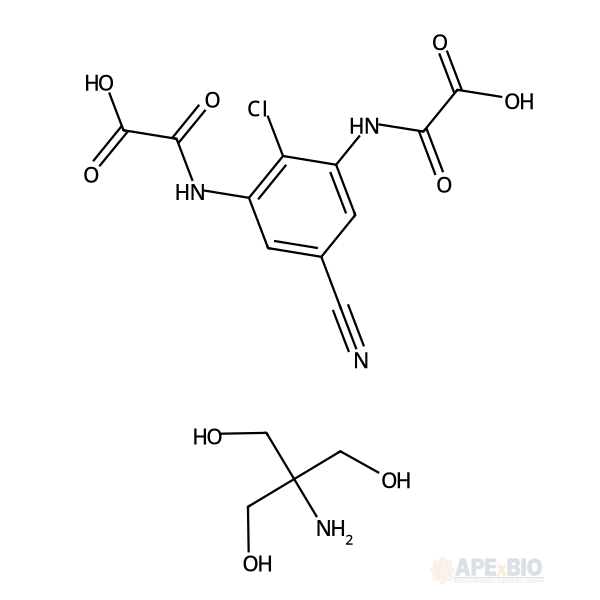 C8787 Lodoxamide TromethamineSummary: Lodoxamide Tromethamine is a small-molecule mast cell stabilizer and mediator-release inhibitor used to study IgE-associated calcium-dependent allergic inflammation and immunological responses.
 -
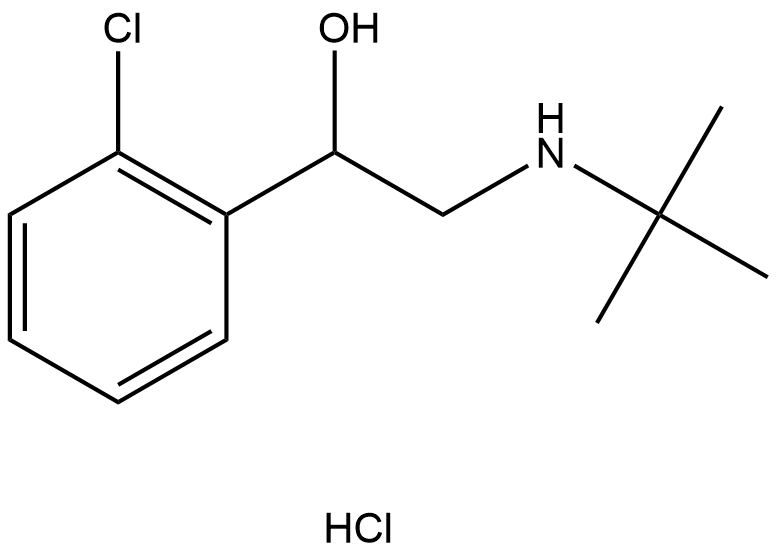 C8785 Tulobuterol hydrochlorideSummary: Tulobuterol hydrochloride is a synthetic long-acting β2-adrenergic receptor agonist used in respiratory pharmacology, cAMP signaling, and airway inflammation research.
 -
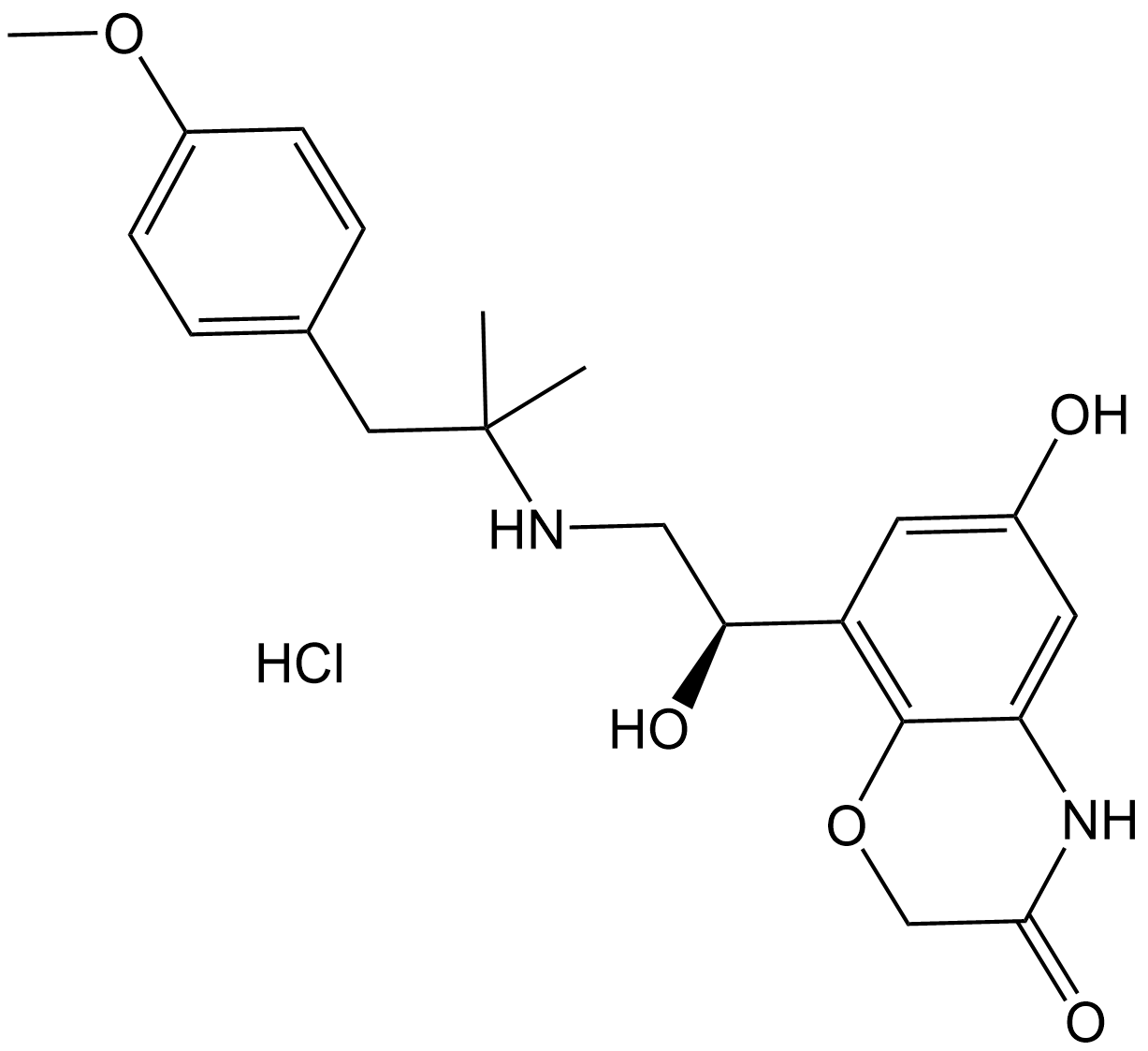 C8784 Olodaterol hydrochlorideSummary: Olodaterol hydrochloride is a potent synthetic β2-adrenergic receptor agonist used to investigate adrenergic signaling, cAMP-dependent pathways, and respiratory pharmacology in biomedical research.
 -
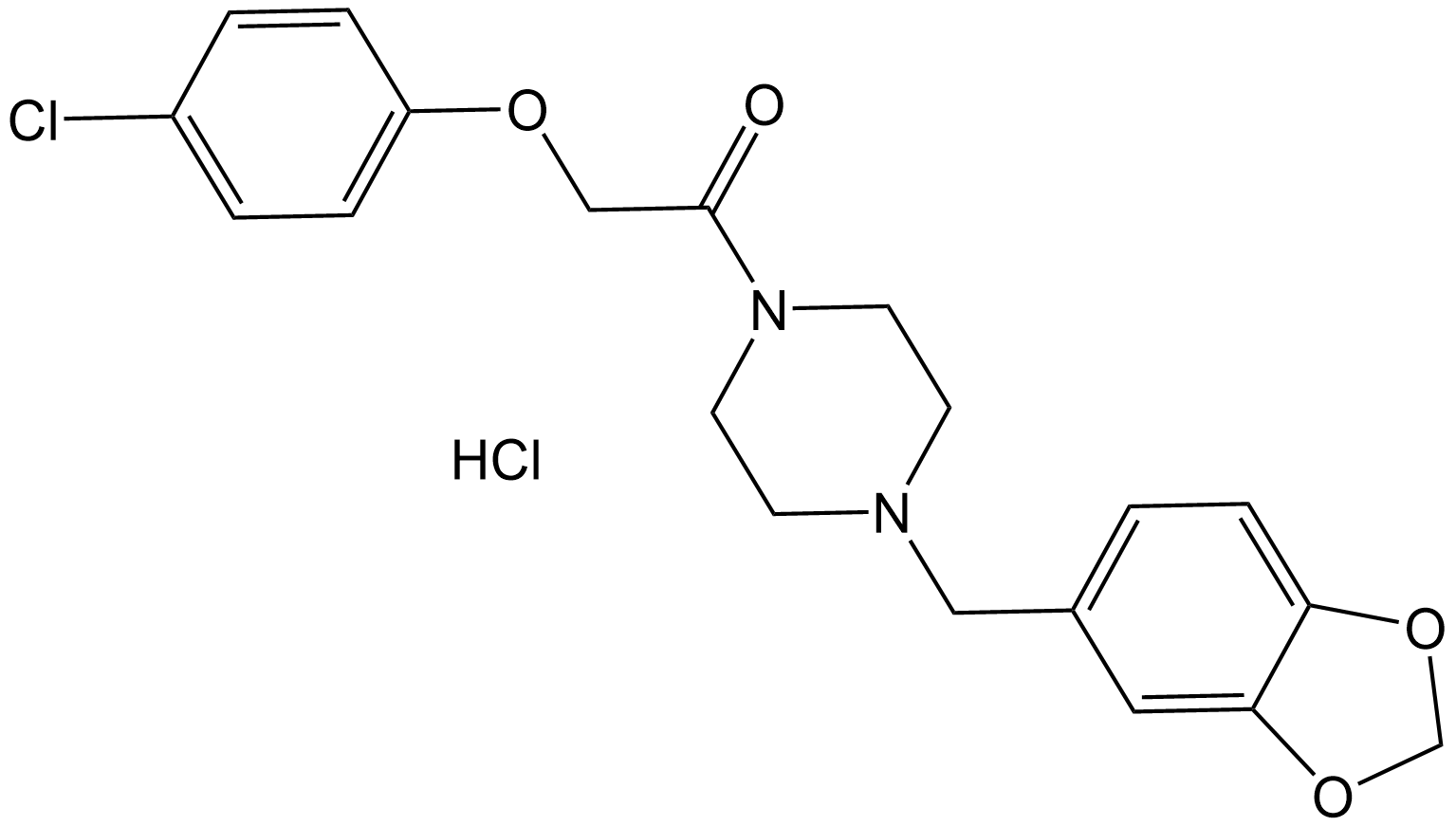 C8783 Fipexide hydrochlorideSummary: Fipexide hydrochloride is a piperazine-derived CNS-active signaling modulator used to investigate dopaminergic neurotransmission and cAMP-associated pathways in neuropharmacology and mechanistic neuroscience research.
 -
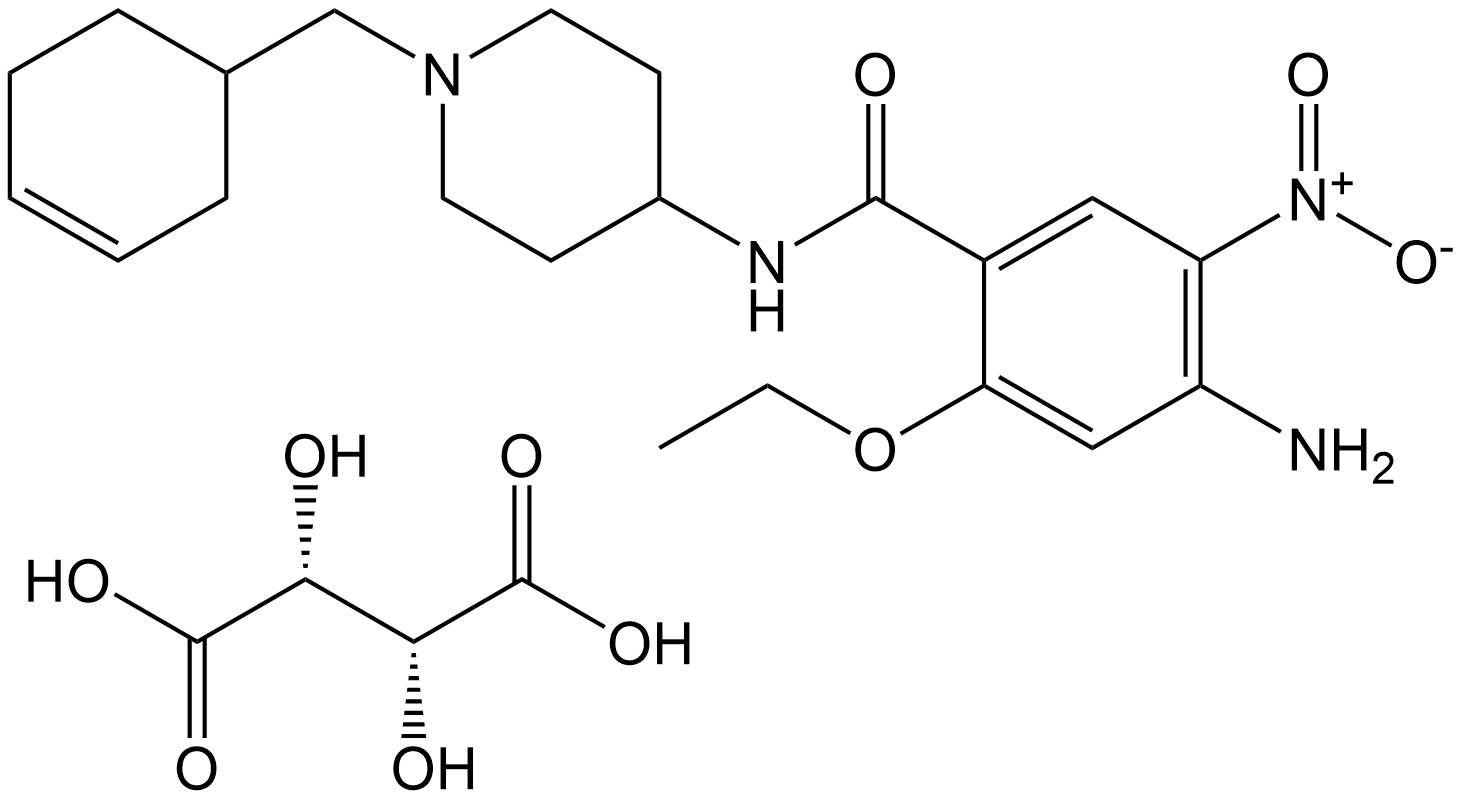 C8782 Cinitapride Hydrogen TartrateSummary: Cinitapride Hydrogen Tartrate is a serotonergic and dopaminergic receptor modulator targeting 5-HT and D2 signaling, used in gastrointestinal motility and enteric neuropharmacology research.
 -
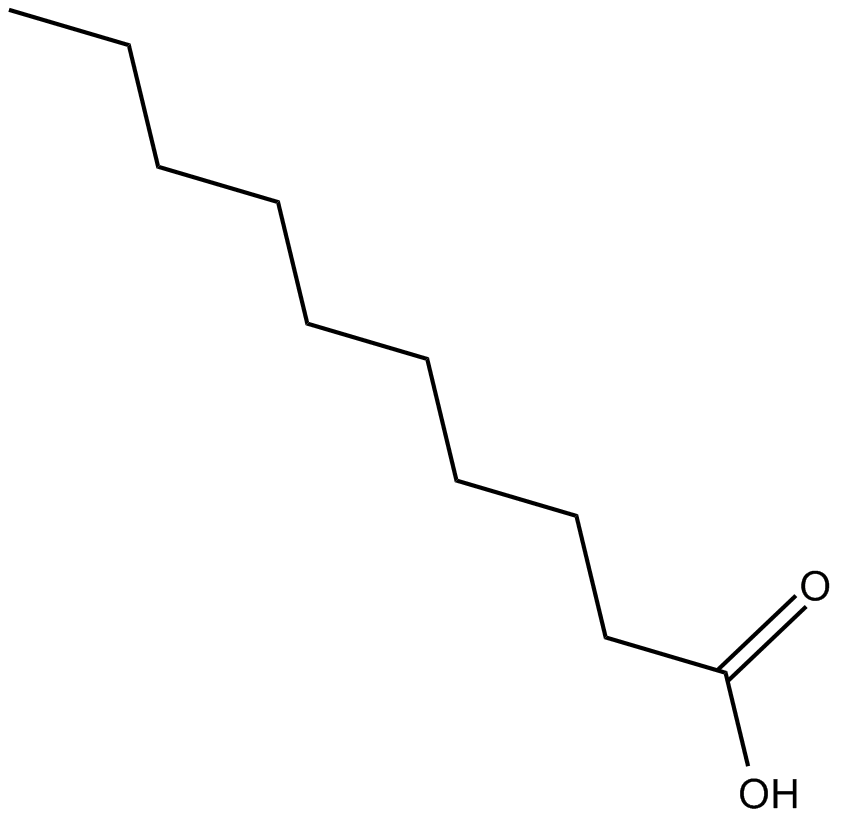 M1303 caprate (10:0)Summary: A fatty acid with anti-epileptic activity and the ability to inhibit liver cancer cells.
 -
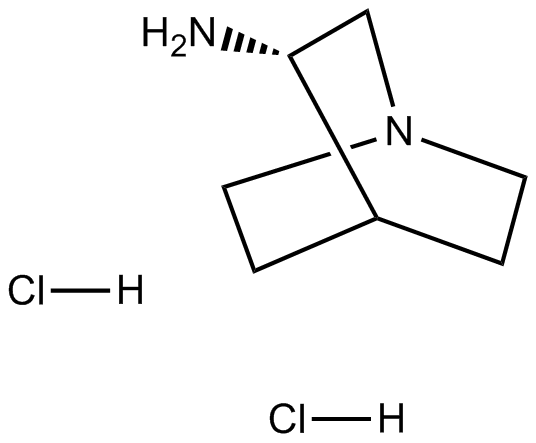 C6188 (S)-3-Aminoquinuclidine dihydrochlorideSummary: A chiral quaternary cyclic amine compound, an intermediate, used for neuroscience and receptor research.
 -
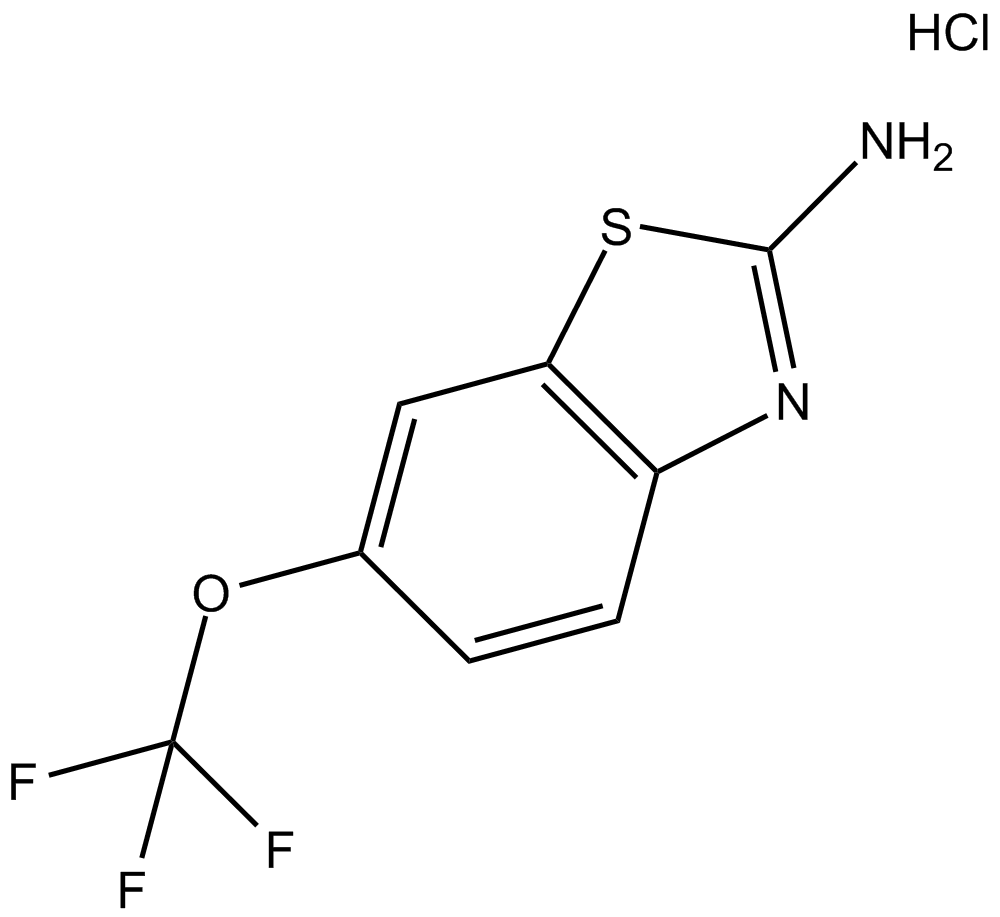 C5521 Riluzole (hydrochloride)Summary: A sodium channel-blocking neuroprotective agent
 -
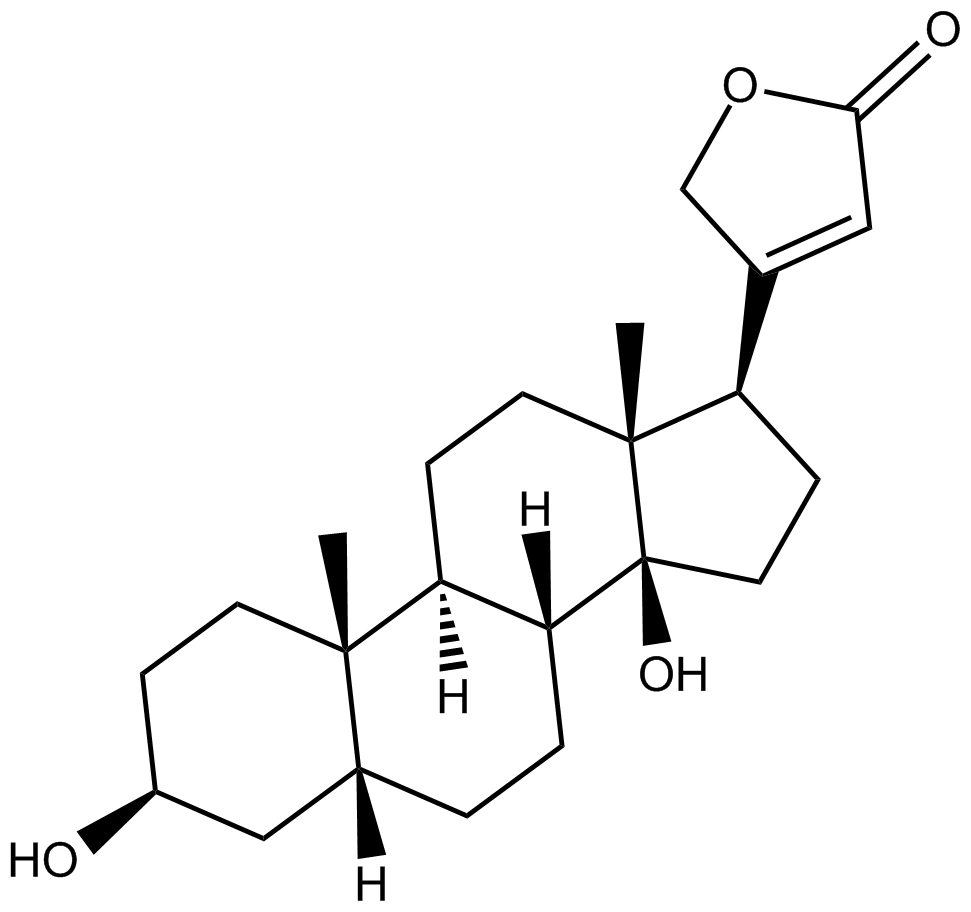 C5163 DigitoxigeninSummary: A Na+/K+ ATPase inhibitor
 -
 C6307 CopperSummary: A trace element involved in enzymatic reactions, redox processes, and the regulation of cellular functions.