


Immunology/Inflammation
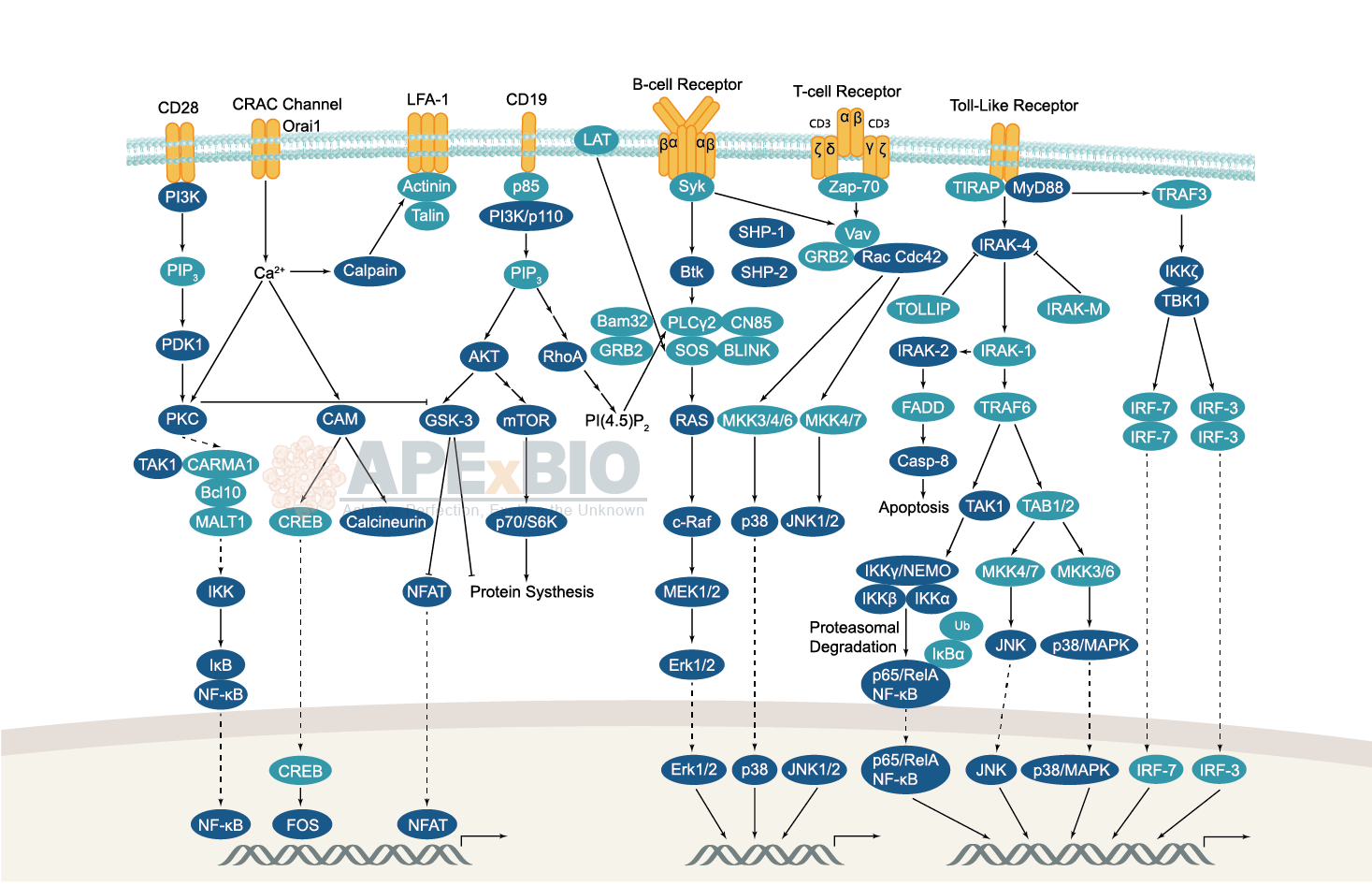
The adaptive immune system consists of B and T lymphocytes which mediate humoral immunity (e.g. antibody response) and cell-mediated immunity, respectively. B cell receptor and T cell receptor signaling is responsible for activation of Src family tyrosine kinases, such as Blk, Fyn, and Lyn in B cells and Fyn and Lck in T cells, resulting phosphorylation of the receptor-associated ITAM motifs. Phosphorylated ITAMs serve as the docking sites for Syk family tyrosine kinases, e.g. Syk in B cells and Zap-70 in T cells. Activated Syk kinases then propagate the signals via phosphorylation of downstream proteins. Furthermore, lymphocyte receptor signaling facilitates B and T cell development, differentiation, proliferation and survival.
-
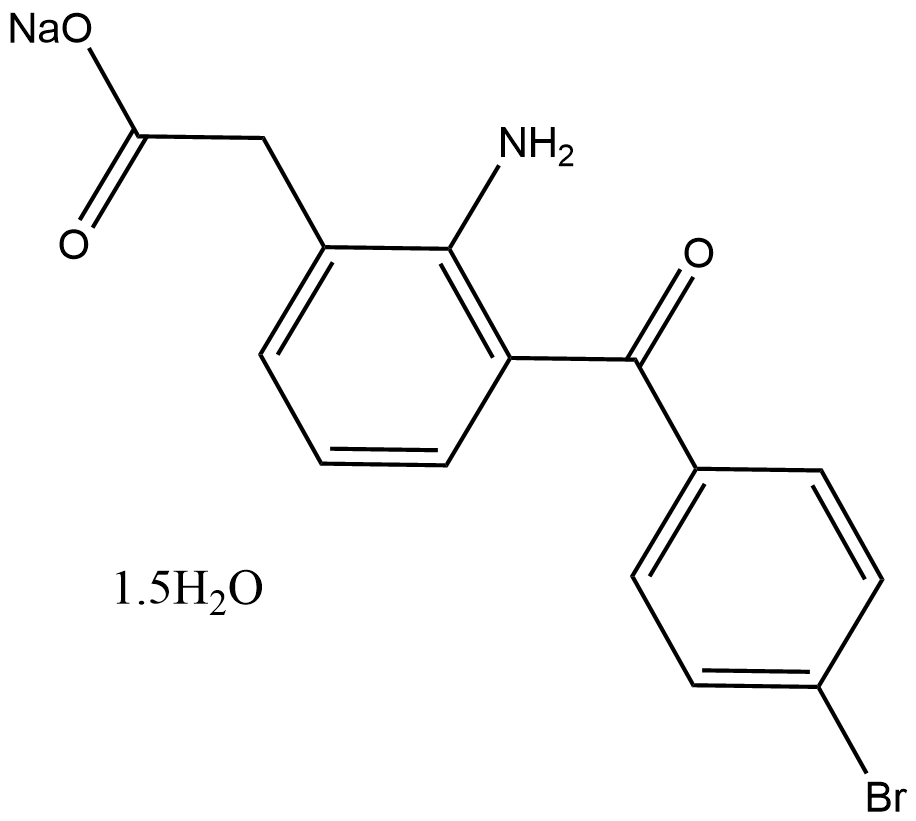 B8786 Bromfenac sodium hydrate
 -
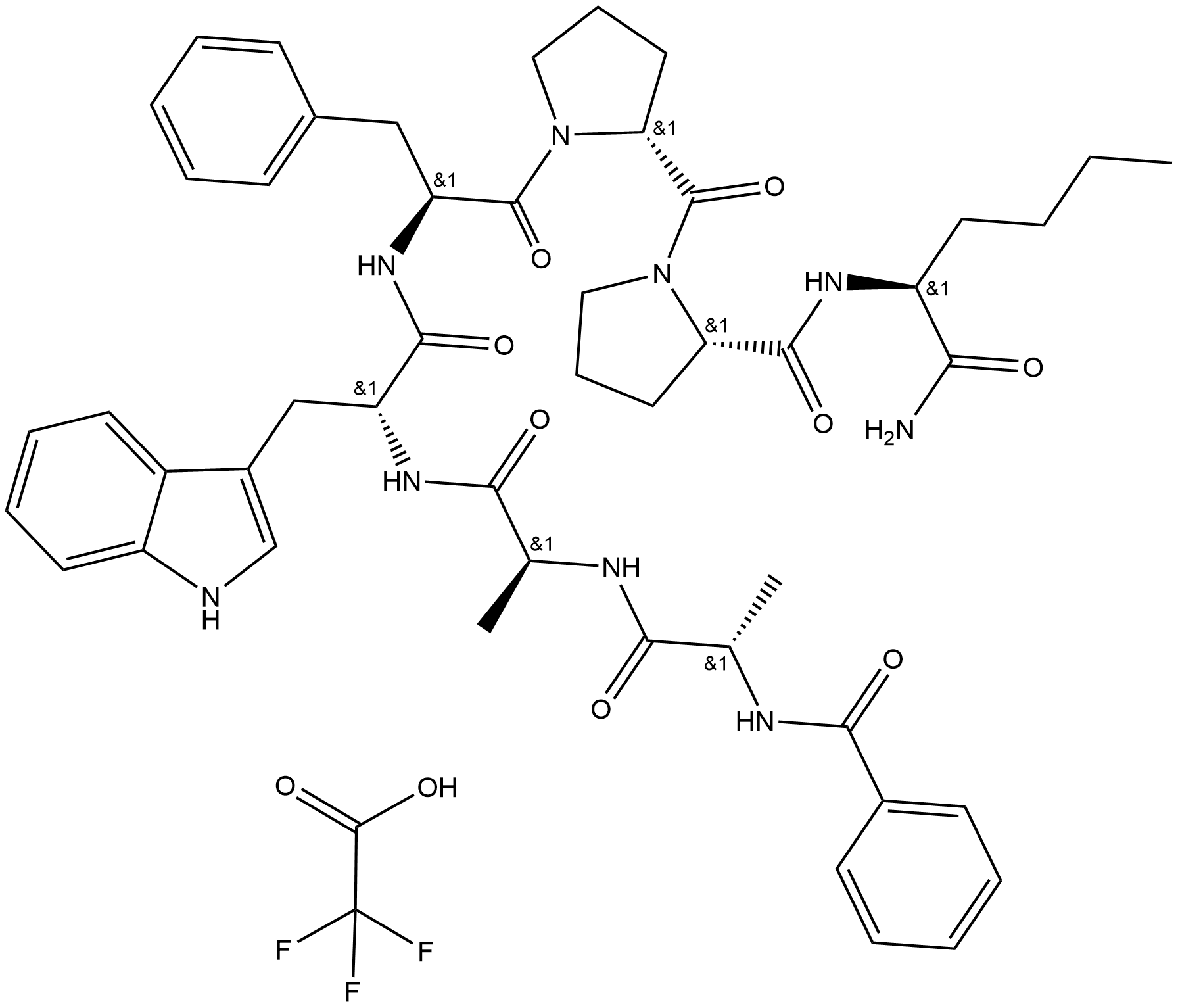 B8787 GR 94800 TFA
 -
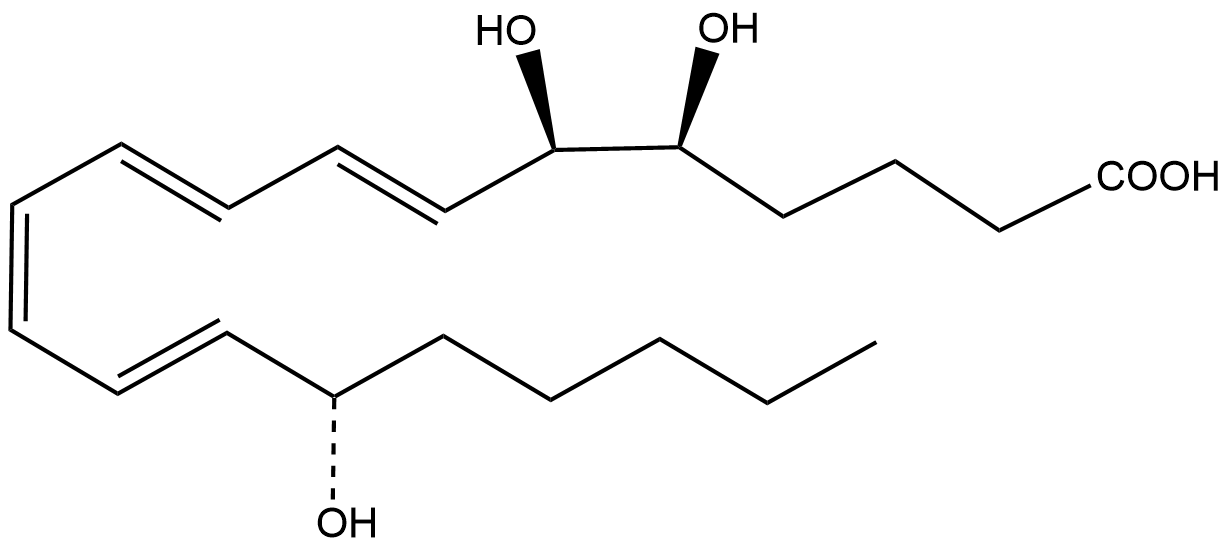 B8788 Lipoxin A4
 -
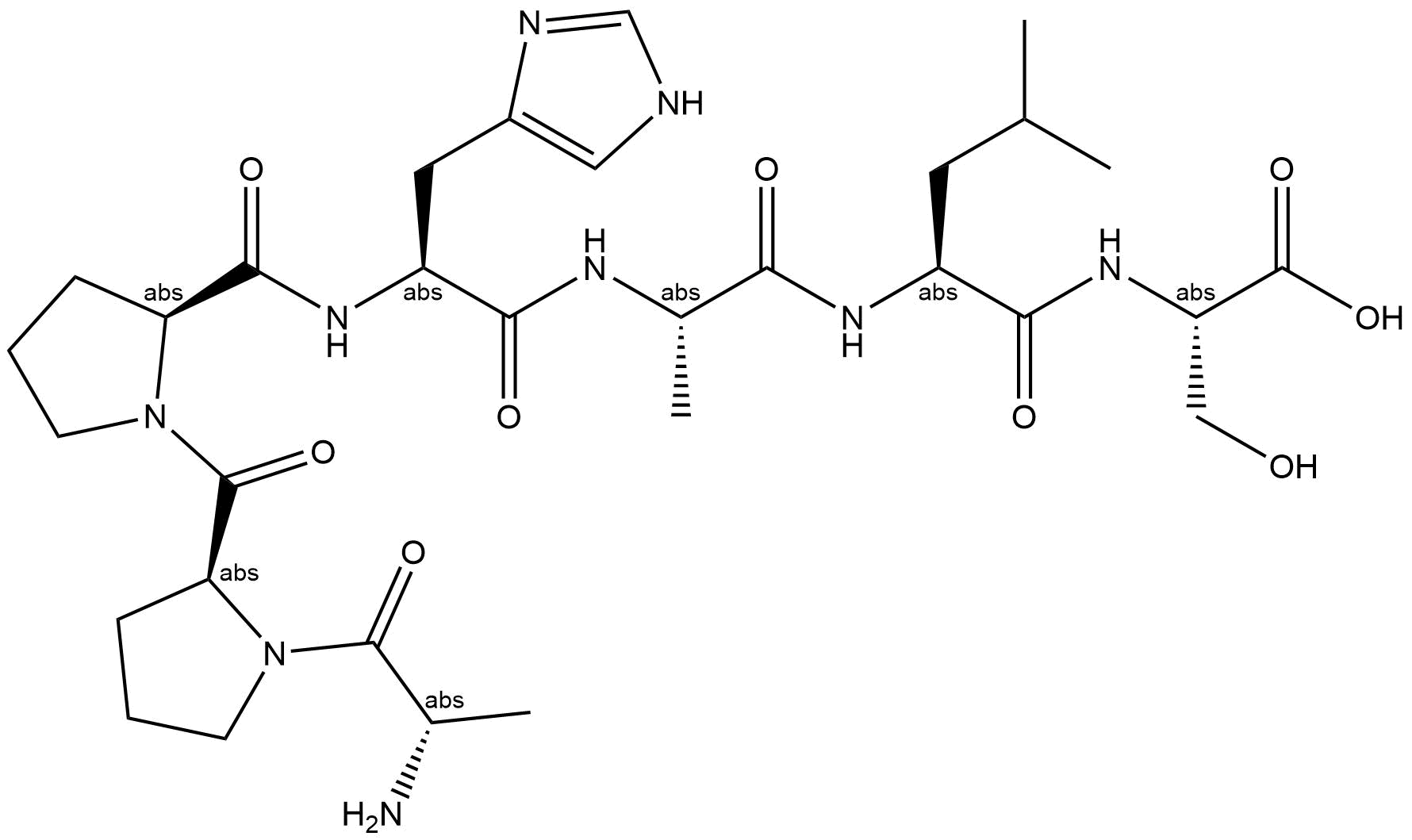 B8797 RS 09
 -
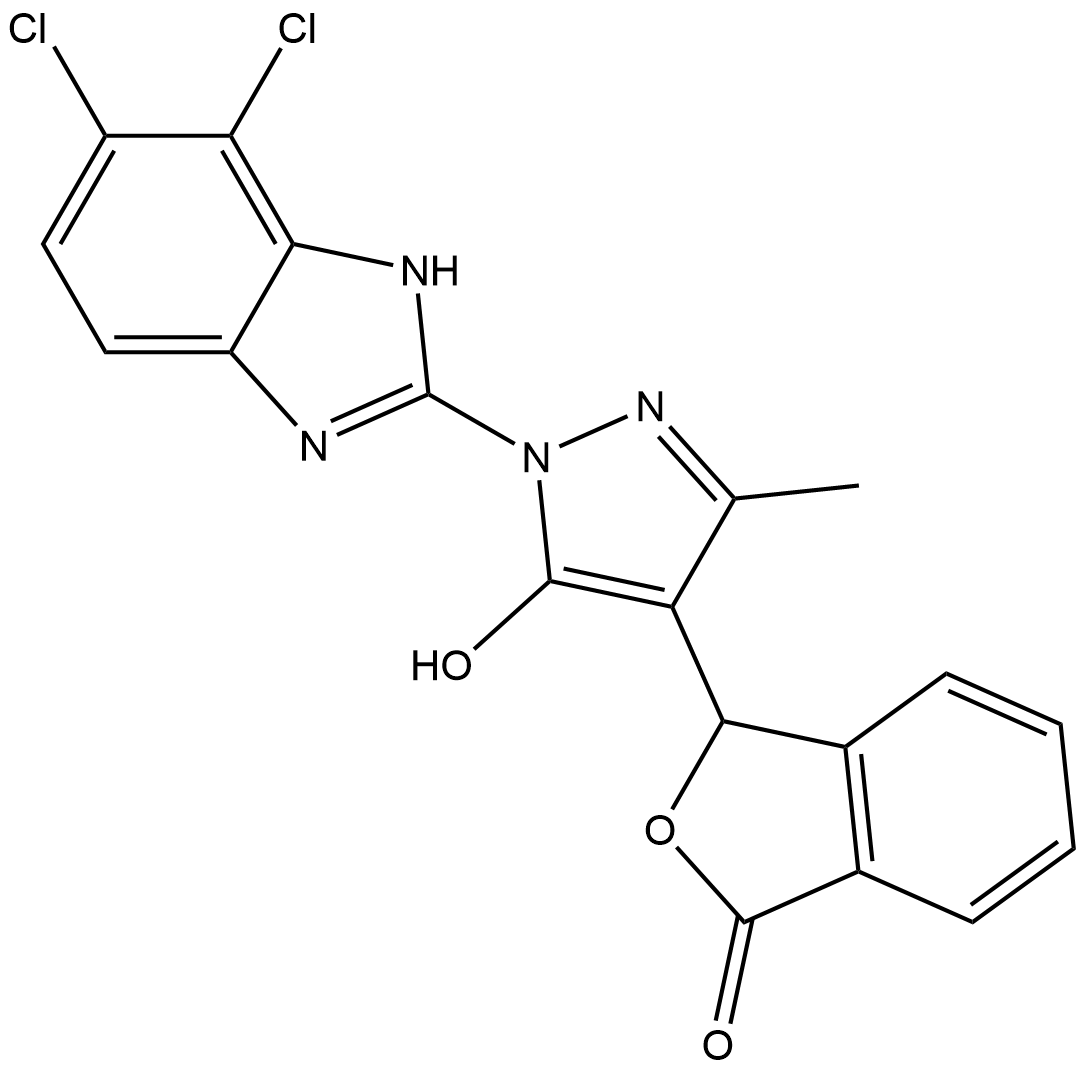 B8906 RU.521
 -
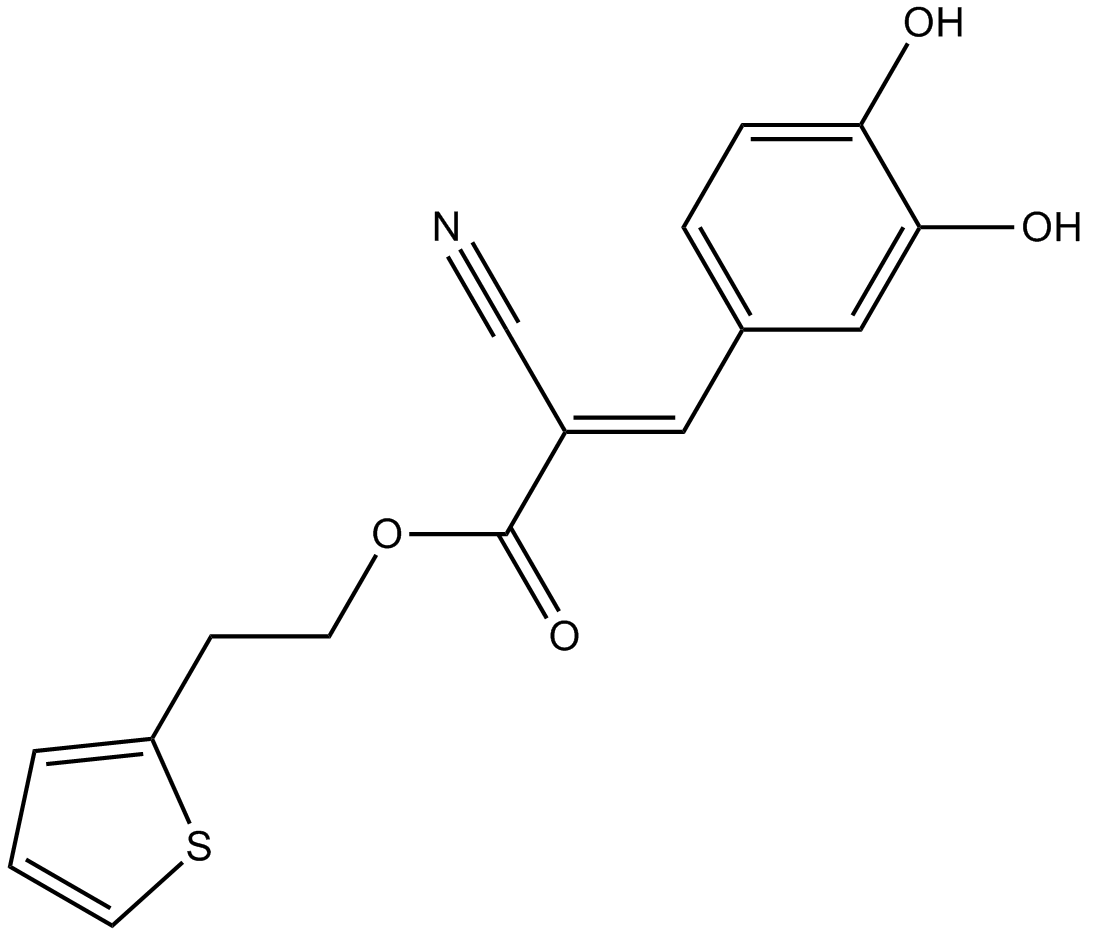 B6391 2-TEDCSummary: 5-, 12-, and 15-lipoxygenase inhibitor
 -
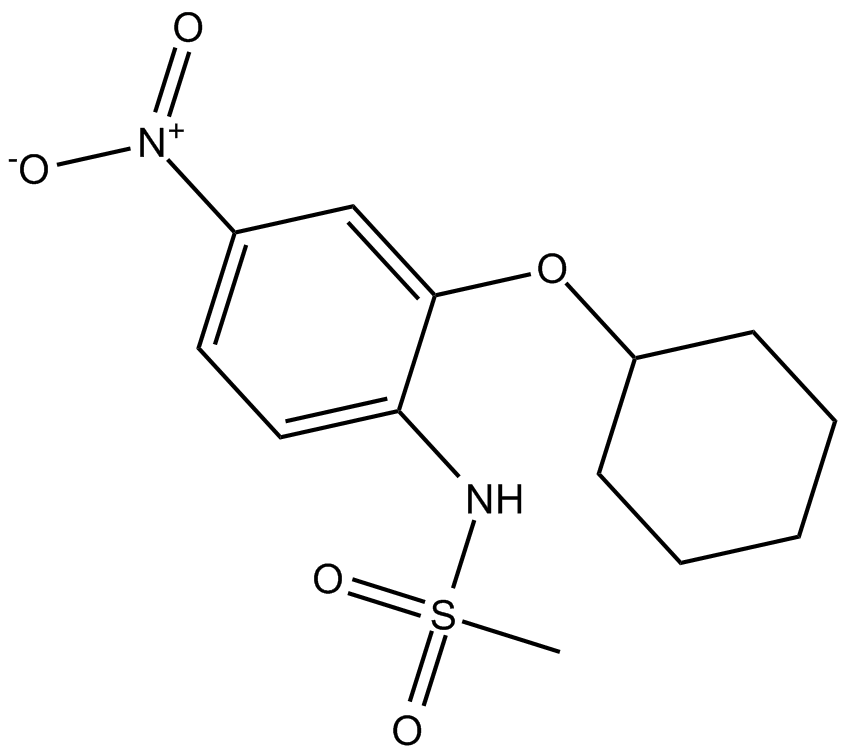 B6514 NS 398Summary: Selective cyclooxygenase-2 (COX-2) inhibitor
 -
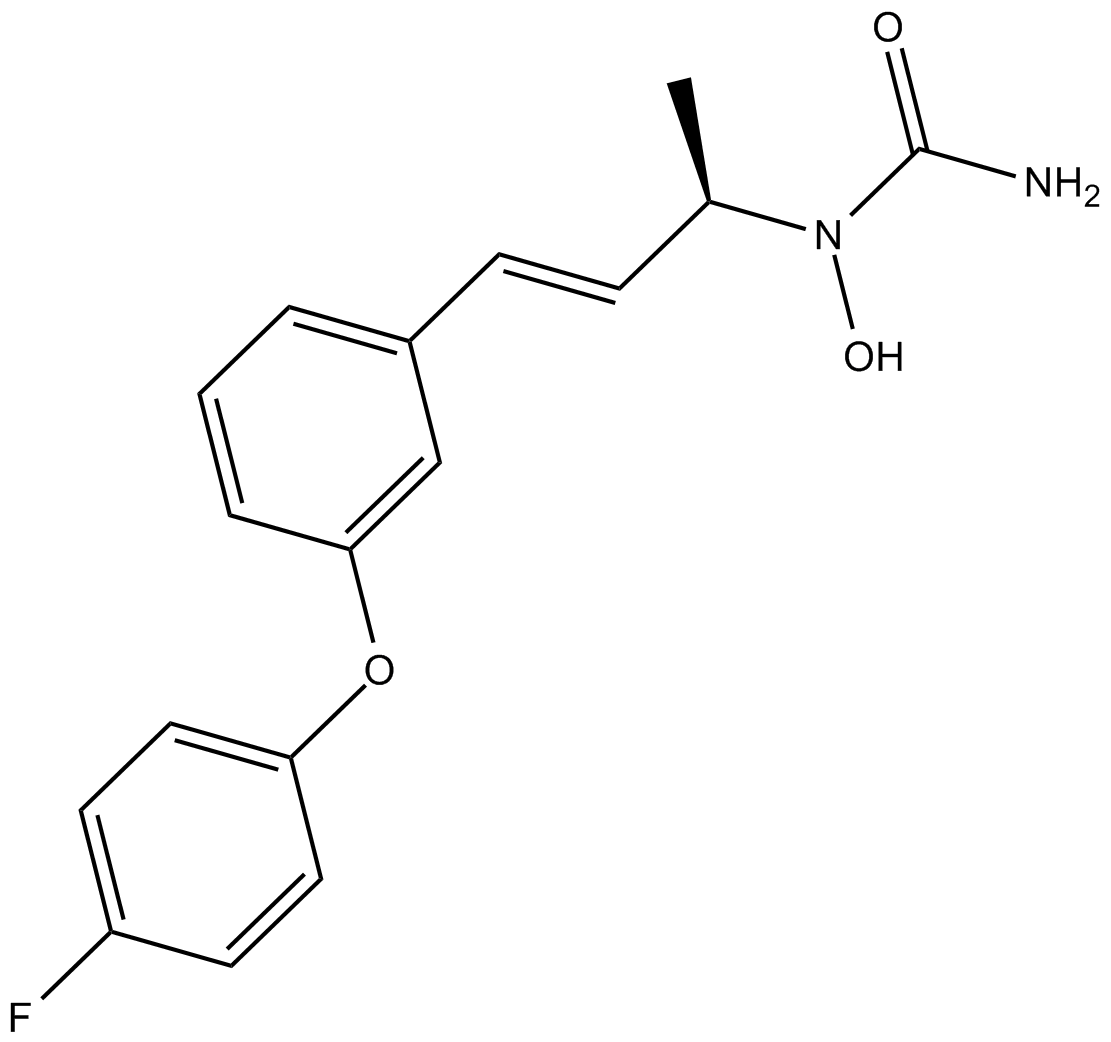 B6680 BW-B 70CSummary: 5-Lipoxygenase inhibitor,potent and selective
 -
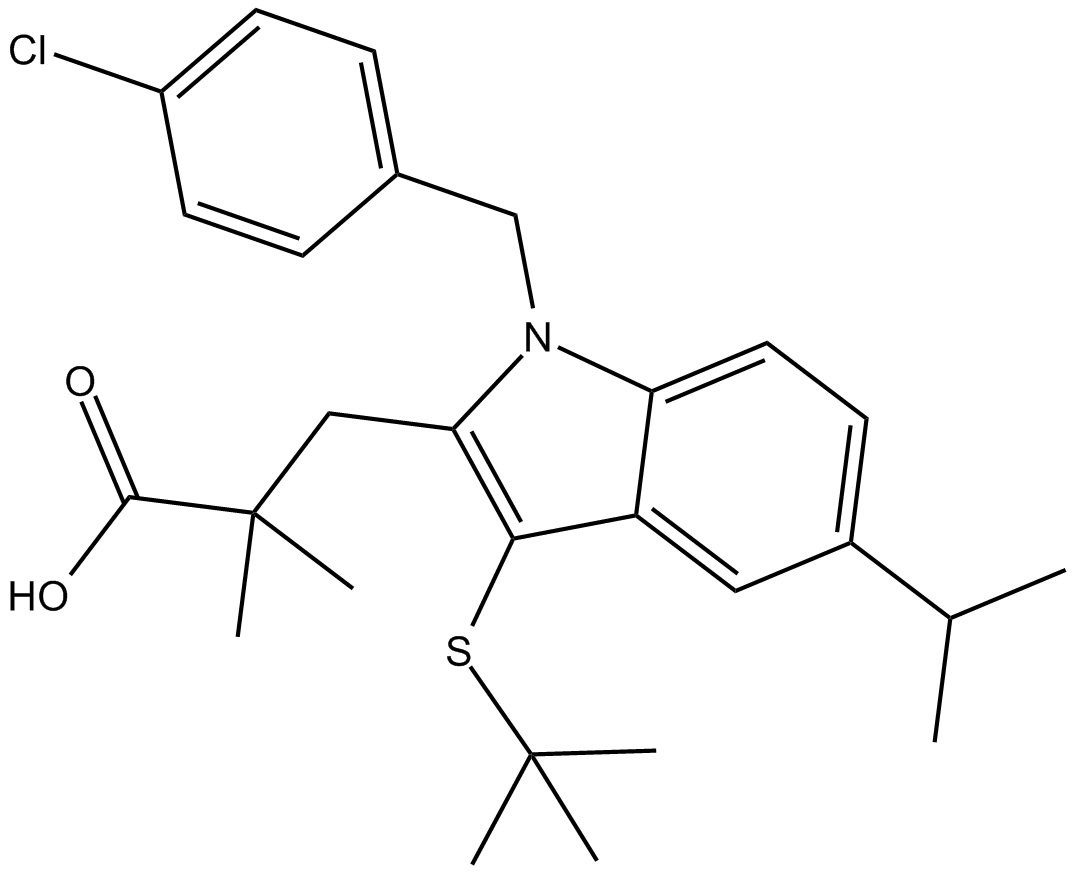 B6684 MK 8861 CitationSummary: A FLAP and PPARα inhibitor, capable of inhibiting leukotriene biosynthesis and inducing apoptosis
 -
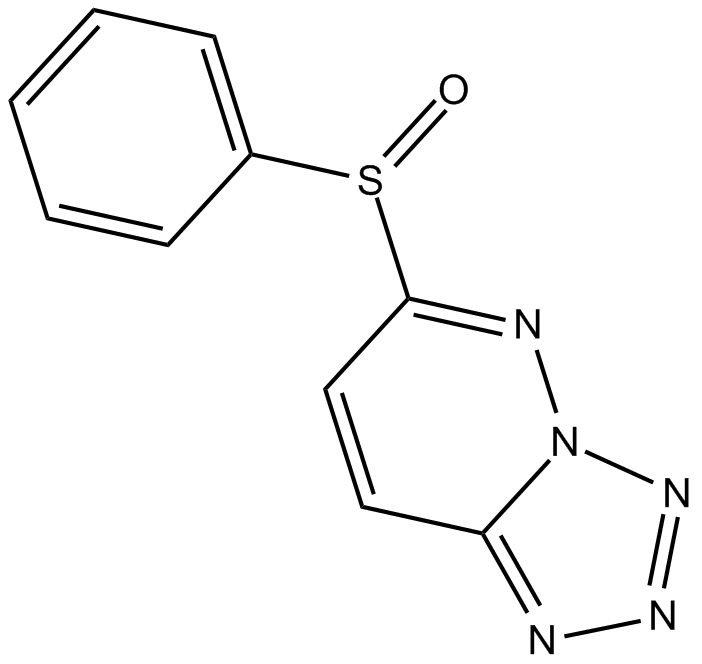 B6853 Ro 106-9920Summary: Inhibitor of NF-κB activation