


Immunology/Inflammation
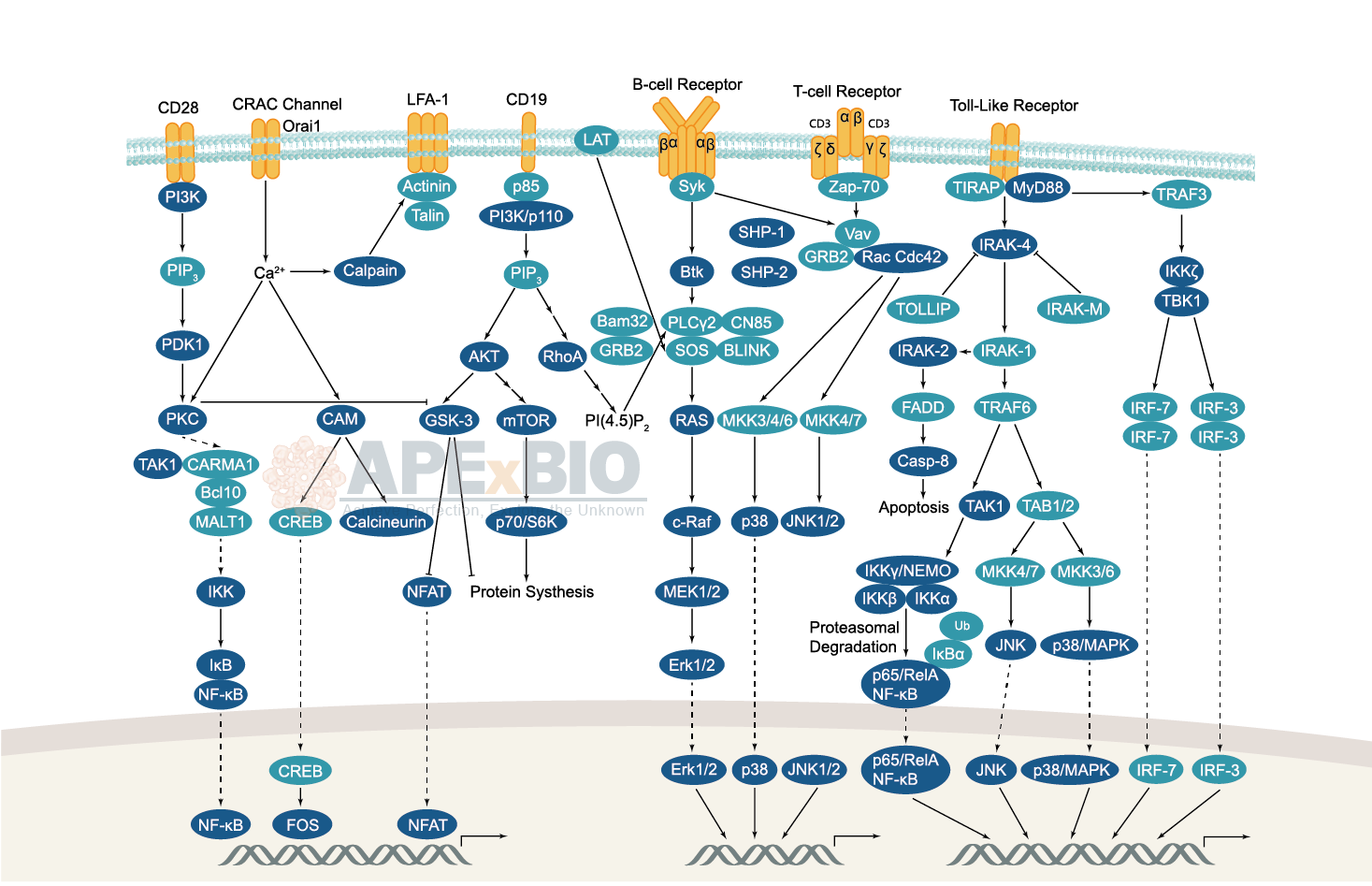
The adaptive immune system consists of B and T lymphocytes which mediate humoral immunity (e.g. antibody response) and cell-mediated immunity, respectively. B cell receptor and T cell receptor signaling is responsible for activation of Src family tyrosine kinases, such as Blk, Fyn, and Lyn in B cells and Fyn and Lck in T cells, resulting phosphorylation of the receptor-associated ITAM motifs. Phosphorylated ITAMs serve as the docking sites for Syk family tyrosine kinases, e.g. Syk in B cells and Zap-70 in T cells. Activated Syk kinases then propagate the signals via phosphorylation of downstream proteins. Furthermore, lymphocyte receptor signaling facilitates B and T cell development, differentiation, proliferation and survival.
-
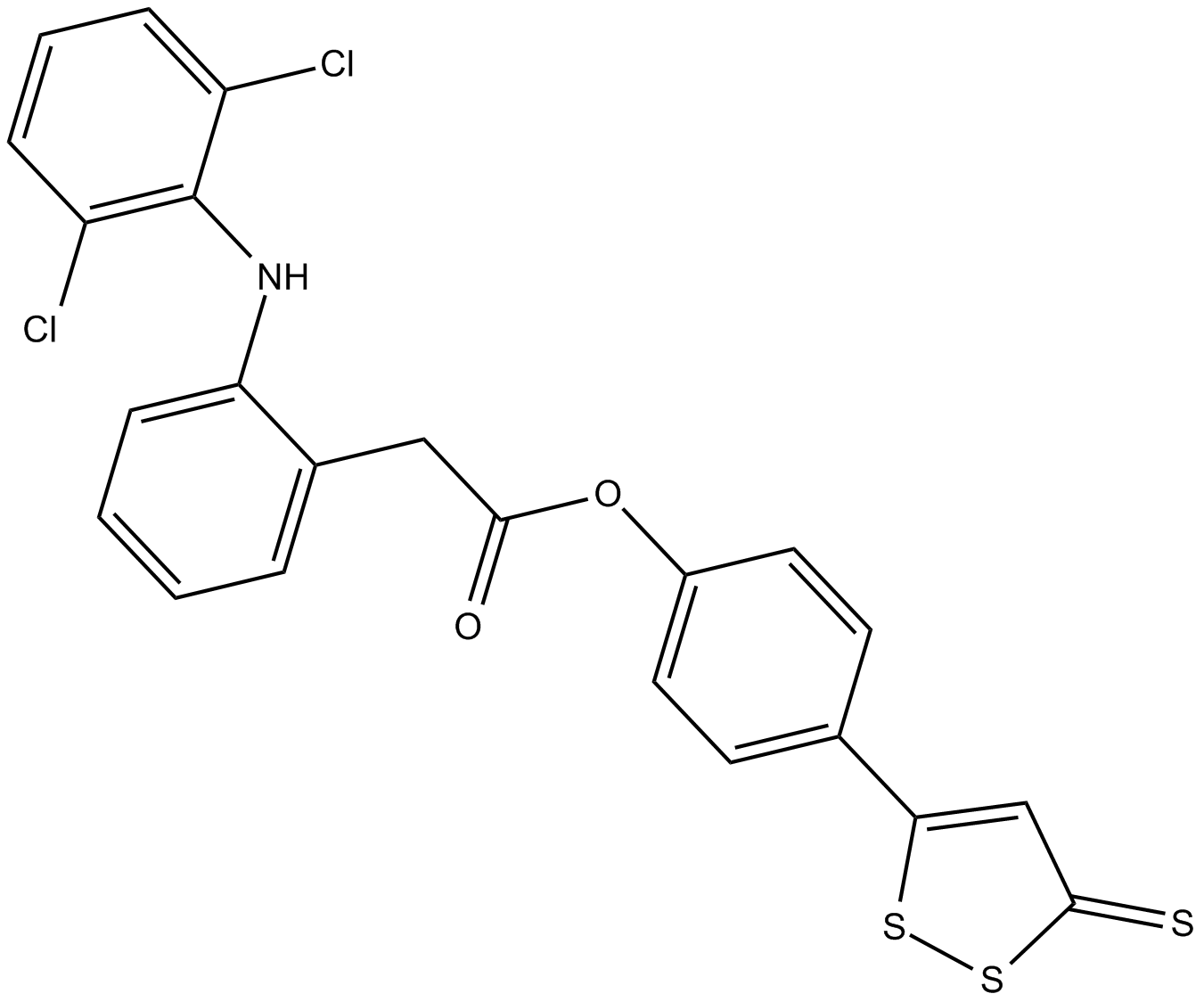 C4592 ATB-337Summary: hybrid molecule of an H2S donor and the NSAID diclofenac
-
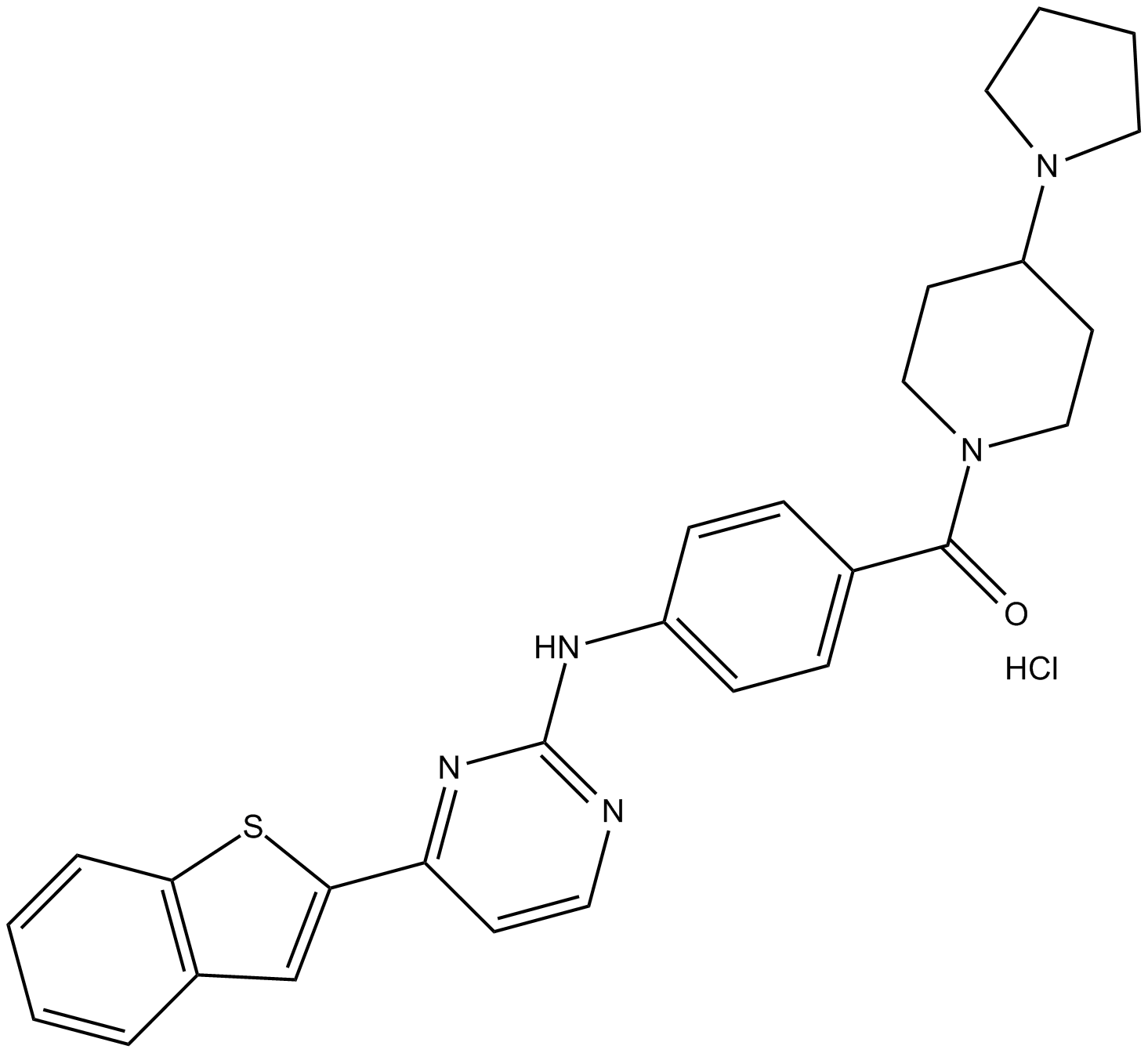 C4569 IKK-16 (hydrochloride)Summary: IκB kinases (IKKs) inhibitor
-
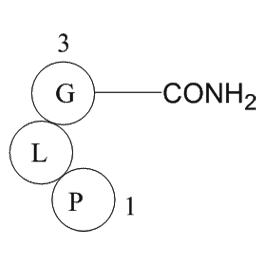 A1121 Melanocyte stimulating hormone release inhibiting factorSummary: MSH release-inhibiting factor
-
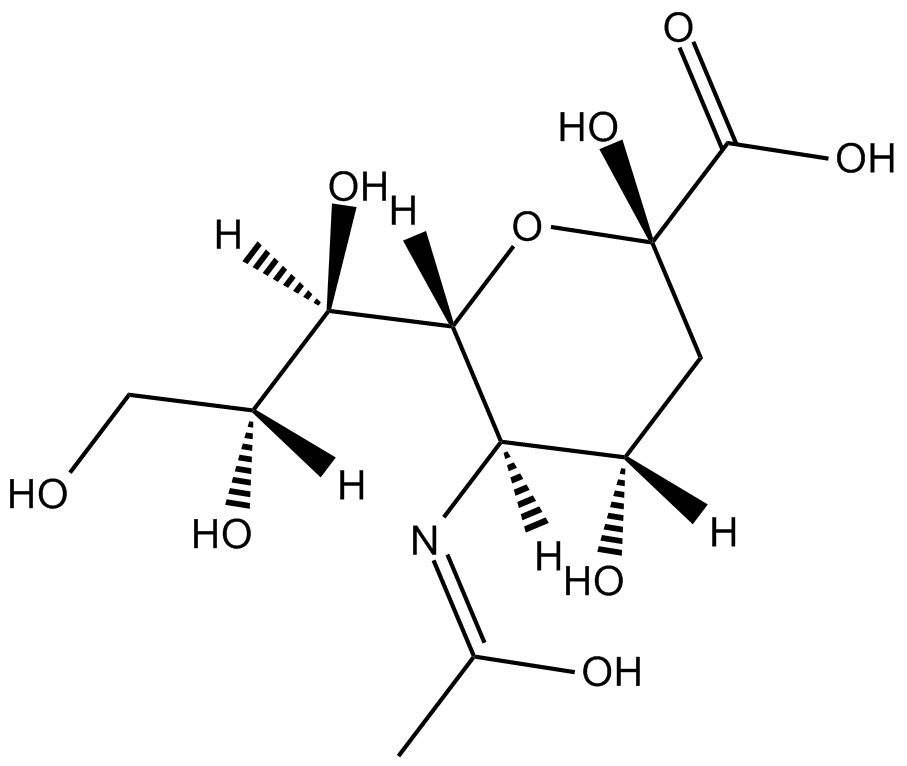 B7905 N-Acetylneuraminic acidSummary: Human Endogenous Metabolite
-
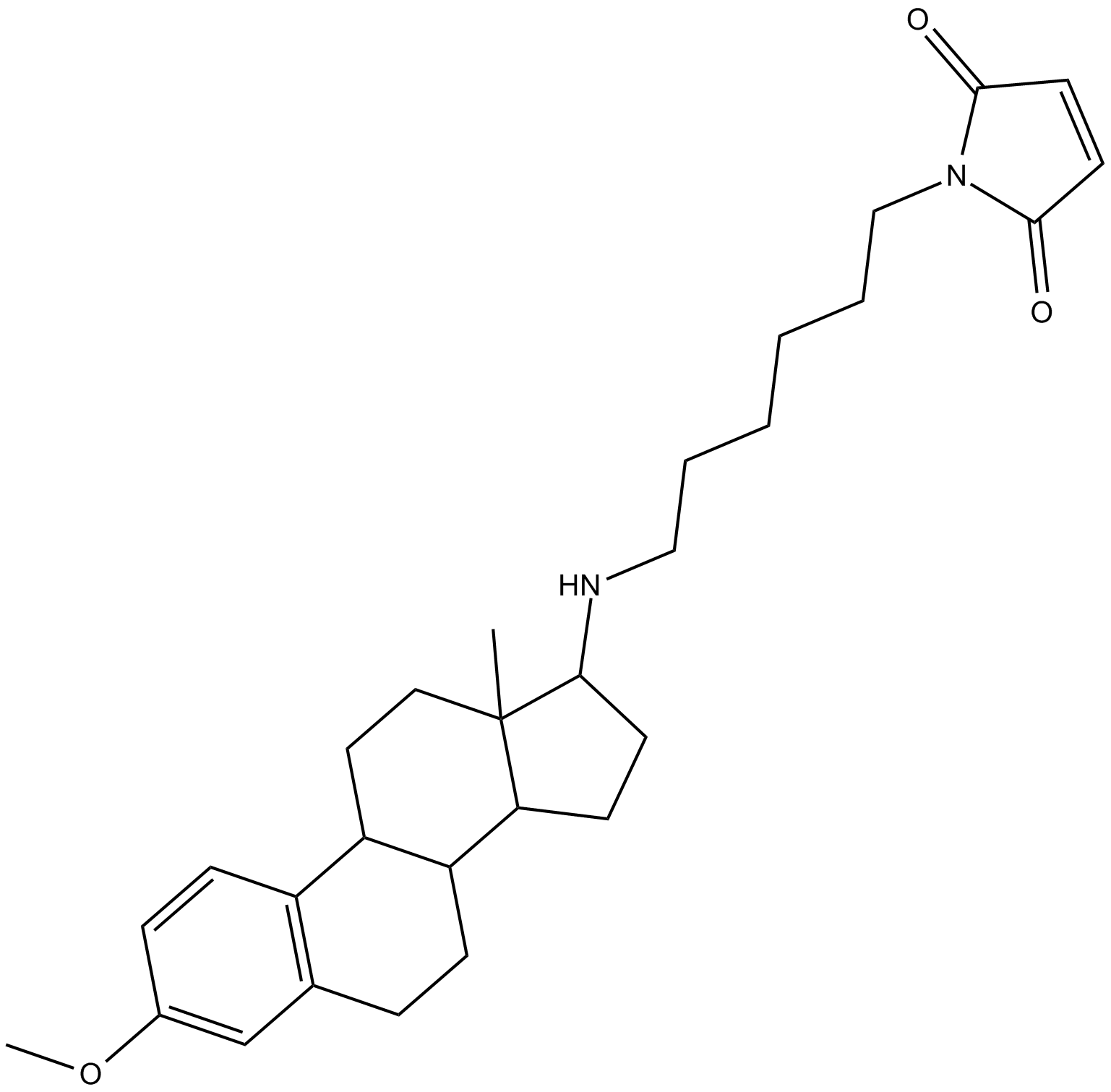 B3422 U-731221 CitationTarget: PC-PLCSummary: inhibitor of phospholipase C, phospholipase A2, and 5-LO (5-lipoxygenase)
-
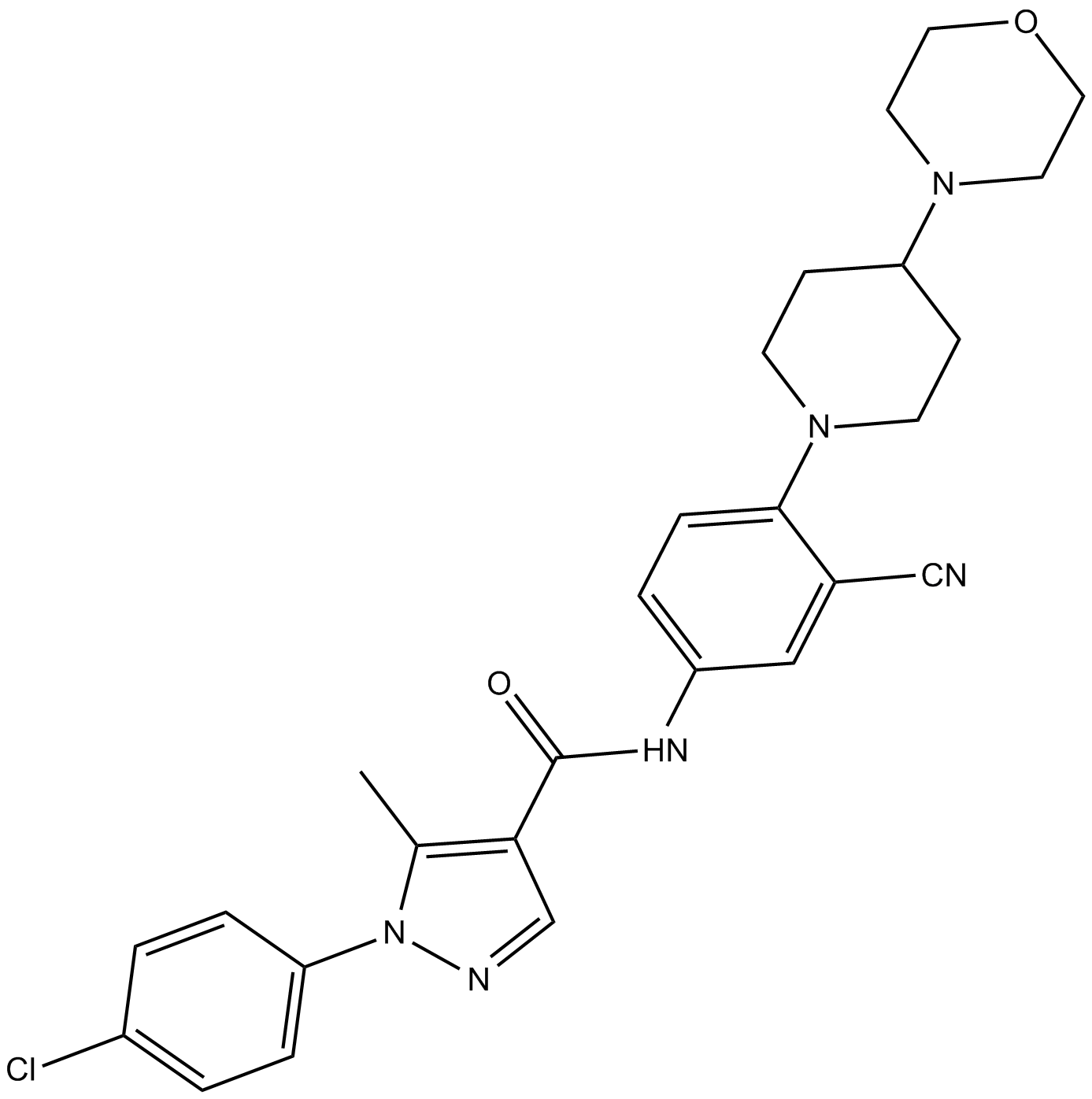 B3425 Y-320Summary: immunomodulator
-
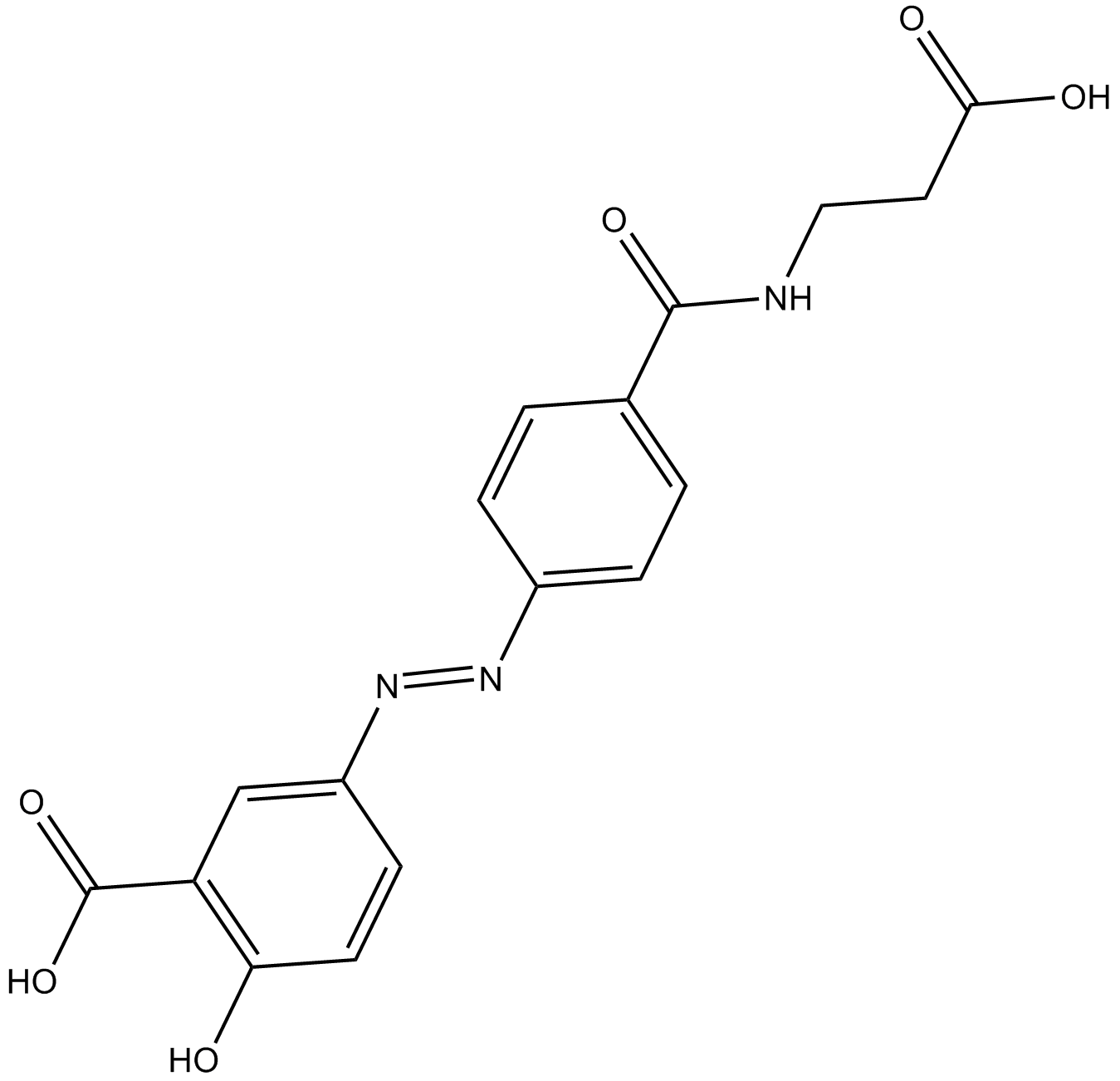 B3460 BalsalazideSummary: anti-inflammatory drug
-
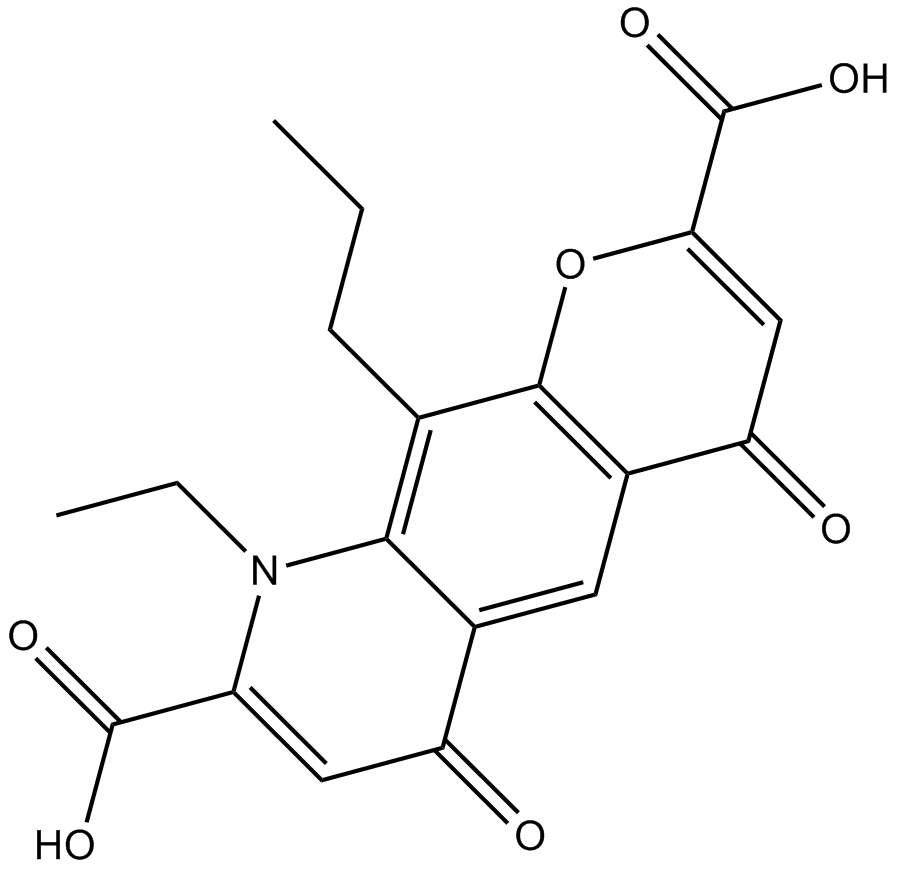 B3578 NedocromilSummary: anti-inflammatory agent
-
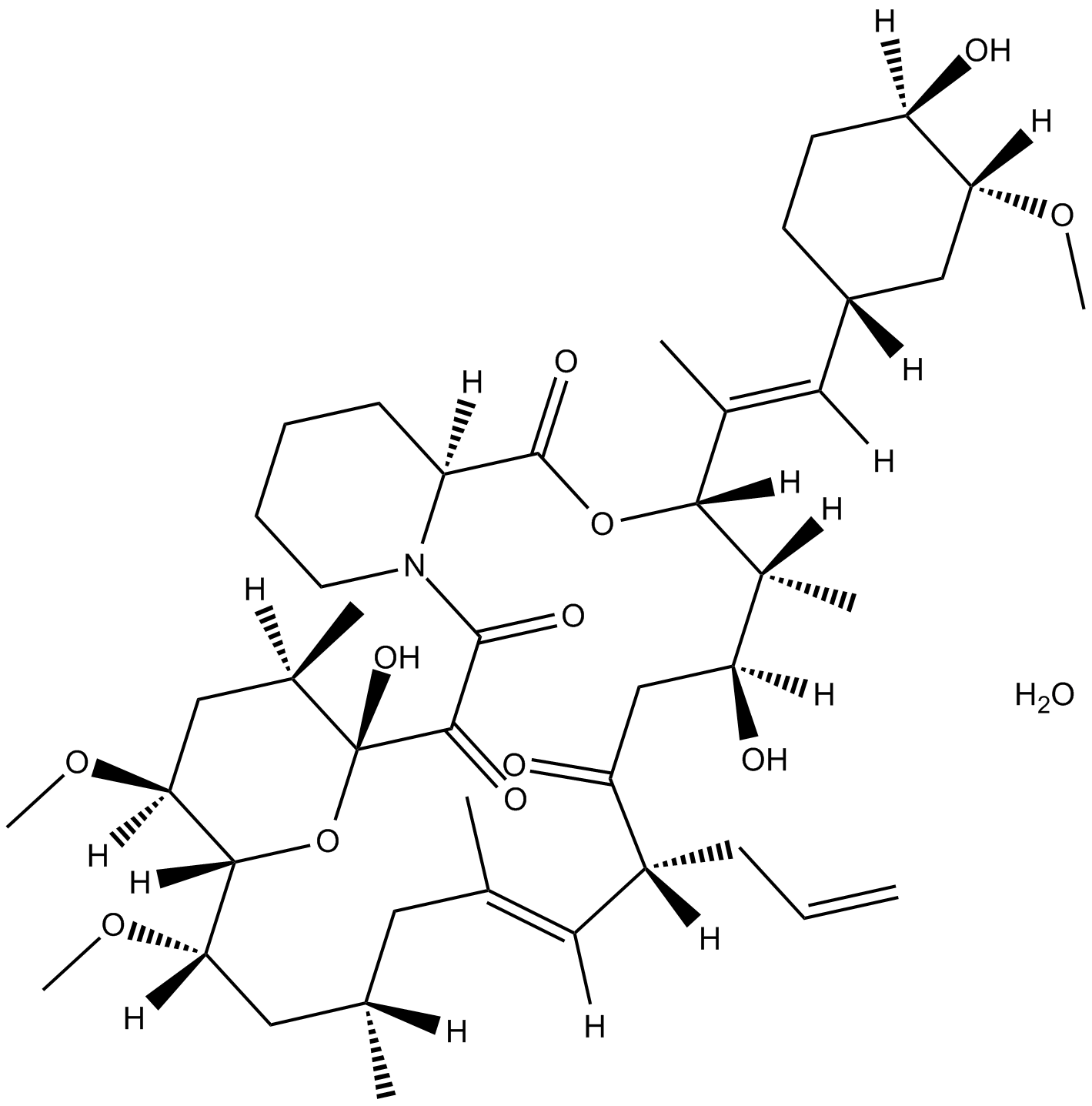 B3579 Tacrolimus monohydrateSummary: An immunosuppressant that blocks T cell activation by inhibiting calcineurin.
-
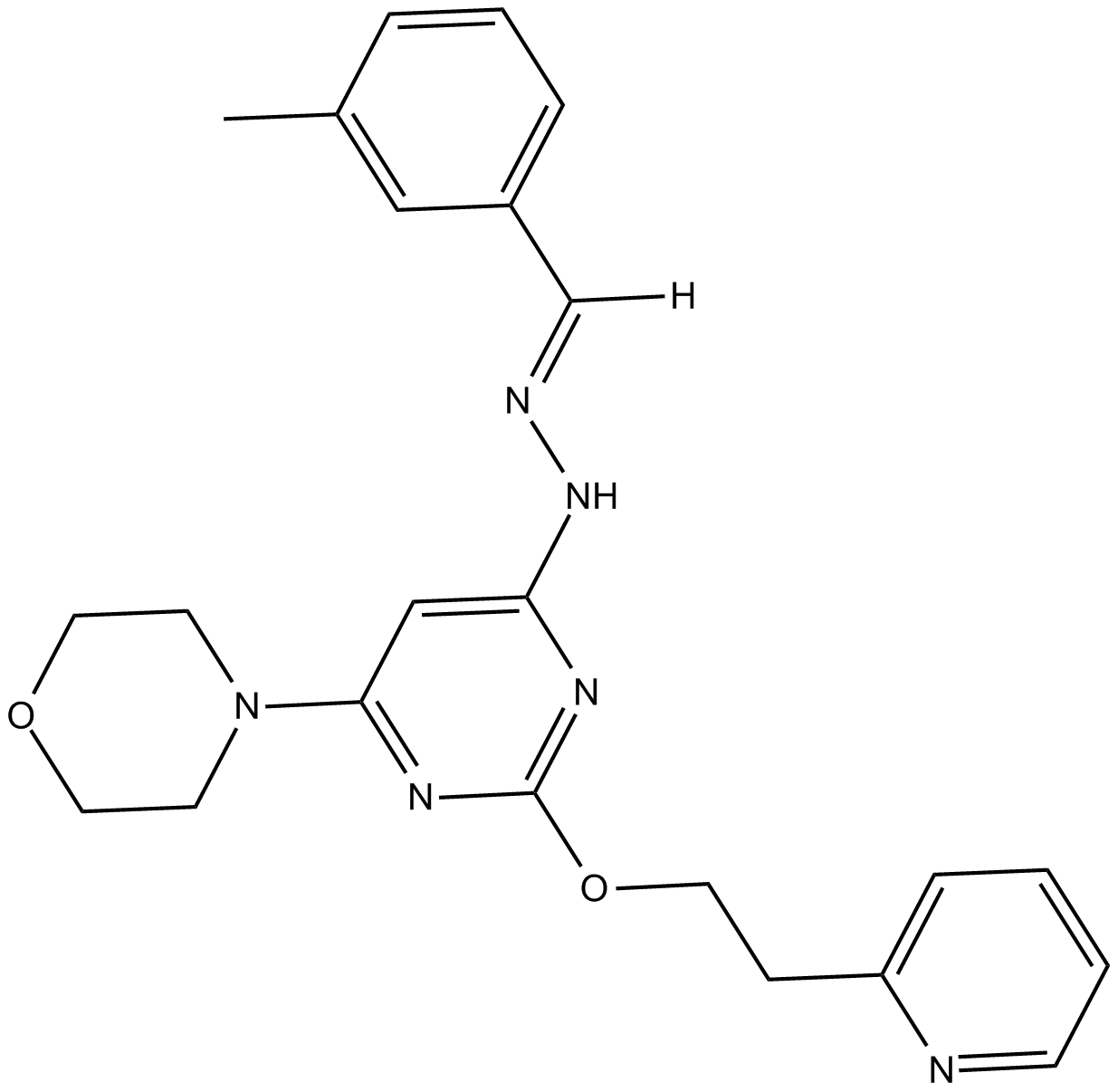 B3581 ApilimodSummary: Highly selective PIKfyve and IL-12/IL-23 pathway inhibitor.