


Immunology/Inflammation
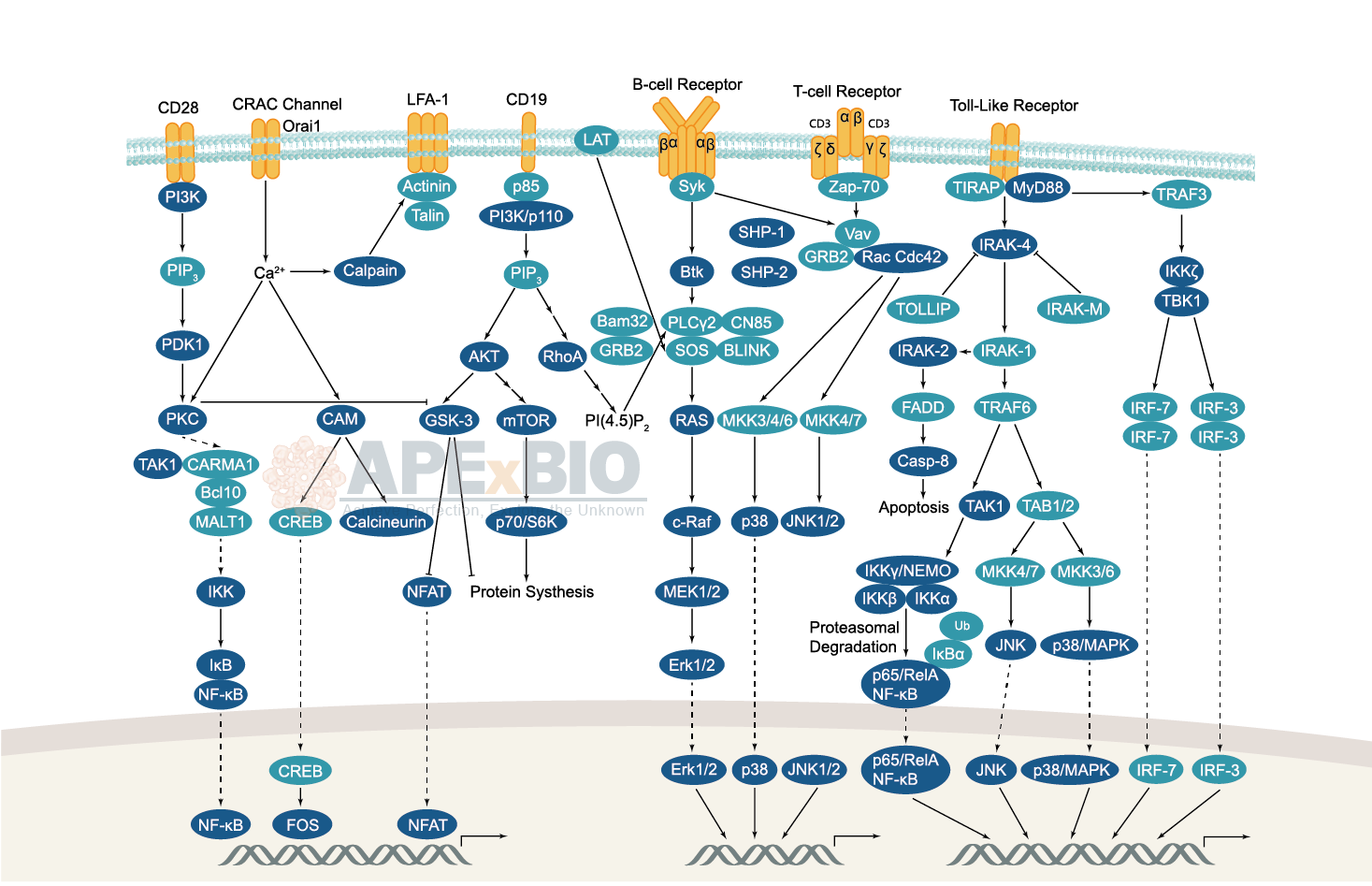
The adaptive immune system consists of B and T lymphocytes which mediate humoral immunity (e.g. antibody response) and cell-mediated immunity, respectively. B cell receptor and T cell receptor signaling is responsible for activation of Src family tyrosine kinases, such as Blk, Fyn, and Lyn in B cells and Fyn and Lck in T cells, resulting phosphorylation of the receptor-associated ITAM motifs. Phosphorylated ITAMs serve as the docking sites for Syk family tyrosine kinases, e.g. Syk in B cells and Zap-70 in T cells. Activated Syk kinases then propagate the signals via phosphorylation of downstream proteins. Furthermore, lymphocyte receptor signaling facilitates B and T cell development, differentiation, proliferation and survival.
-
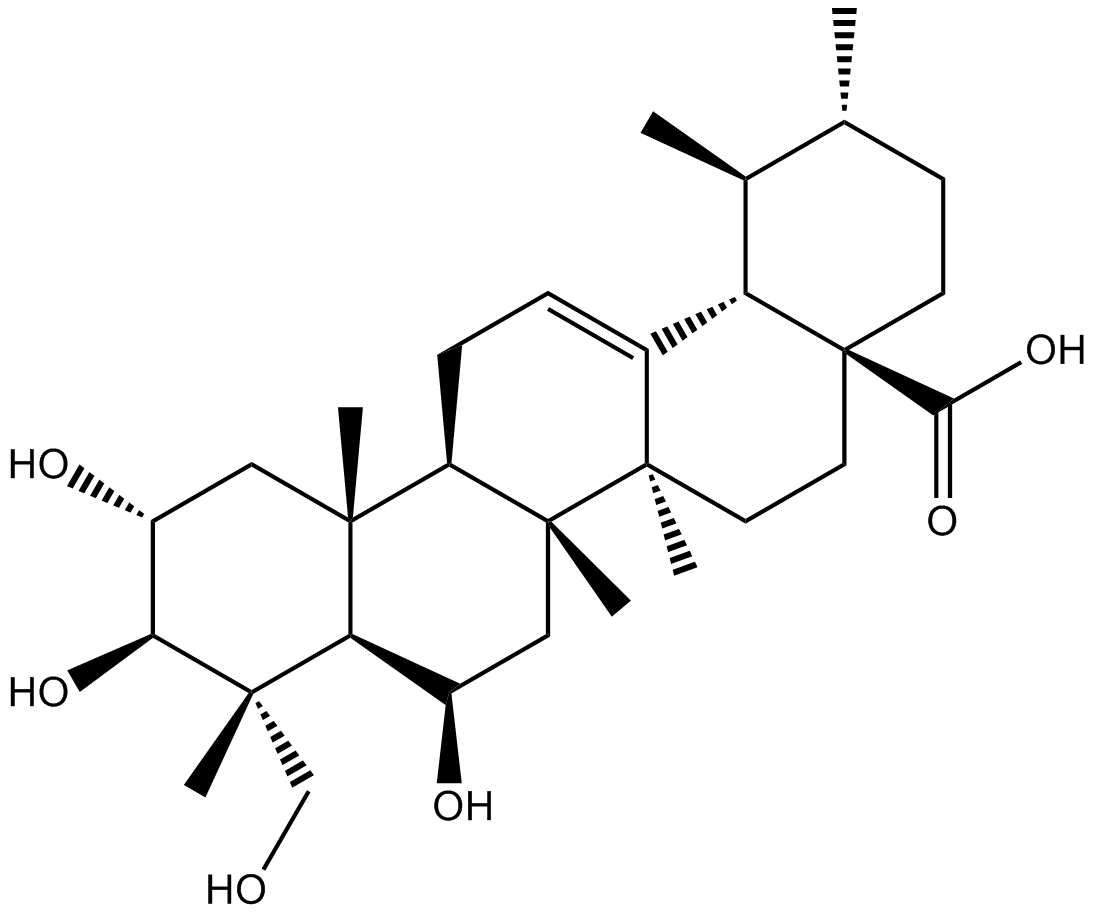 N2355 Madecassic acidSummary: An anti-inflammatory agent that inhibits iNOS, COX-2, and TNF-α.
-
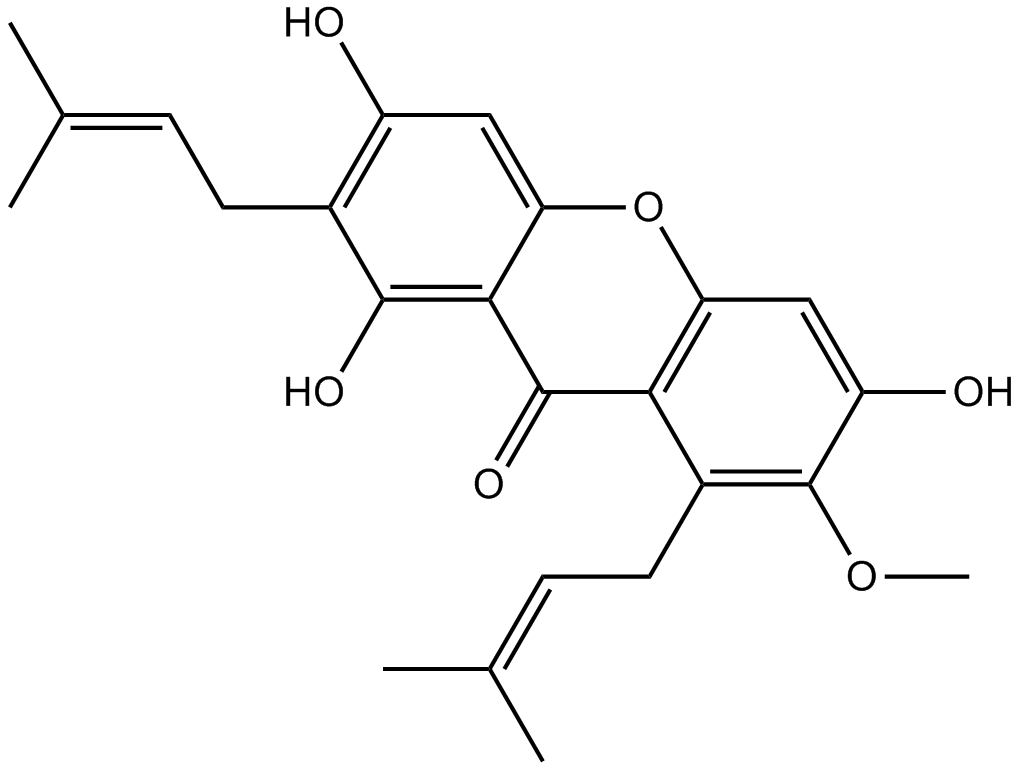 N2590 α-mangostinSummary: PI3K/AKT inhibitor
-
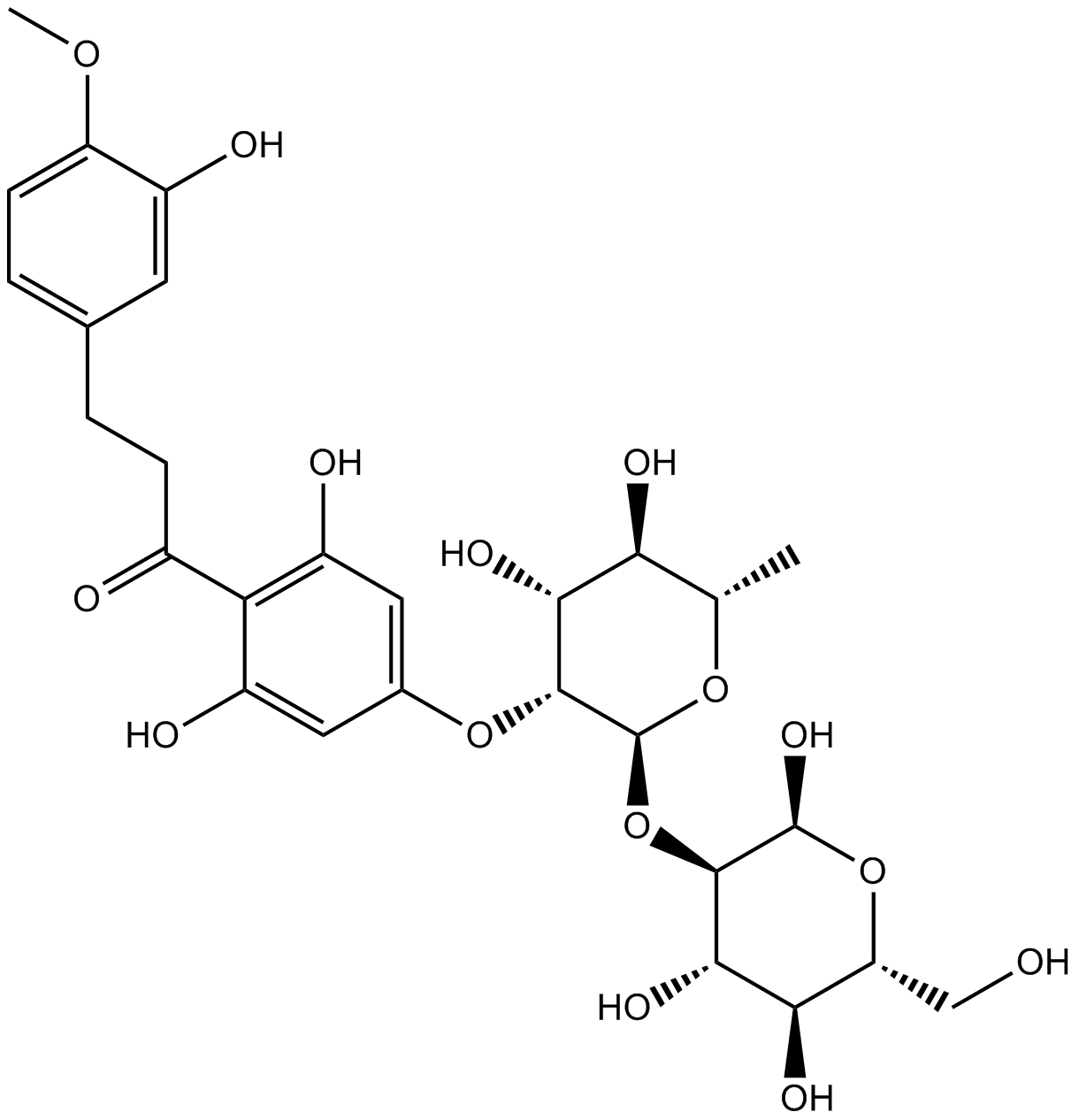 N2473 Neosperidin dihydrochalconeSummary: A low-calorie sweetener derived from citrus peel used in foods and beverages.
-
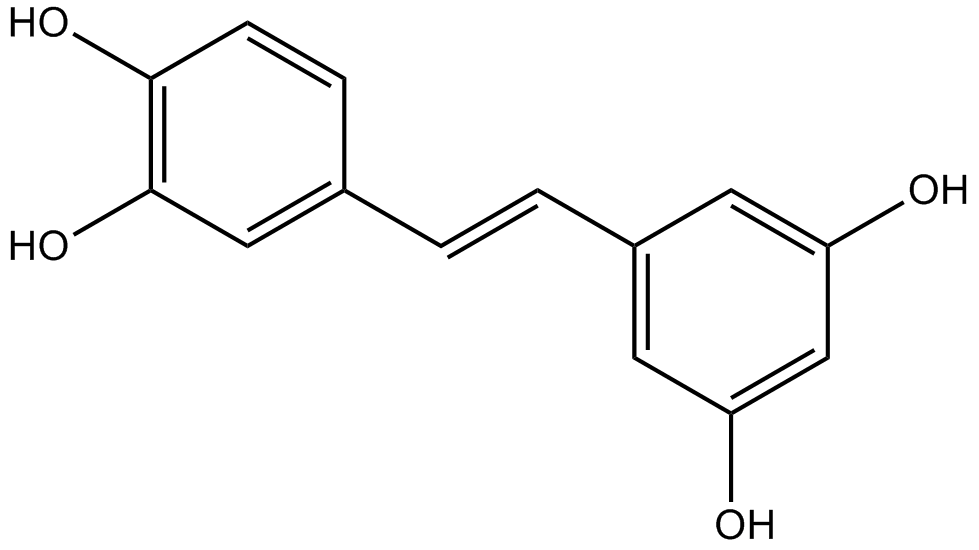 N2031 PiceatannolSummary: p56lck/Syk inhibitor
-
 N2076 Berberine SulfateSummary: An alkaloid derived from Chinese herbal medicine with antibacterial and antitumor activities.
-
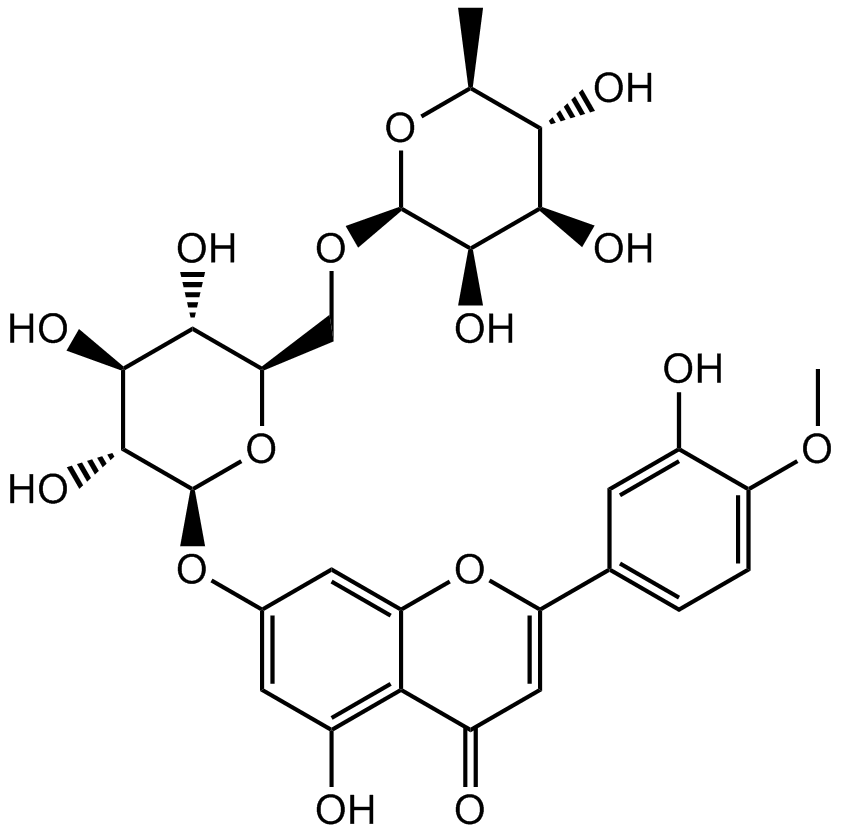 N2535 DiosiminSummary: A flavonoid isolated from citrus fruits that acts as an aryl hydrocarbon receptor agonist.
-
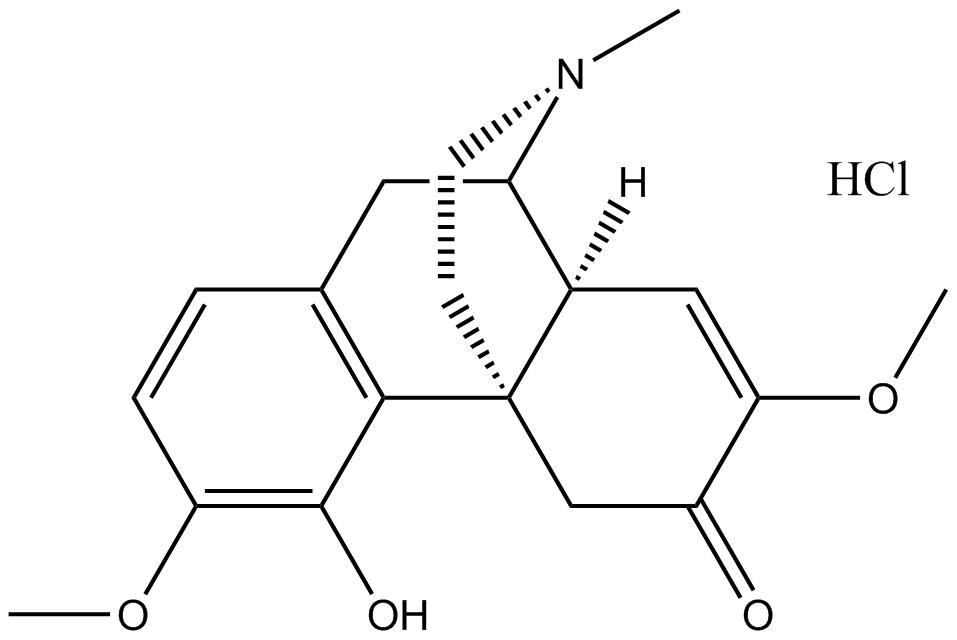 N2189 Sinomenine HydrochlorideSummary: An alkaloid isolated from Sinomenium acutum that blocks NF-κB and activates the μ-opioid receptor.
-
 N2471 Berbamine hydrochlorideSummary: Anticancer drug,novel inhibitor of NF-κB activity
-
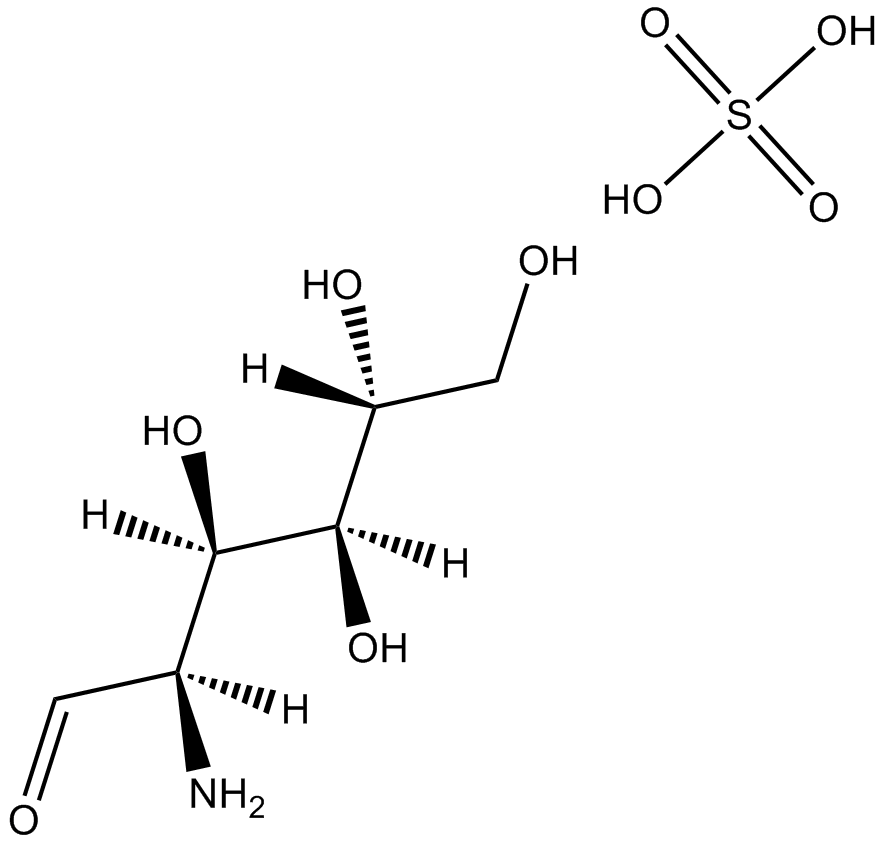 N2734 Glucosamine sulfateSummary: An amino sugar precursor compound for cartilage matrix anabolism.
-
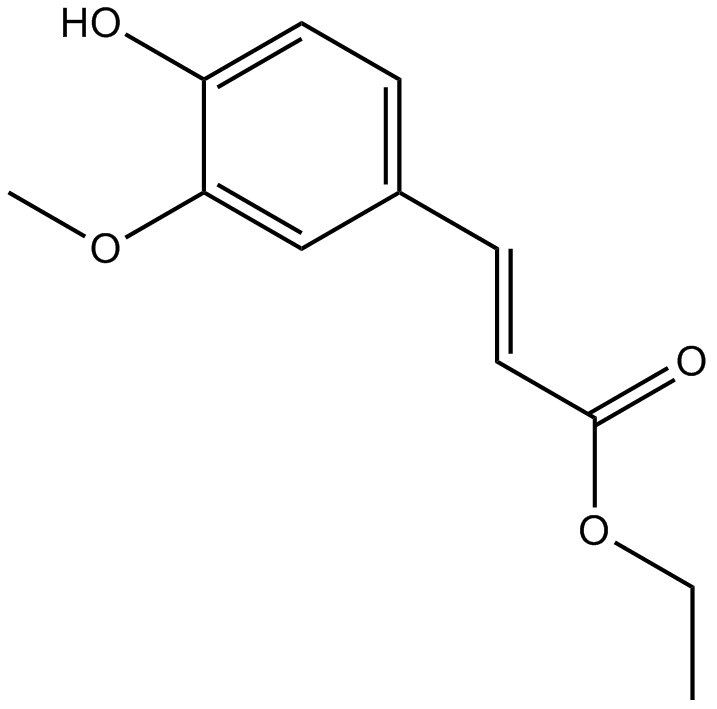 N2444 Ethyl ferulate