


Immunology/Inflammation
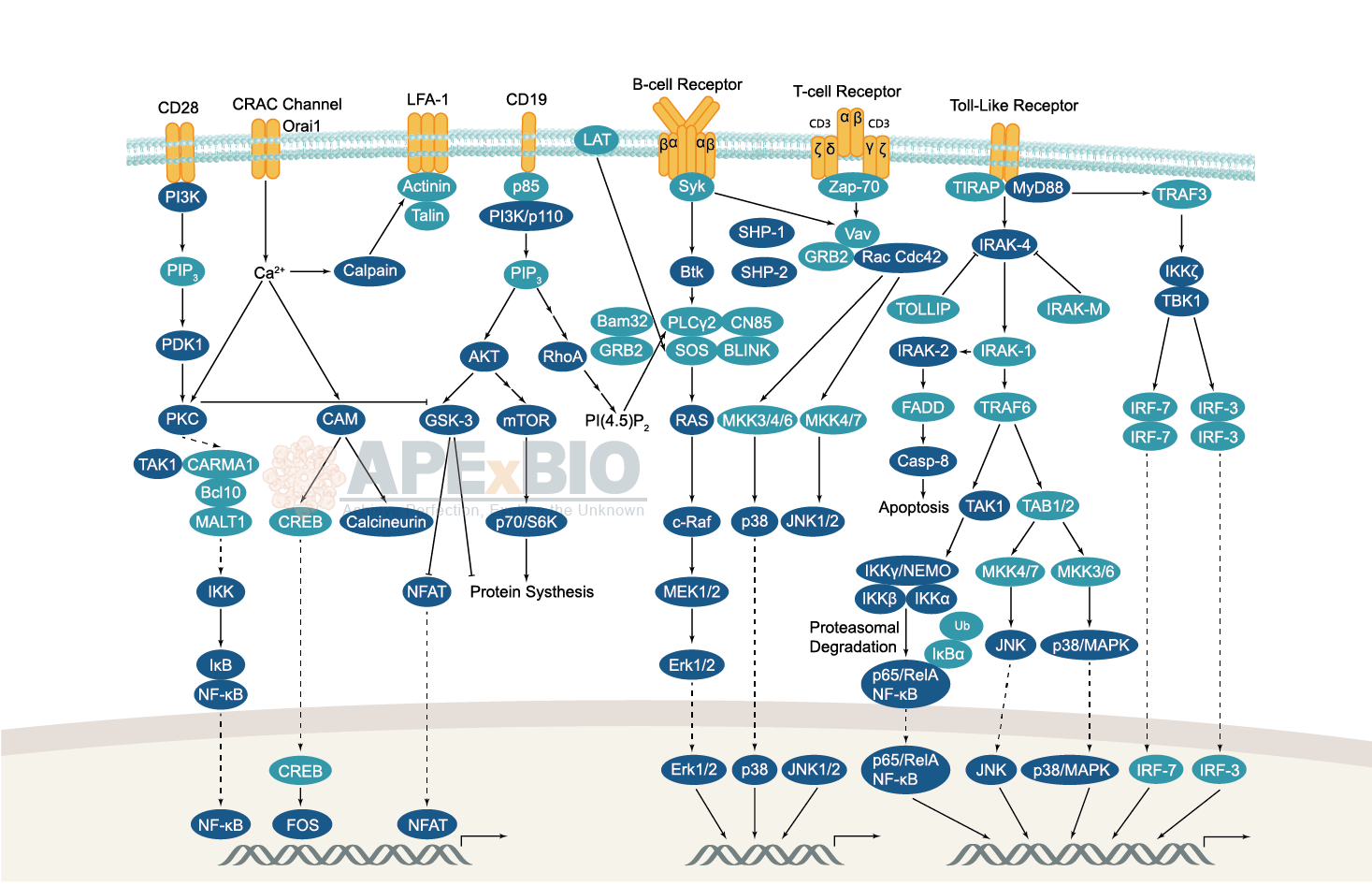
The adaptive immune system consists of B and T lymphocytes which mediate humoral immunity (e.g. antibody response) and cell-mediated immunity, respectively. B cell receptor and T cell receptor signaling is responsible for activation of Src family tyrosine kinases, such as Blk, Fyn, and Lyn in B cells and Fyn and Lck in T cells, resulting phosphorylation of the receptor-associated ITAM motifs. Phosphorylated ITAMs serve as the docking sites for Syk family tyrosine kinases, e.g. Syk in B cells and Zap-70 in T cells. Activated Syk kinases then propagate the signals via phosphorylation of downstream proteins. Furthermore, lymphocyte receptor signaling facilitates B and T cell development, differentiation, proliferation and survival.
-
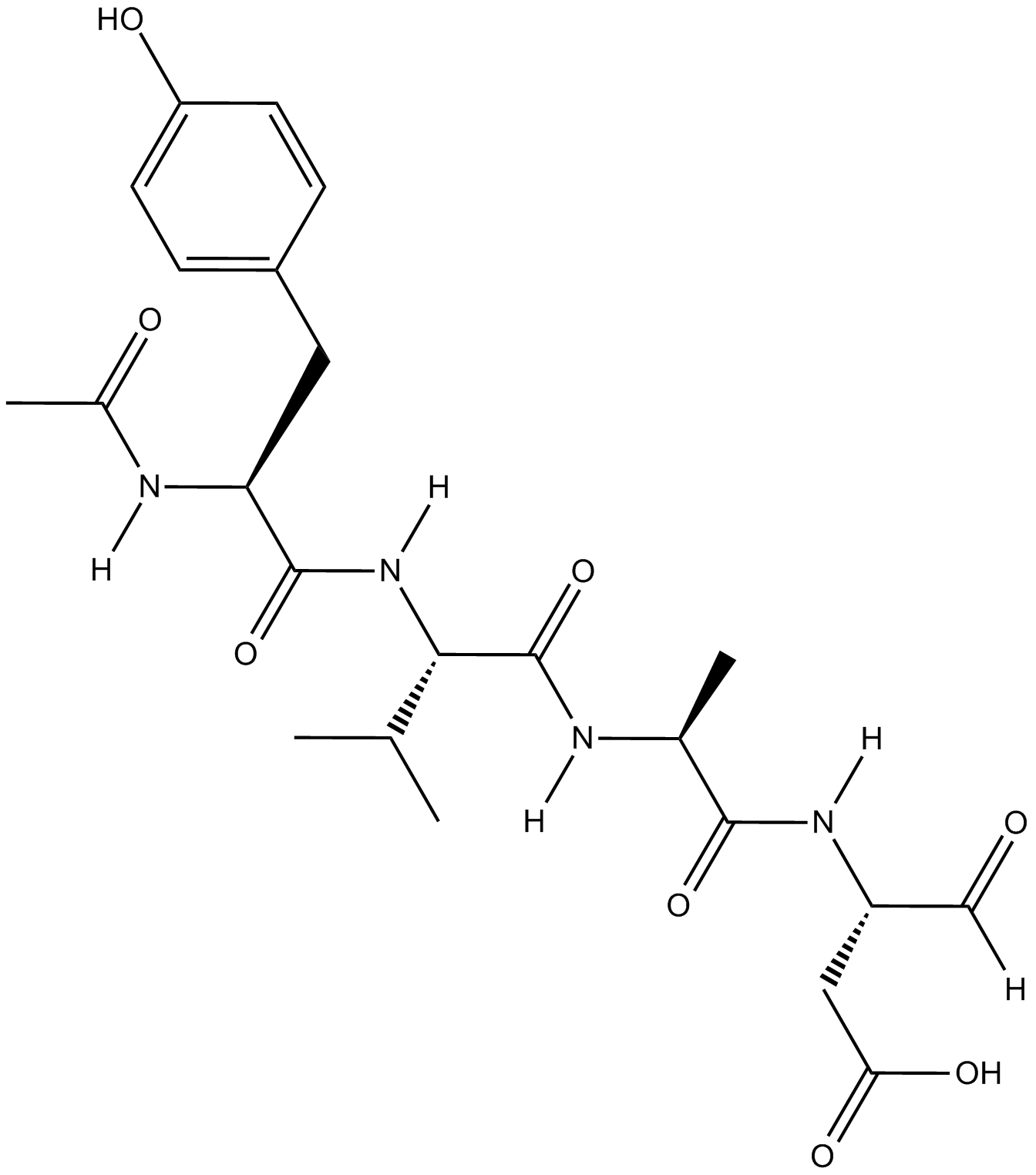 A8954 Ac-YVAD-CHO1 CitationTarget: CaspasesSummary: Selective inhibitor of interleukin-1β converting enzyme (ICE; Caspase-1)
 -
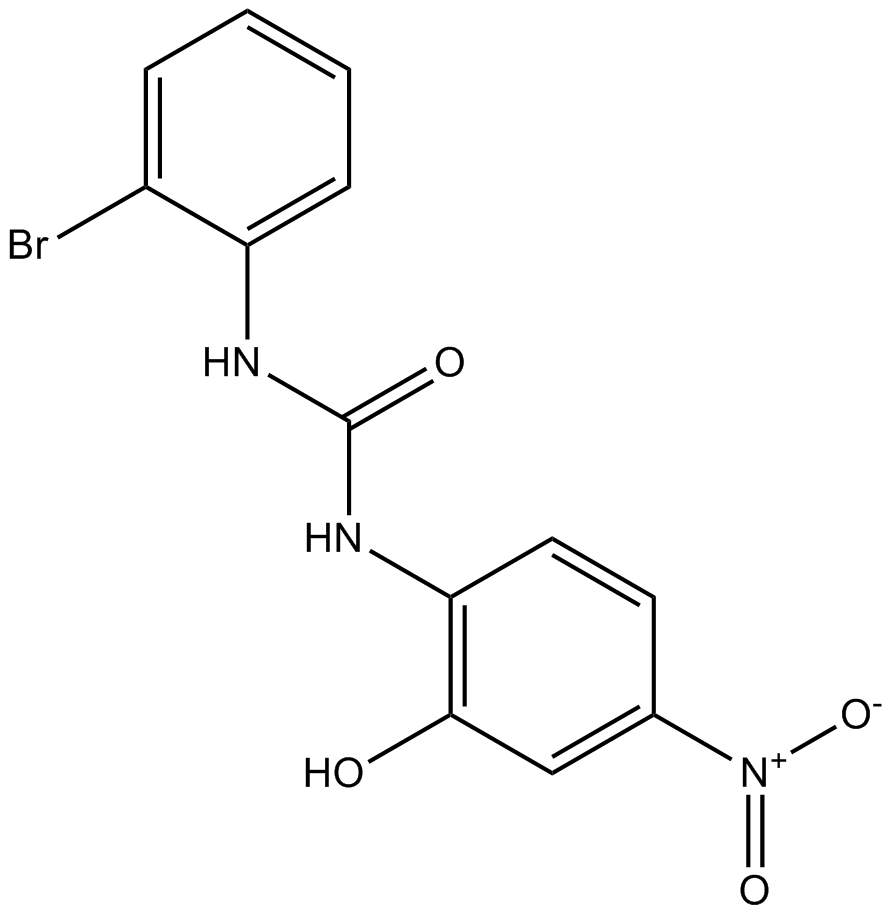 B8200 SB 2250025 CitationSummary: CXCR2 antagonist, potent and selective
 -
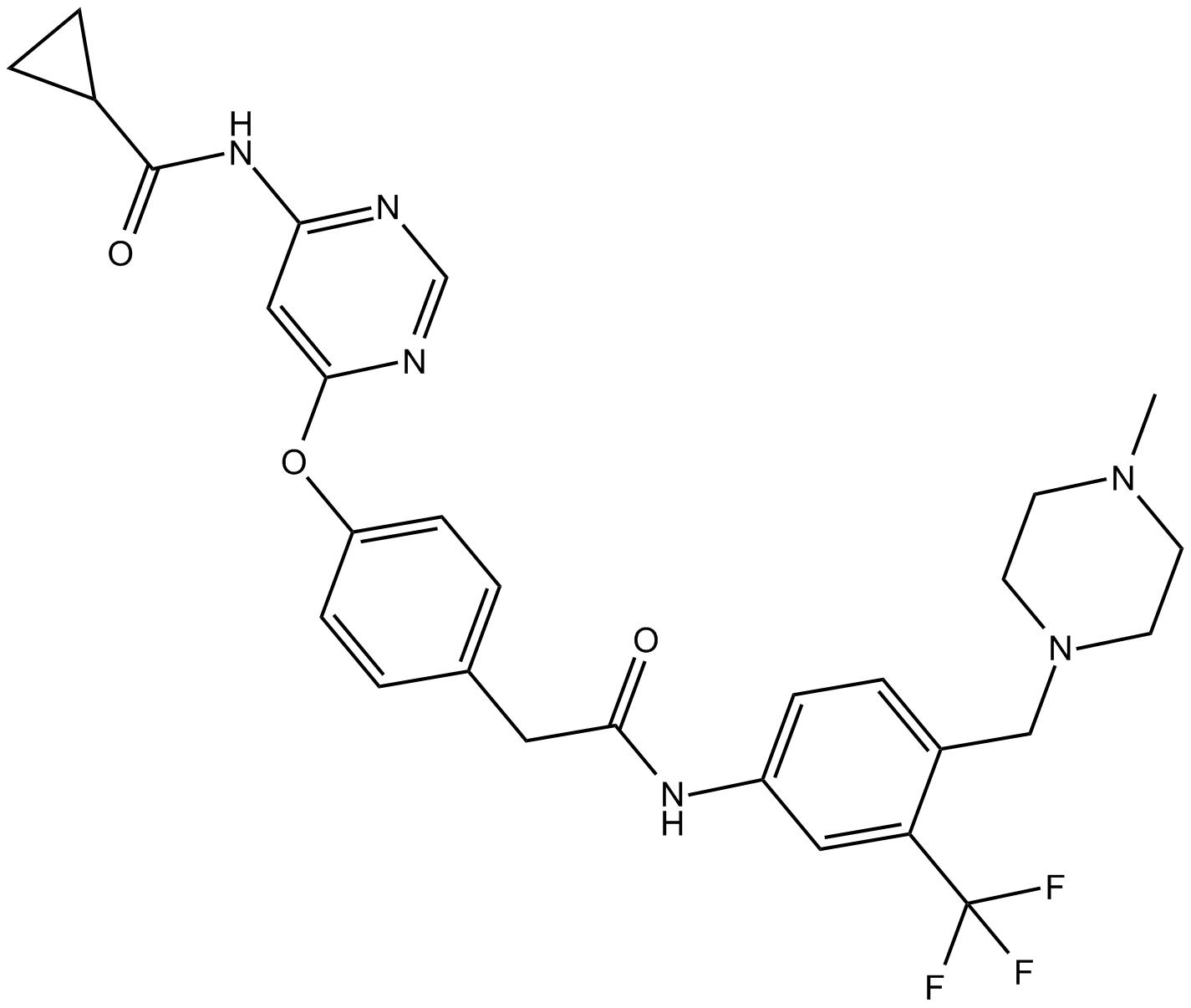 B4880 WS6Summary: inducer of β cell proliferation
 -
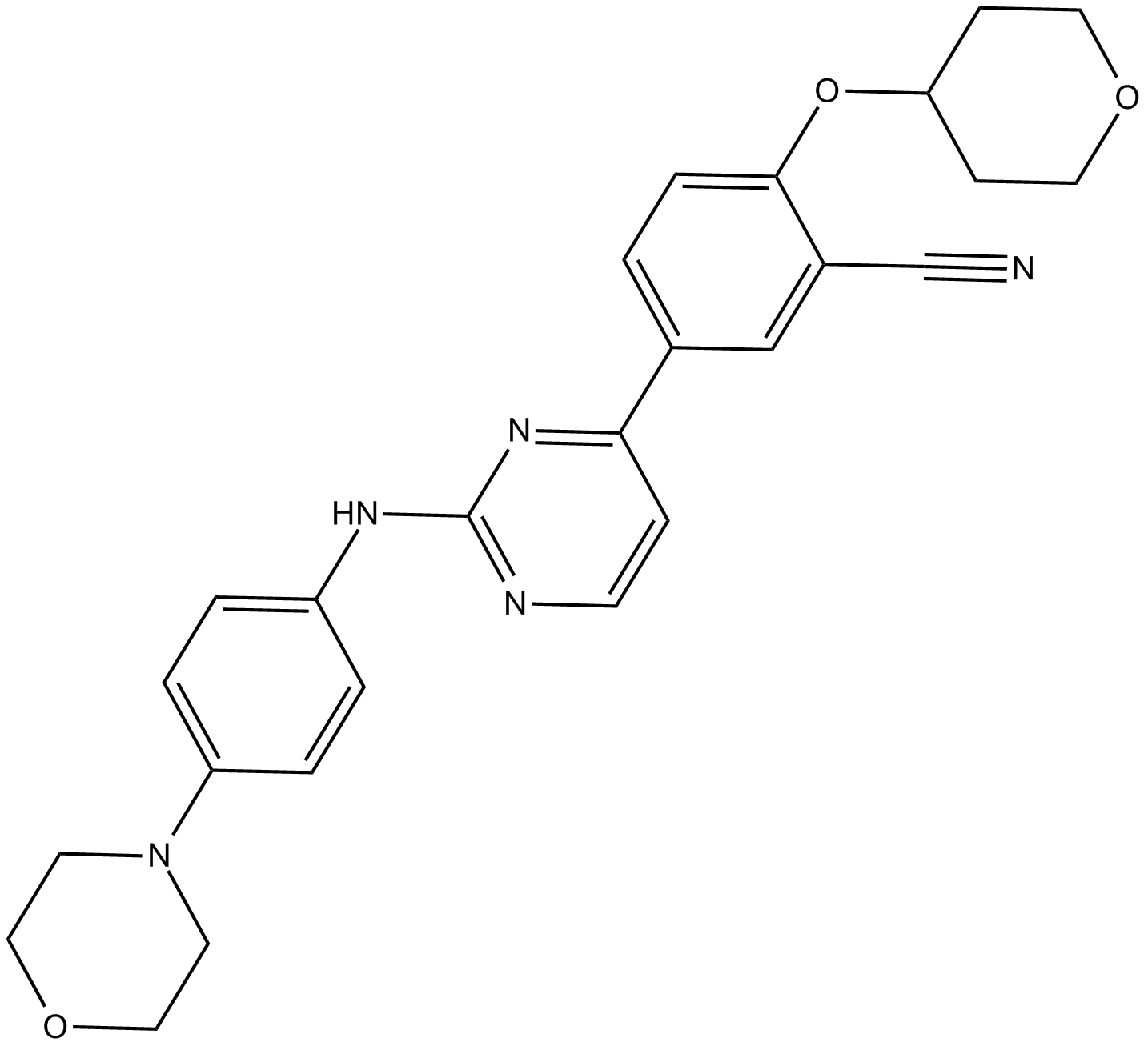 B4825 IKKε-IN-1Summary: potent IKKε inhibitor
 -
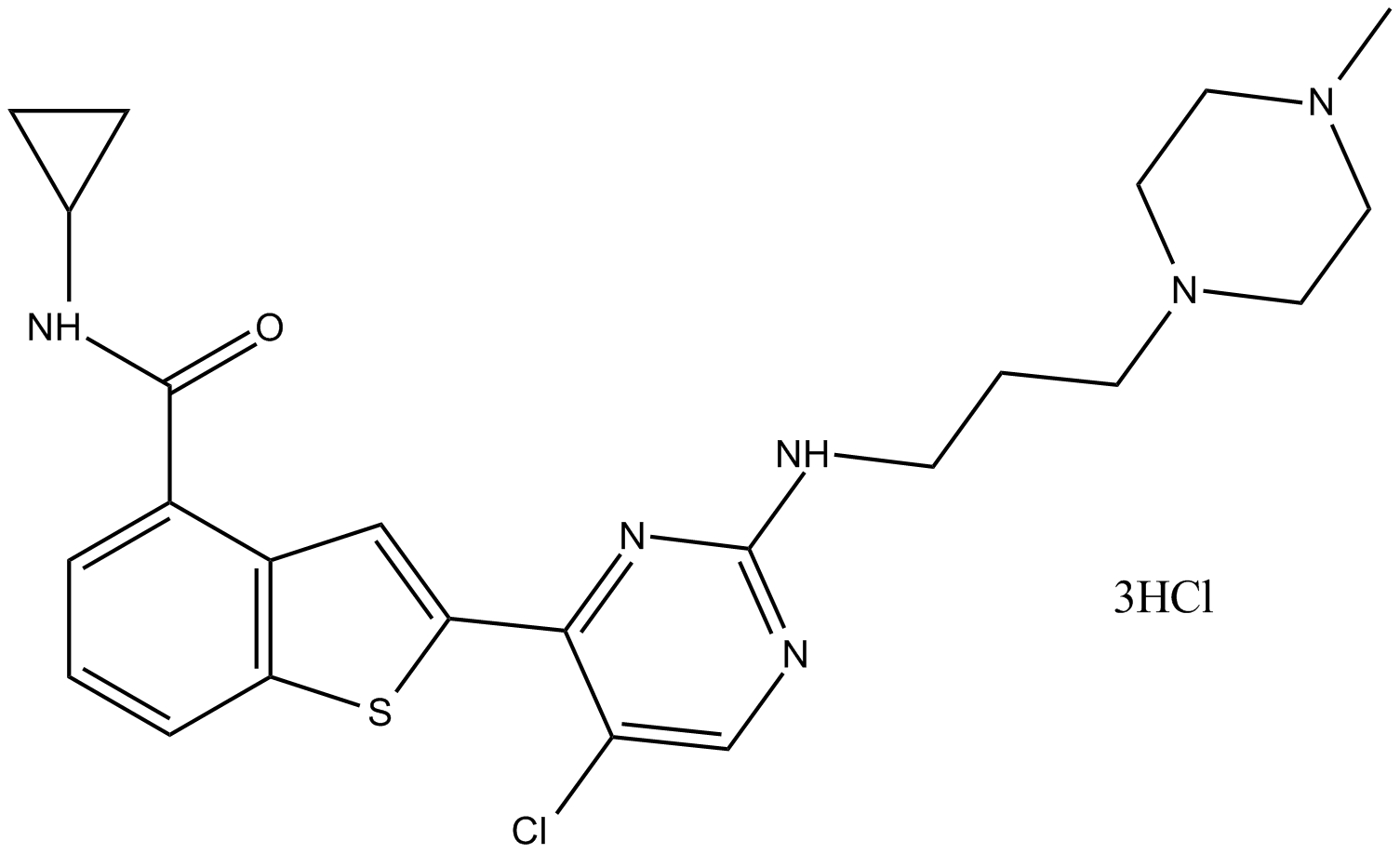 B4986 LY2409881Summary: potent and selective IKK2 inhibitor
 -
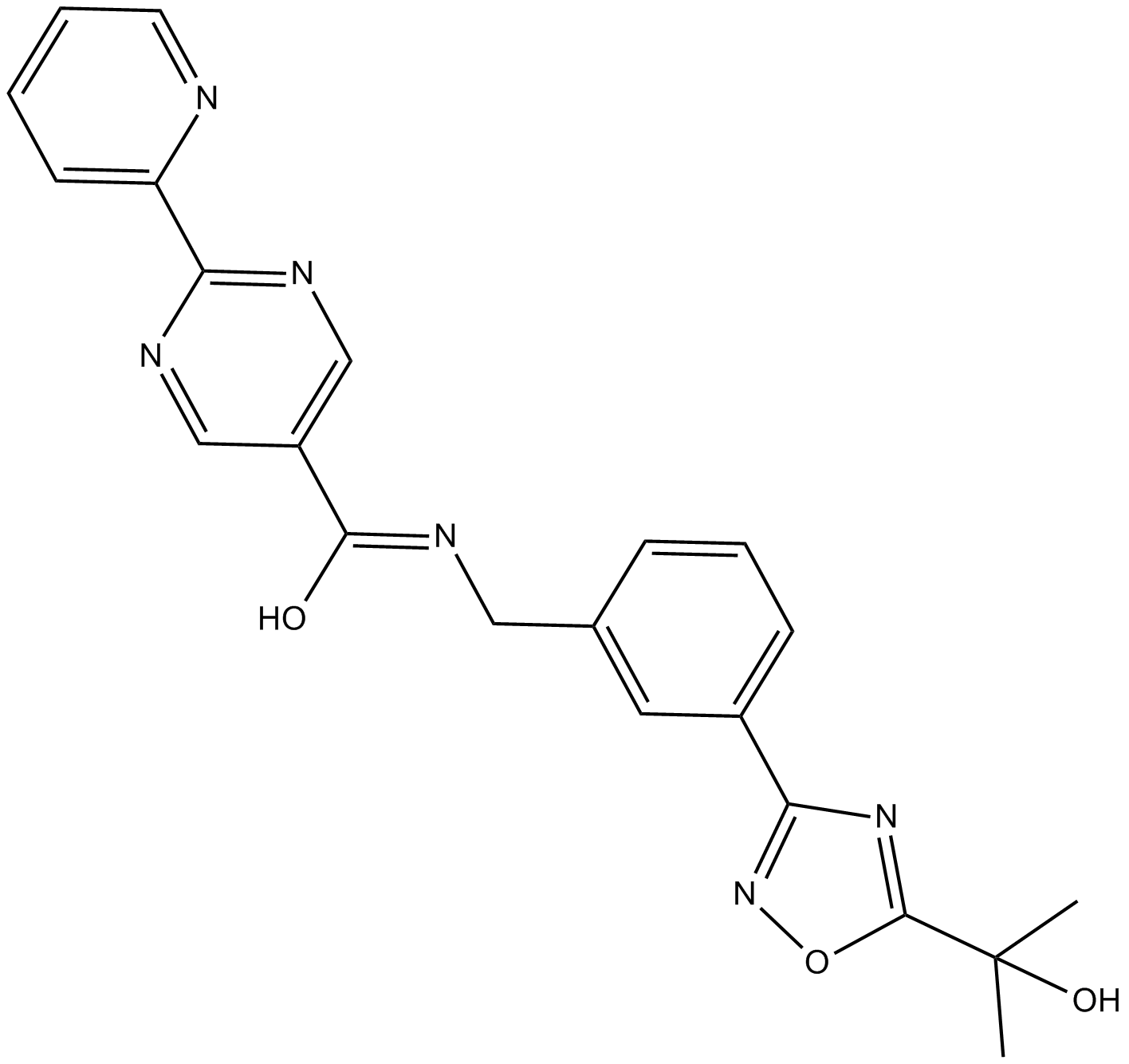 B5840 SAR191801Summary: hPGDS inhibitor
 -
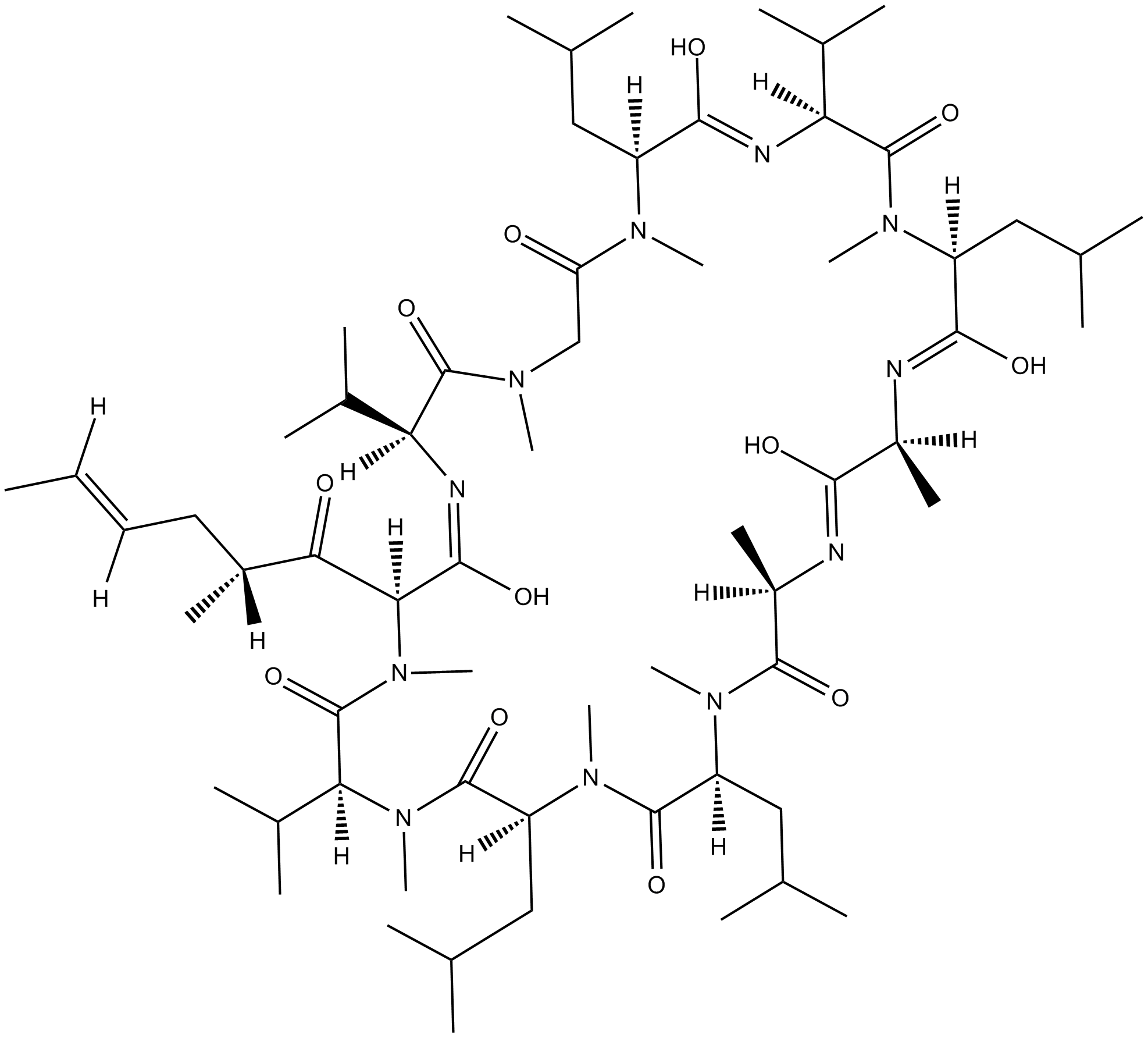 B5915 Cyclosporin DSummary: An immunosuppressive agent
 -
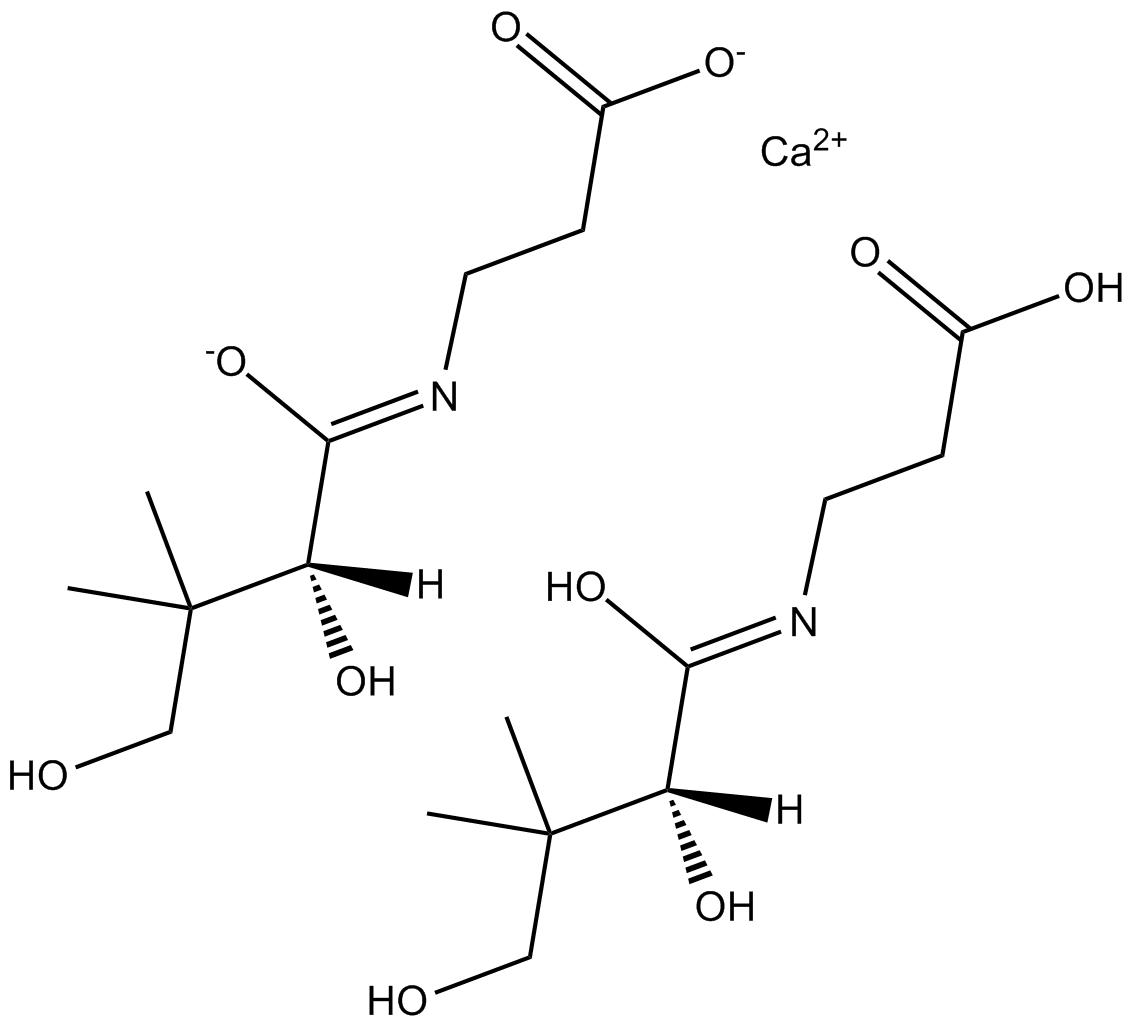 B5995 Calcium D-PanthotenateSummary: water-soluble vitamin
 -
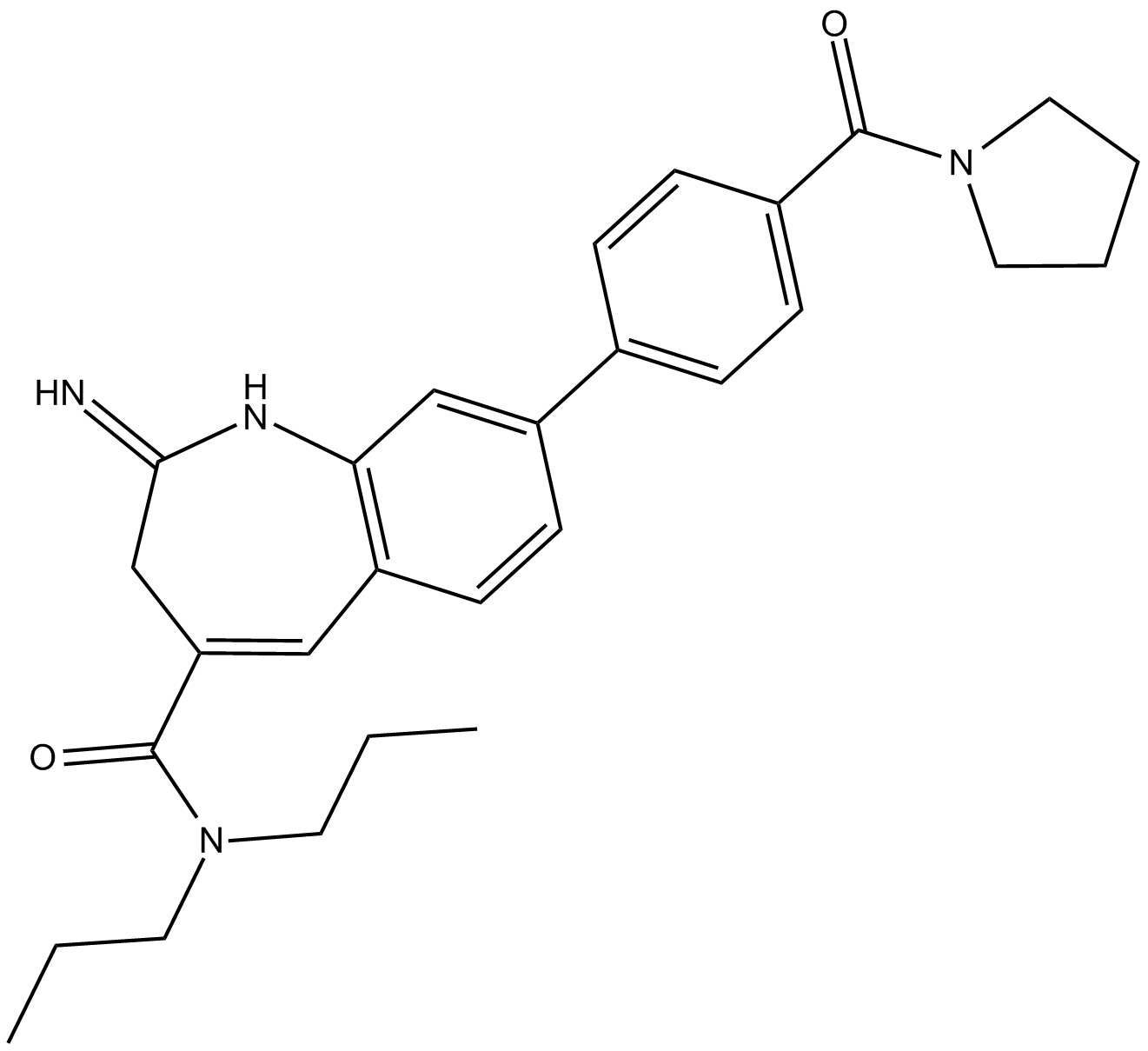 B5996 Motolimod (VTX-2337)Target: Toll-like receptors (TLRs)Summary: TLR8 agonist
 -
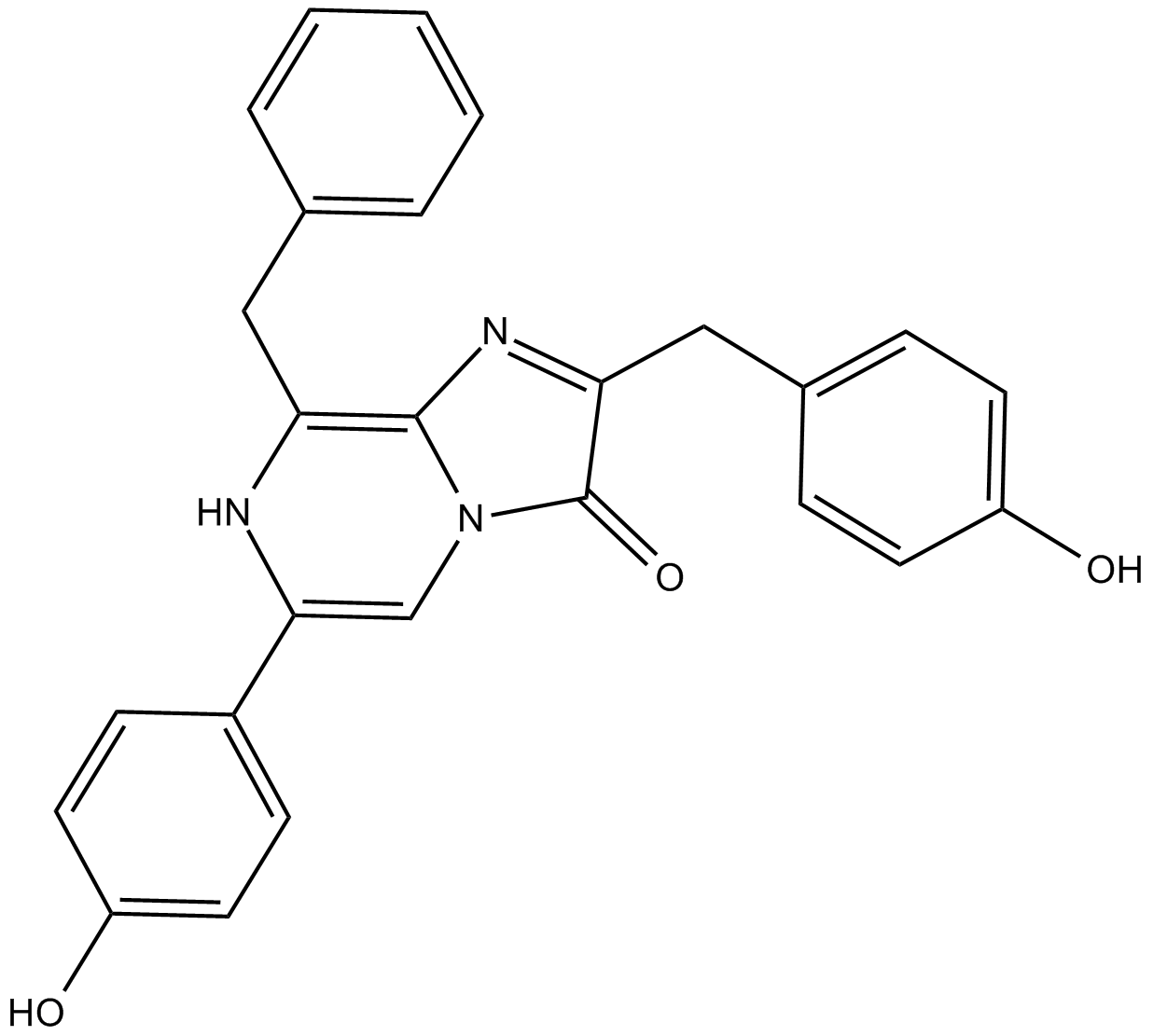 B6010 Coelenterazine1 CitationSummary: luminescent enzyme substrate