


GPCR/G protein
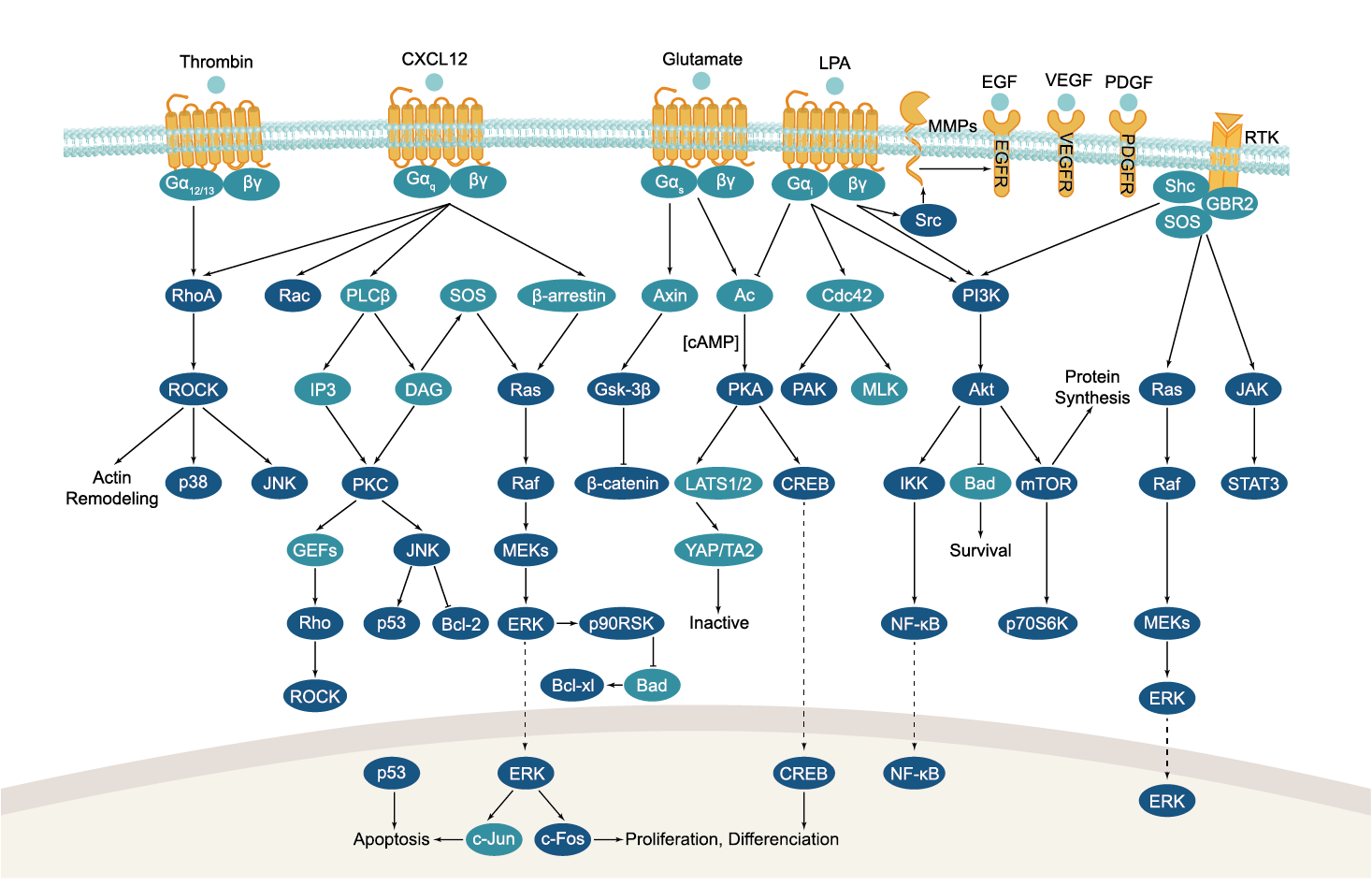
All GPCRs share a common seven trans-membrane structure. GPCRs are associated with heterotrimeric G-proteins which are GTP-binding proteins made of alpha, beta, and gamma subunits. When a ligand binds to GPCR, it activates the attached G-protein, the GDP is replaced with GTP. The activated G-protein then dissociates into an alpha and a beta-gamma complex which activates downstream signaling pathways. These intracellular signaling pathways include cAMP/PKA, calcium/NFAT, phospholipase C, protein tyrosine kinases, MAP kinases, PI-3-kinase, nitric oxide/cGMP, Rho, and JAK/STAT.
GPCRs are one of the most important therapeutic targets for various diseases, over 30% of all modern medicinal drugs target this family. Aberrant GPCR functions are involved in pathological conditions such as neurological, immunological and hormonal disorders. A large number of GPCRs have been identified, but whose ligands are not known, are classified as orphan receptors.
-
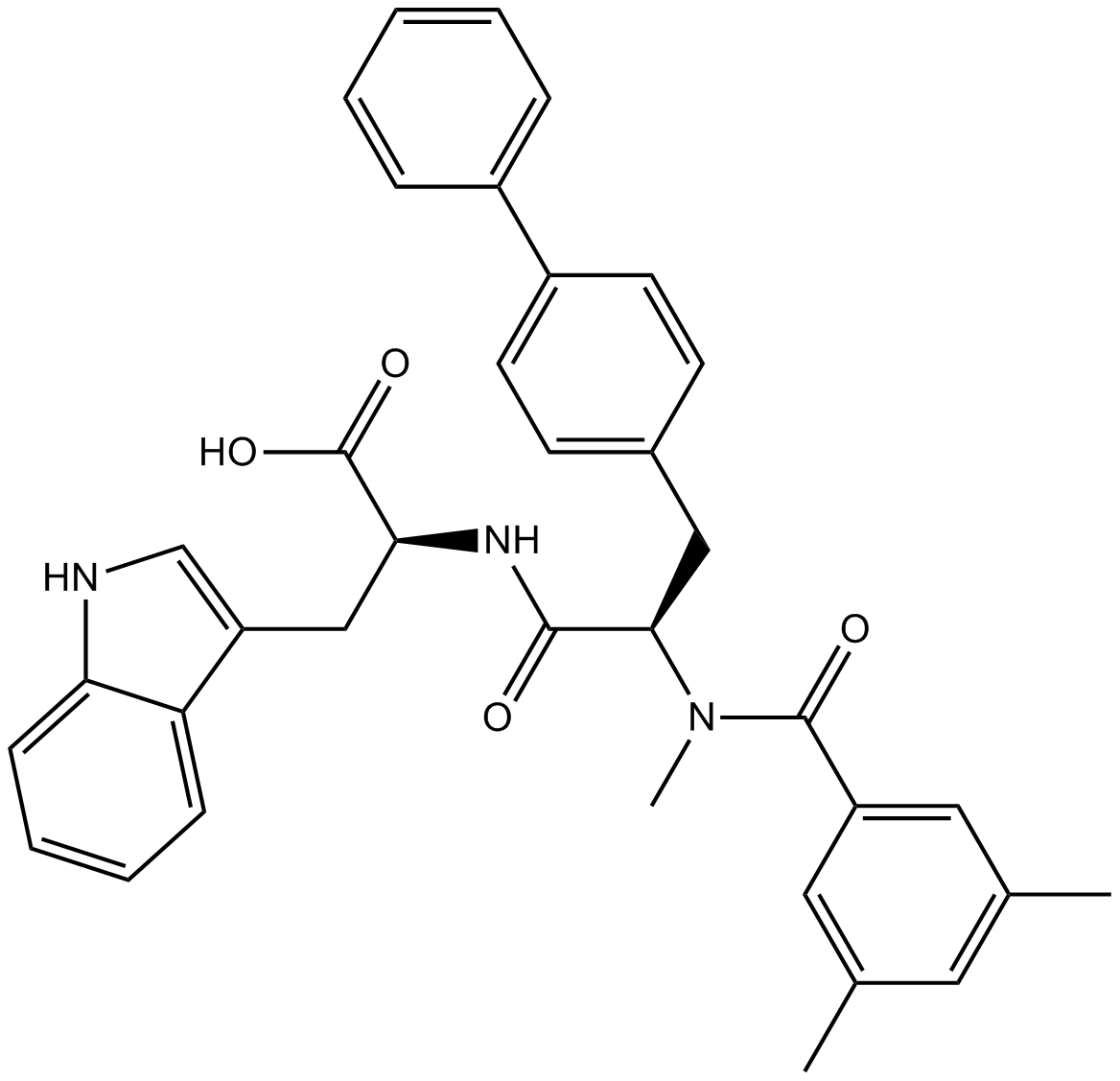 B6872 IRL-2500Target: ETA Receptors|ETB ReceptorsSummary: endothelin receptor antagonist
 -
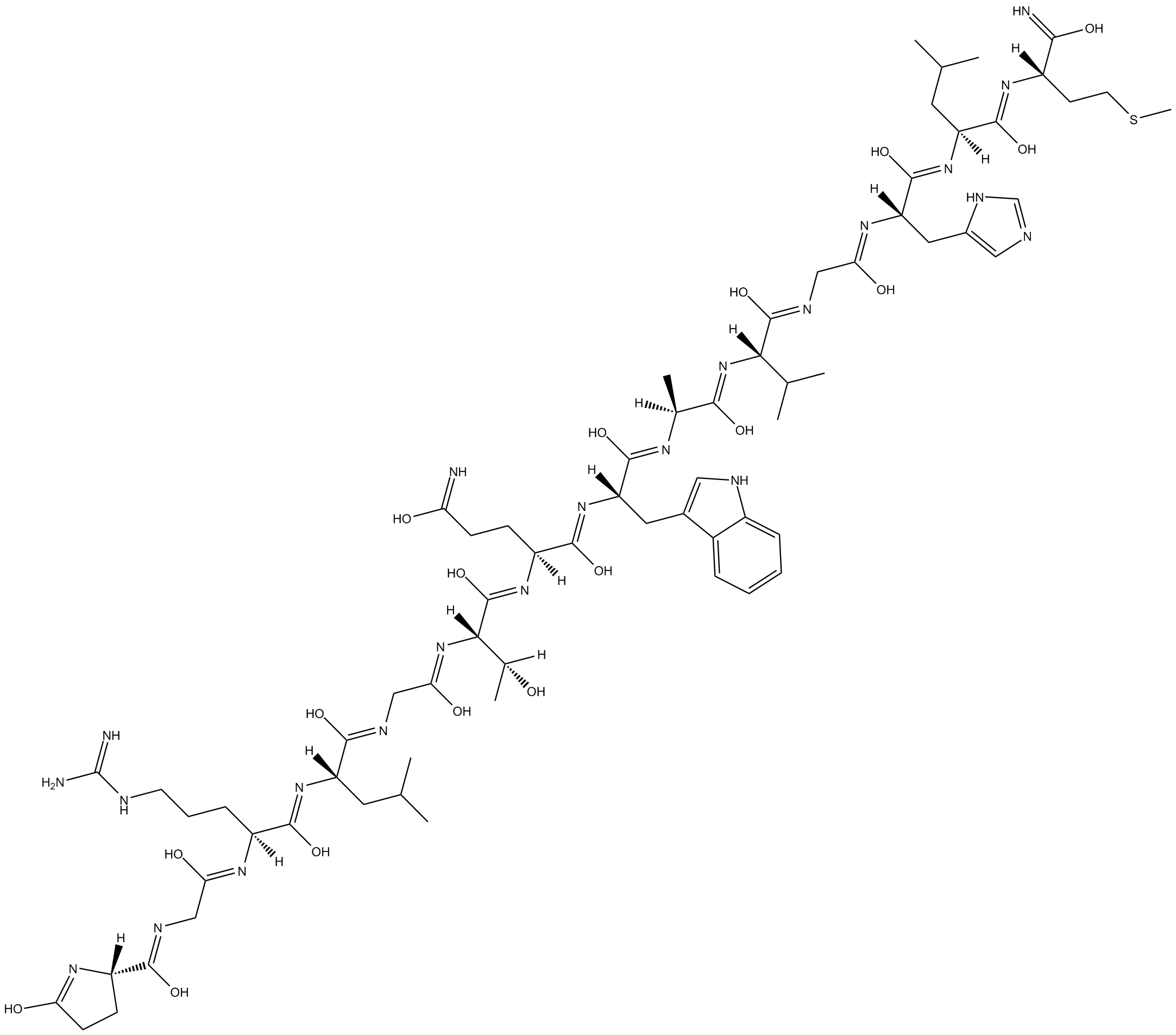 B6886 AlytesinSummary: Amphibian bombesin-like peptide
 -
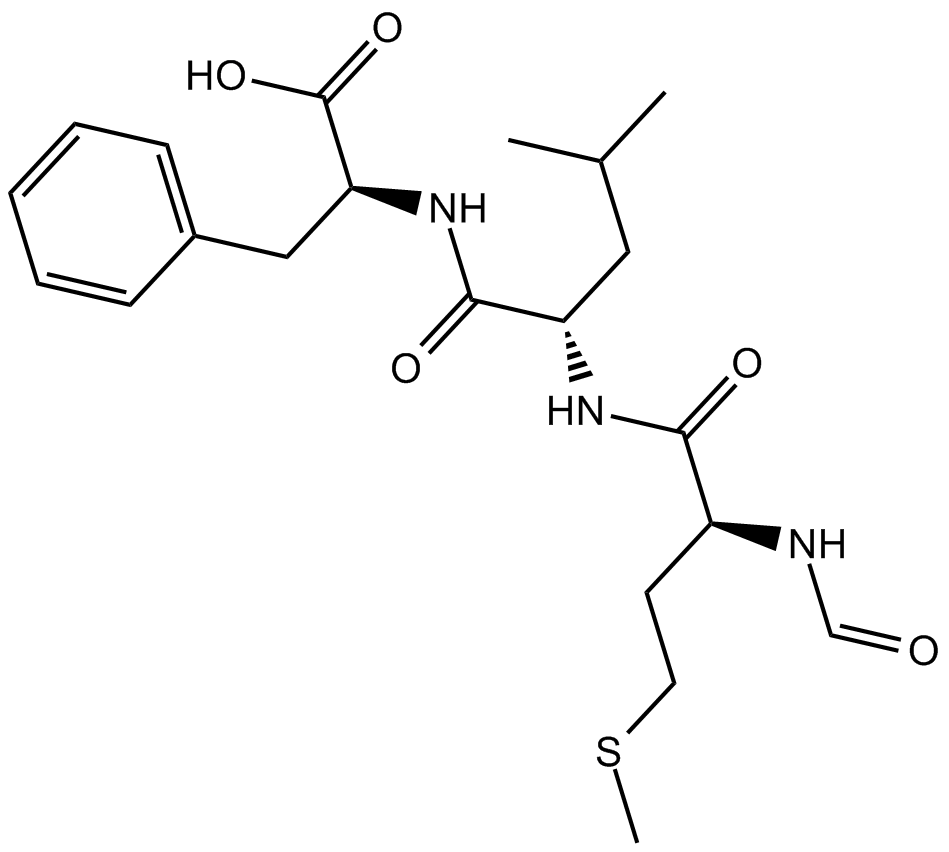 B6888 N-Formyl-Met-Leu-PheSummary: formyl peptide receptor 1 (FPR1) agonist
 -
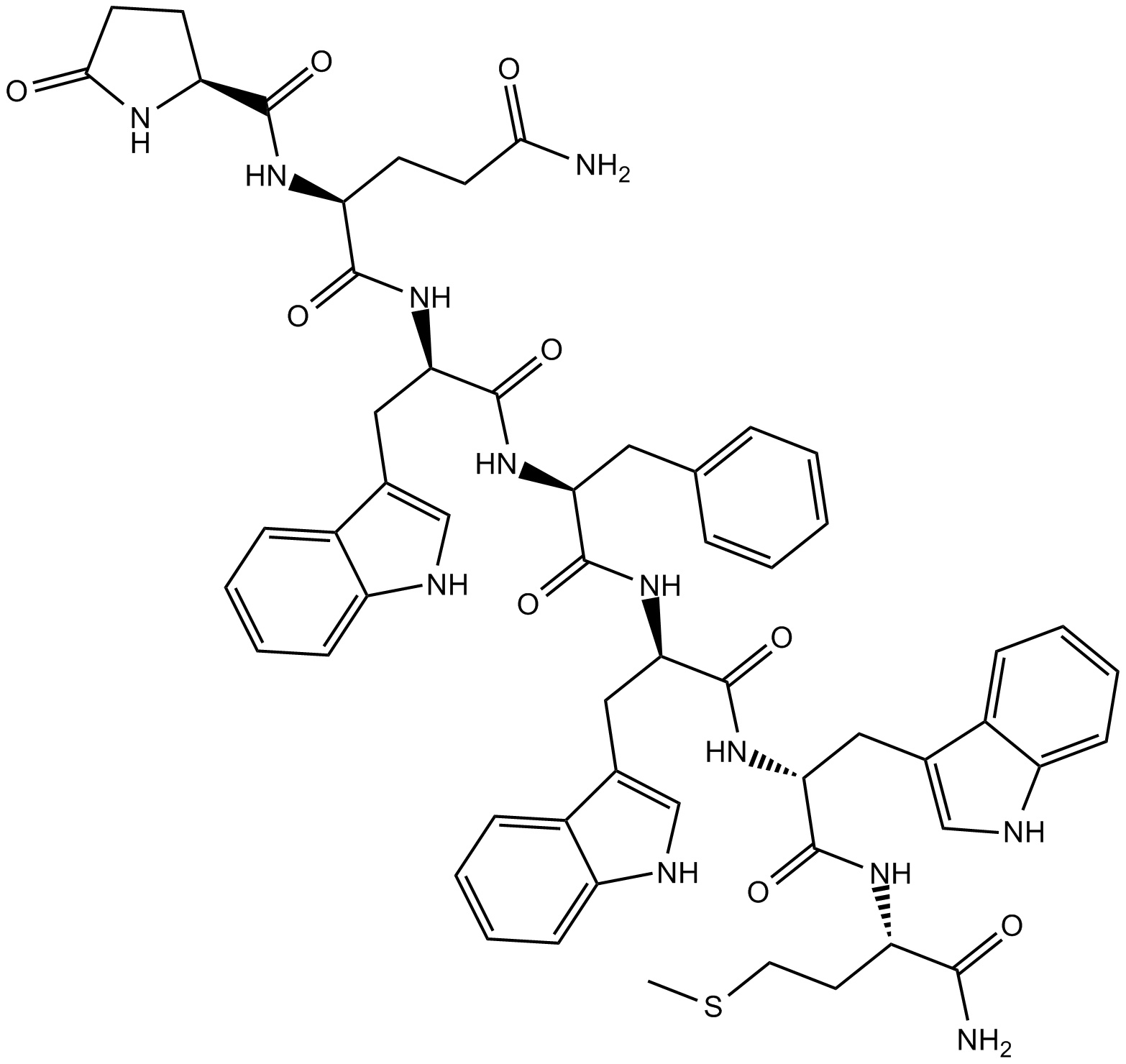 B6889 G-Protein antagonist peptideSummary: Inhibits G protein activation by GPCRs
 -
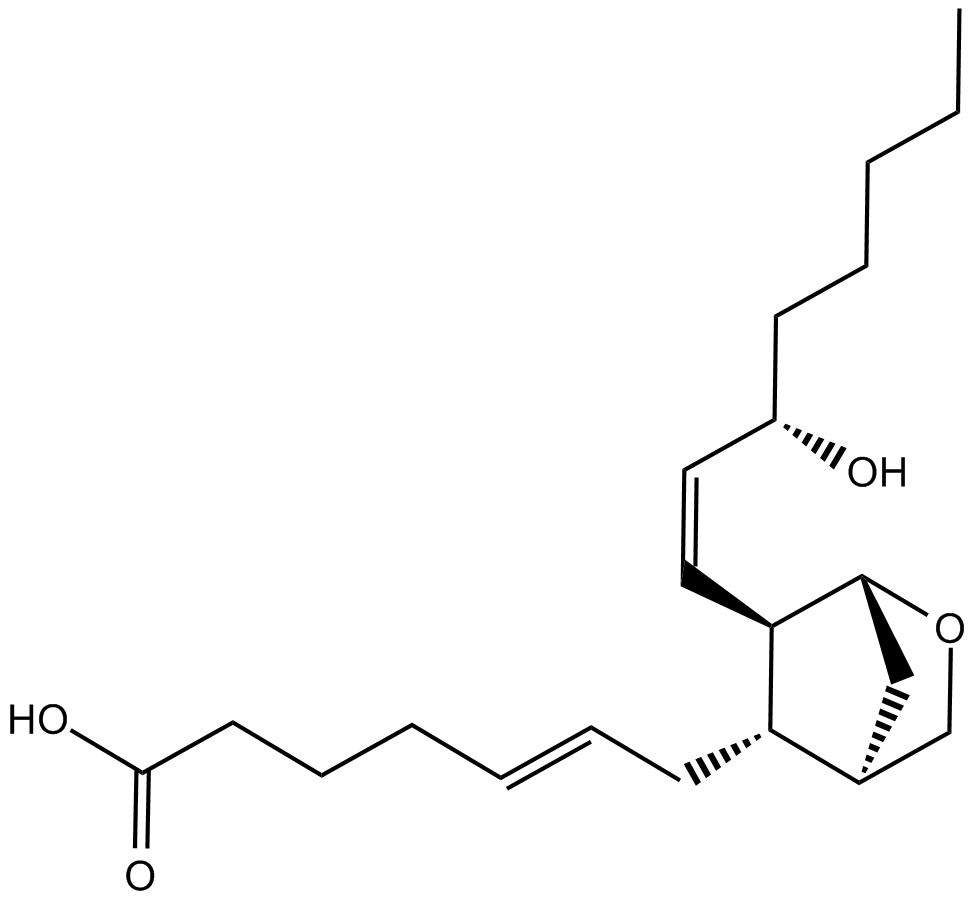 B6890 U 4661913 CitationSummary: selective agonist of prostaglandin H2 (PGH2)/thromboxane A2 (TxA2) (TP) receptor
 -
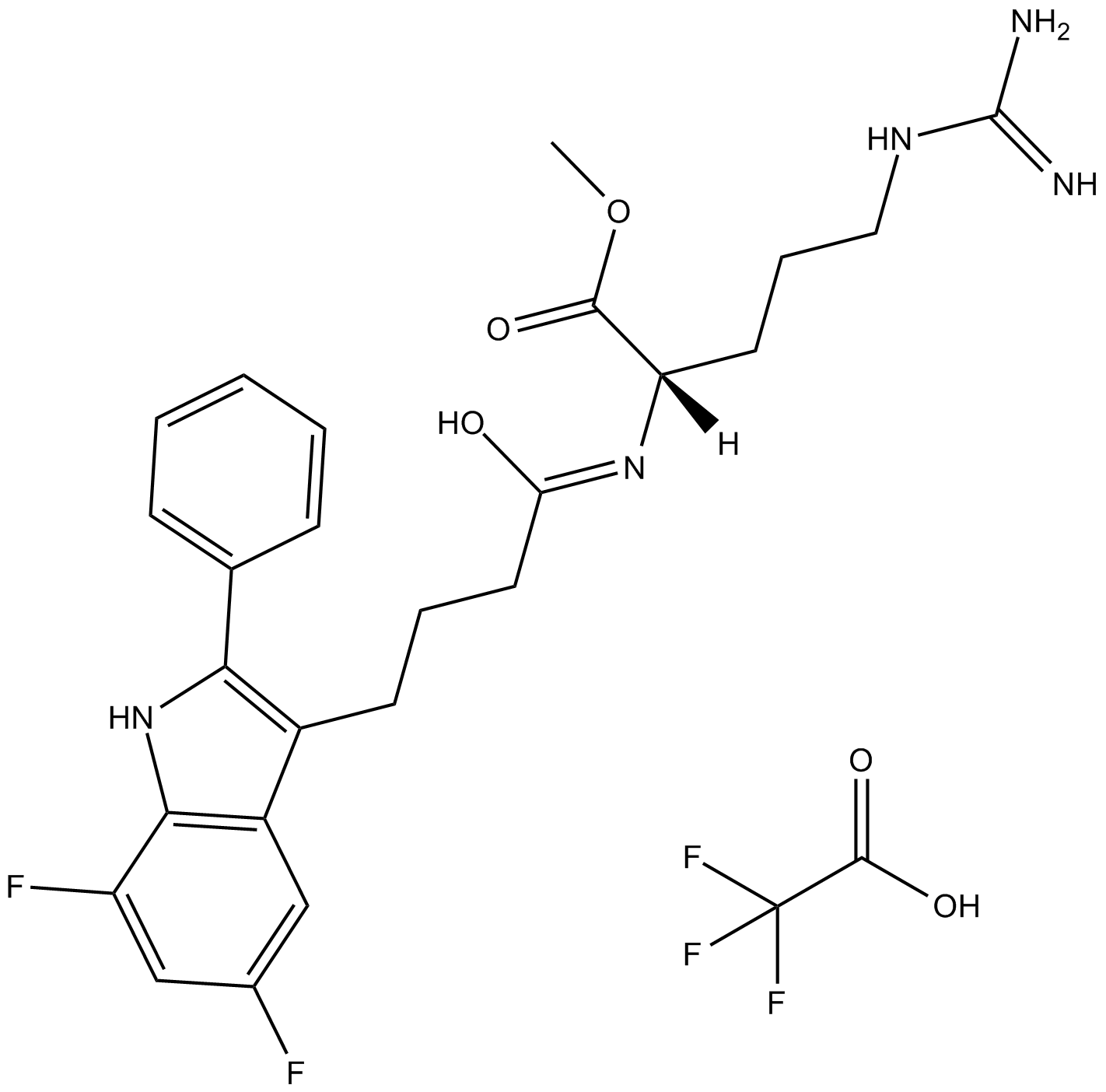 B6904 L-803,087 trifluoroacetateSummary: somatostatin sst4 receptor agonist
 -
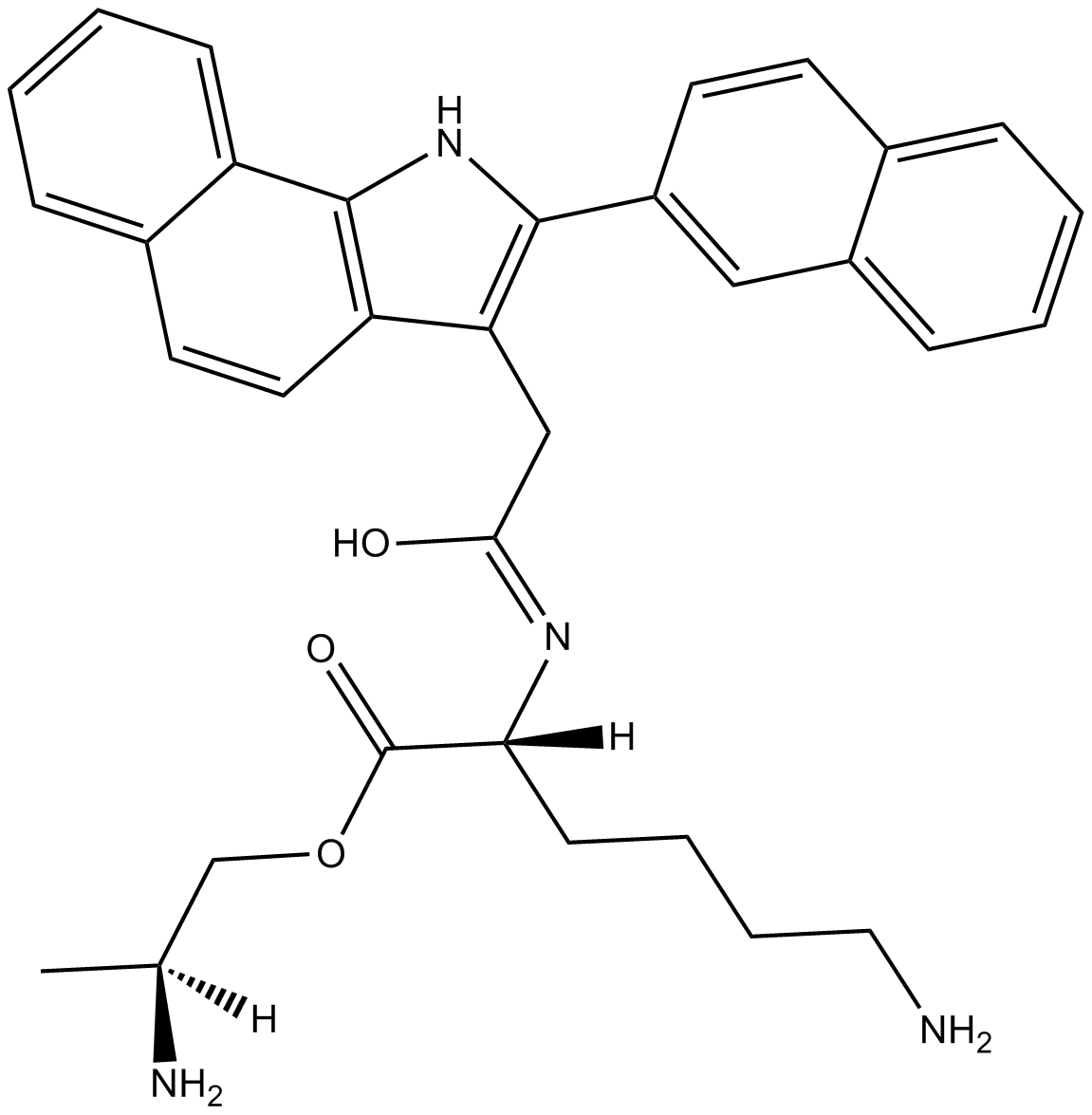 B6905 L-817,818Summary: somatostatin sst5 receptor agonist
 -
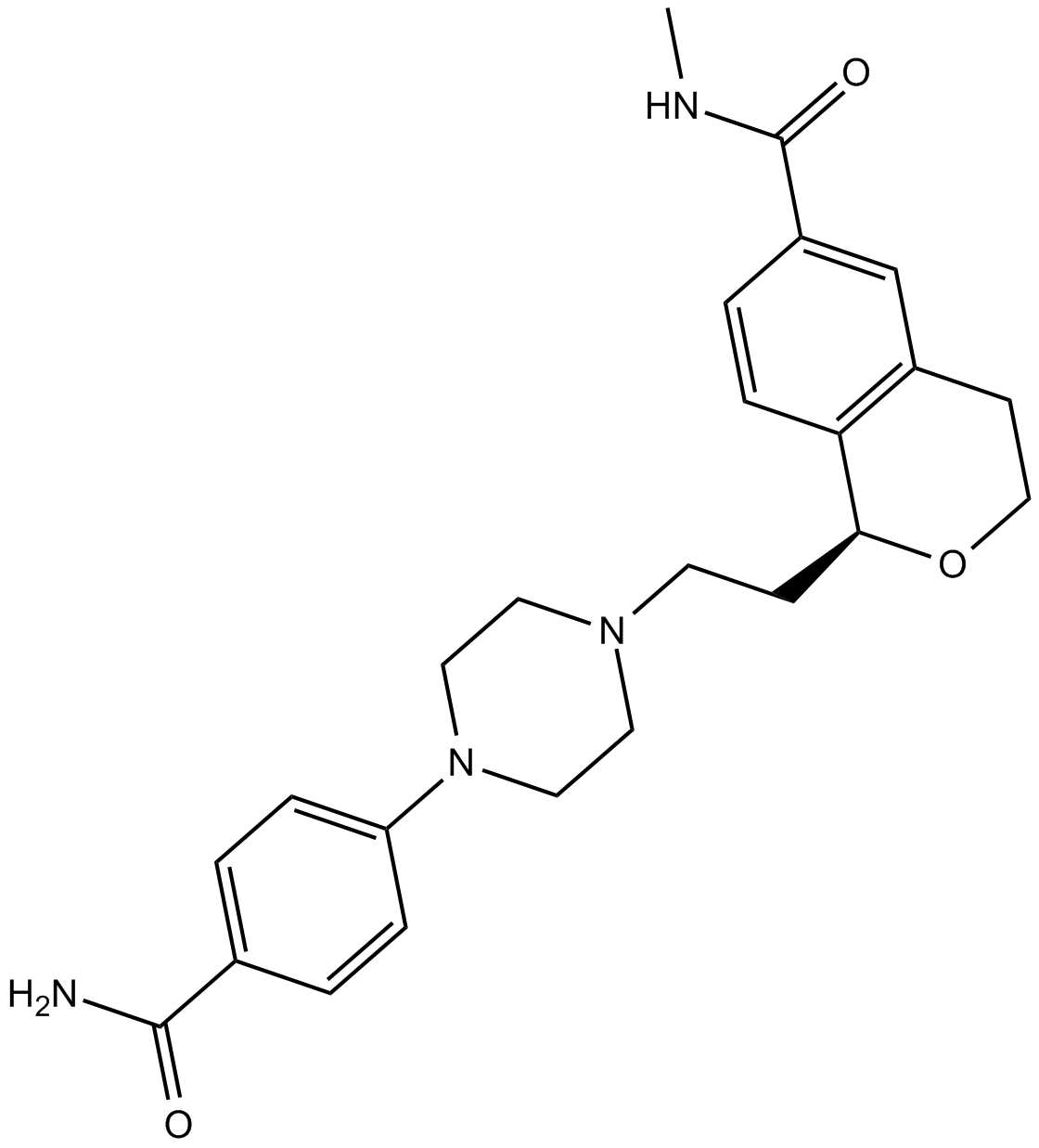 B6906 PNU 142633Summary: 5-HT1D receptor agonist
 -
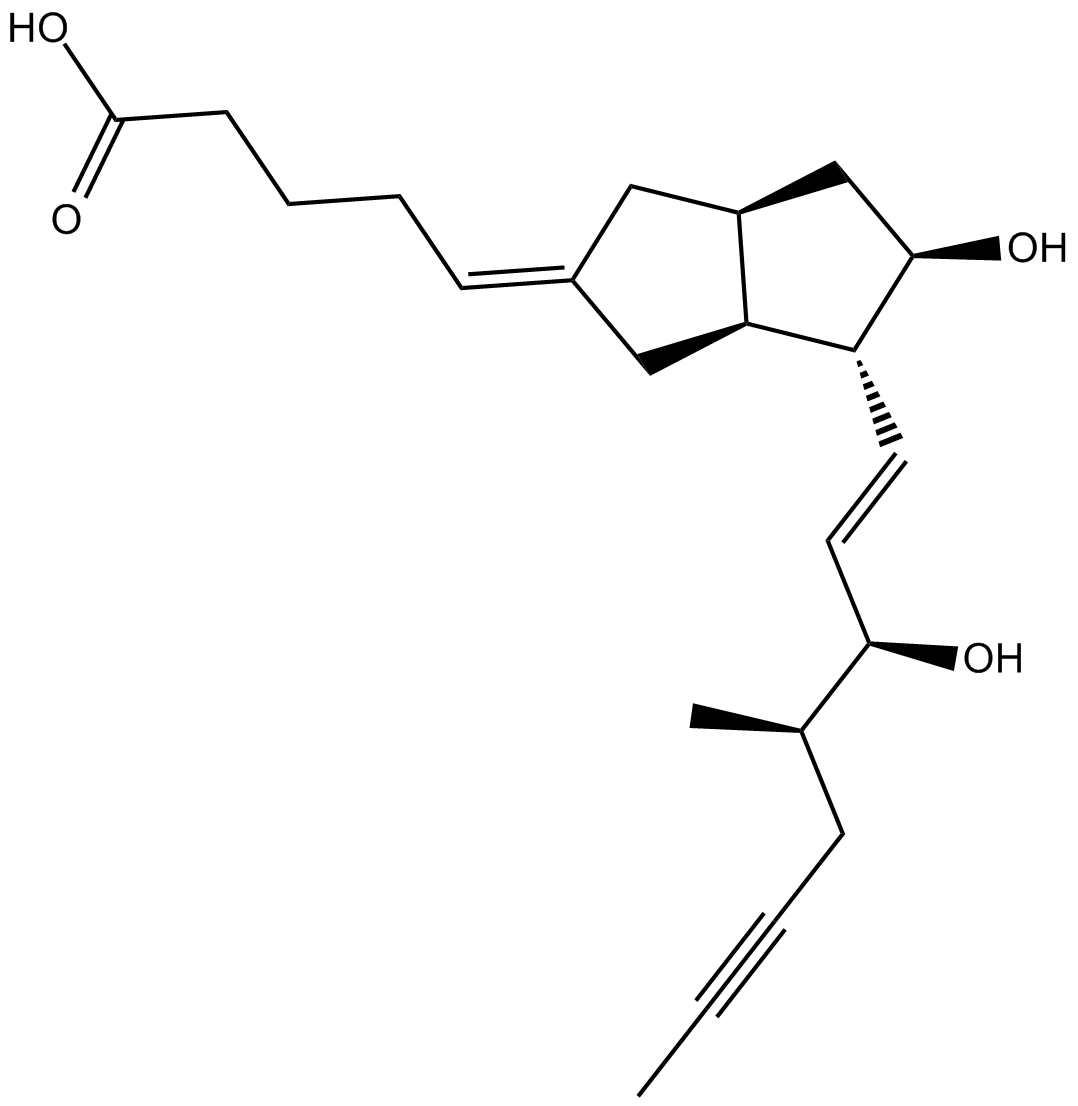 B6933 IloprostSummary: A prostacyclin (PGI2) analog acting as an agonist of IP, EP1 and EP3 receptors
 -
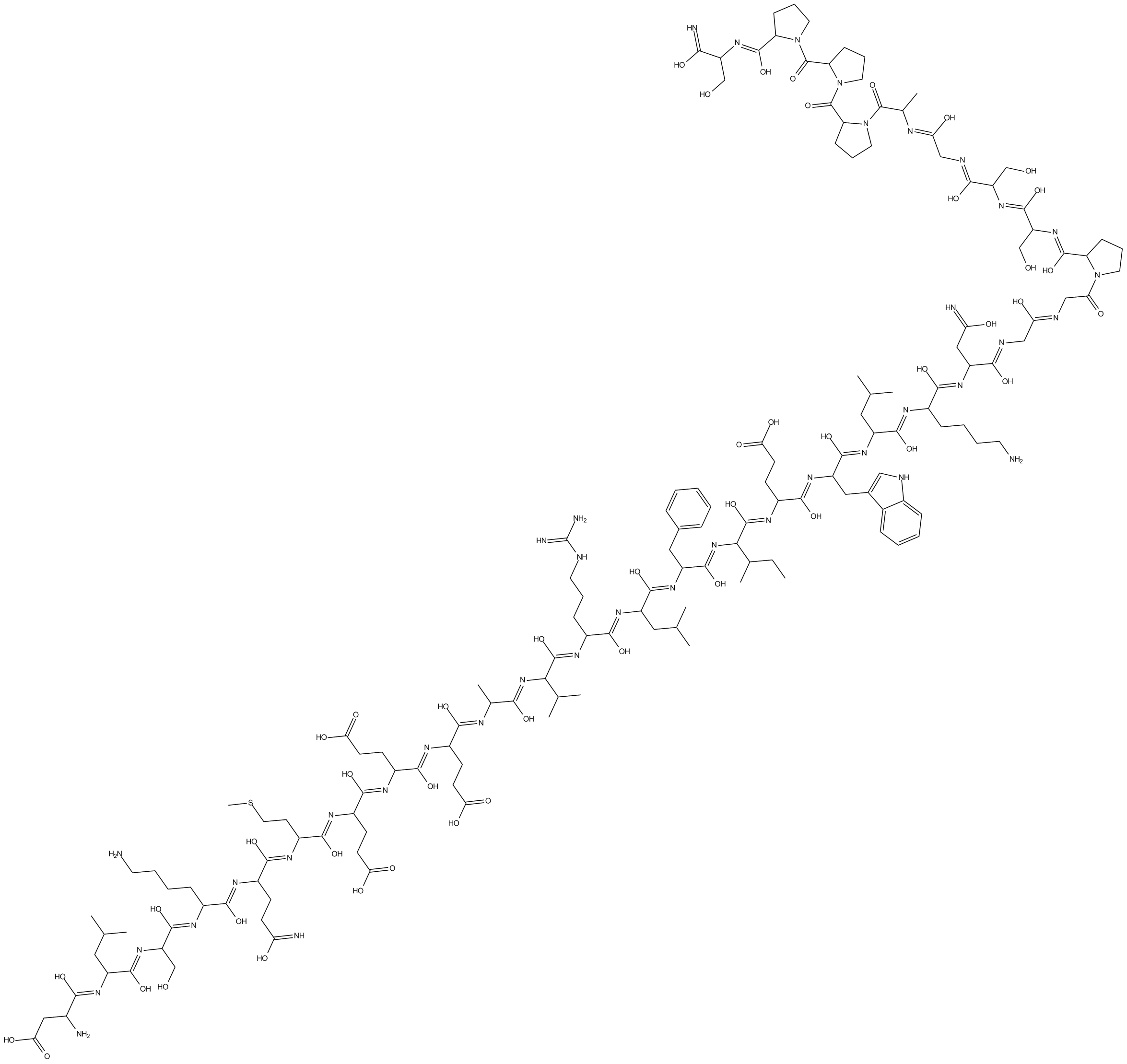 B6943 Exendin-3 (9-39) amide1 CitationTarget: Glucagon-like peptide 1 (GLP-1) receptorsSummary: GLP-1 receptor antagonist