


GPCR/G protein
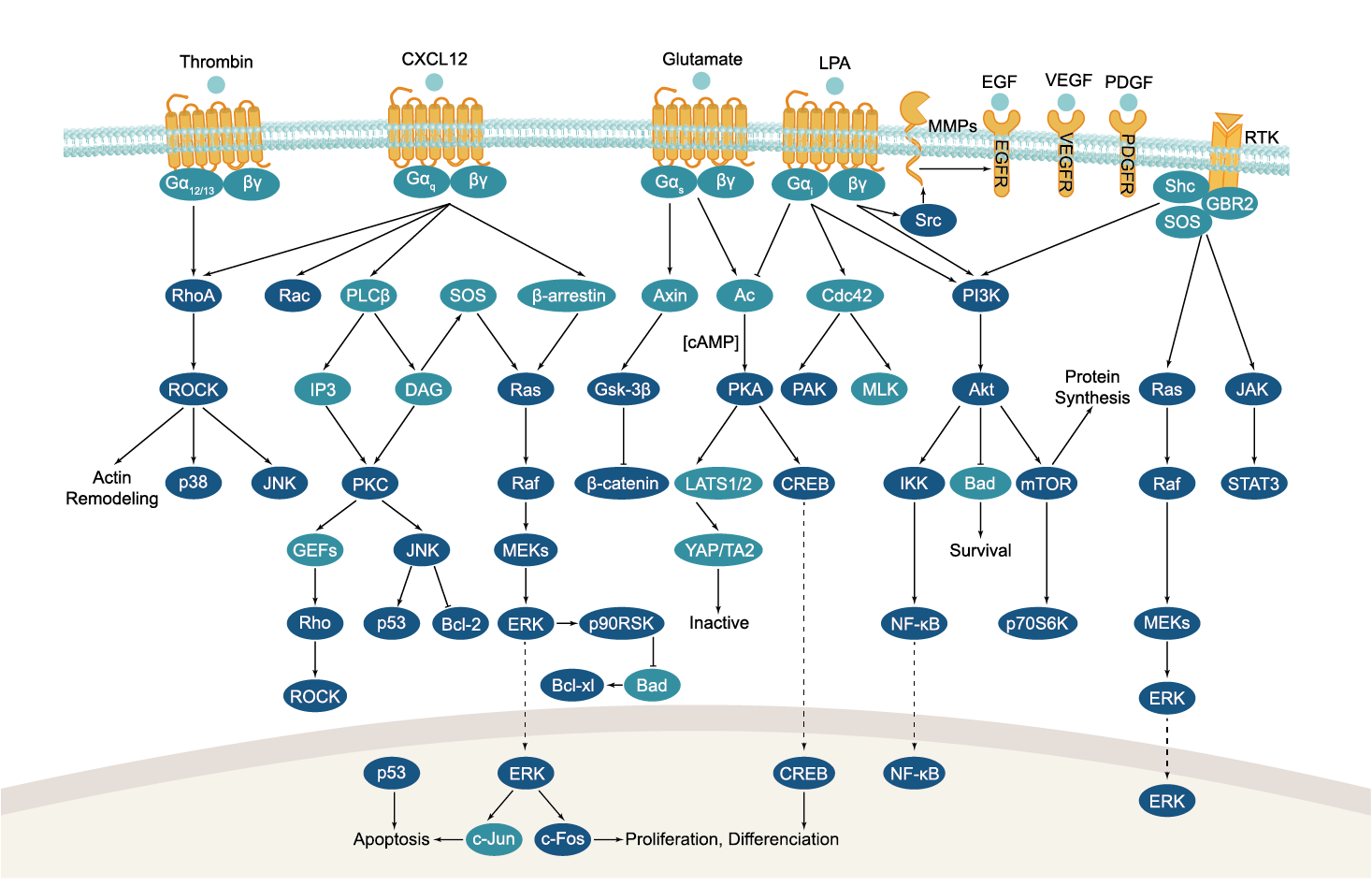
All GPCRs share a common seven trans-membrane structure. GPCRs are associated with heterotrimeric G-proteins which are GTP-binding proteins made of alpha, beta, and gamma subunits. When a ligand binds to GPCR, it activates the attached G-protein, the GDP is replaced with GTP. The activated G-protein then dissociates into an alpha and a beta-gamma complex which activates downstream signaling pathways. These intracellular signaling pathways include cAMP/PKA, calcium/NFAT, phospholipase C, protein tyrosine kinases, MAP kinases, PI-3-kinase, nitric oxide/cGMP, Rho, and JAK/STAT.
GPCRs are one of the most important therapeutic targets for various diseases, over 30% of all modern medicinal drugs target this family. Aberrant GPCR functions are involved in pathological conditions such as neurological, immunological and hormonal disorders. A large number of GPCRs have been identified, but whose ligands are not known, are classified as orphan receptors.
-
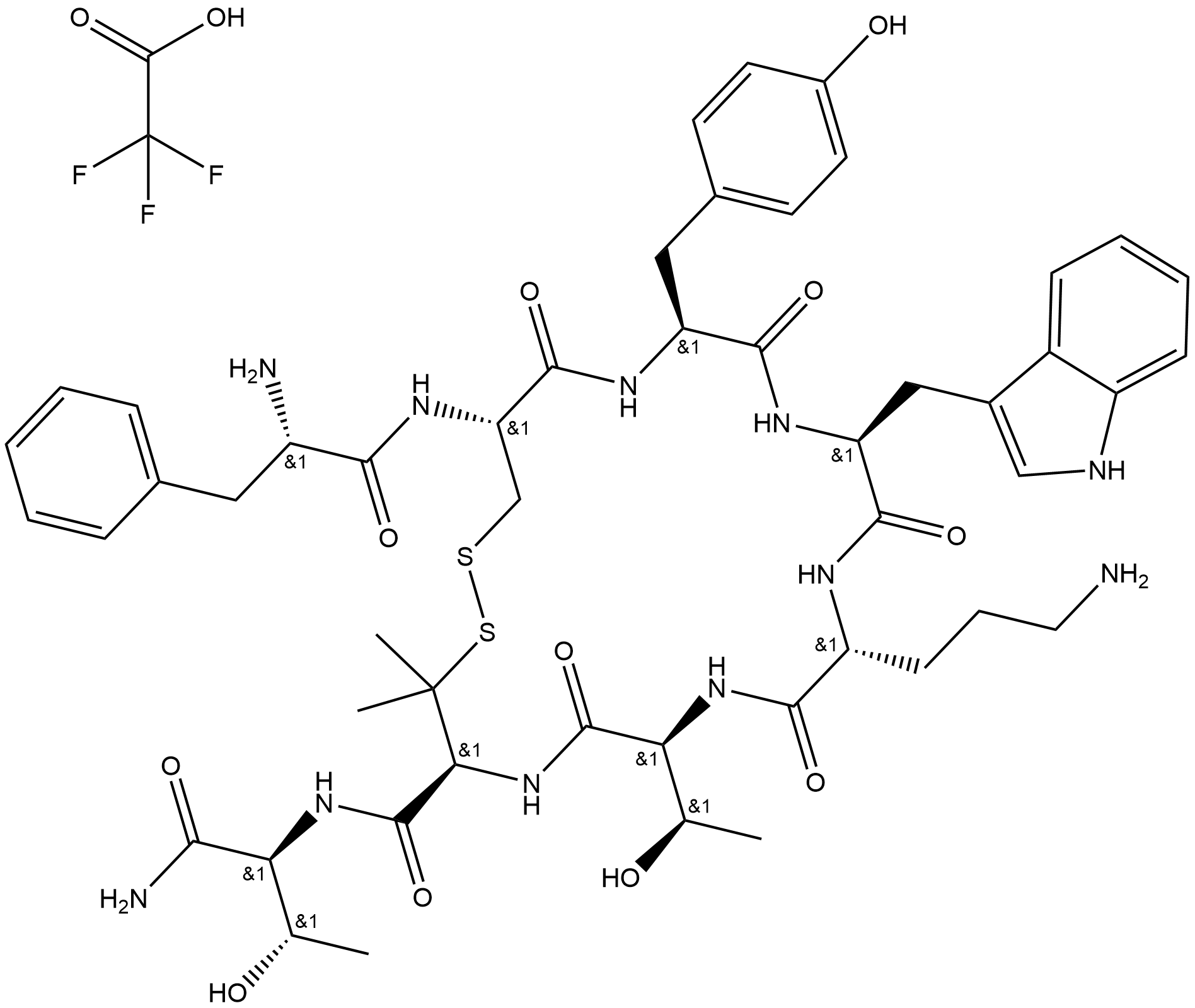 A8975 CTOP TFASummary: A highly selective μ-opioid receptor antagonist for neuropharmacological applications
 -
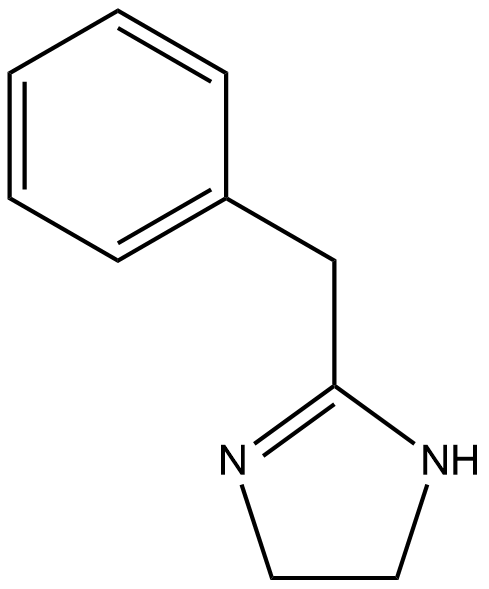 A8991 TolazolineSummary: An α2-adrenergic receptor antagonist
 -
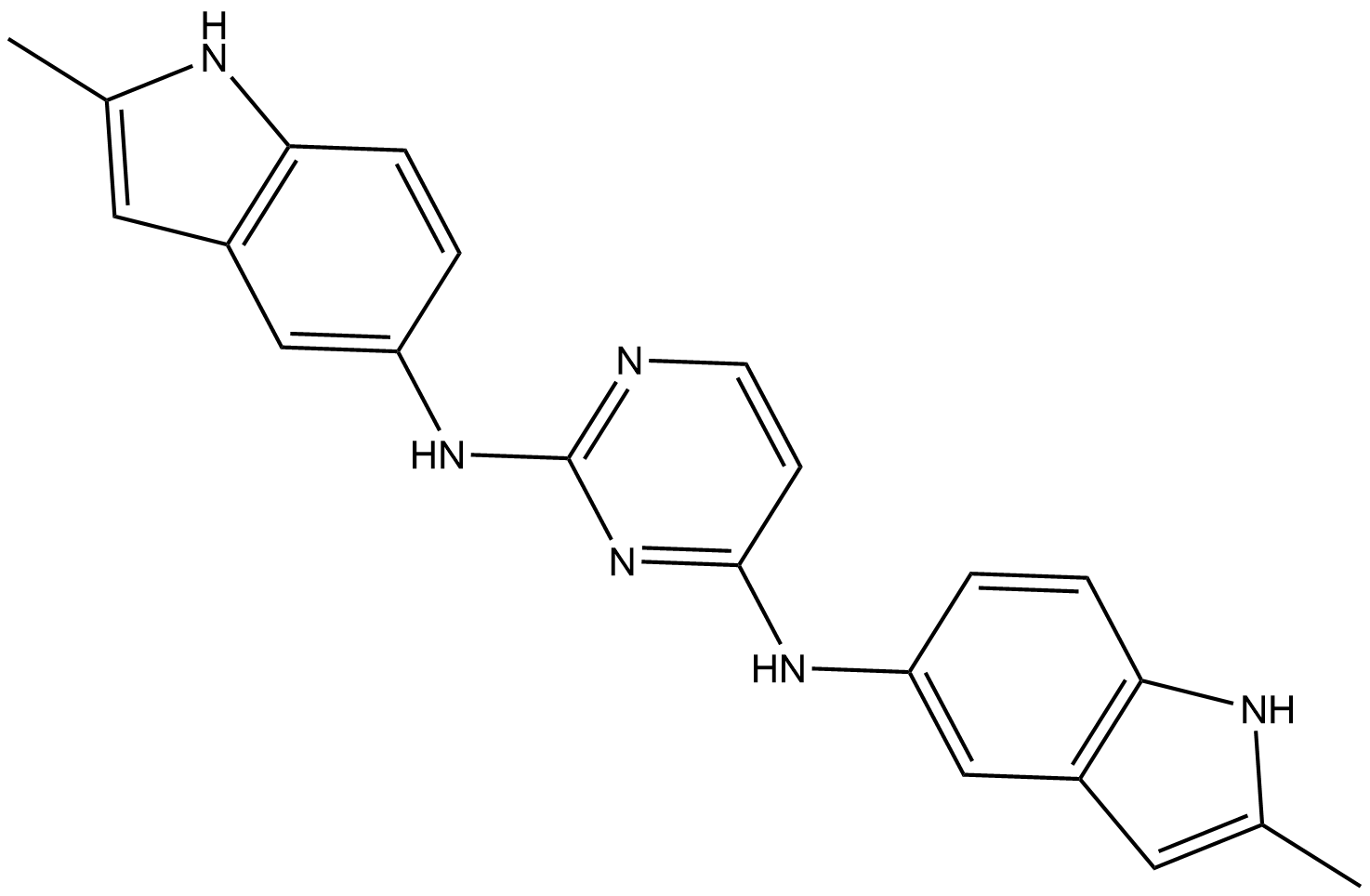 A8999 AZA1
 -
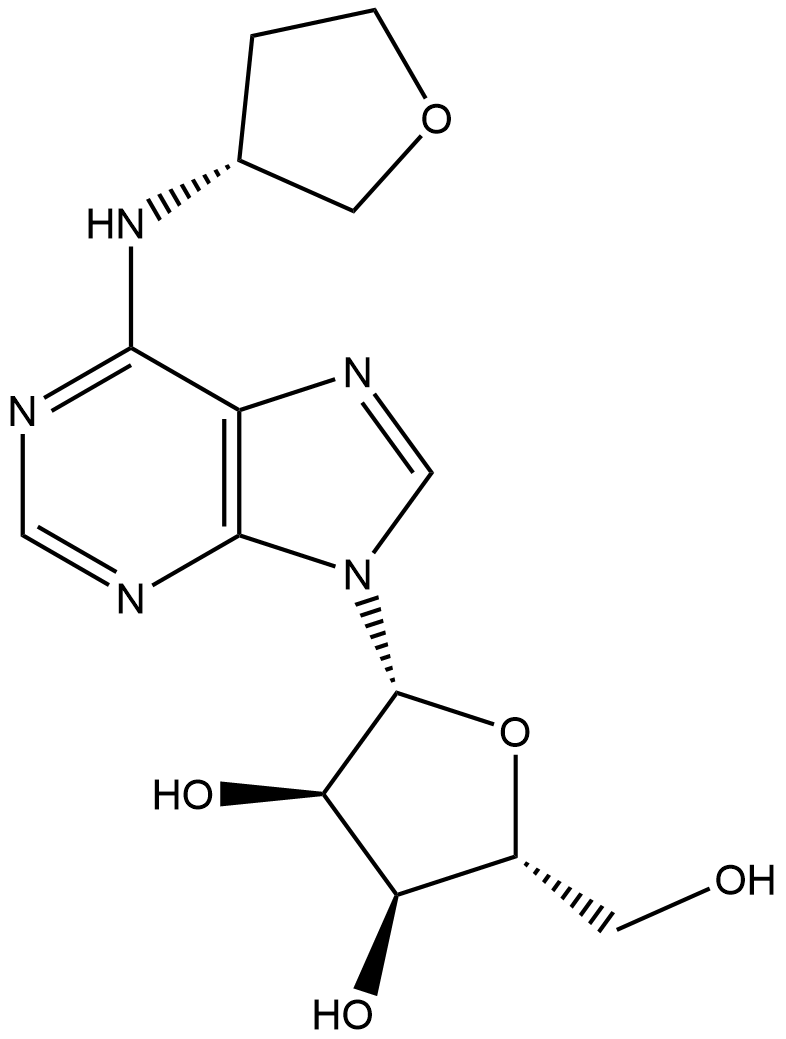 A9025 Tecadenoson (CVT-510)
 -
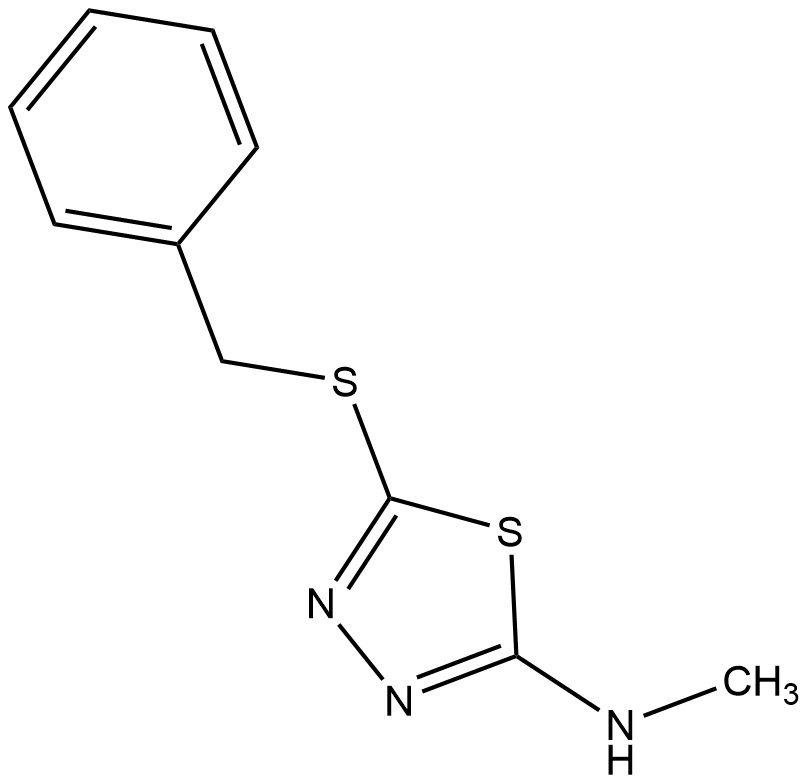 A9037 MS21570Summary: A selective GPR171 antagonist for neurological and metabolic diseases
 -
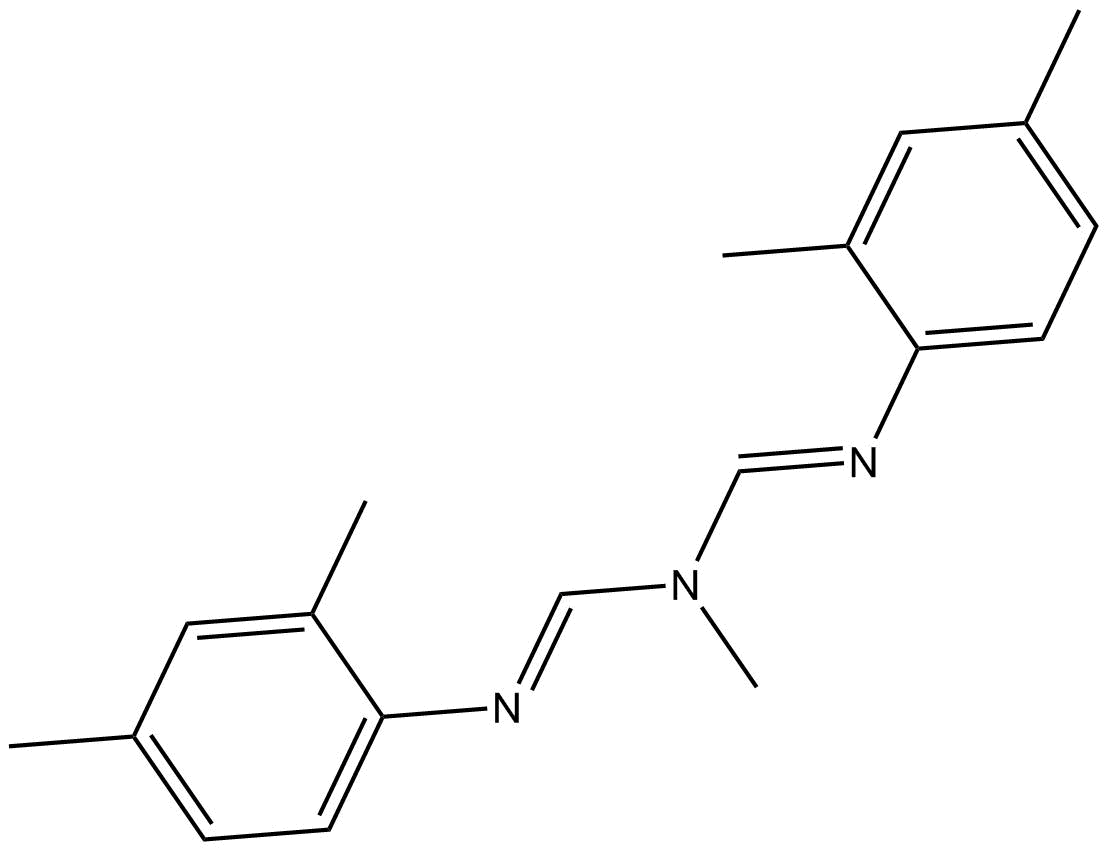 C6542 AmitrazSummary: A nonsystemic insecticidal acaricide for the treatment of mite or tick infections in dogs
 -
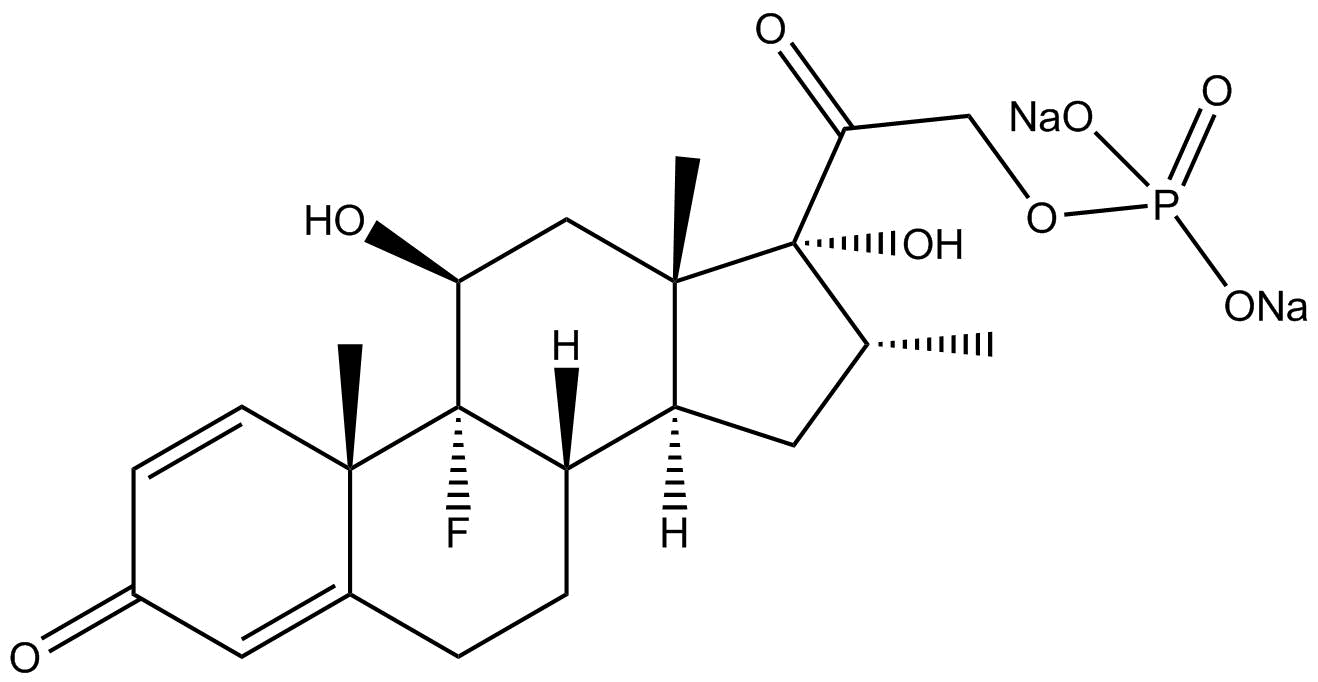 C6550 Dexamethasone phosphate disodiumSummary: An orally active glucocorticoid receptor agonist for immune and inflammatory applications
 -
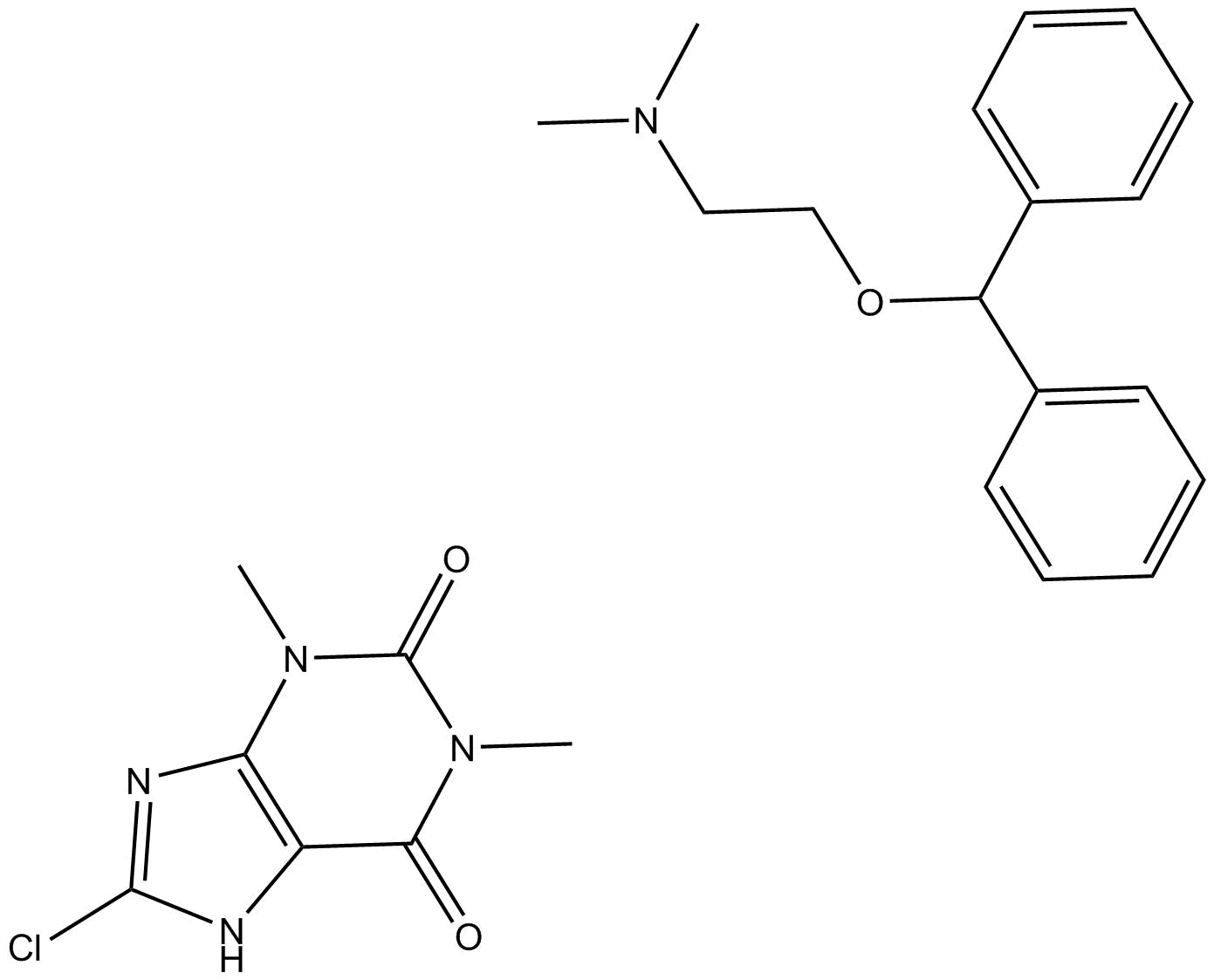 C6570 DimenhydrinateSummary: An H1-antihistamine for preventing nausea, vomiting and dizziness caused by motion sickness
 -
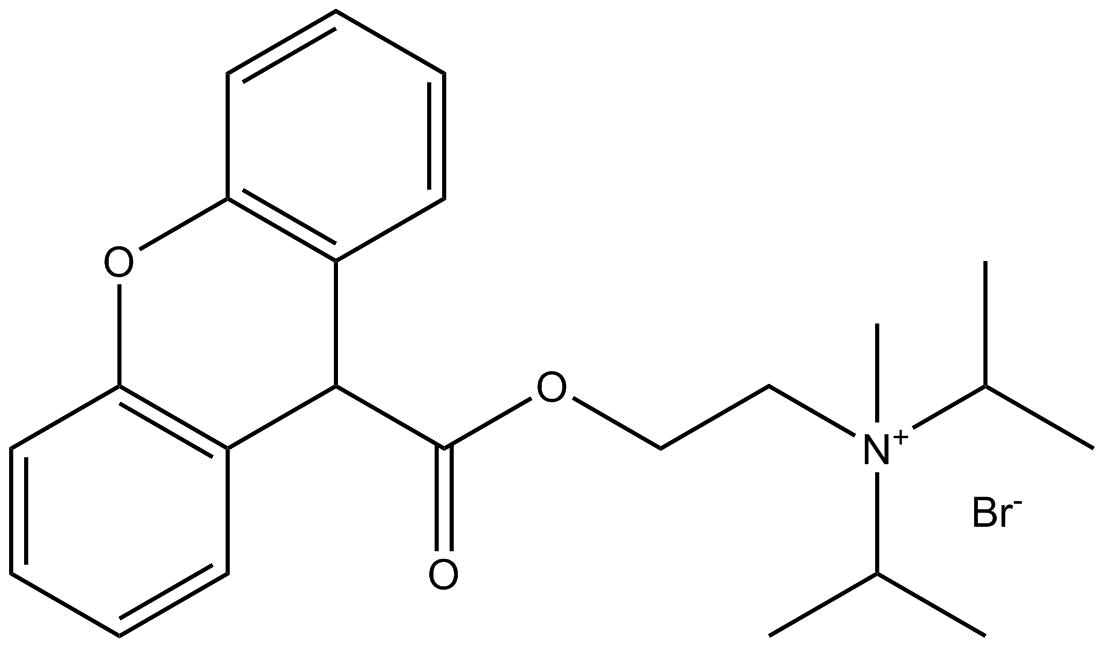 C6594 Propantheline bromideSummary: A muscarinic acetylcholine receptor (mAChR) antagonist that blocks cholinergic signaling for smooth muscle spasm and autonomic dysfunction
 -
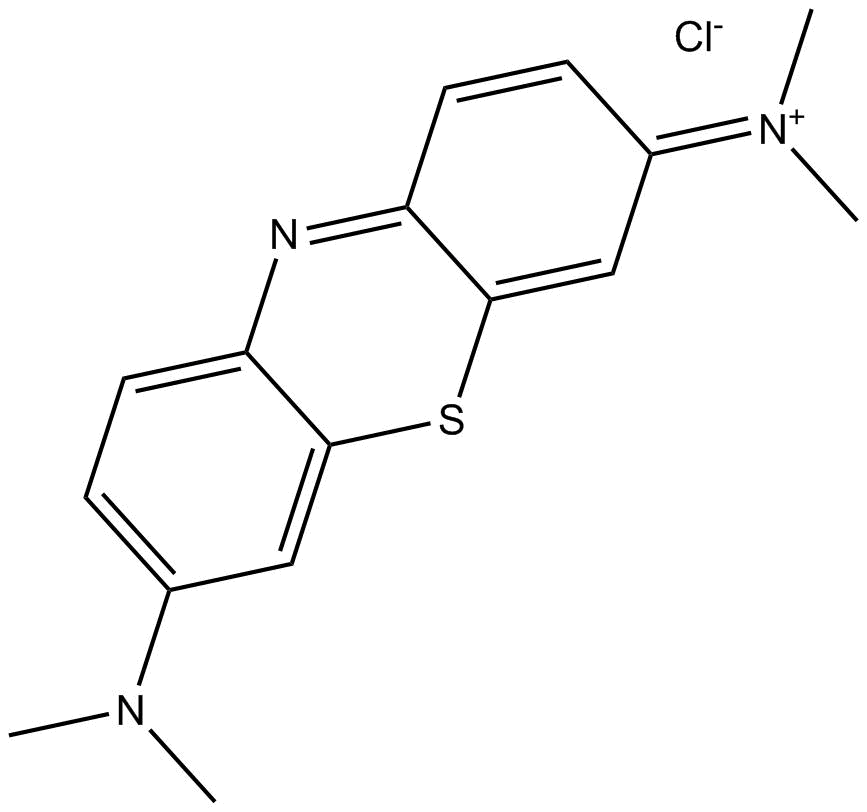 C6646 Methylene Blue1 CitationSummary: A redox agent for the treatment of methemoglobinemia and inhibition of Tau protein aggregation