


GPCR/G protein
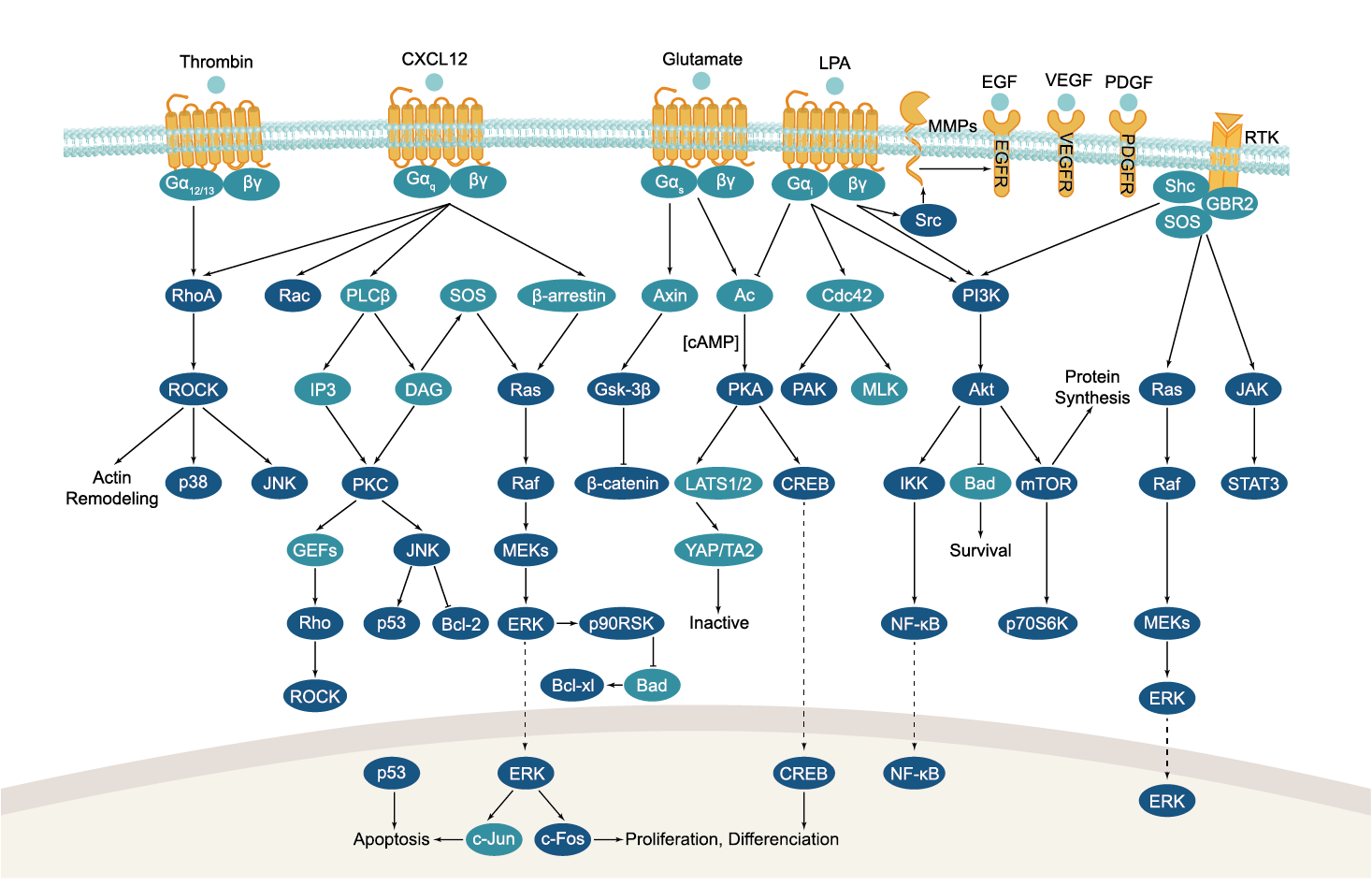
All GPCRs share a common seven trans-membrane structure. GPCRs are associated with heterotrimeric G-proteins which are GTP-binding proteins made of alpha, beta, and gamma subunits. When a ligand binds to GPCR, it activates the attached G-protein, the GDP is replaced with GTP. The activated G-protein then dissociates into an alpha and a beta-gamma complex which activates downstream signaling pathways. These intracellular signaling pathways include cAMP/PKA, calcium/NFAT, phospholipase C, protein tyrosine kinases, MAP kinases, PI-3-kinase, nitric oxide/cGMP, Rho, and JAK/STAT.
GPCRs are one of the most important therapeutic targets for various diseases, over 30% of all modern medicinal drugs target this family. Aberrant GPCR functions are involved in pathological conditions such as neurological, immunological and hormonal disorders. A large number of GPCRs have been identified, but whose ligands are not known, are classified as orphan receptors.
-
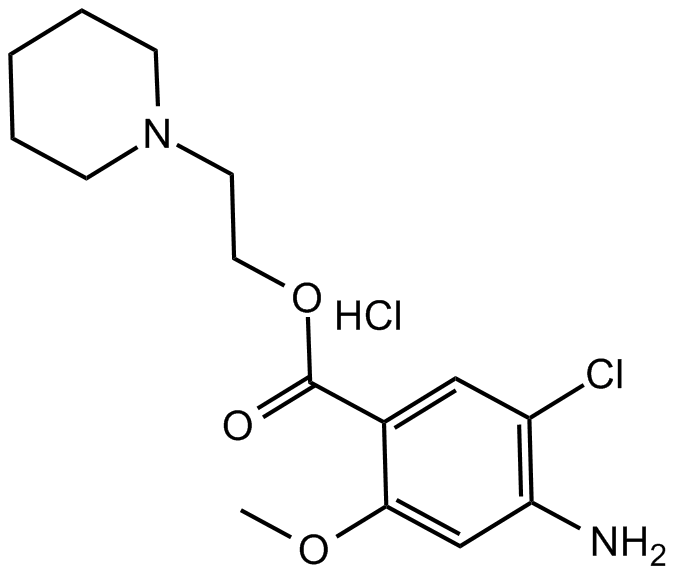 B7413 ML 10302 hydrochlorideSummary: 5-HT4 partial agonist
 -
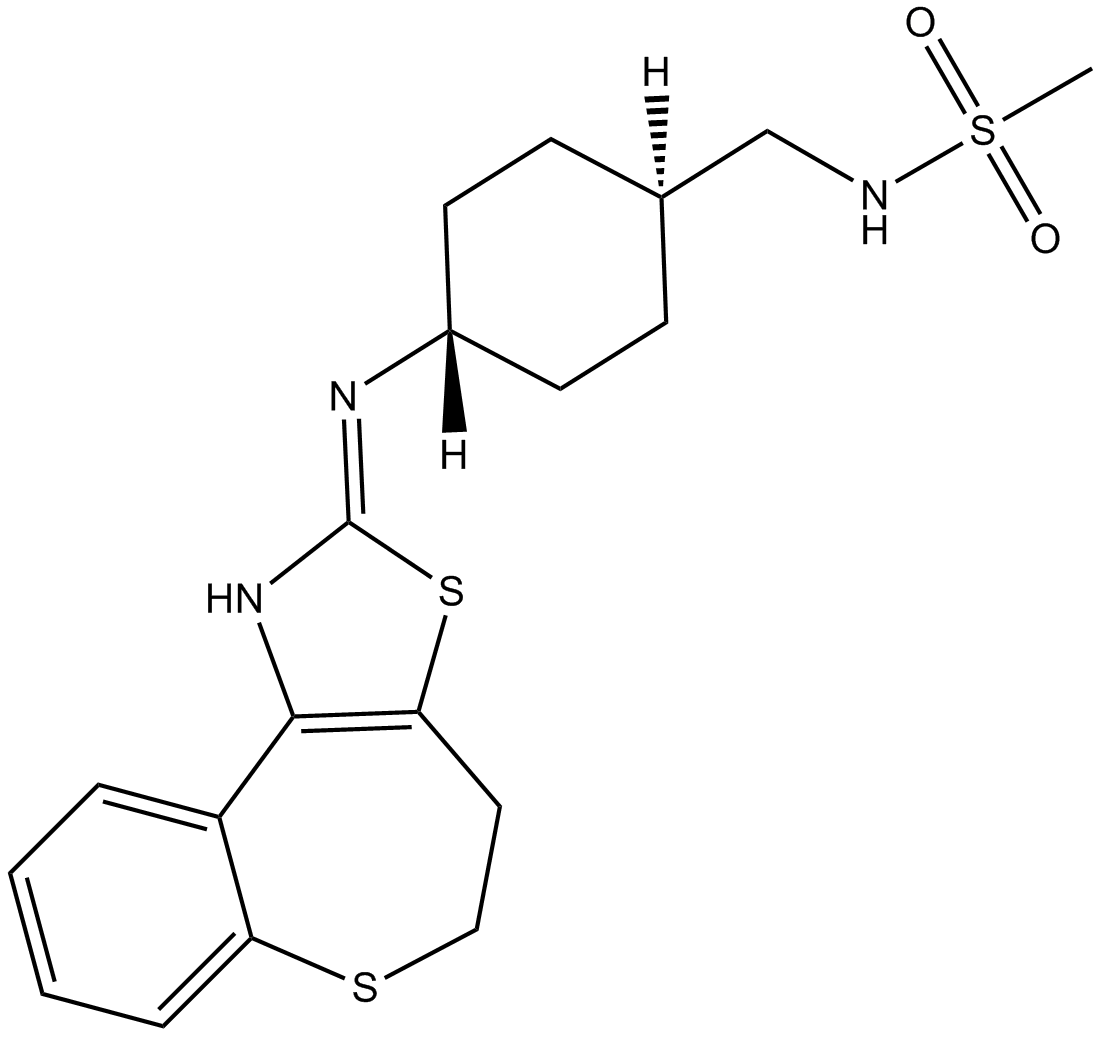 B7427 LU AA33810Summary: neuropeptide Y (NPY) Y5 receptor antagonist
 -
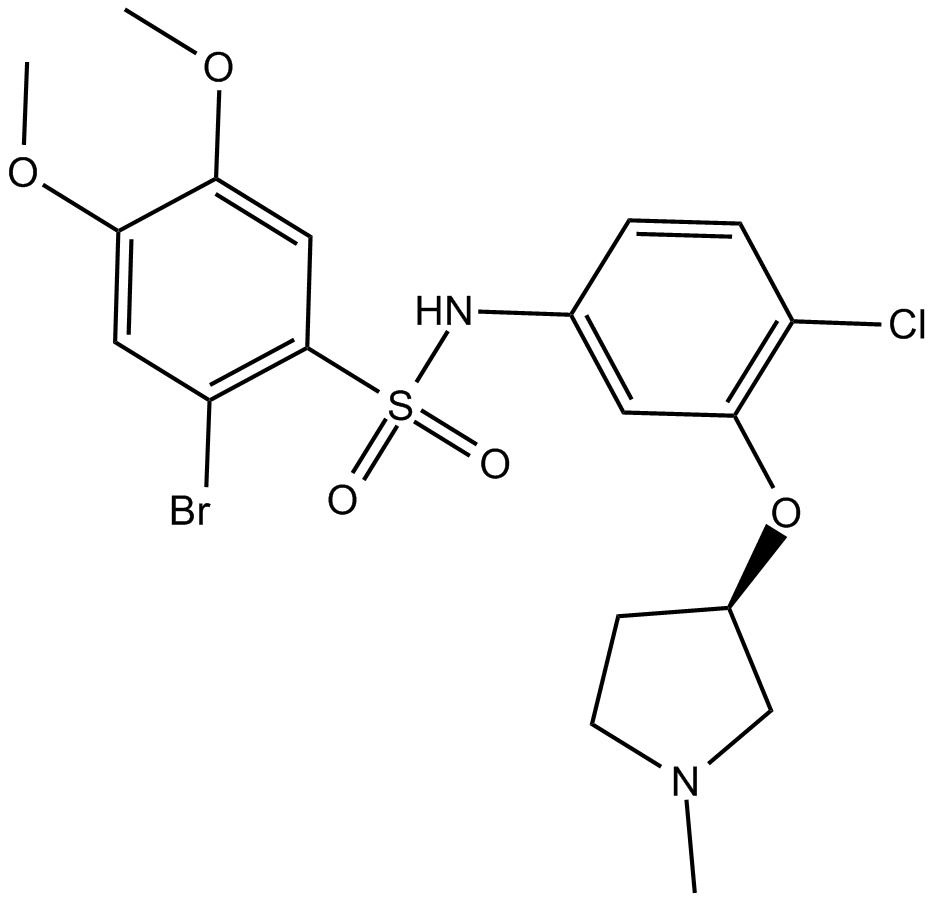 B7432 SB 657510Summary: urotensin-II (UT) receptor antagonist
 -
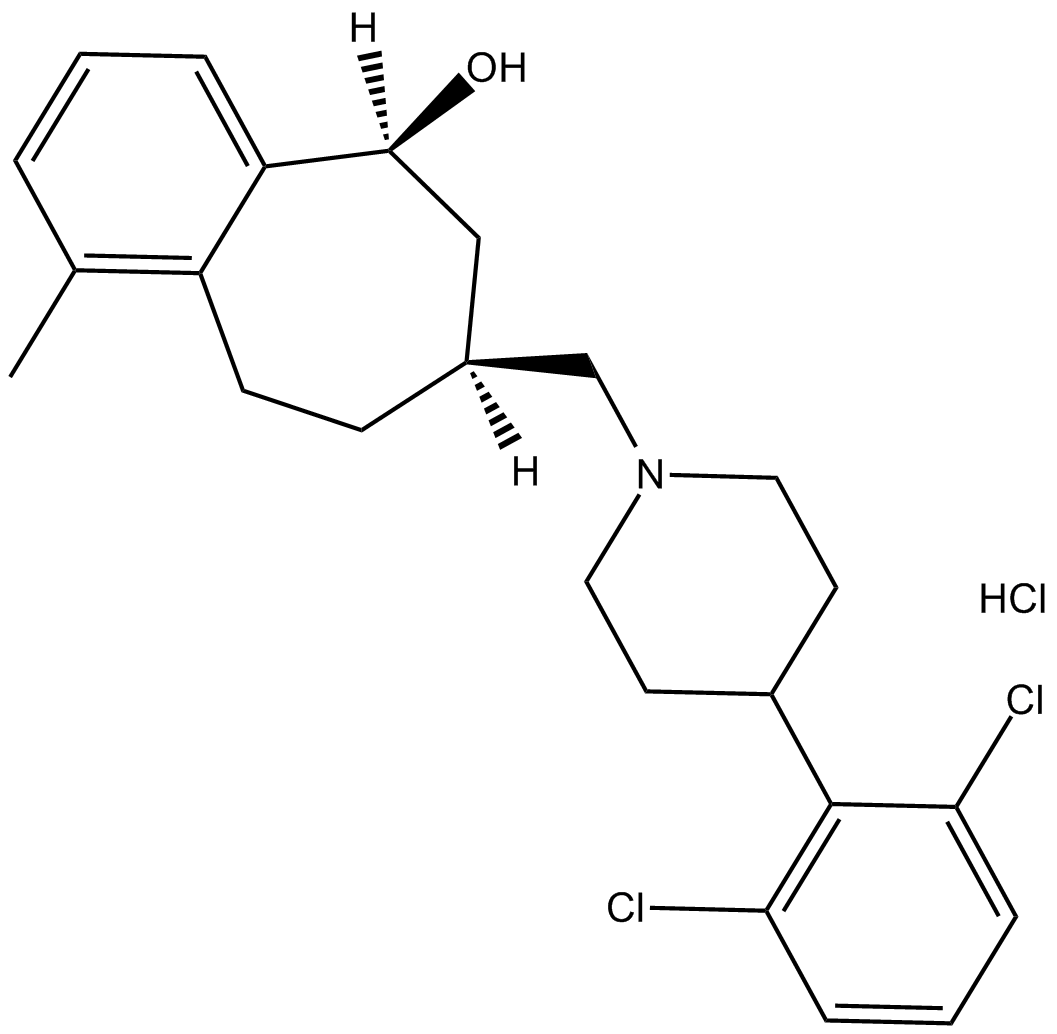 B7433 SB 612111 hydrochlorideSummary: NOP receptor antagonist
 -
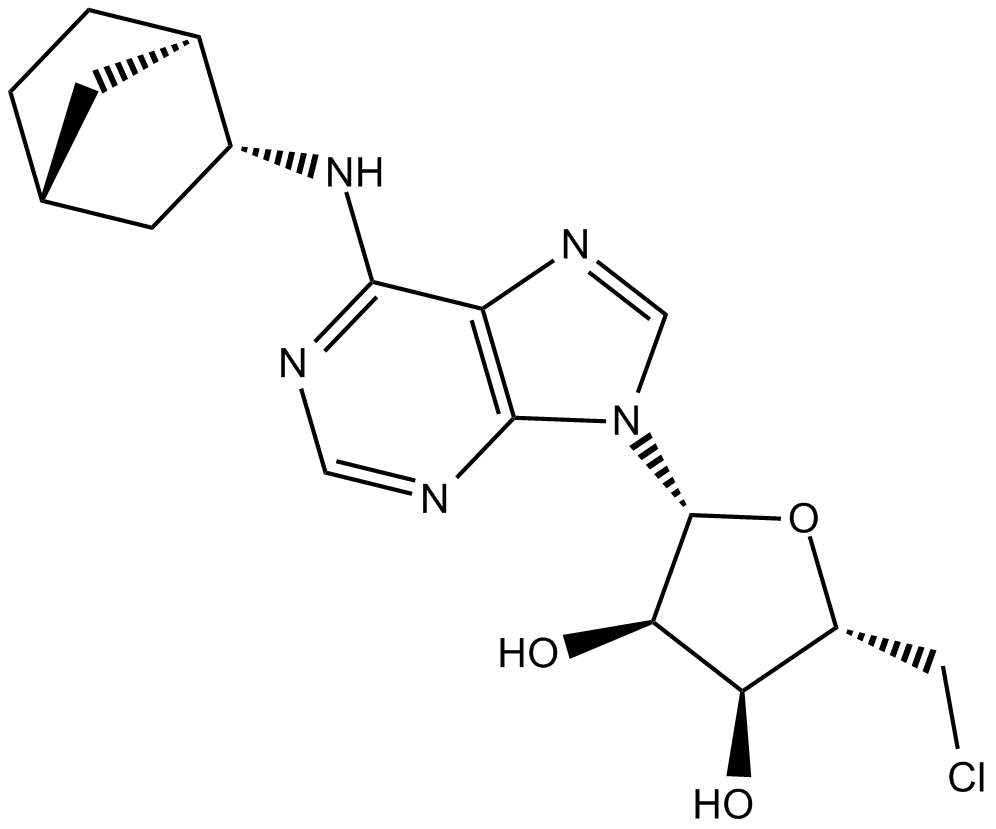 B7435 (±)-5'-Chloro-5'-deoxy-ENBASummary: adenosine A1 receptor agonist, selective and high-affinity
 -
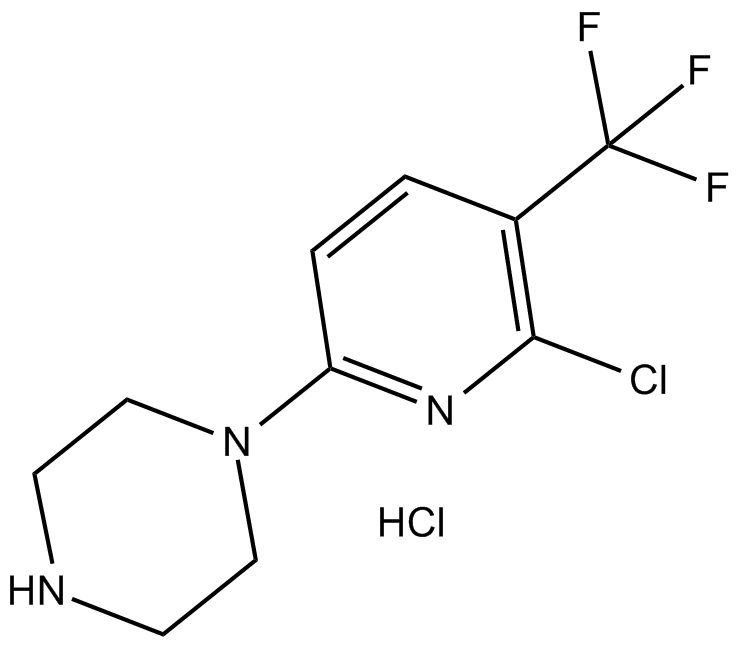 B7437 Org 12962 hydrochlorideSummary: 5-HT2C receptor agonist
 -
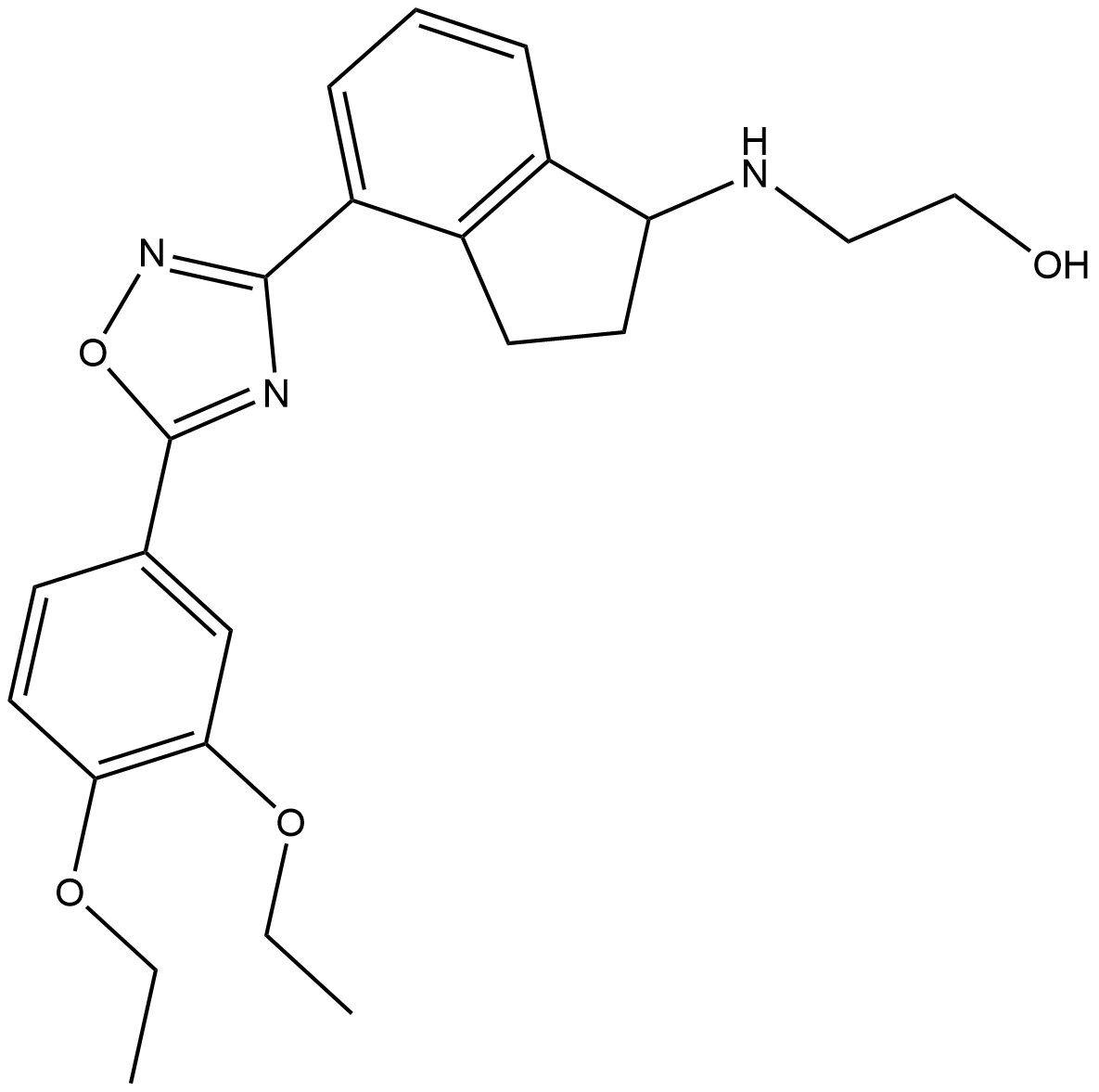 B7441 CYM 5442Summary: S1P1 agonist, potent and selective
 -
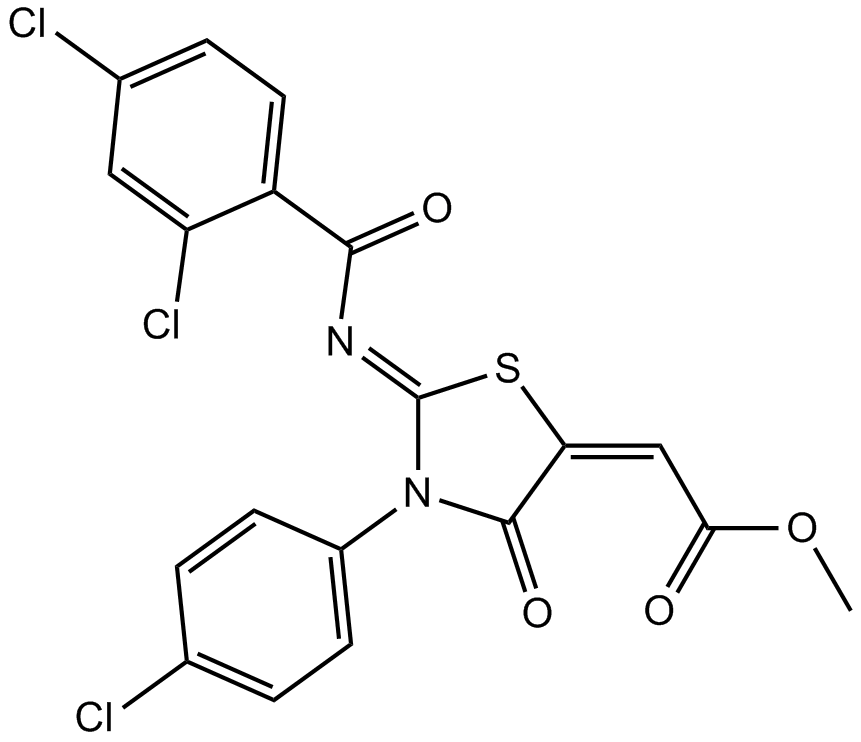 B7453 FR 171113Summary: Protease-activated receptor 1 (PAR1) antagonist
 -
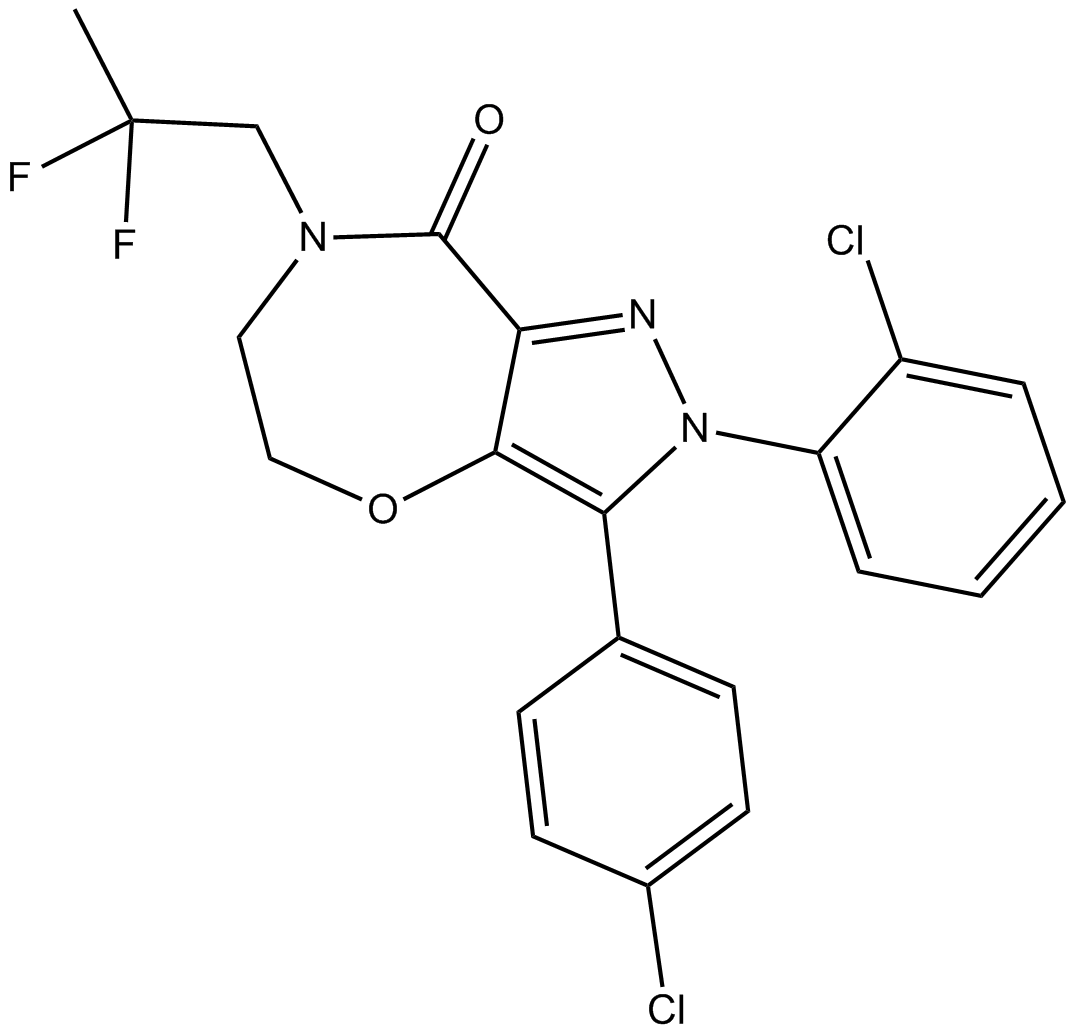 B7465 PF 514273Summary: CB1 receptor antagonist
 -
 B7466 NPY 5RA972Summary: neuropeptide Y Y5 receptor antagonist