


Endocrinology and Hormones
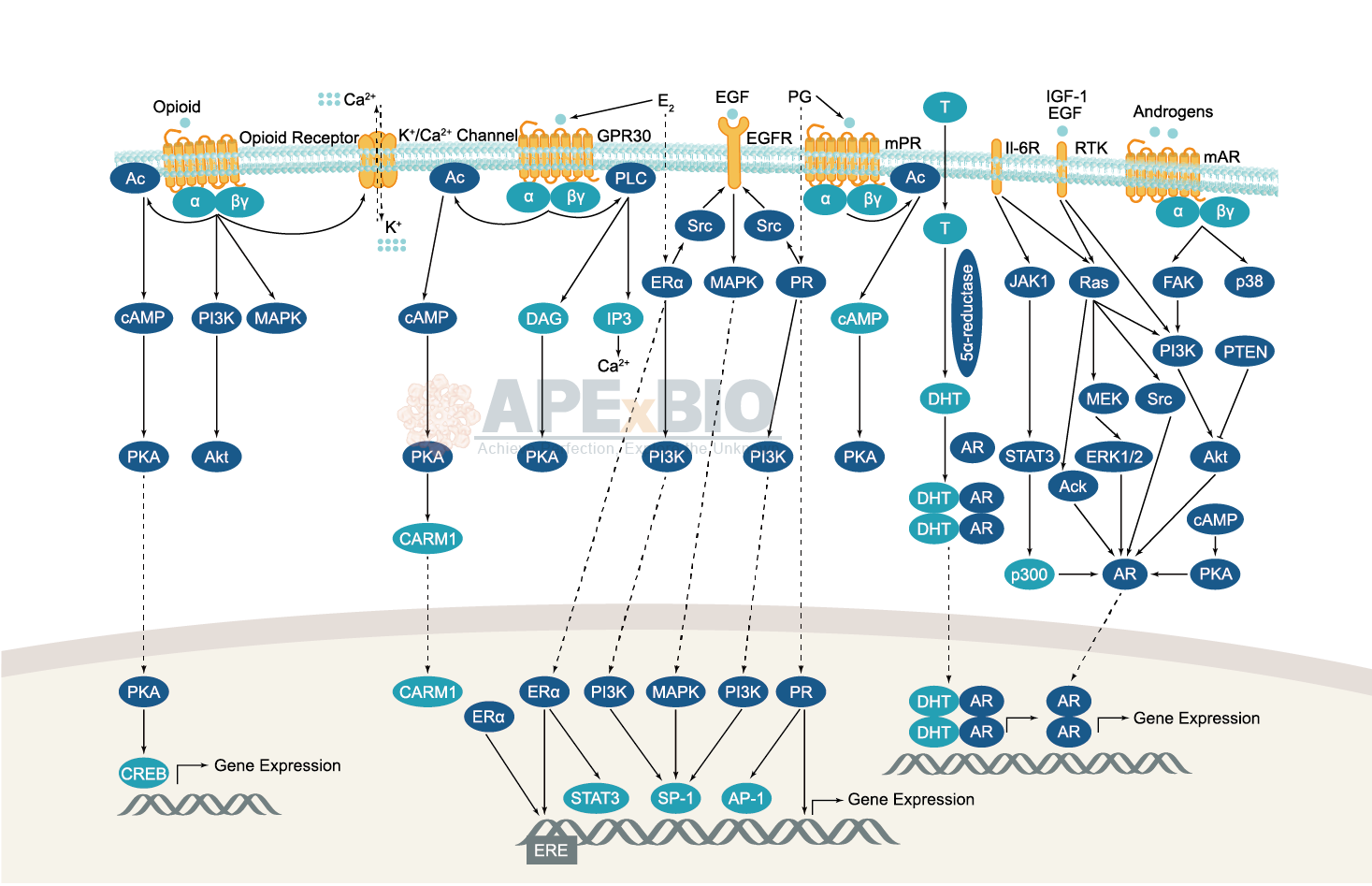
Endocrinology is the study of hormones, their receptors and intracellular signaling pathways, as well as the related diseases. The endocrine system functions can be broadly classified into several categories, including reproduction and sexual differentiation, development and growth, maintenance of the internal environment, and regulation of metabolism/nutrient supply.
There are three types of hormones based on their chemical composition: Amines (e.g. dopamine, adrenalin and noradrenalin); Steroids (e.g. estrogen, testosterone and glucocorticoids); Peptides (e.g. the peptide hormones insulin, ghrelin and vasopressin). Peptide hormones produced by secretory nervous tissue are known as neuropeptides. For example, thyroid hormone plays important parts in development, homeostasis and metabolism, while cortisol is essential for growth, nutrient supply and immune function. Moreover, the regulation of blood glucose involves several pancreatic peptide insulin and its counter regulatory hormone, glucagon, as well as cortisol, growth hormone and epinephrine.
Dysregulations in endocrine system are implicated in diseases such as Acromegaly, Cushing Syndrome, Diabetes, Dwarfism, Graves Disease, Hermaphroditism, Delayed and Precocious Puberty and Thyroid Diseases.
-
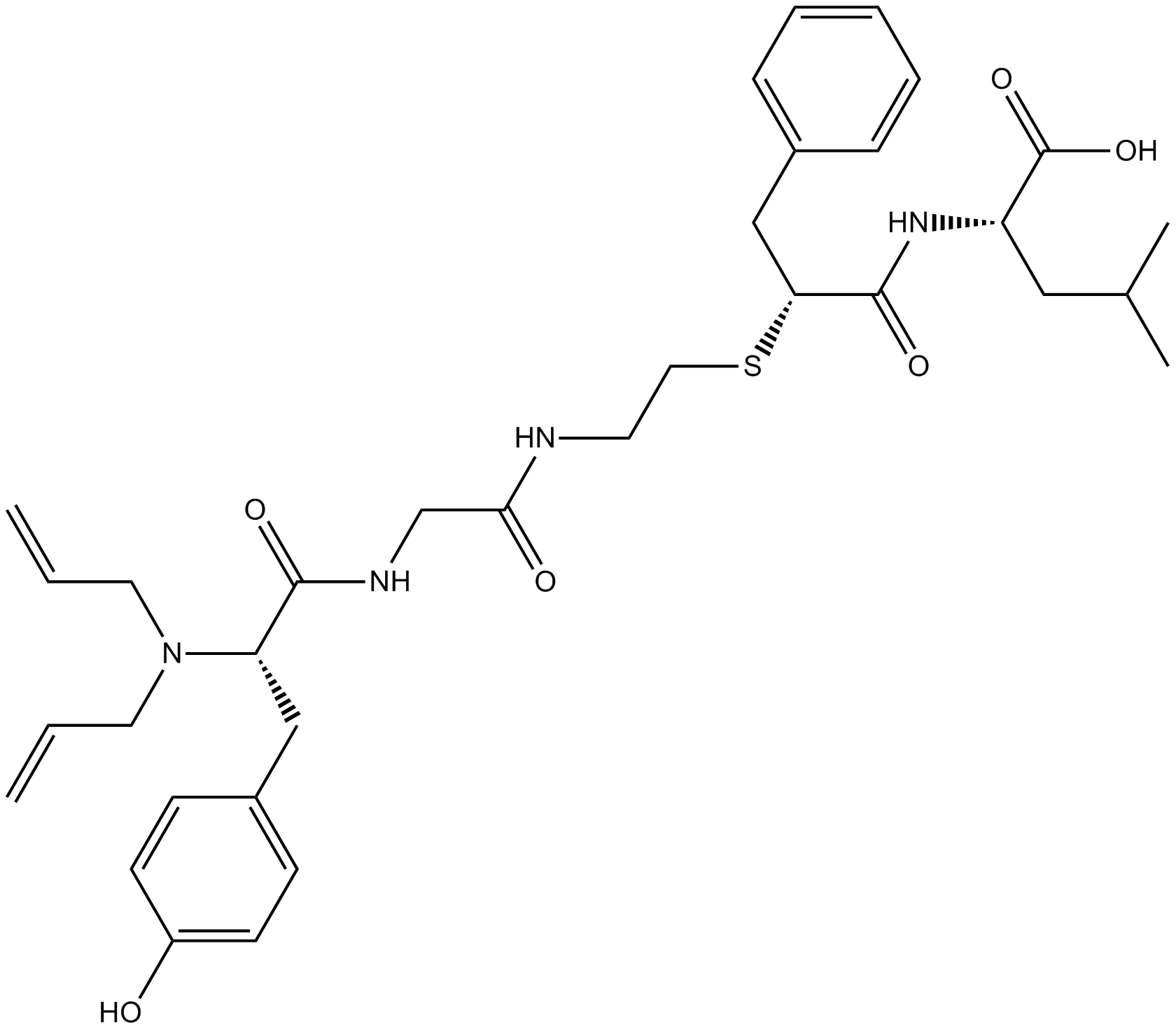 B5022 ICI 154,129Summary: Selective δ opioid antagonist
 -
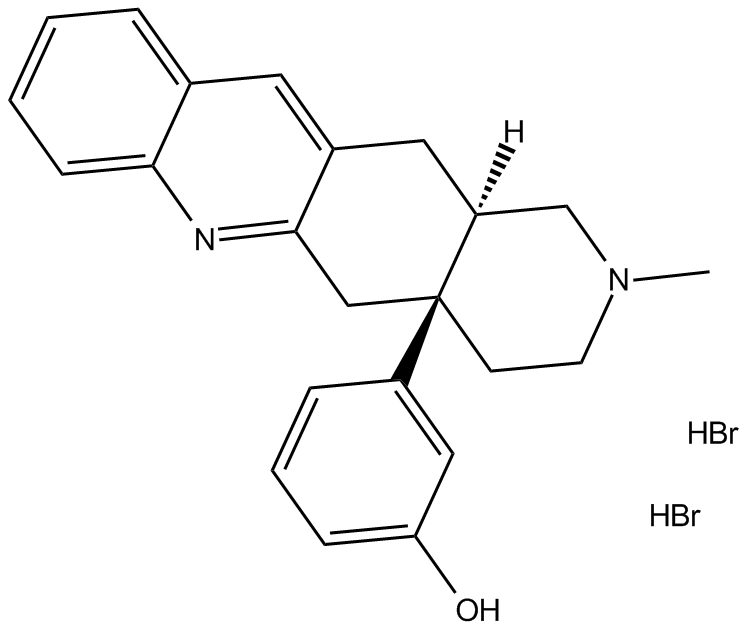 B5034 SB 205607 dihydrobromideSummary: non-peptide δ1 opioid receptor agonist
 -
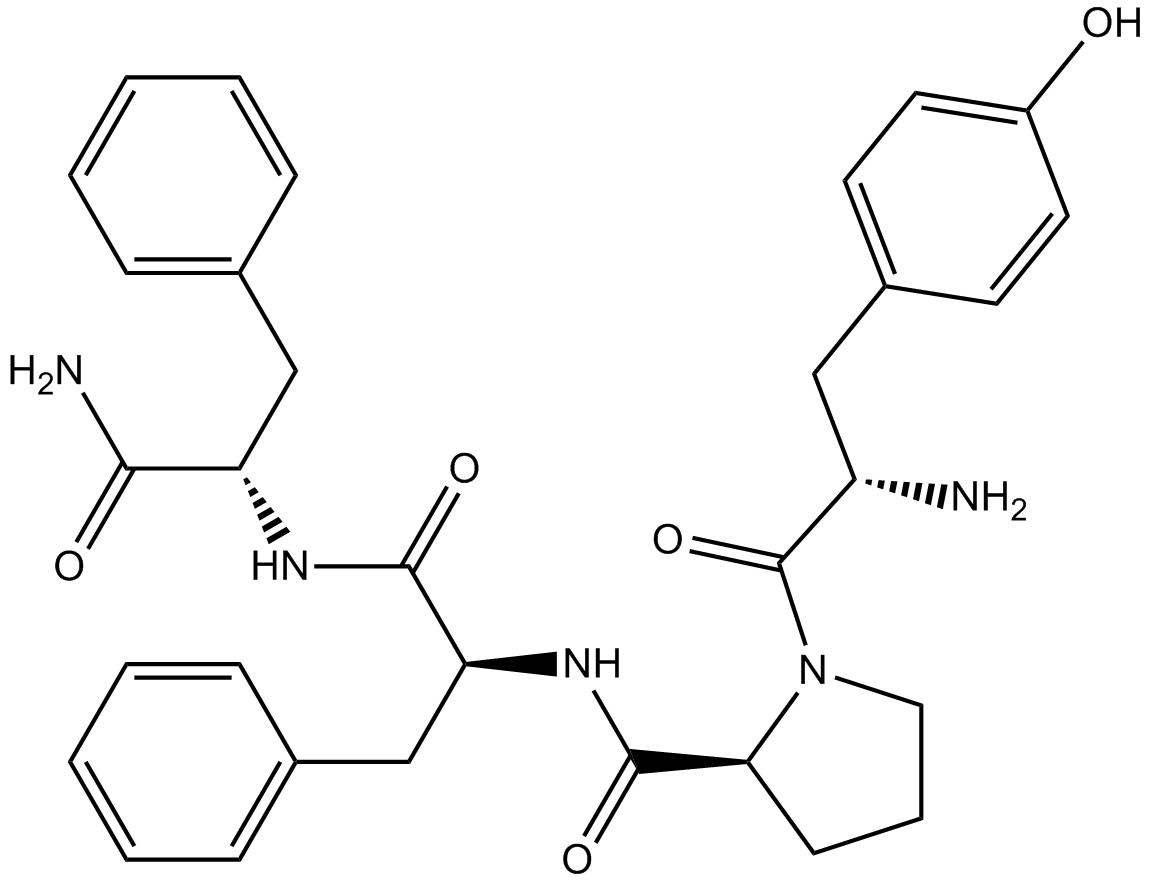 B5045 Endomorphin-2Summary: μ-opioid receptors agonist
 -
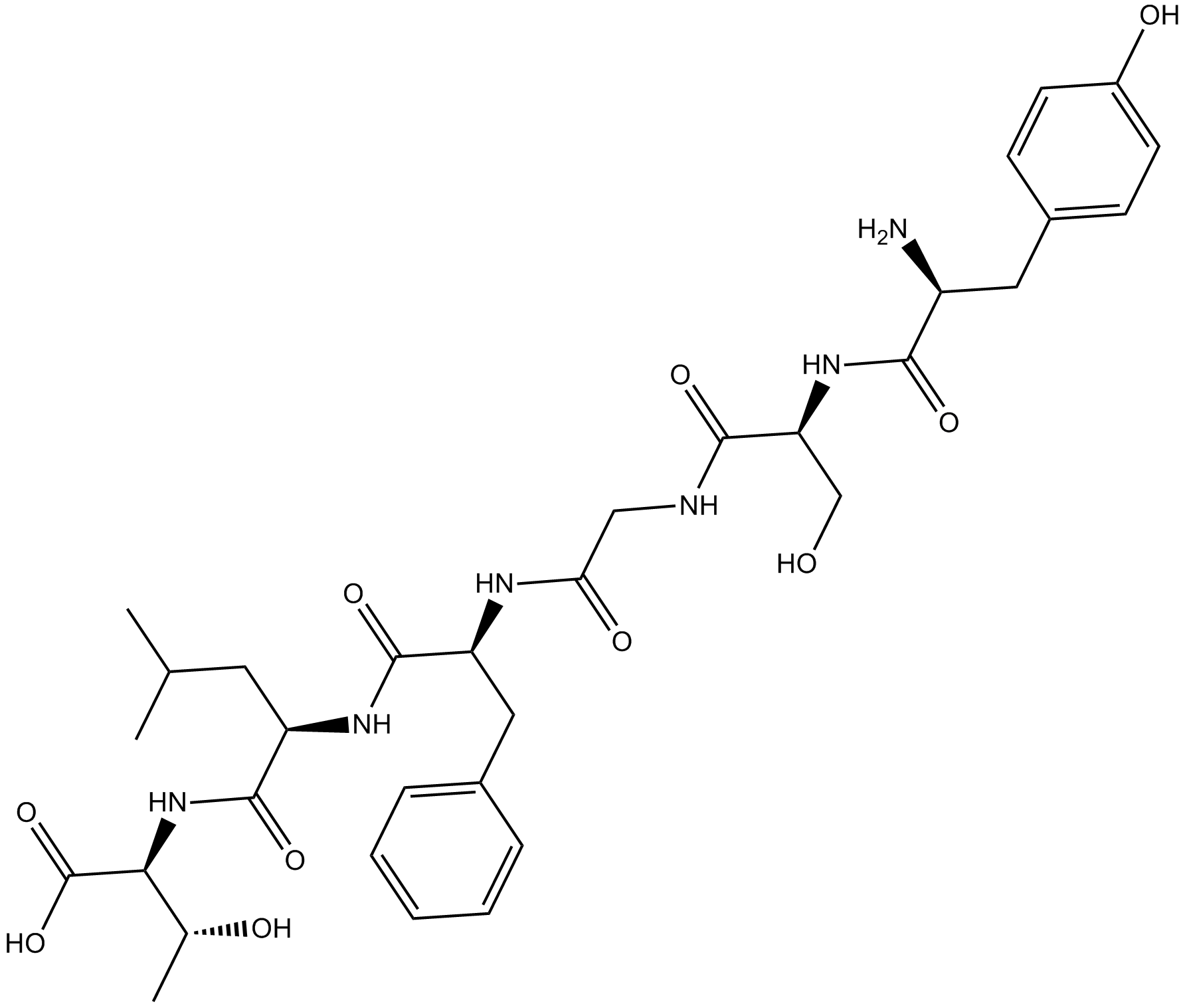 B5067 DSLETSummary: δ Opioid receptor agonist
 -
![[D-Ala2]-Deltorphin II](https://www.apexbt.com/media/prod_images/b/5/b5072.png) B5072 [D-Ala2]-Deltorphin IISummary: natural agonist of δ opioid receptor
B5072 [D-Ala2]-Deltorphin IISummary: natural agonist of δ opioid receptor -
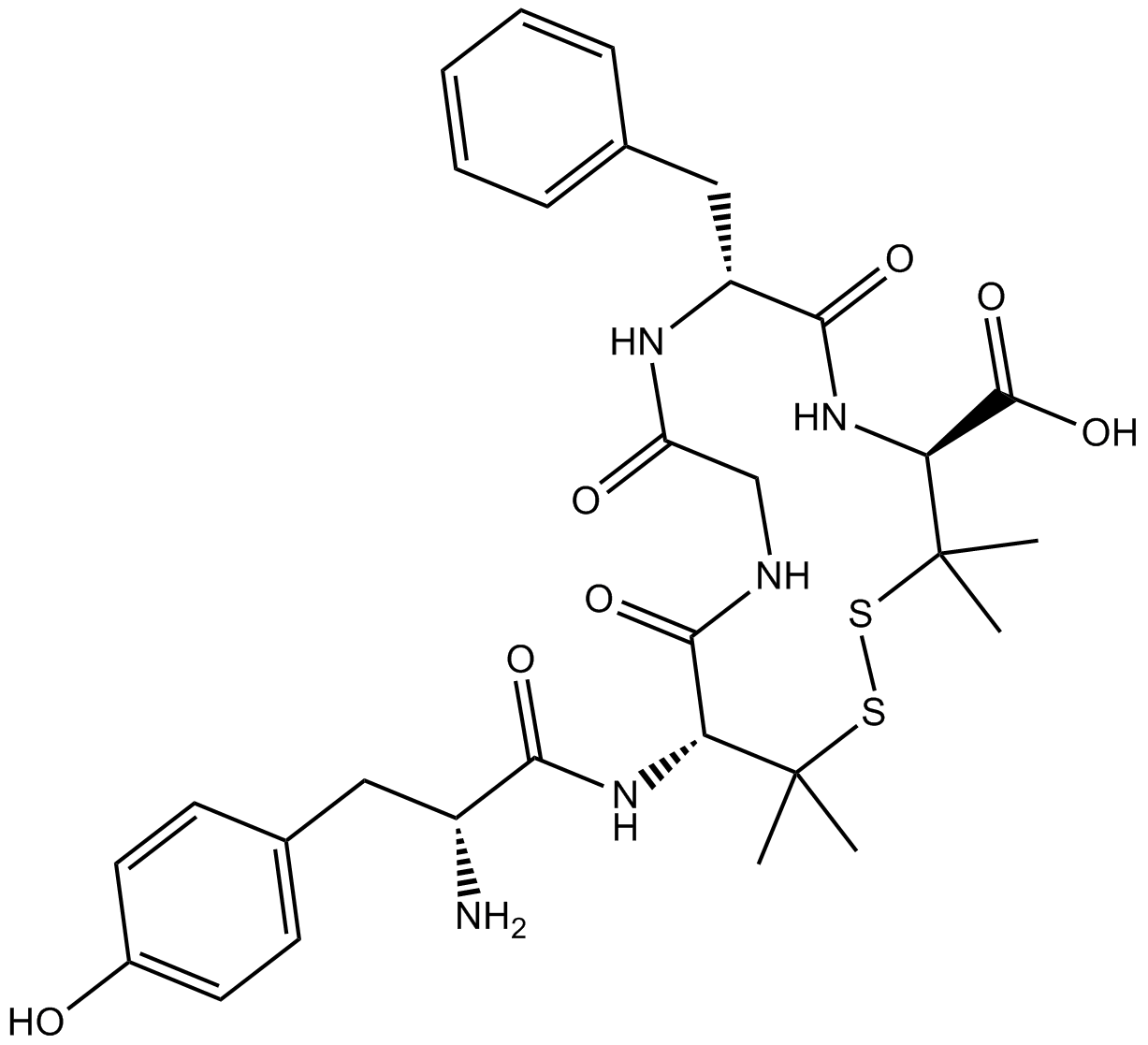 B5111 DPDPESummary: Prototypical selective δ-opioid receptor agonist peptide
 -
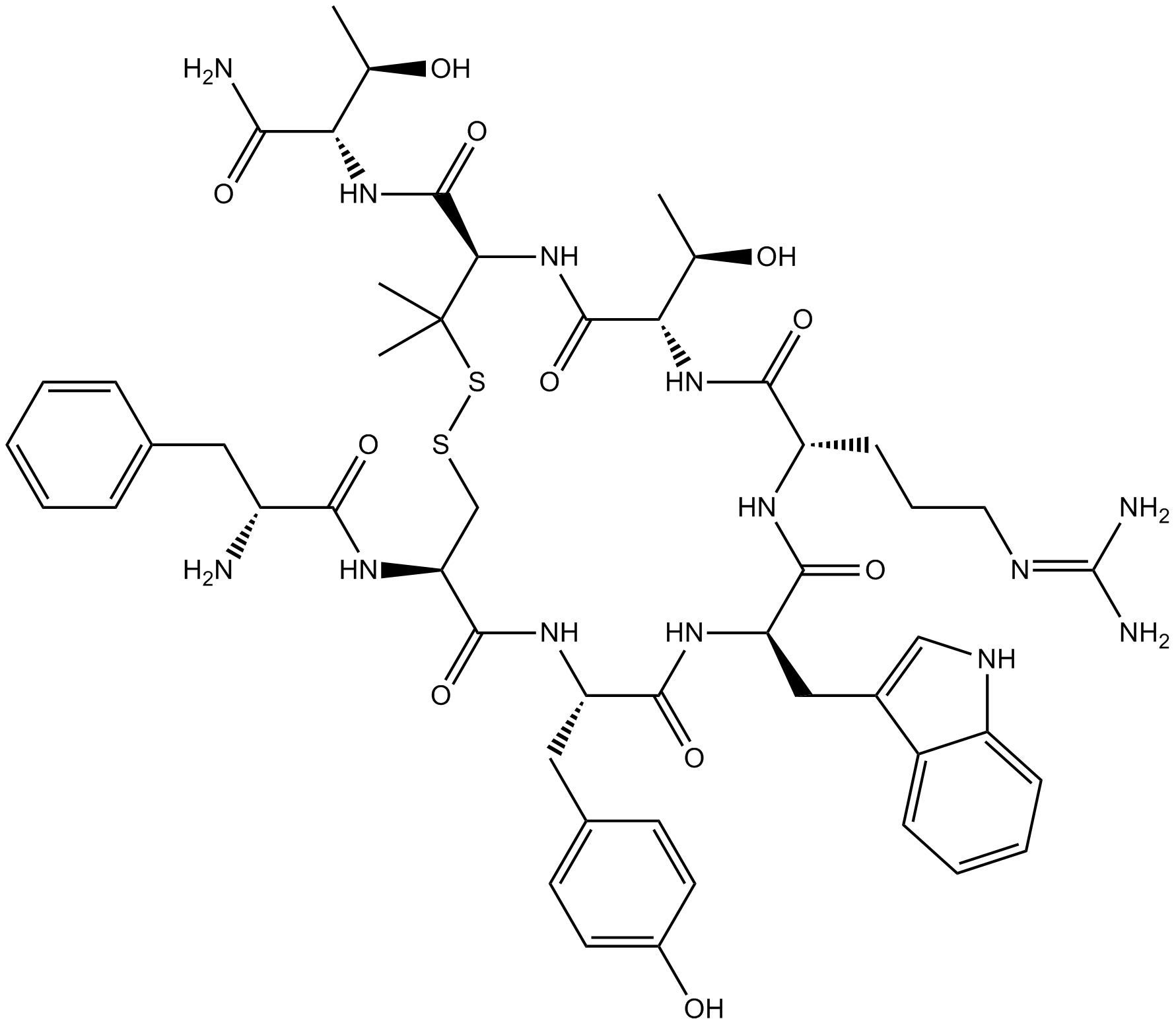 B5129 CTAPSummary: Potent and selective μ opioid receptor antagonist
 -
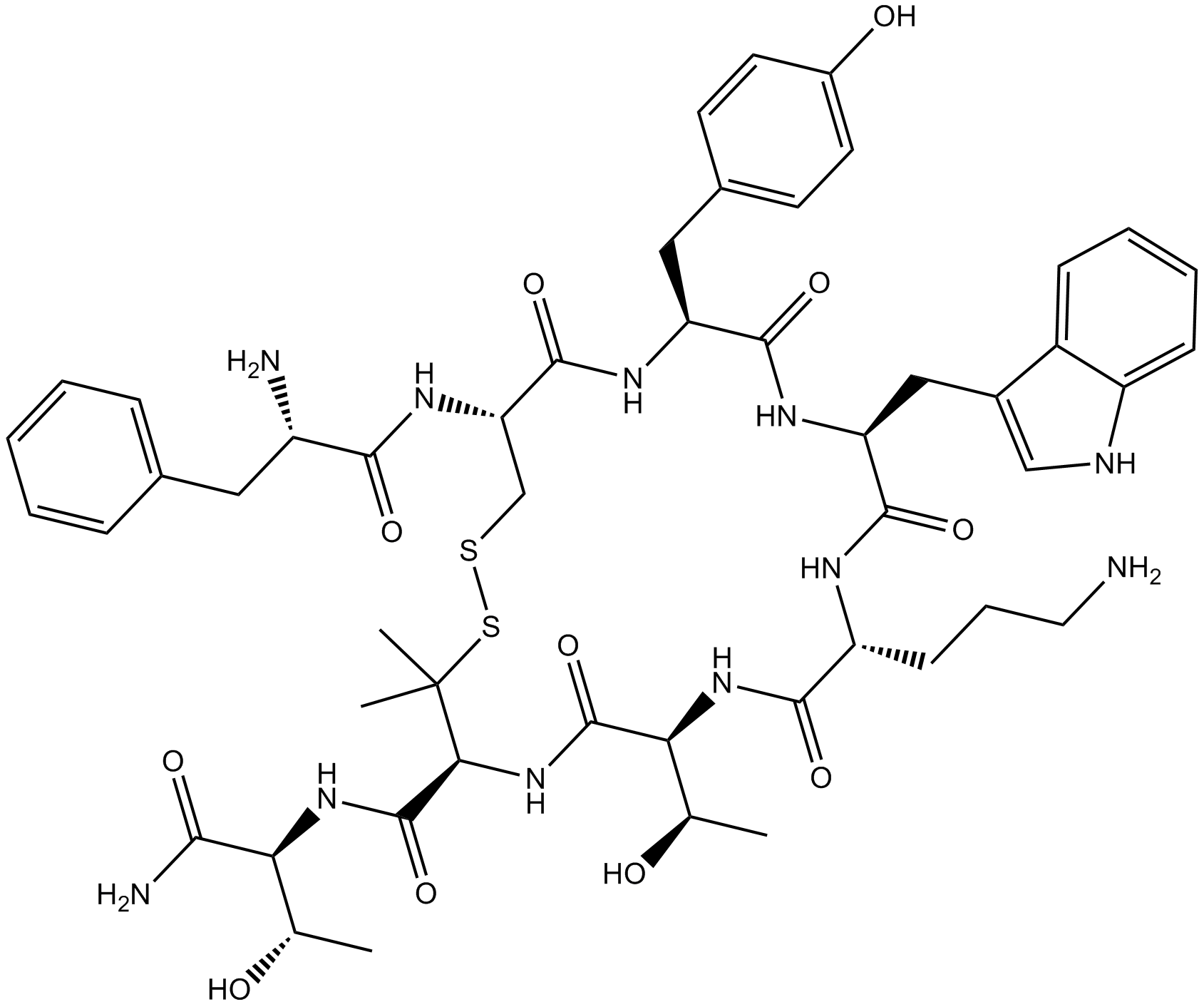 B5135 CTOP1 CitationSummary: Potent and selective μ opioid receptor antagonist
 -
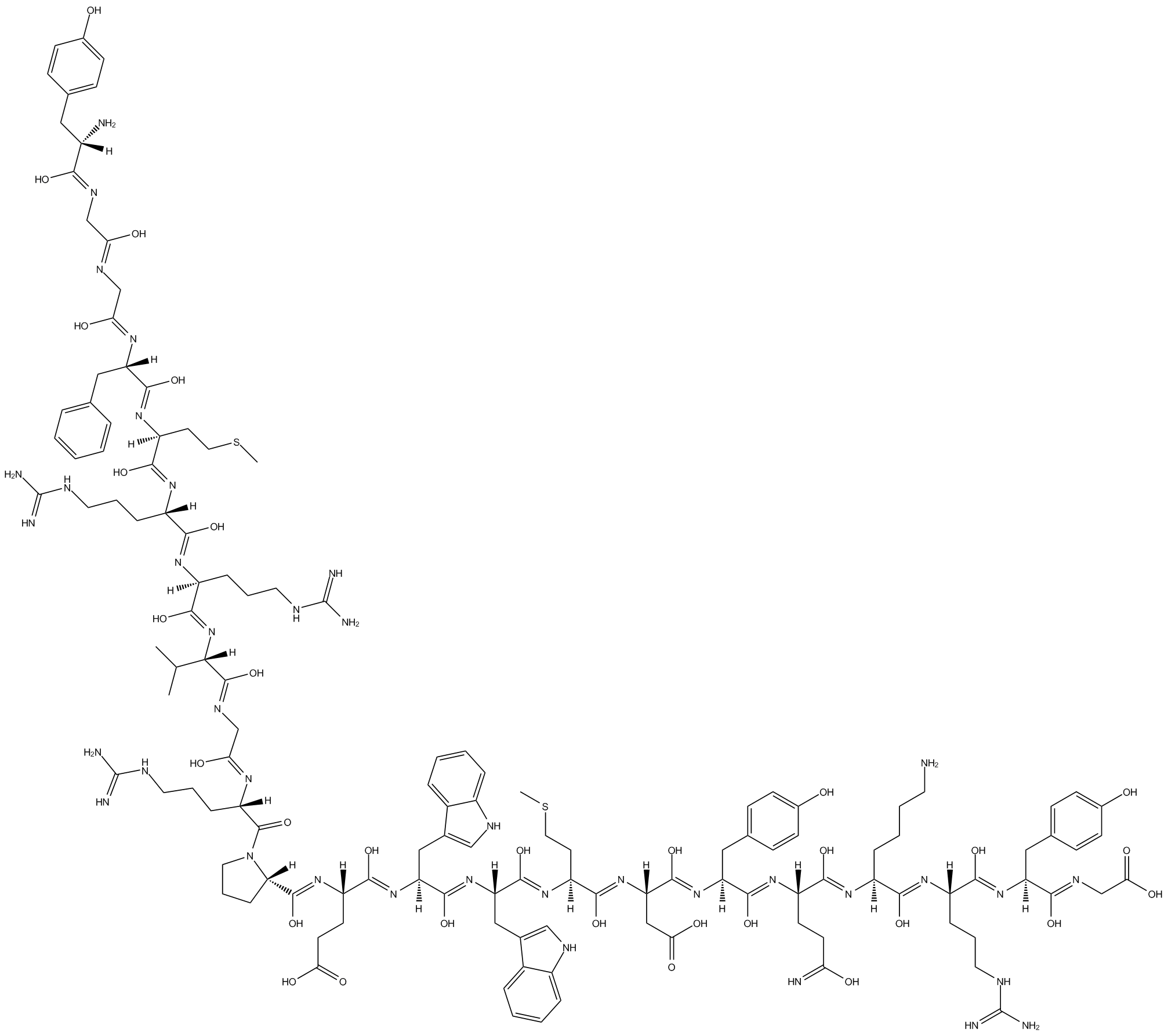 B5155 BAM 22PSummary: Potent endogenous agonist peptide for the newly identified sensory neuron specific receptor (SNSR);
 -
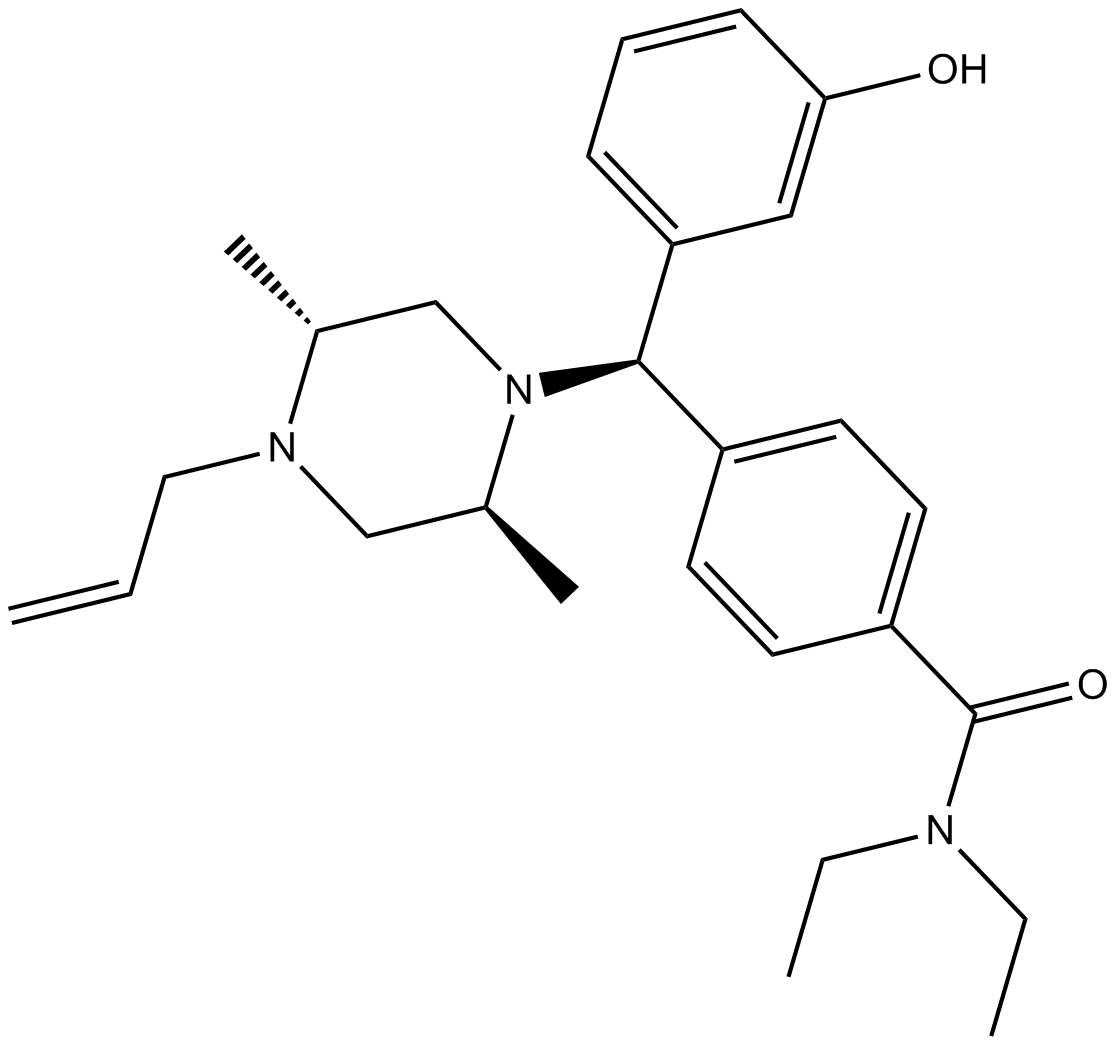 B5157 BW 373U86Summary: Non-peptide delta agonist,potent and selective