


DNA Damage/DNA Repair
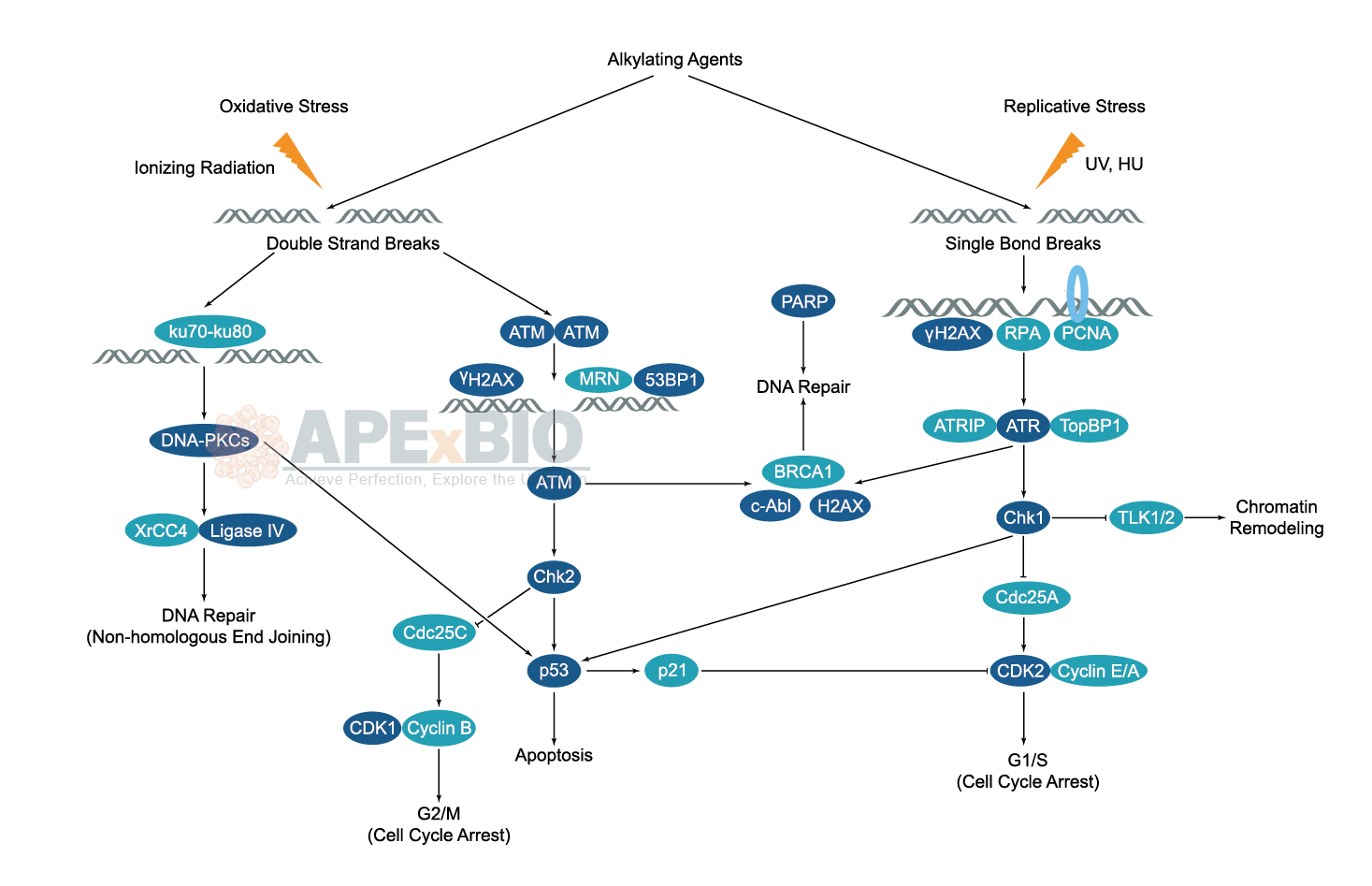
The DNA in a human cell receives tens of thousands of damages per day due to both external (exogenous) and internal (endogenous) stress. The exogenous damages are caused by chemical contamination, UV light, ionizing radiation and alkylation/methylation etc, while the endogenous damages are coming from oxidation, alkylation and hydrolysis of bases etc. Since single strand and double strand breaks of DNA will occur after the damage, unrepaired DNA damage leads to cell senescent, apoptosis and malignancies etc. To overcome this threat, cell has developed DNA damage response, to detect DNA damage and mediate its repair.
DNA repair involves multiple mechanisms such as mismatch, base excision, and nucleotide excision repair etc. A group of proteins and pathways are participated in those processes. ATM/ATR kinases and DNA-PK are crucial for the detection of the DNA damage. Chromatin remodelers regulate chromatin accessibility for the DNA repair factors to function. RPA, Rad51 and the fanconi anemia proteins act directly on repairing the DNA damage. p53 network, the RAS GTPase superfamily, and the ubiquitin system also play important part in the DNA damage response. Aberrant DNA damage response is linked to aging, cancer and immune diseases.
-
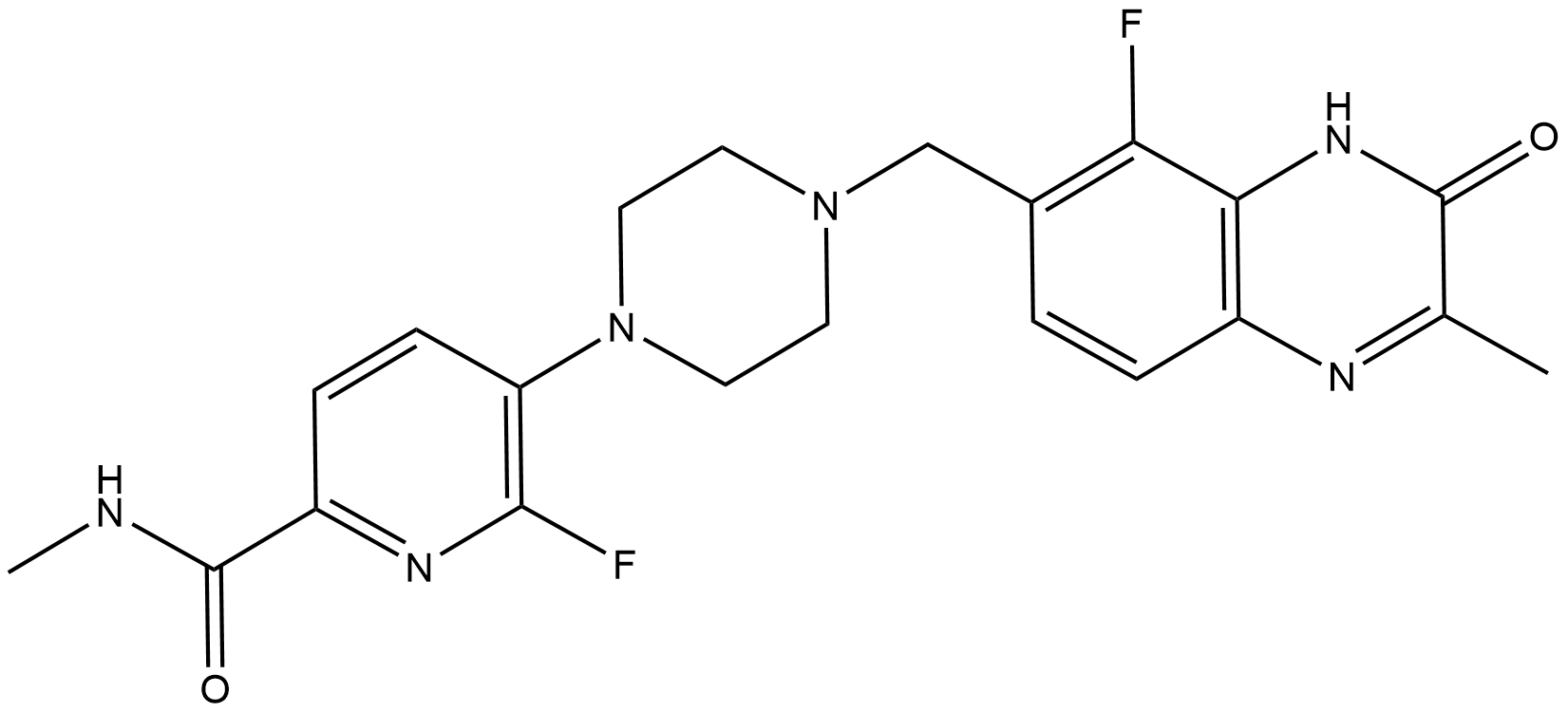 BA4429 AZD-9574Summary: AZD-9574 is a potent, blood-brain barrier permeability inhibitor that exhibits >8000-fold selectivity for compared to PARP2/3/5a/6.
 -
 BA4430 BavachininSummary: Bavachinin is an agonist of the pan-peroxisome proliferator-activated receptor.
 -
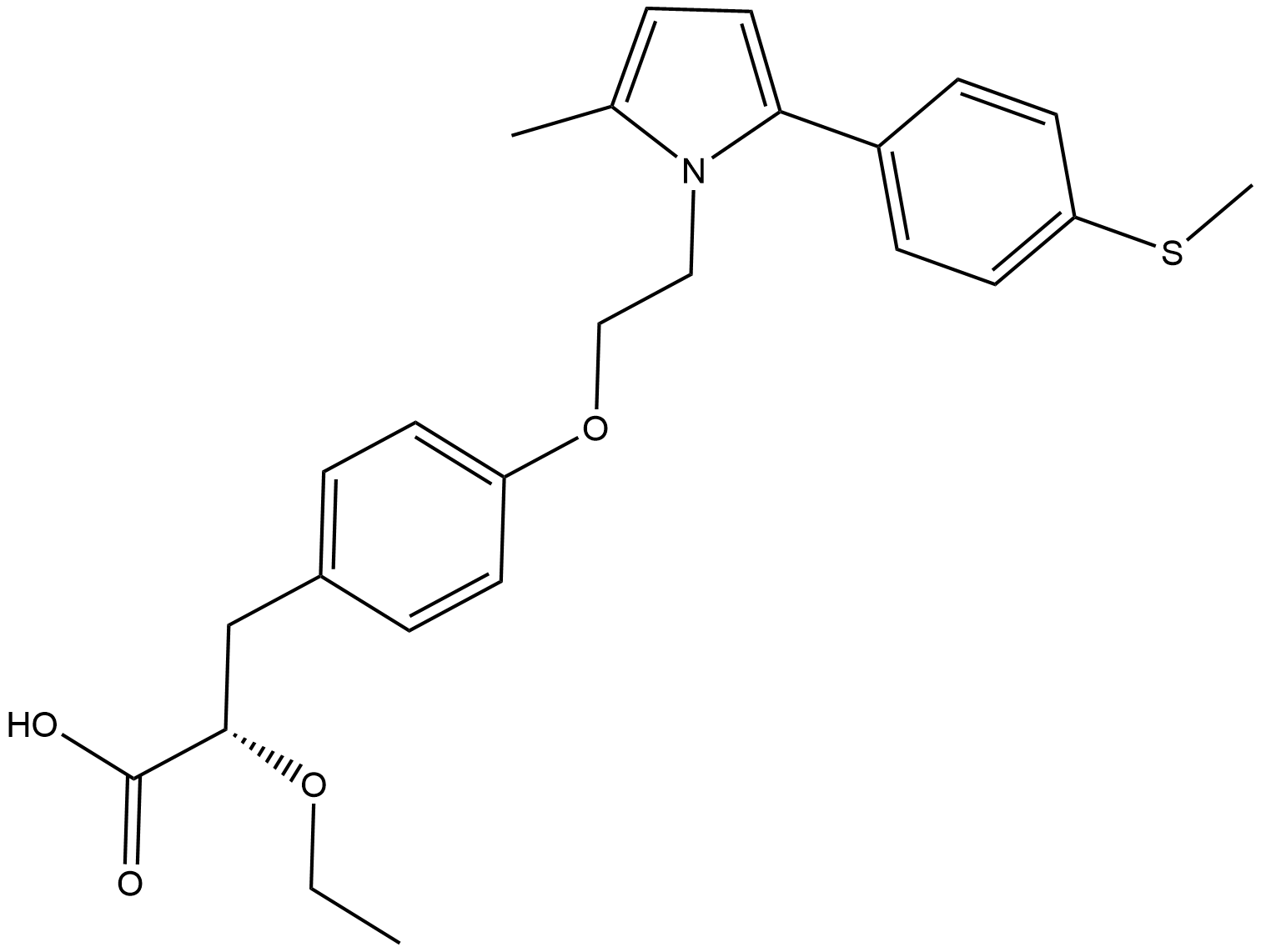 BA4432 SaroglitazarSummary: Saroglitazar is a novel agonist of peroxisome proliferator-activated receptors.
 -
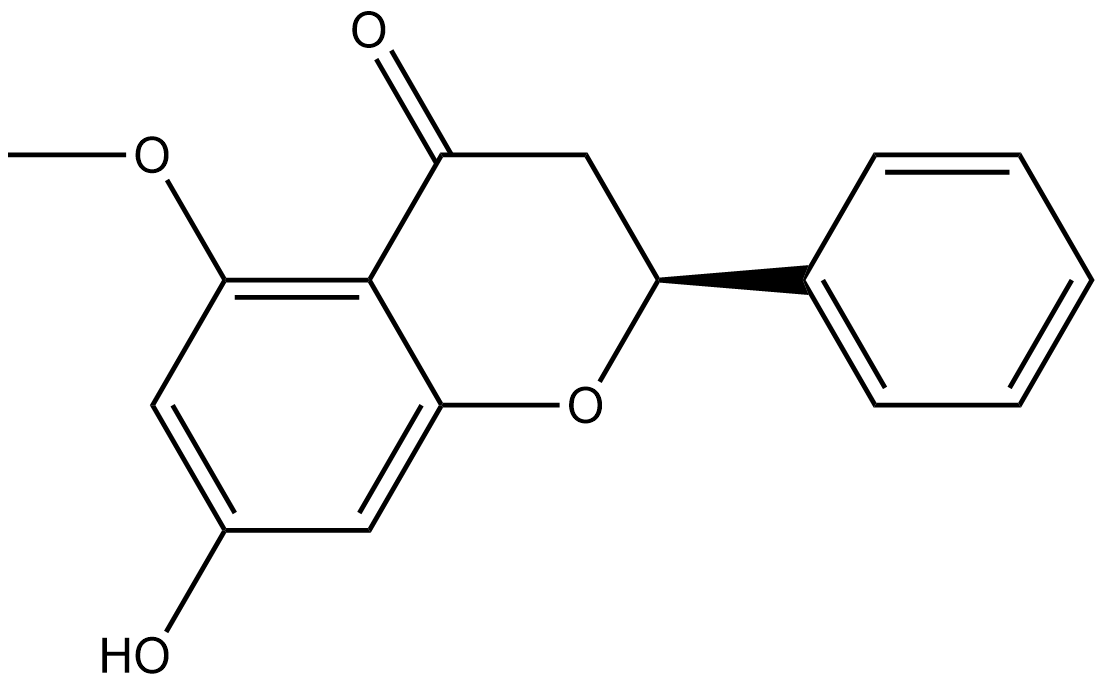 BA4433 AlpinetinSummary: Alpinetin is a flavonoid isolated from Myristica fragrans.
 -
BA4435 NorathyriolSummary: Norathyriol (Mangiferitin) is a natural metabolite of mangiferin.
-
BA4437 ErtiprotafibSummary: Ertiprotafib is an inhibitor.
-
BA4439 BilobetinSummary: Bilobetin is an active ingredient that lowers blood lipids and improves insulin action.
-
BA4440 LY518674Summary: LY518674 (LY-674) is a potent and selective agonist.
-
BA4442 MonascinSummary: Monascin is an azurophilic pigment that can be extracted from red yeast rice and is orally active with antitumor and anti-inflammatory activities.
-
BA4447 GlabroneSummary: Glabrone is an isoflavone isolated from licorice root.