


Cell Cycle/Checkpoint
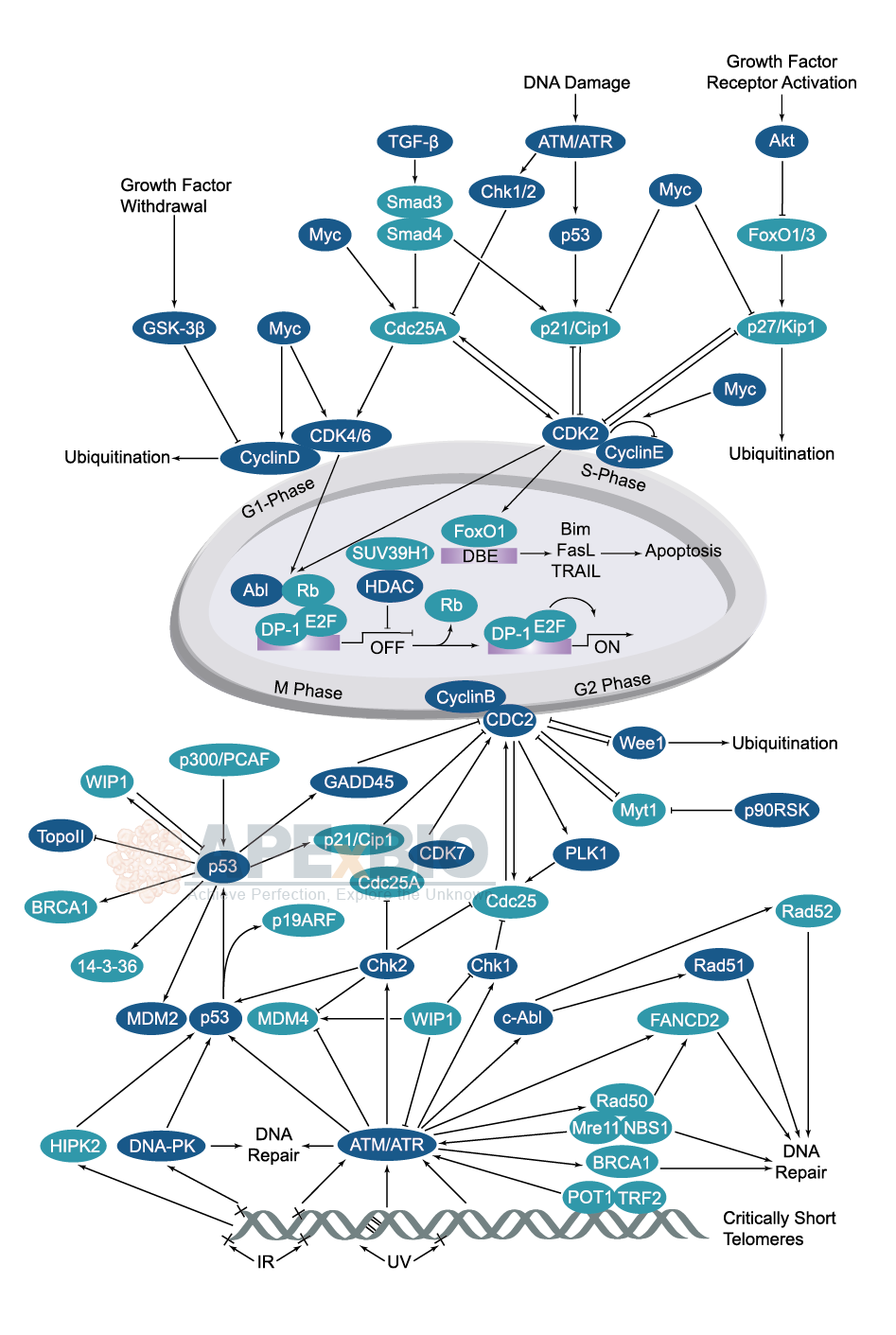
The cell cycle is consisted of 4 main phases: Gap 1 (G1), DNA replication (S), Gap 2 (G2), and mitosis (M). There are “checkpoints” mechanism regulates the transition between these phases, at the G1/S boundary, in the S-phase and during G2/M phases. Cell can only pass through these checkpoints when signaling factors are activated and free of DNA damage. Important proteins that control cell cycle events and checkpoints are cullins, cyclins, cyclin-dependent kinases (Cdks), p53 and their inhibitors etc. Cdks family (Cdk2, Cdk3, Cdk4 and Cdk6) are Ser/Thr kinases that regulate cell cycle progression in association with cyclin binding partners (cyclin D, cyclin E and cyclin A) during all four phases. p53 halts the cell cycle if the DNA is damaged and allowing time for DNA repair to progress; it can also initiate apoptosis if DNA damage is too severe to be repaired.
-
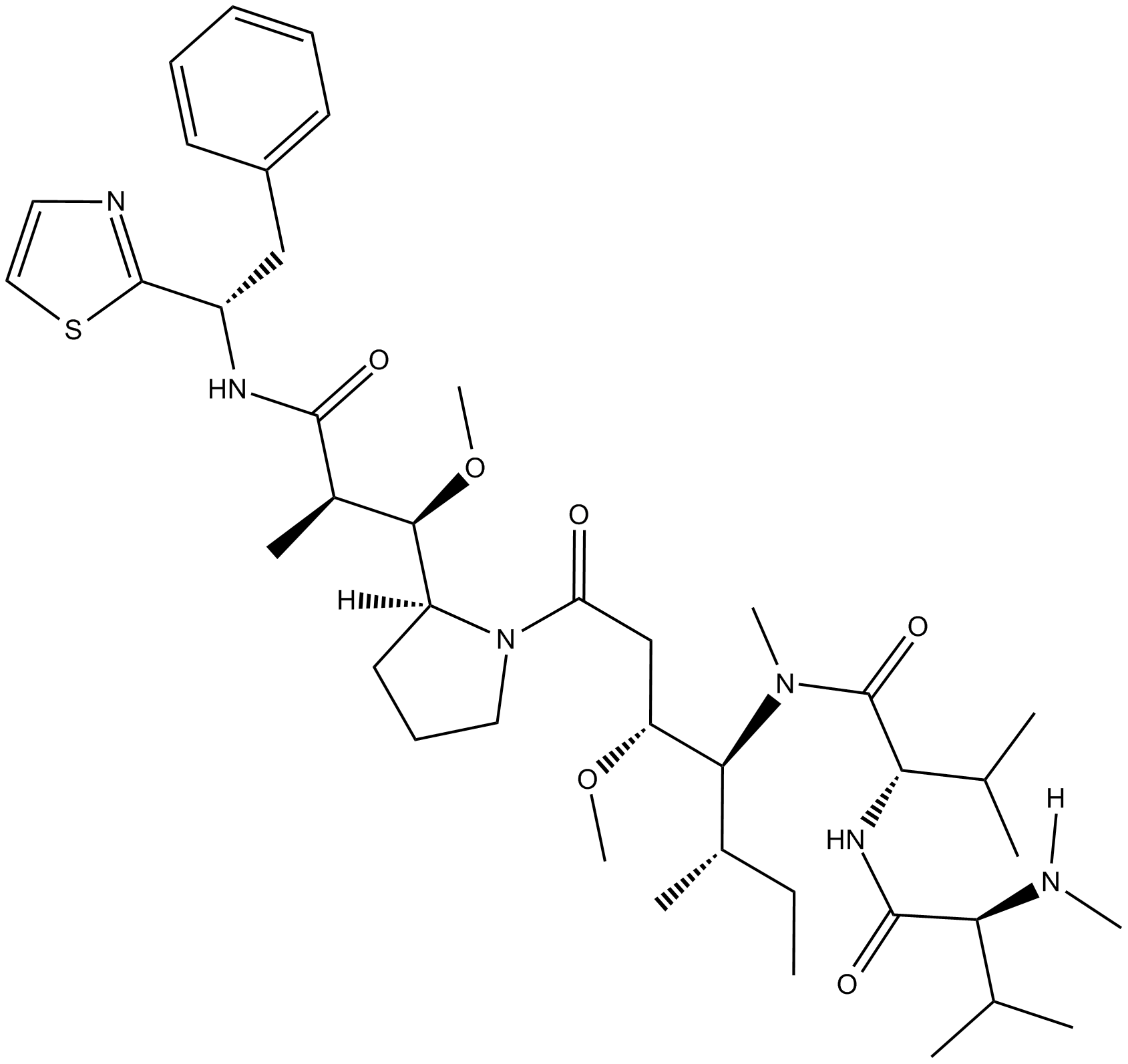 A3630 MMADSummary: Tubulin inhibitor,highly potent
 -
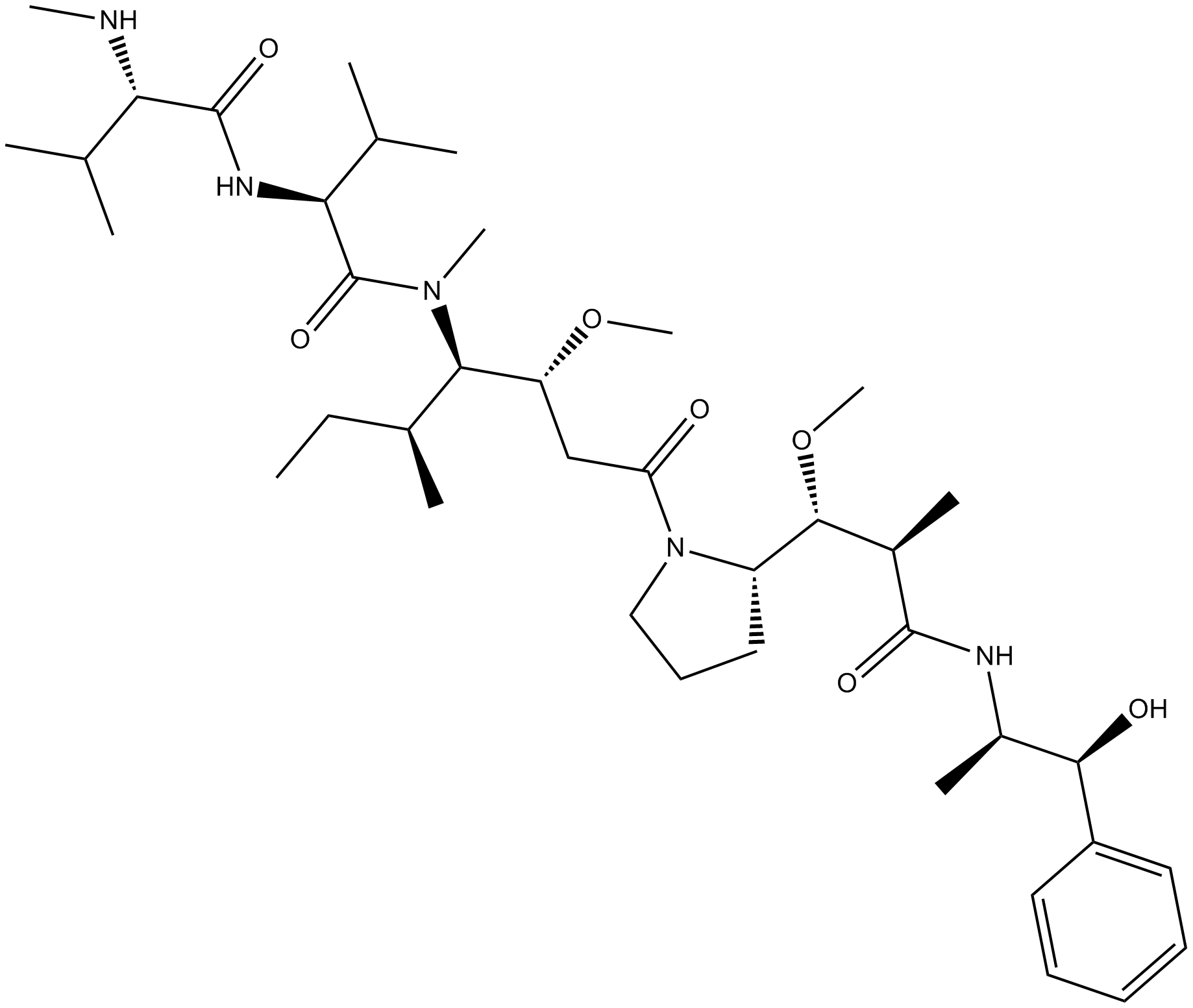 A3631 Monomethyl auristatin ESummary: A type of antimitotic agent that can also be widely used as a cytotoxic component for the preparation of antibody-drug conjugates (ADCs) for cancer research.
 -
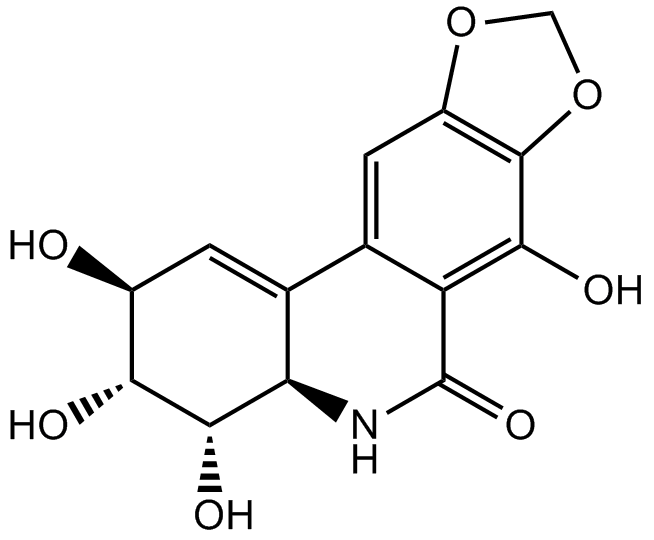 A3642 NarciclasineSummary: Modulates the Rho/ROCK/LIM kinase/cofilin pathway
 -
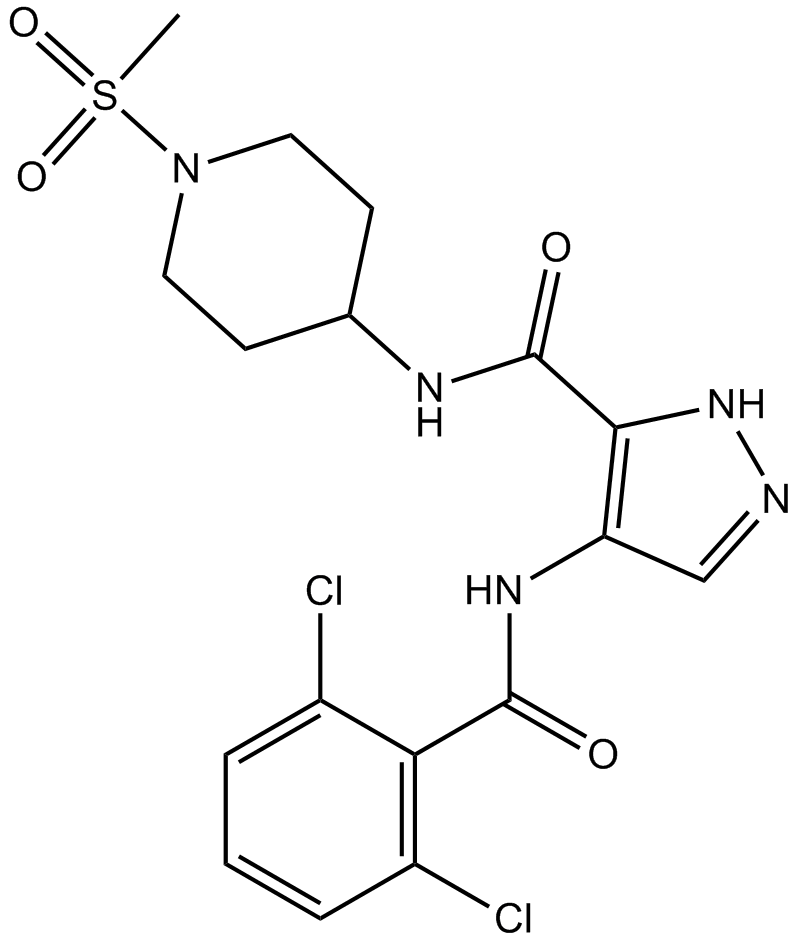 A3676 NVP-LCQ195Summary: CDK1/CDK2/CDK5 inhibitor
 -
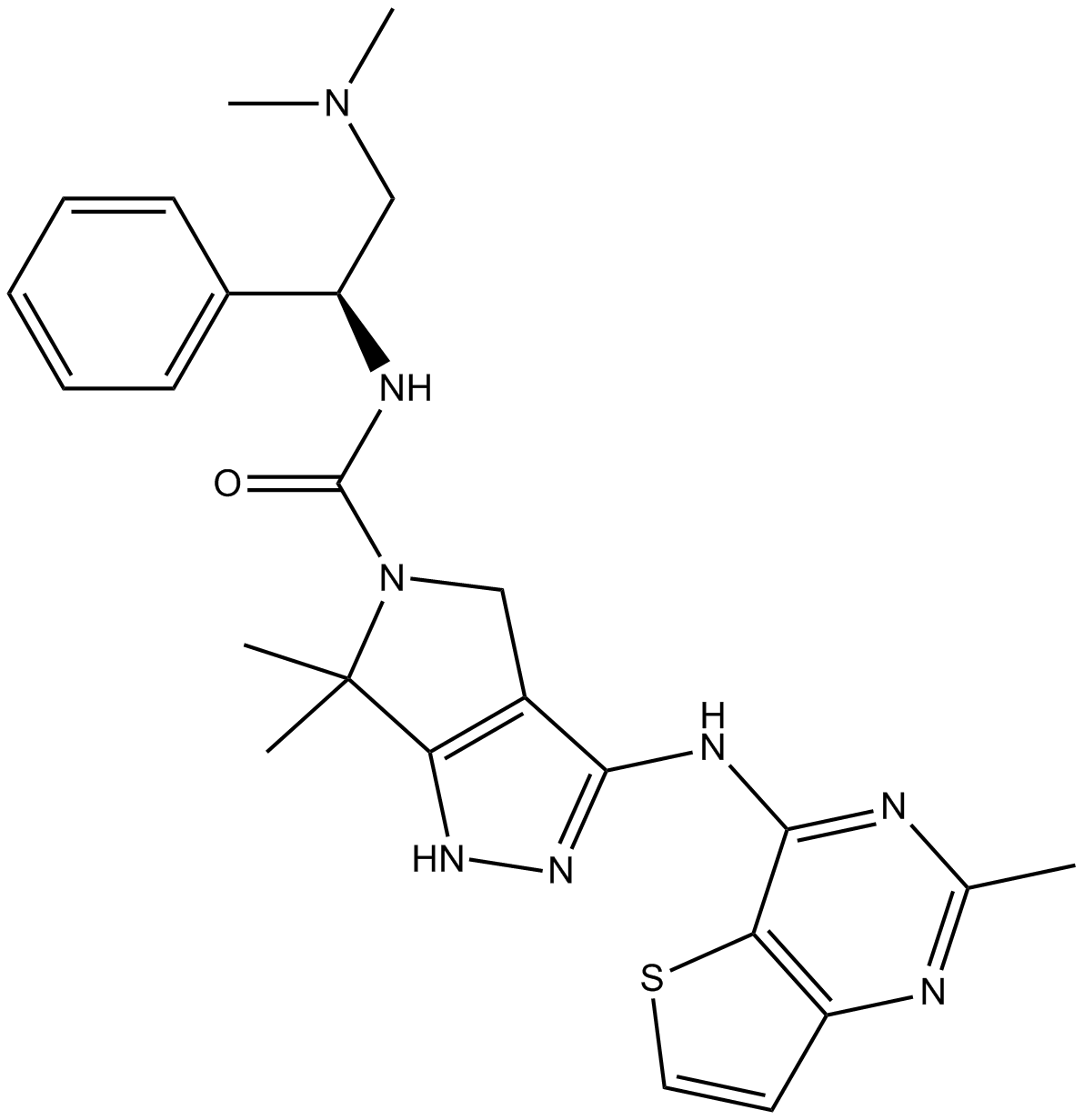 A3716 PF-37583091 CitationTarget: PAKSummary: PAK4 inhibitor
 -
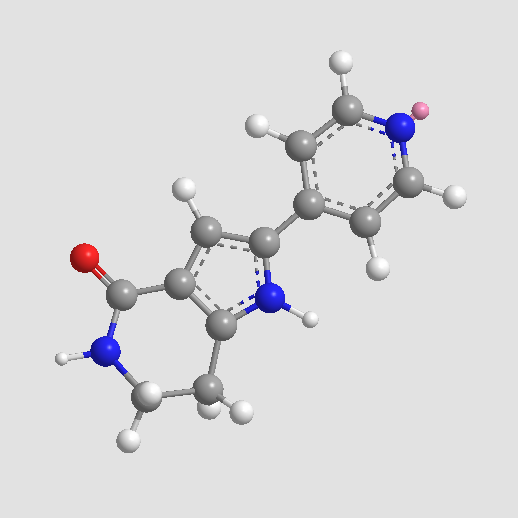 A3721 PHA-767491Target: Cyclin-Dependent Kinases|MK2|Cdc7Summary: Cdc7/cdk9 inhibitor, potent, ATP-competitive
 -
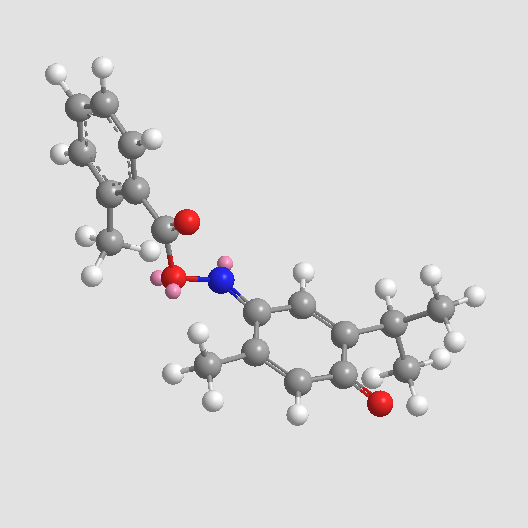 A3732 PoloxinTarget: PLKSummary: PLK1 inhibitor
 -
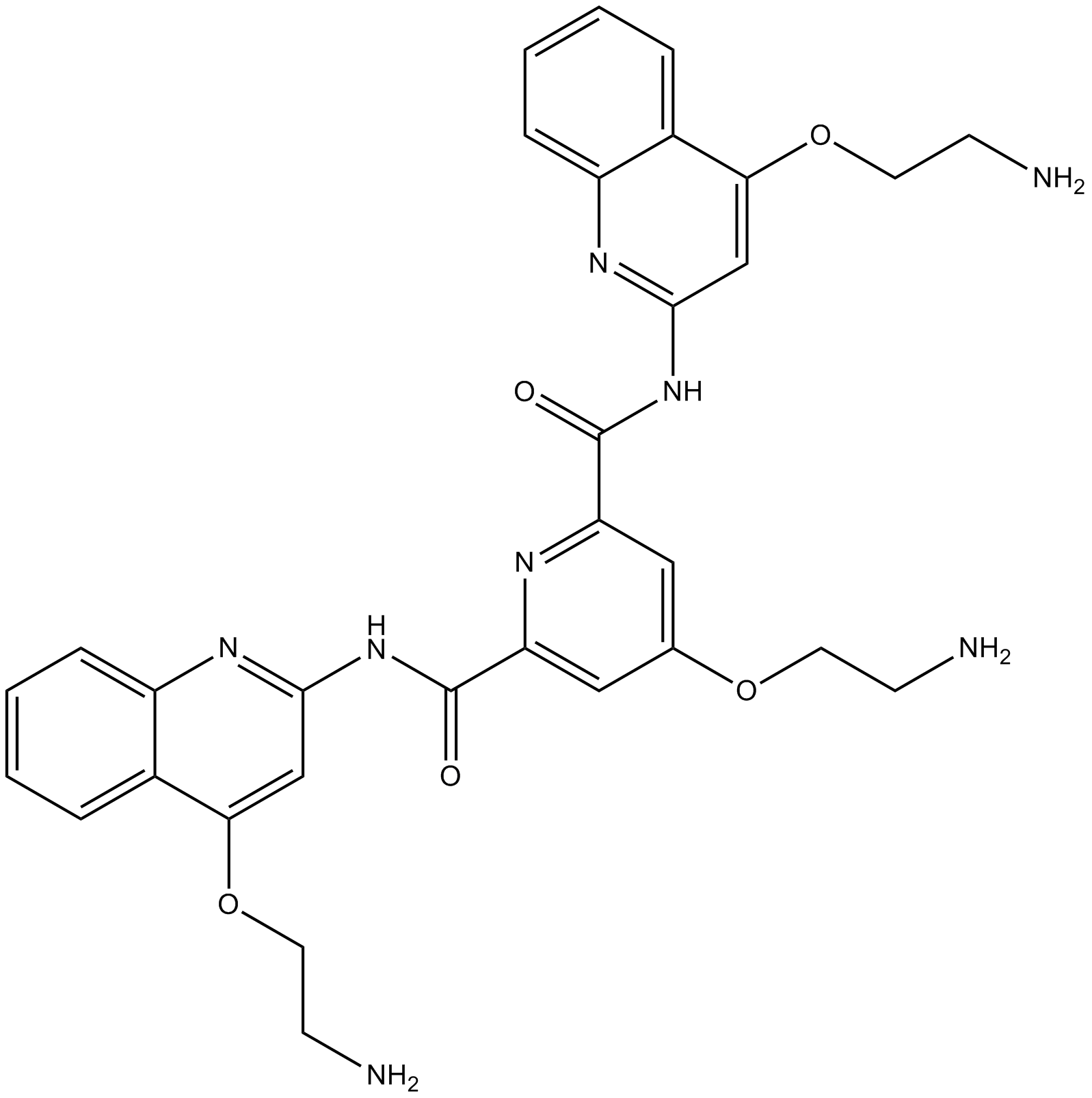 A3742 Pyridostatin7 CitationTarget: G-quadruplexesSummary: stabilizer of G-quadruplex DNA structures
 -
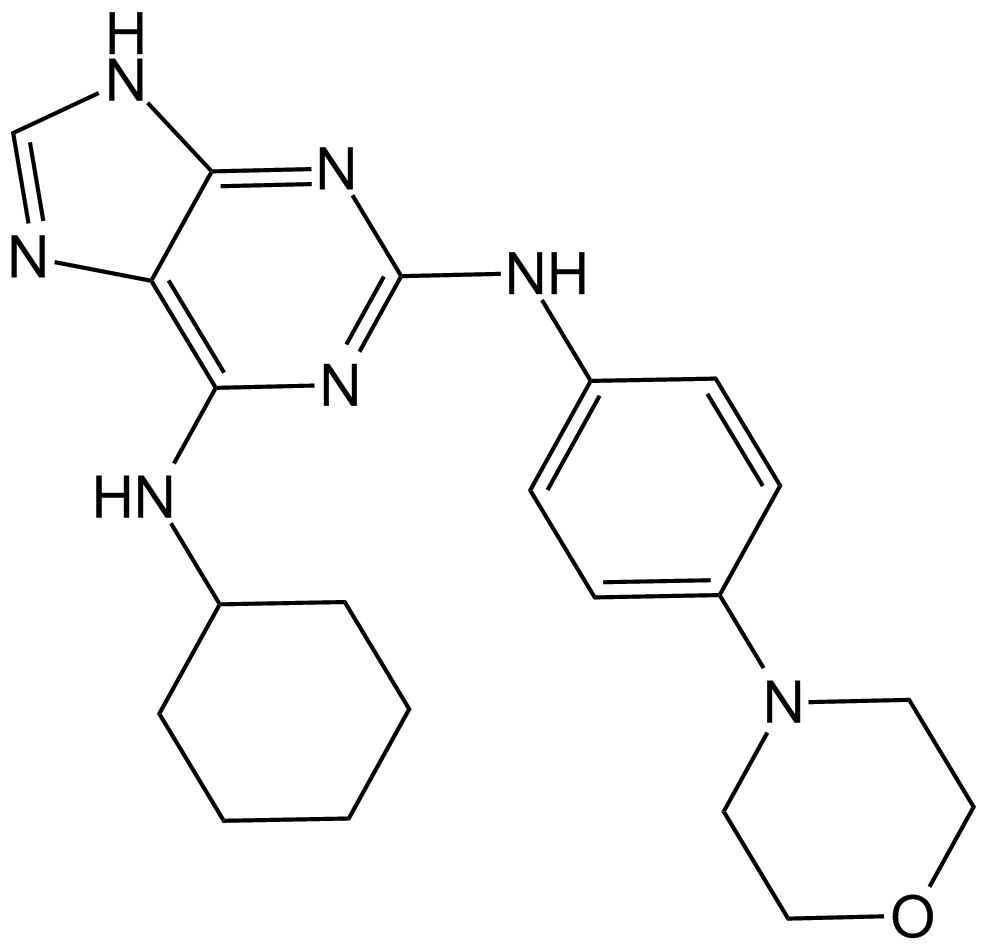 A3760 Reversine2 CitationTarget: Aurora KinasesSummary: A3 adenosine receptor antagonist,ARK-1/-2/-3 inhibitor
 -
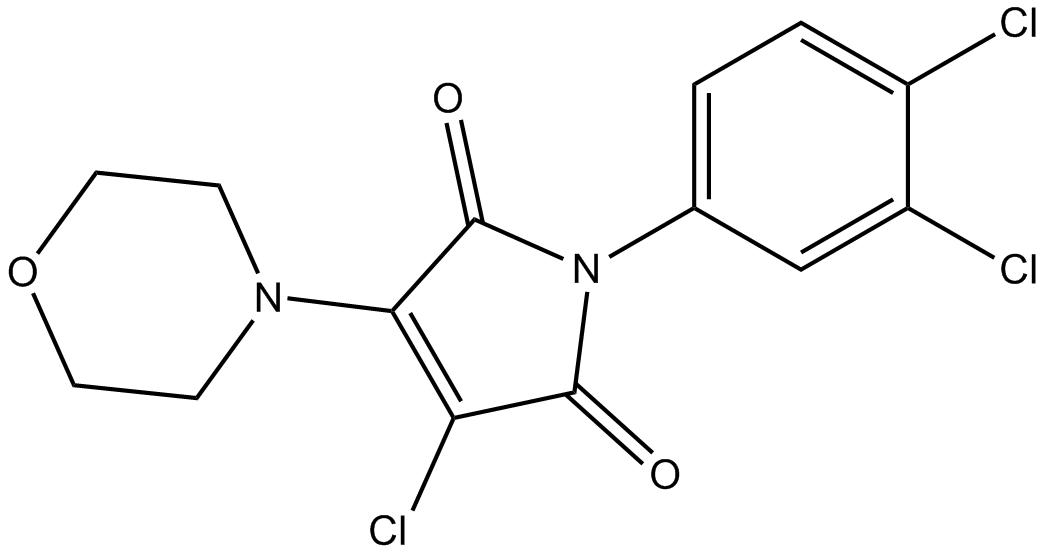 A3764 RI-1Target: RAD51Summary: RAD51 inhibitor,cell-permeable