


Anti-infection
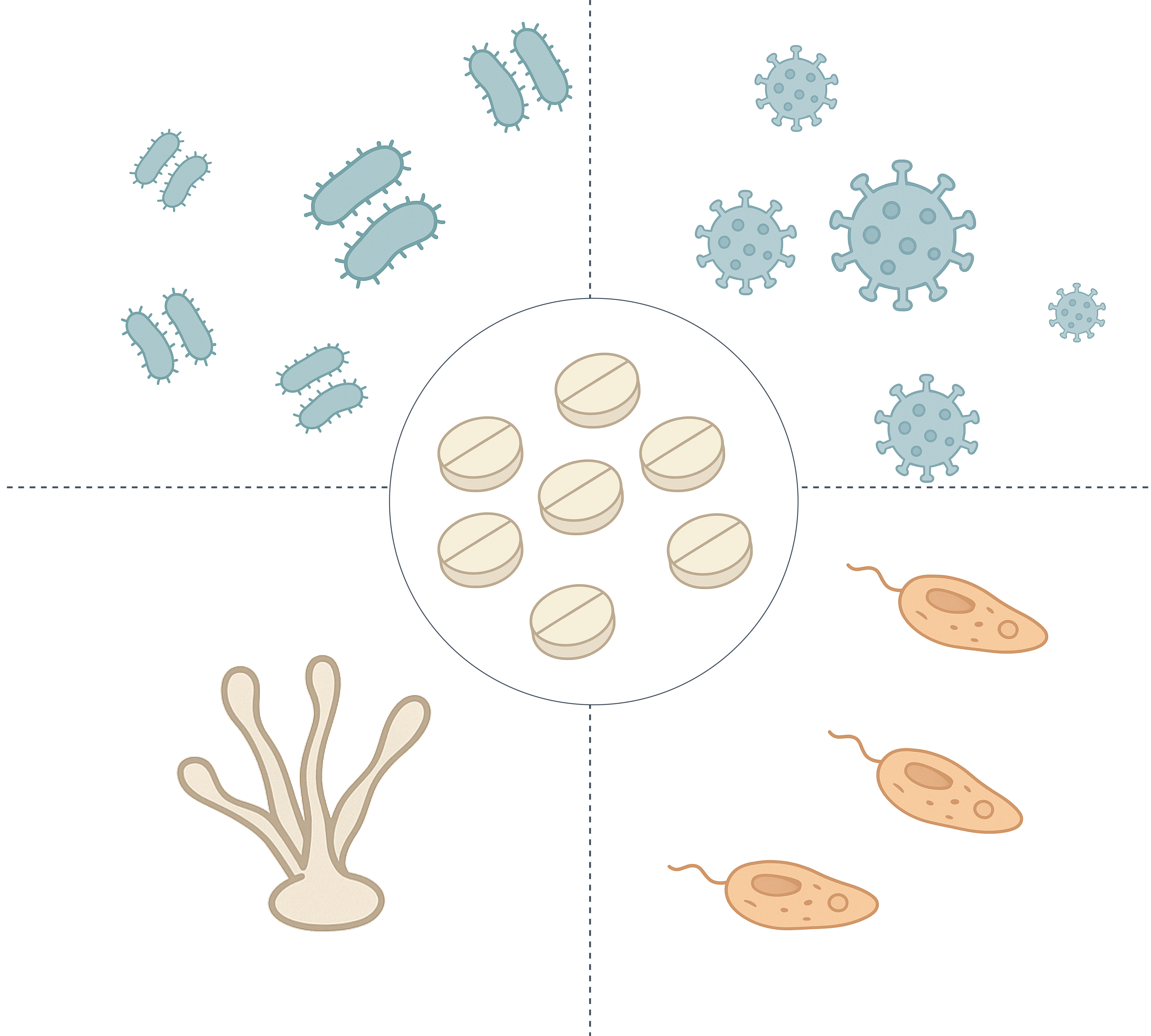
Anti-infectives are agents that eliminate or inhibit the spread of infectious organisms, encompassing antibiotics, antifungals, antivirals, and antiprotozoals.
Antibiotics are a class of antimicrobial agents specifically designed to target bacterial pathogens. They exert their effects by interfering with essential bacterial processes such as cell wall synthesis, protein synthesis, nucleic acid replication, and metabolic pathways, thereby either inhibiting bacterial growth or inducing bacterial death.
Antifungals are antimicrobial agents employed to combat fungal infections (mycoses) in humans and animals. Common antifungal classes include azoles, polyenes, echinocandins, and allylamines, which function by disrupting unique fungal structures or pathways, such as the synthesis or integrity of ergosterol-containing cell membranes and β-glucan-based cell walls, or by interfering with nucleic acid or protein synthesis.
Antivirals are compounds developed to inhibit the replication and spread of viruses within host organisms. Antivirals typically act by blocking viral entry, genome replication, protein processing, or virion assembly and release. Representative examples include nucleoside analogs, protease inhibitors, and neuraminidase inhibitors.
Antiprotozoals are drugs used to treat infections caused by protozoan parasites, including malaria, amebiasis, giardiasis, and trypanosomiasis. They act through a variety of mechanisms, including inhibition of nucleic acid synthesis, interference with mitochondrial function, and disruption of heme detoxification pathways in susceptible parasites.
-
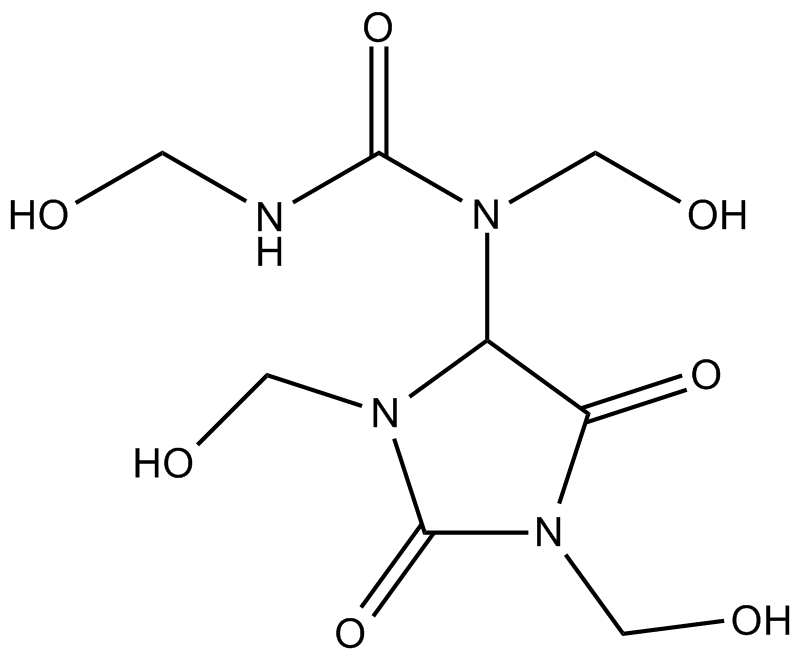 C7095 Diazolidinyl ureaSummary: A broad-spectrum preservative that inhibits microorganisms by releasing formaldehyde
 -
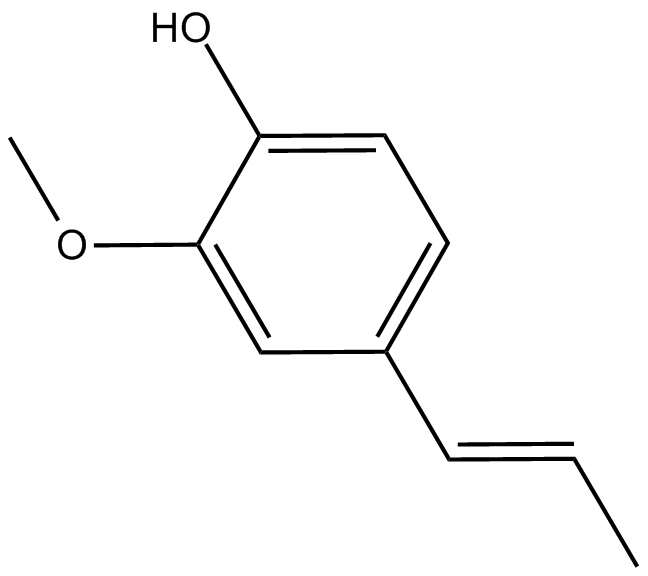 C7098 IsoeugenolSummary: A plant essential oil component for fragrances and flavors with antibacterial activity
 -
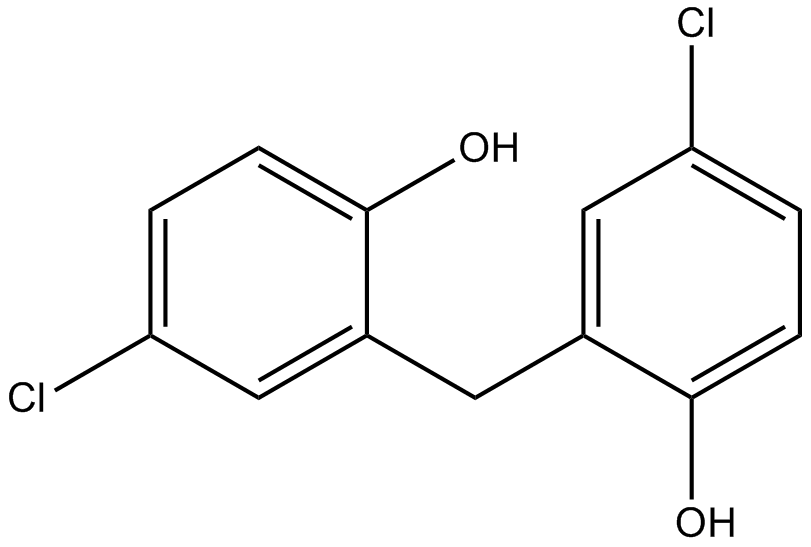 C7099 DichlorophenSummary: An antimicrobial agent for eliminating tapeworms, roundworms, hookworms and protozoa in dogs and cats
 -
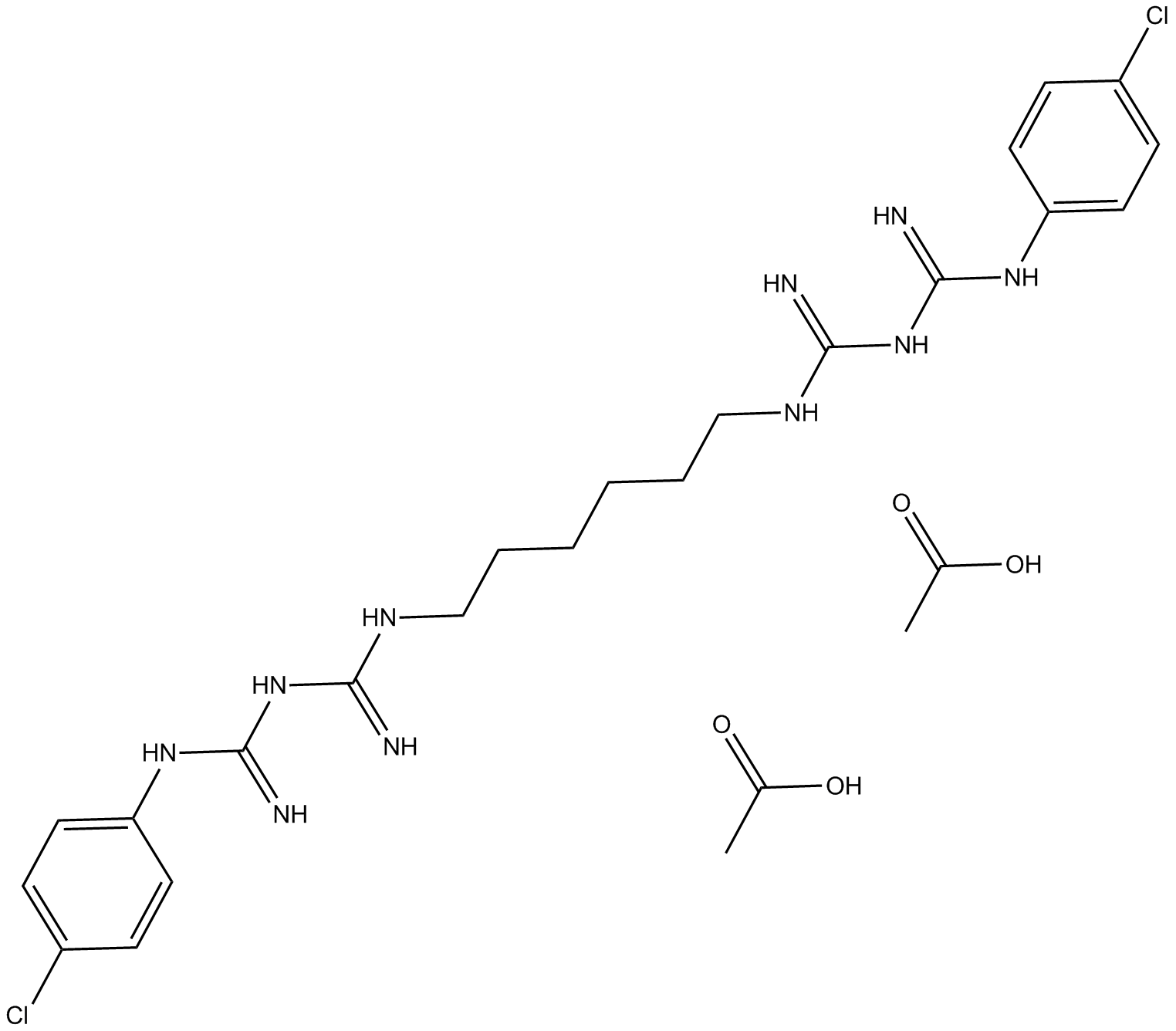 C7112 Chlorhexidine diacetateSummary: A biguanide broad-spectrum antimicrobial agent that rapidly acts on bacterial cell membranes
 -
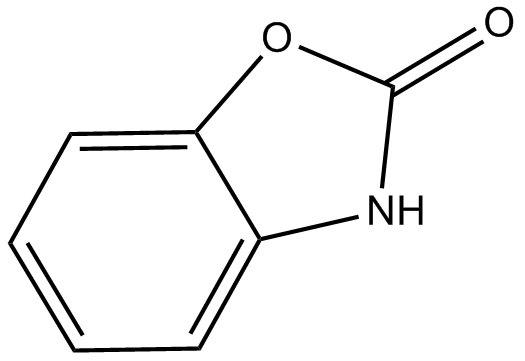 C7114 2-BenzoxazolinoneSummary: A benzoxazolinone compound with antileishmanial activity that inhibits bacterial quorum sensing for leishmaniasis and bacterial infection
 -
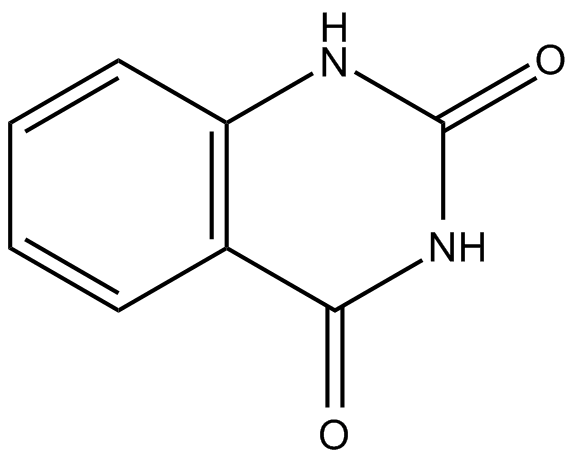 C7115 BenzoyleneureaSummary: A molecular scaffold with antibacterial activity commonly used to synthesize PGGTase-I inhibitors
 -
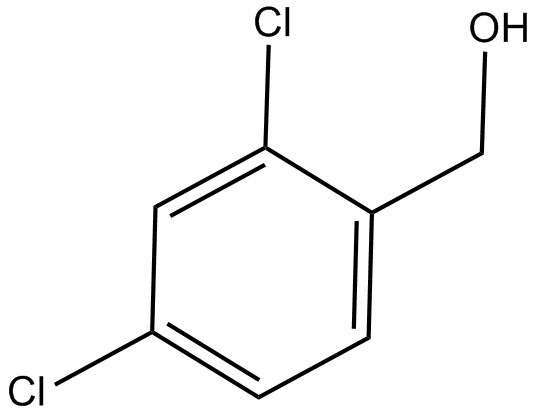 C7122 2,4-Dichlorobenzyl alcoholSummary: A mild antimicrobial and antiviral agent for oral and throat infections
 -
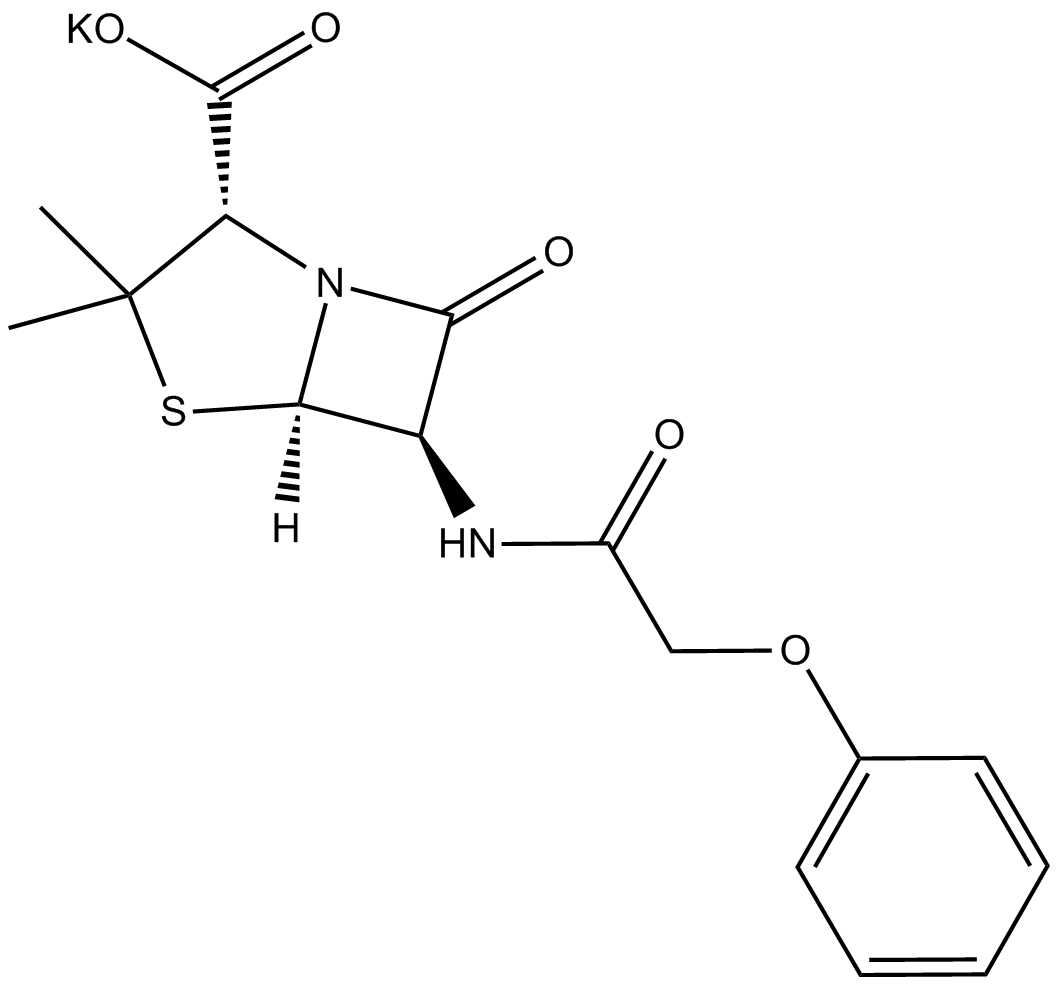 C7123 Penicillin V potassium saltSummary: A broad-spectrum penicillin antibiotic for the treatment of Gram-positive bacterial infections
 -
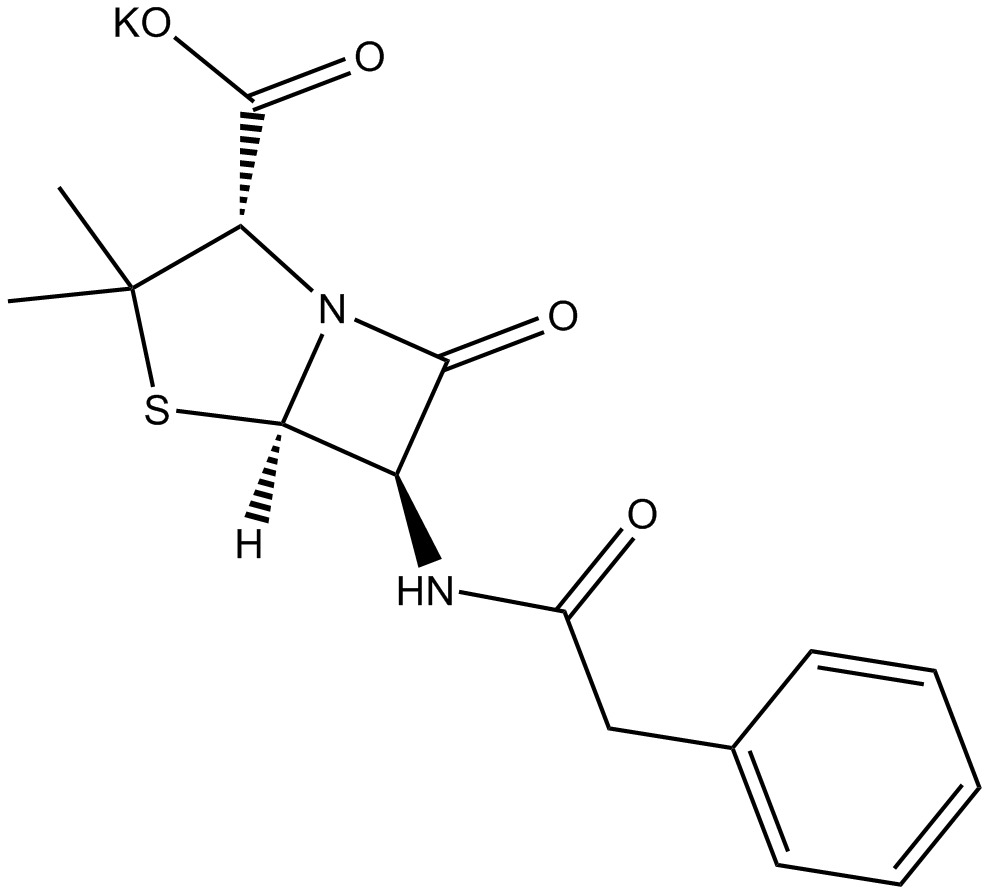 C7124 Benzylpenicillin potassiumSummary: An antibiotic for bacterial infections of the blood, heart, lung, joints and genital tract
 -
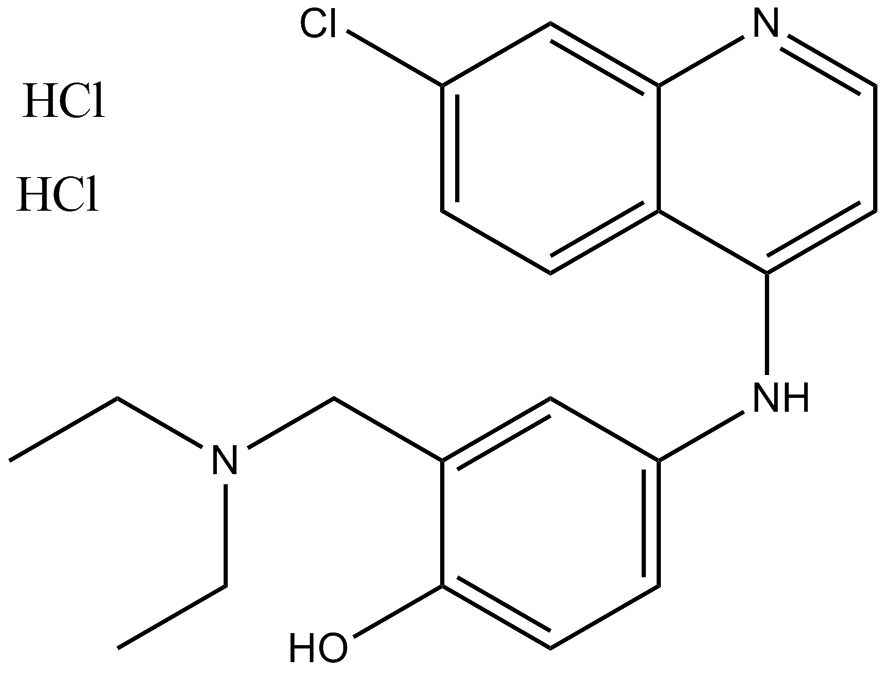 C7157 Amodiaquine hydrochlorideSummary: A compound with antimalarial activity that inhibits histamine N-methyltransferase and activates Nurr1