


Anti-infection
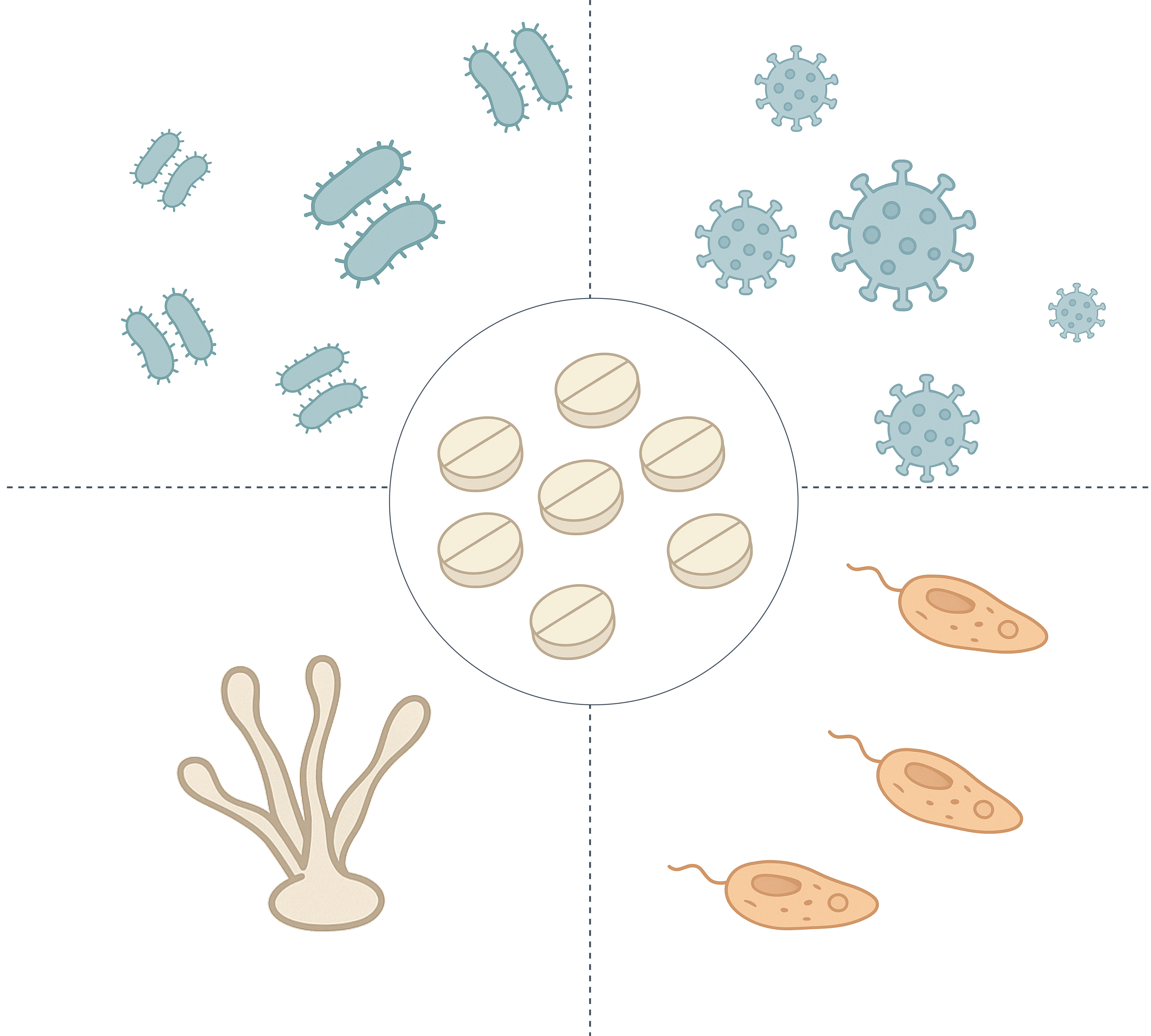
Anti-infectives are agents that eliminate or inhibit the spread of infectious organisms, encompassing antibiotics, antifungals, antivirals, and antiprotozoals.
Antibiotics are a class of antimicrobial agents specifically designed to target bacterial pathogens. They exert their effects by interfering with essential bacterial processes such as cell wall synthesis, protein synthesis, nucleic acid replication, and metabolic pathways, thereby either inhibiting bacterial growth or inducing bacterial death.
Antifungals are antimicrobial agents employed to combat fungal infections (mycoses) in humans and animals. Common antifungal classes include azoles, polyenes, echinocandins, and allylamines, which function by disrupting unique fungal structures or pathways, such as the synthesis or integrity of ergosterol-containing cell membranes and β-glucan-based cell walls, or by interfering with nucleic acid or protein synthesis.
Antivirals are compounds developed to inhibit the replication and spread of viruses within host organisms. Antivirals typically act by blocking viral entry, genome replication, protein processing, or virion assembly and release. Representative examples include nucleoside analogs, protease inhibitors, and neuraminidase inhibitors.
Antiprotozoals are drugs used to treat infections caused by protozoan parasites, including malaria, amebiasis, giardiasis, and trypanosomiasis. They act through a variety of mechanisms, including inhibition of nucleic acid synthesis, interference with mitochondrial function, and disruption of heme detoxification pathways in susceptible parasites.
-
 BA1209 TigemonamSummary: Tigemonam is a monomycin.
 -
BA1210 AVN-944Summary: AVN-944 (VX-944) is an orally effective, selective, non-competitive and specific inhibitor of (inosine monophosphate dehydrogenase).
-
BA1211 TecovirimatSummary: Tecovirimat (ST-246) is an orally active antipoxviral compound that is potent and selective against multiple orthopoxviruses.
-
BA1212 ST-193Summary: ST-193 is an effective broad-spectrum inhibitor.
-
BA1213 LHF-535Summary: LHF-535 is an antiviral agent.
-
BA1216 VaborbactamSummary: A cyclic boronic acid pharmacophore beta-lactamase inhibitor.
-
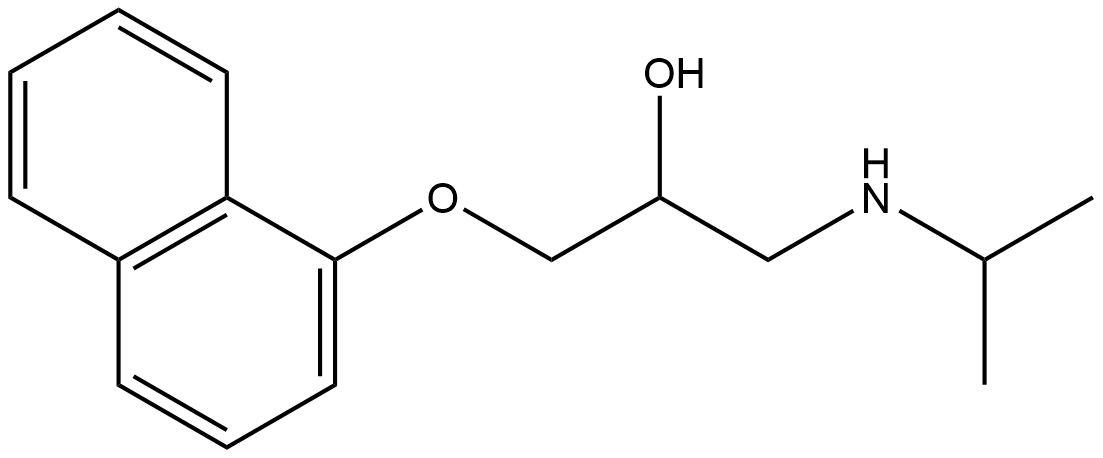 BA1217 PropranololSummary: A nonselective and blood-brain barrier-permeable β-adrenergic receptor antagonist with high affinity for β1 and β2 receptors for cardiovascular disease
 -
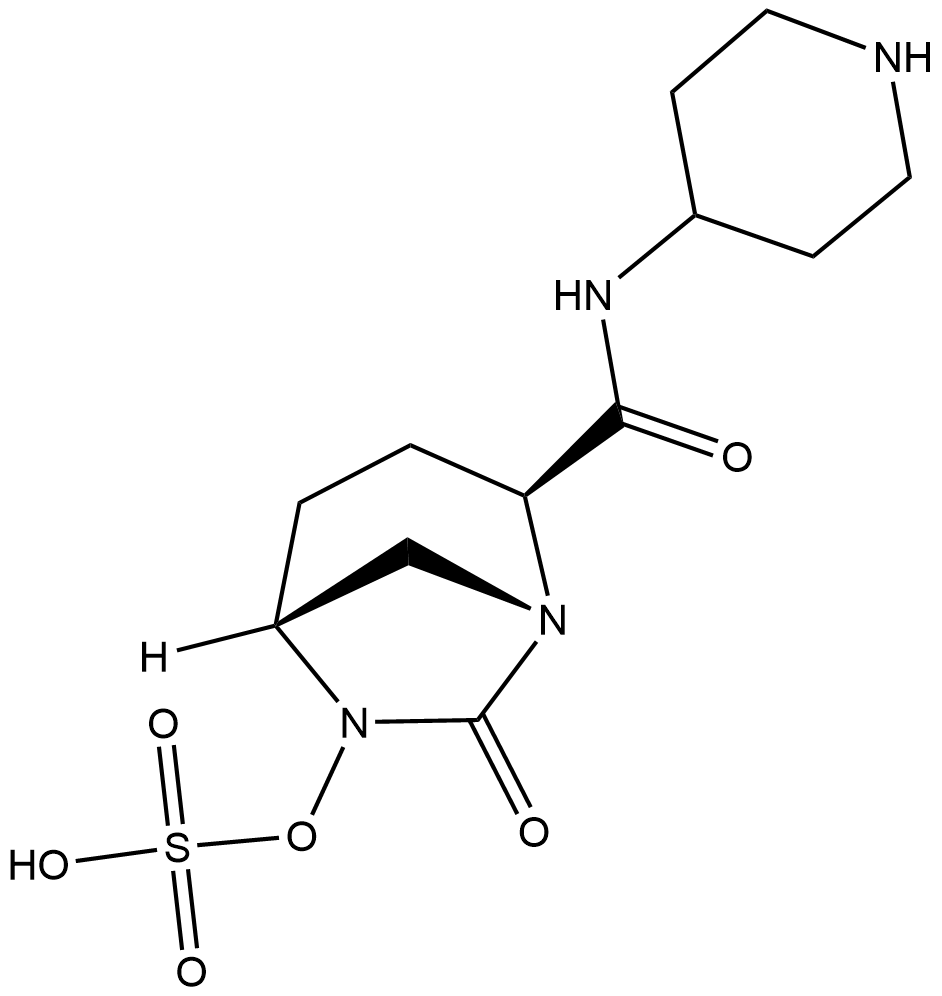 BA1219 RelebactamSummary: Relebactam is a diazabicyclooctane inhibitor with broad-spectrum anti-beta-lactamase activity, including Class A (ultra-broad-spectrum beta-lactamases and KPC) and Class C (AmpCase).
 -
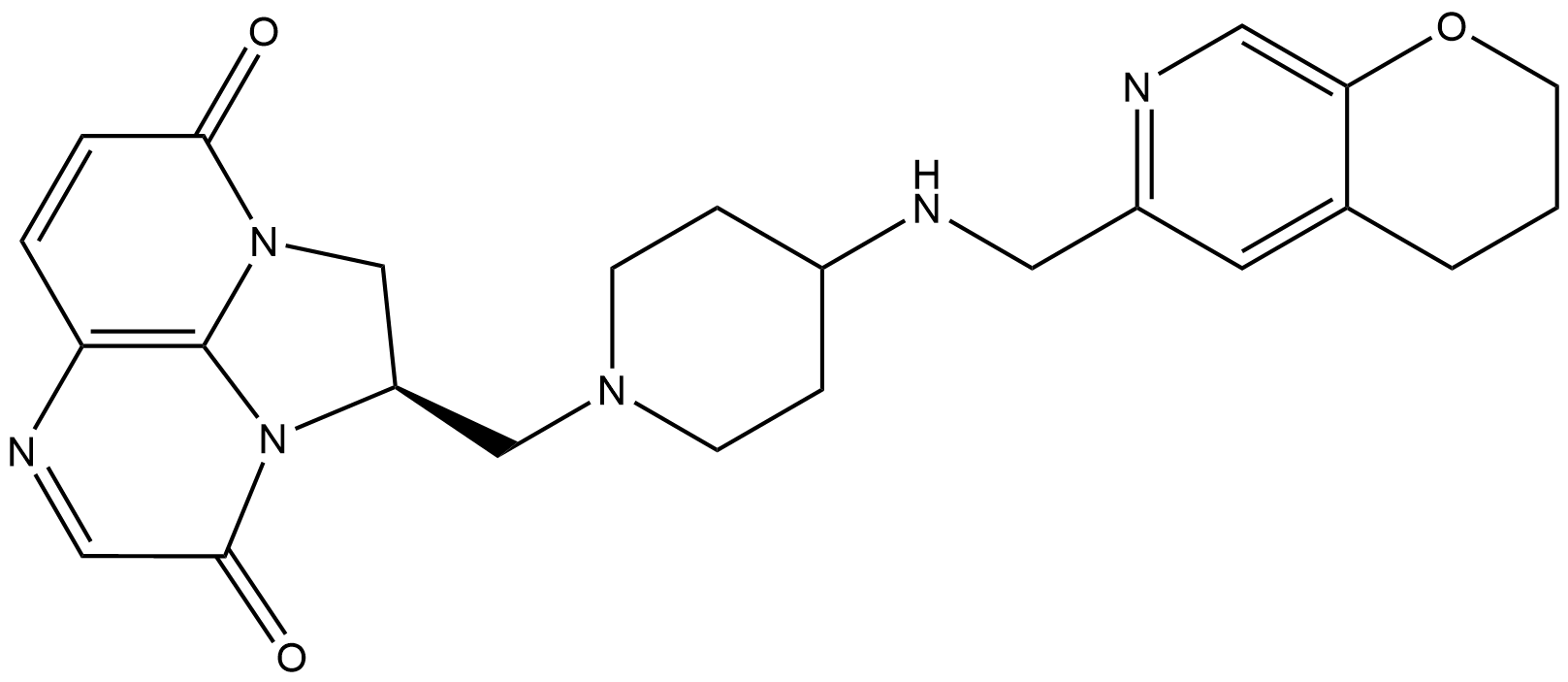 BA1220 GepotidacinSummary: A novel triazaacenaphthylene bacterial type II topoisomerase inhibitor.
 -
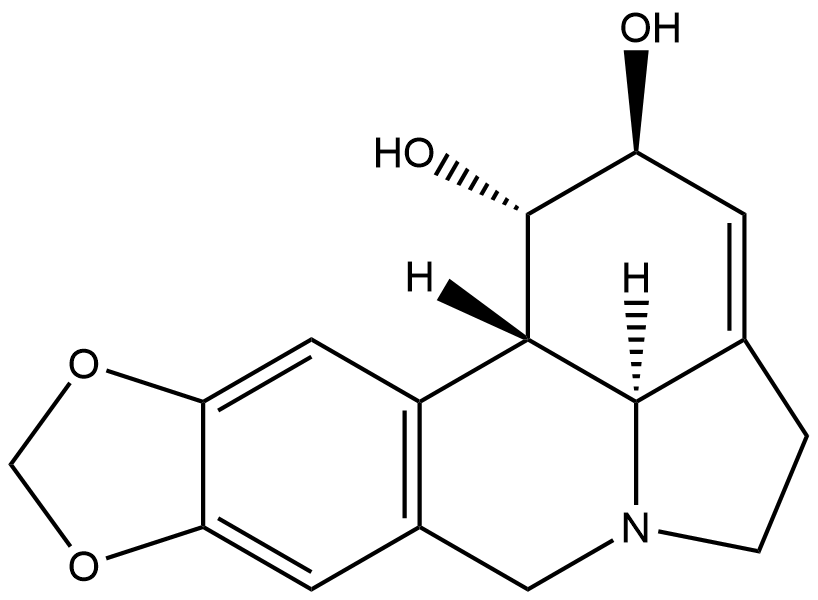 BA1221 LycorineSummary: A naturally occurring alkaloid extracted from plants of the family Amaryllidaceae