


Tyrosine Kinase
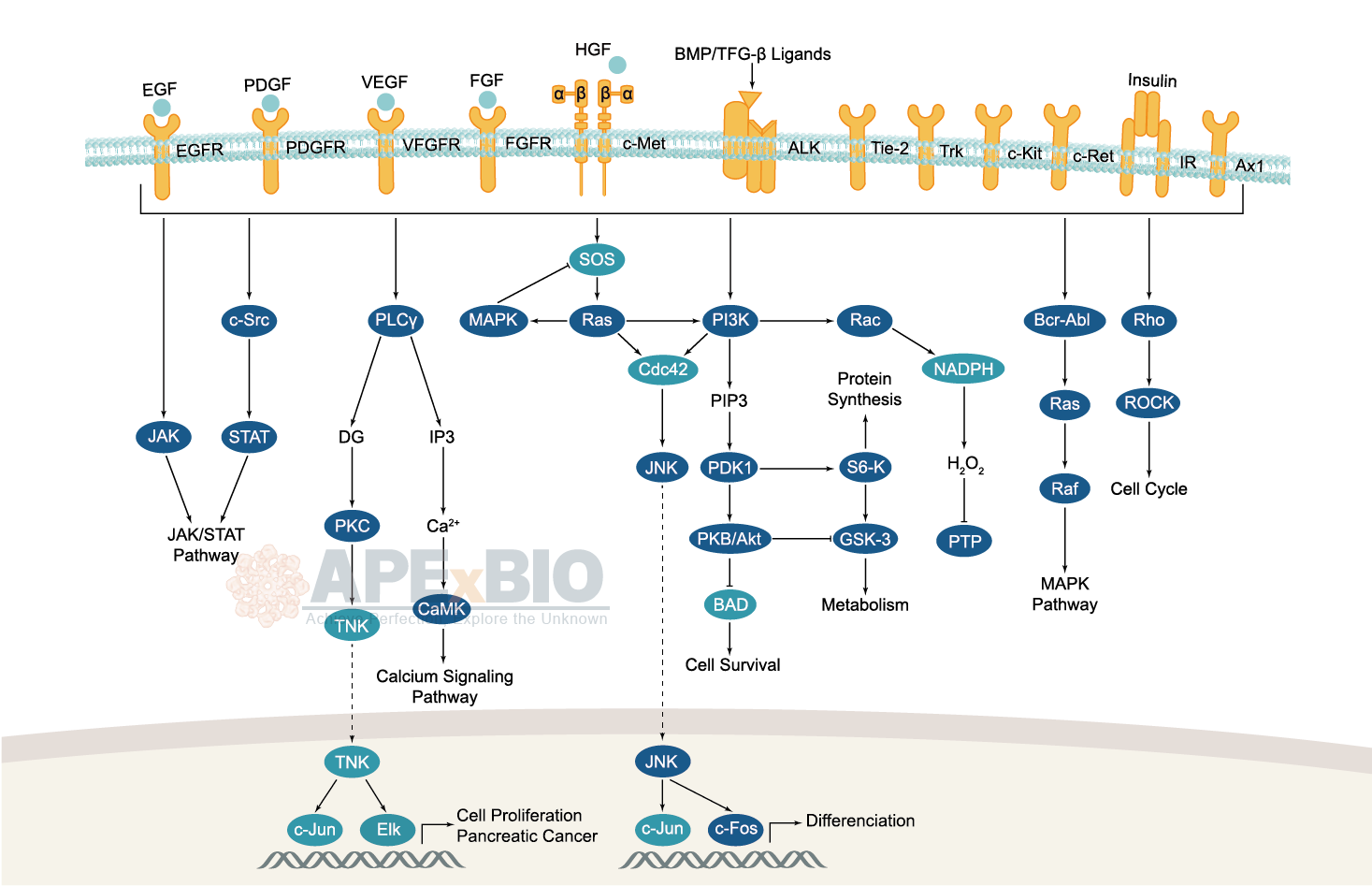
Receptor tyrosine kinases bind to extracellular ligands/growth factors, which promotes receptor dimerization and autophosphorylation of receptor tyrosine residues. This triggers a cascade of downstream events through phosphorylation of intracellular proteins that ultimately transduce the extracellular signal to the nucleus, causing changes in gene expression. Receptor tyrosine kinases include EGFR/ErbB, PDGFR, VEGFR, FGFR and MET subfamilies etc. Dysfunctions in tyrosine phosphorylation are linked to oncogenic transformation. In additions, various adaptor and effector proteins couple to carboxy-terminal of an active kinase. For instance, binding of the GRB2 adaptor protein activates EGFR and MAPK/ERK signaling.
Non-receptor tyrosine kinases involve many well-defined proteins (e.g. the Src family kinases, c-Abl, and Jak kinases) and other kinases which regulates cell growth and differentiation. For example, Src family kinases are curial for activating and inhibitory pathways in the innate immune response.
-
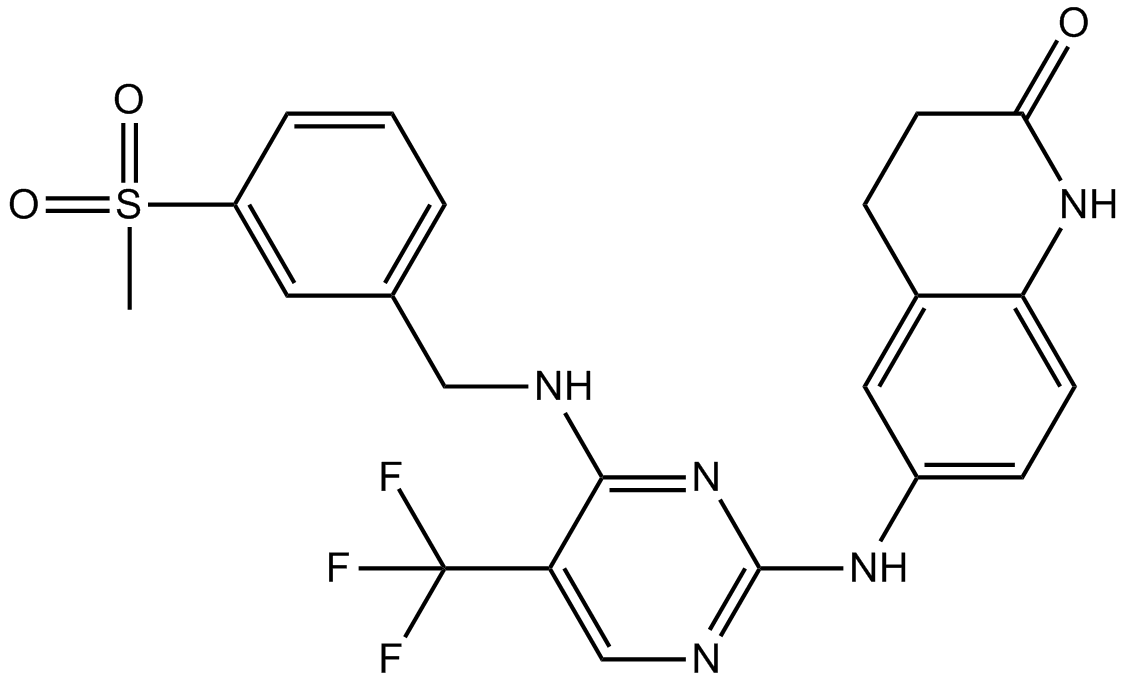 B1523 PF-5732285 CitationSummary: ATP-competitive FAK inhibitor
 -
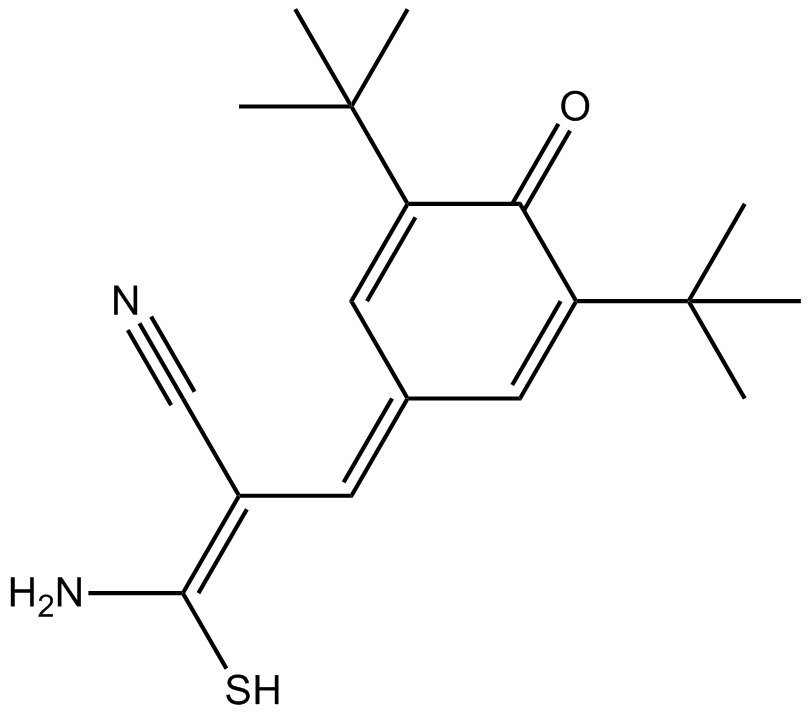 B1544 Tyrphostin AG 879Summary: HER2 inhibitor
 -
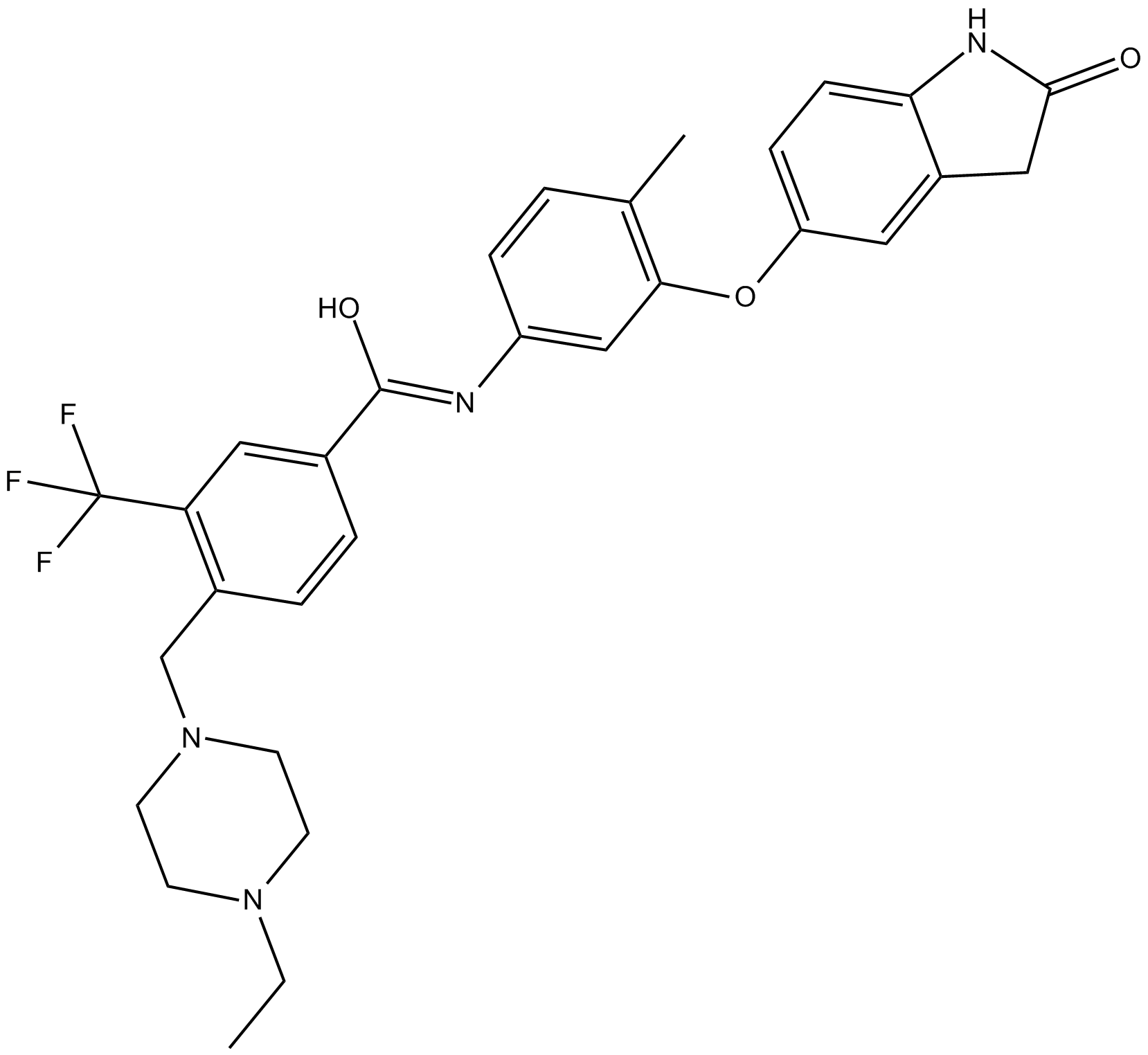 B3383 DDR1-IN-1Summary: selective DDR1 receptor tyrosine kinase inhibitor
 -
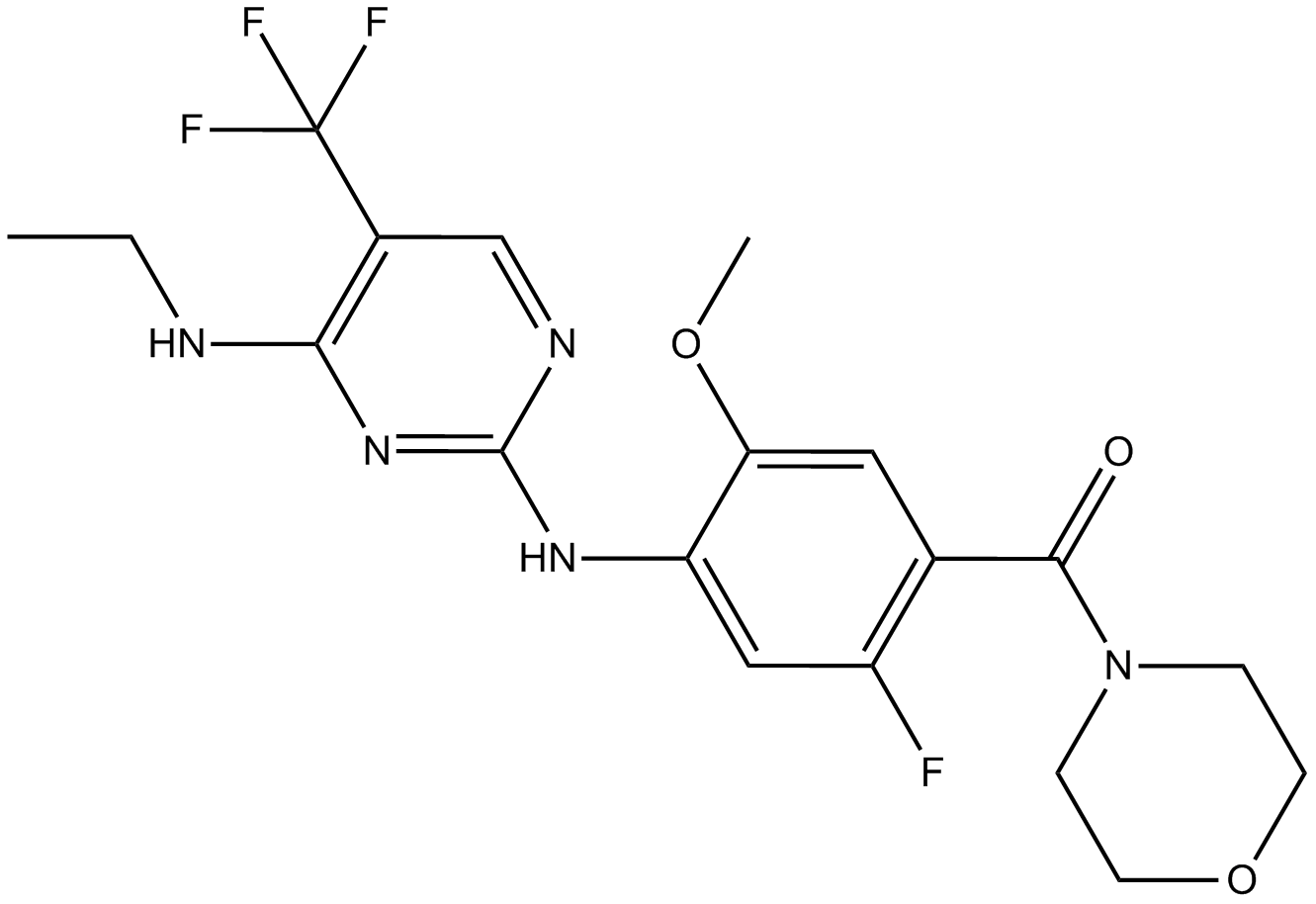 B3605 GNE-7915Target: LRRK2Summary: Potent and selective LRRK2 inhibitor
 -
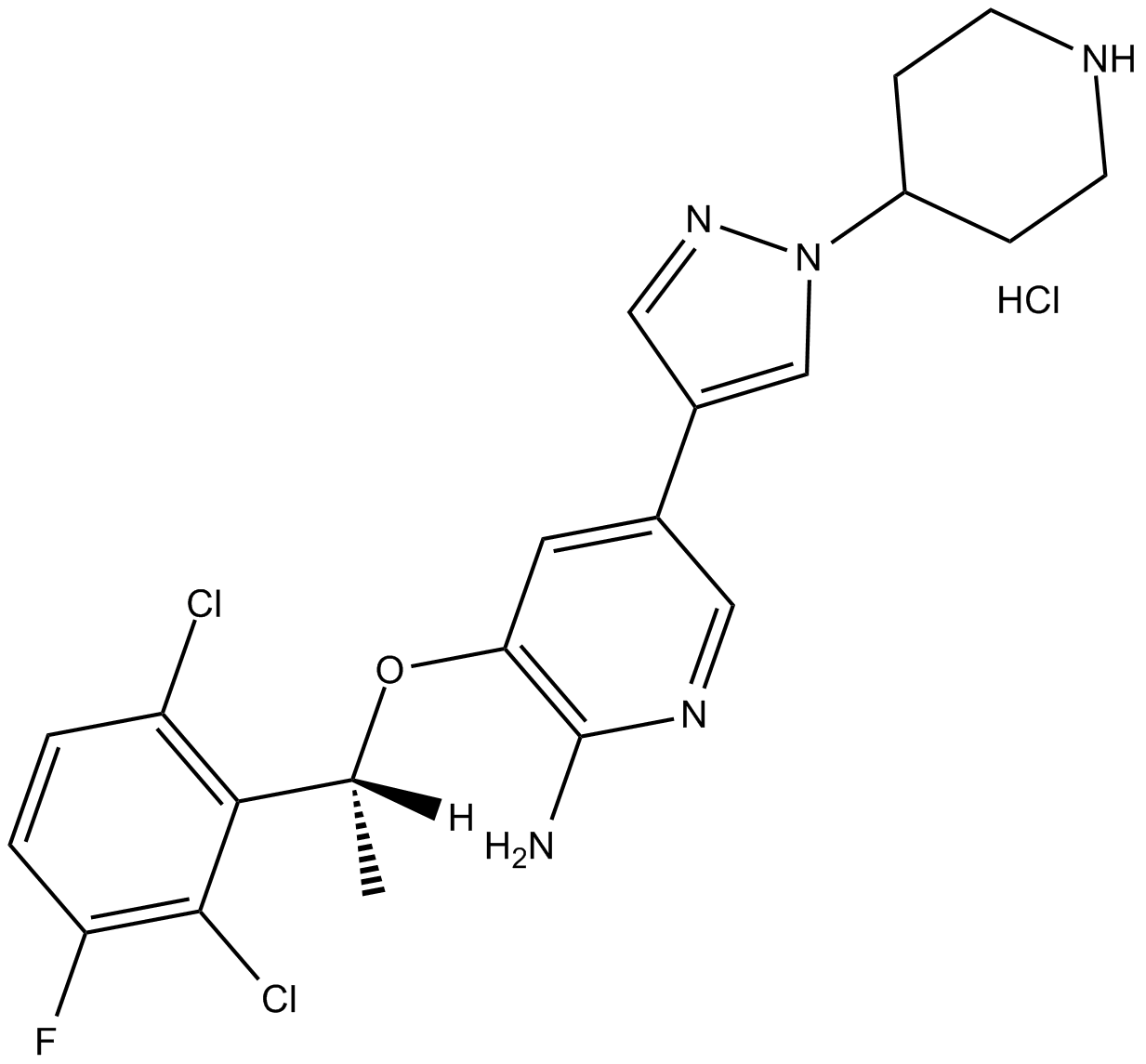 B3608 Crizotinib hydrochlorideSummary: inhibitor of the c-Met kinase and the NPM-ALK
 -
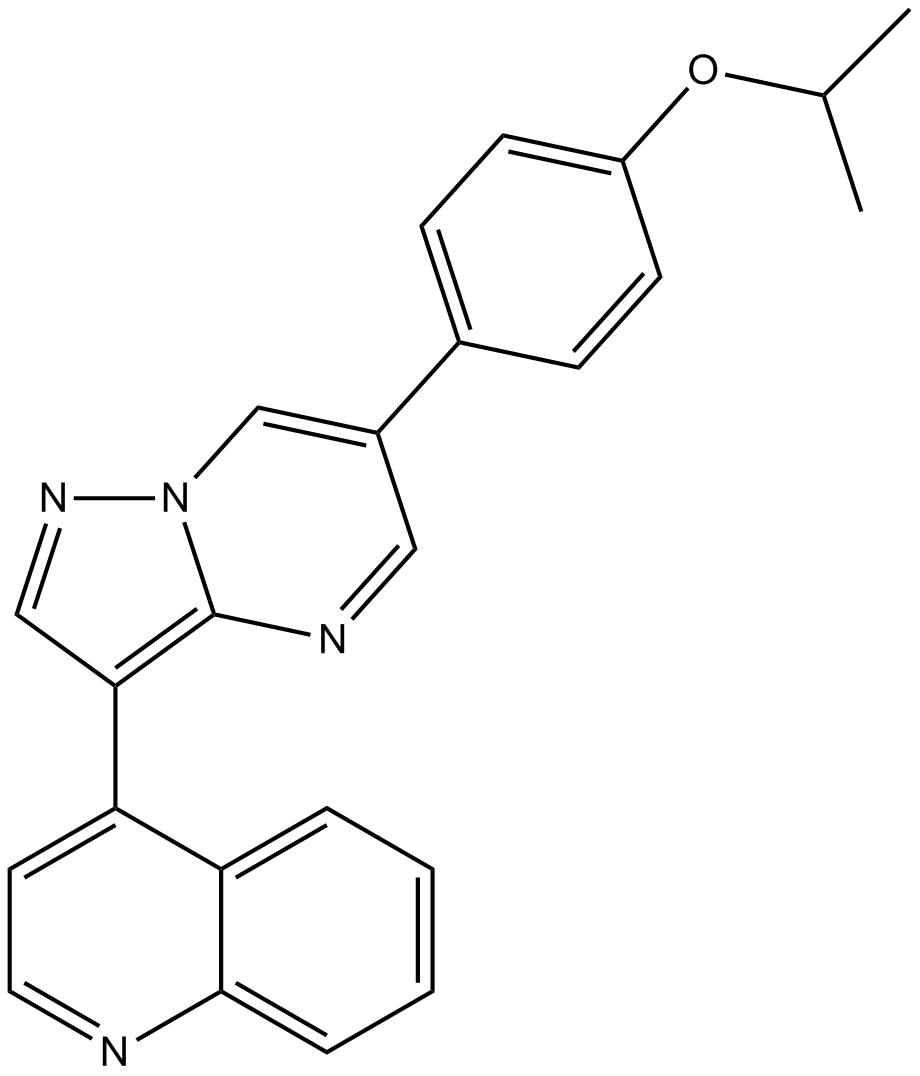 B3686 DMH-13 CitationTarget: BMP and Other Activin ReceptorsSummary: Selective BMP ALK2 receptor
 -
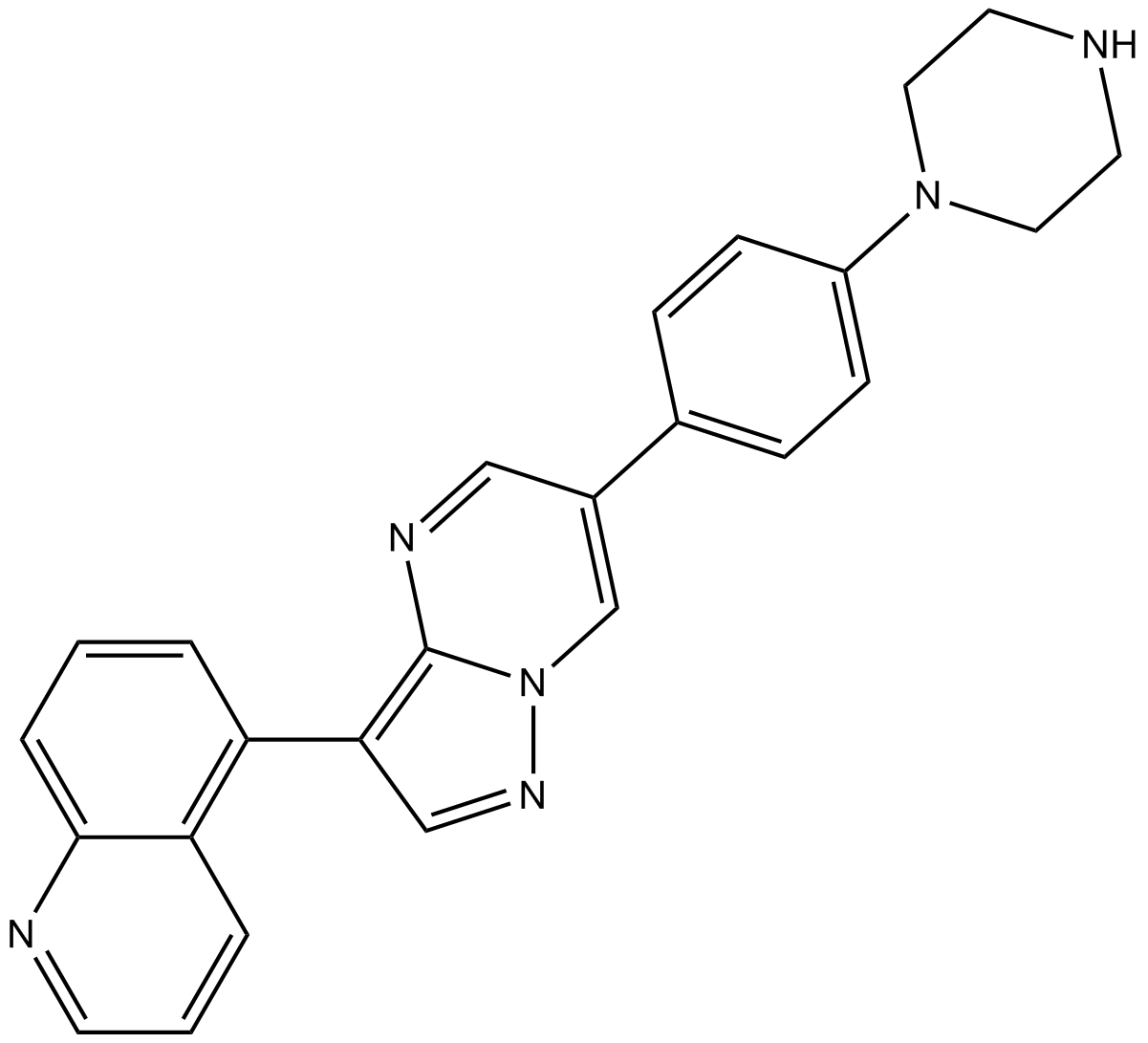 B3687 LDN-212854Summary: BMP receptor inhibitor,potent and selective
 -
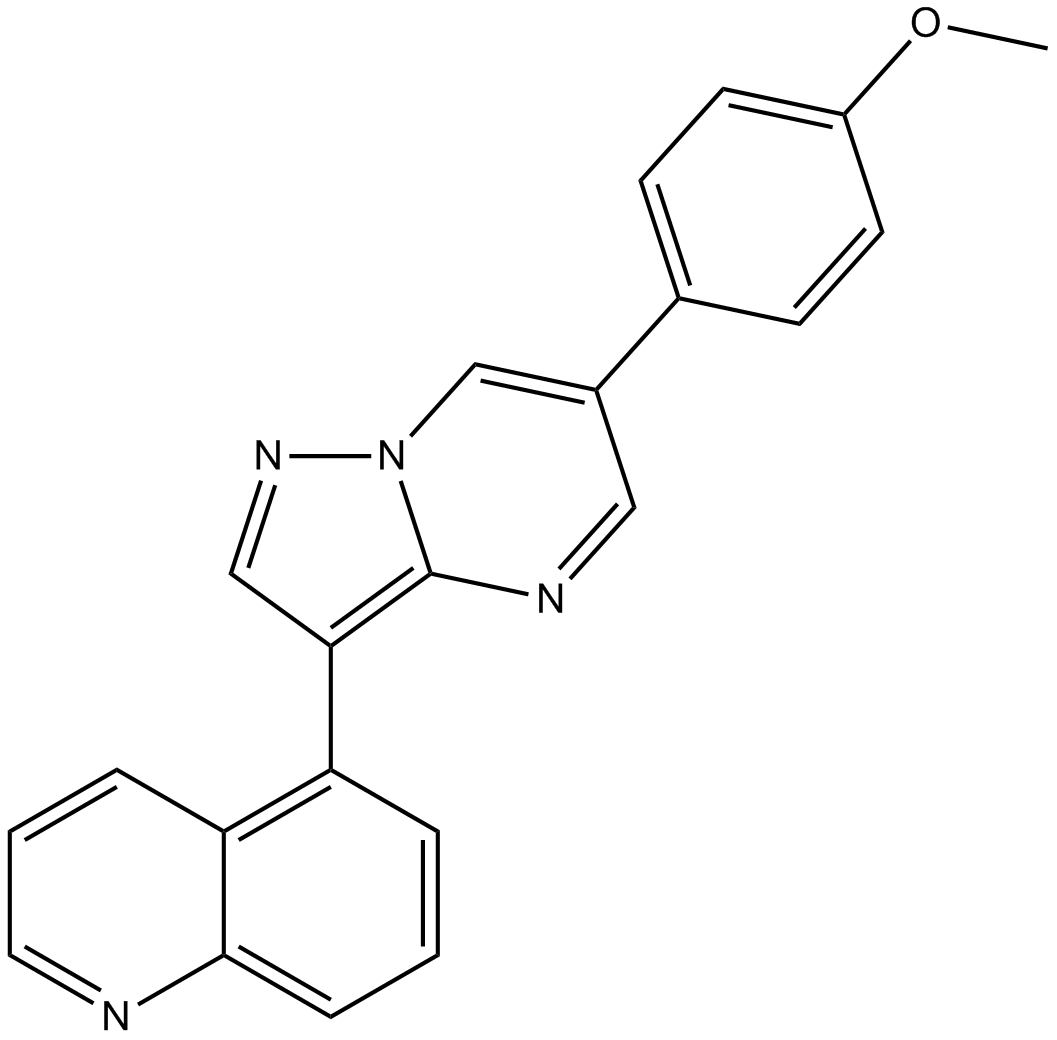 B3688 ML347Target: BMP and Other Activin ReceptorsSummary: BMP receptor inhibitor,potent and selective
 -
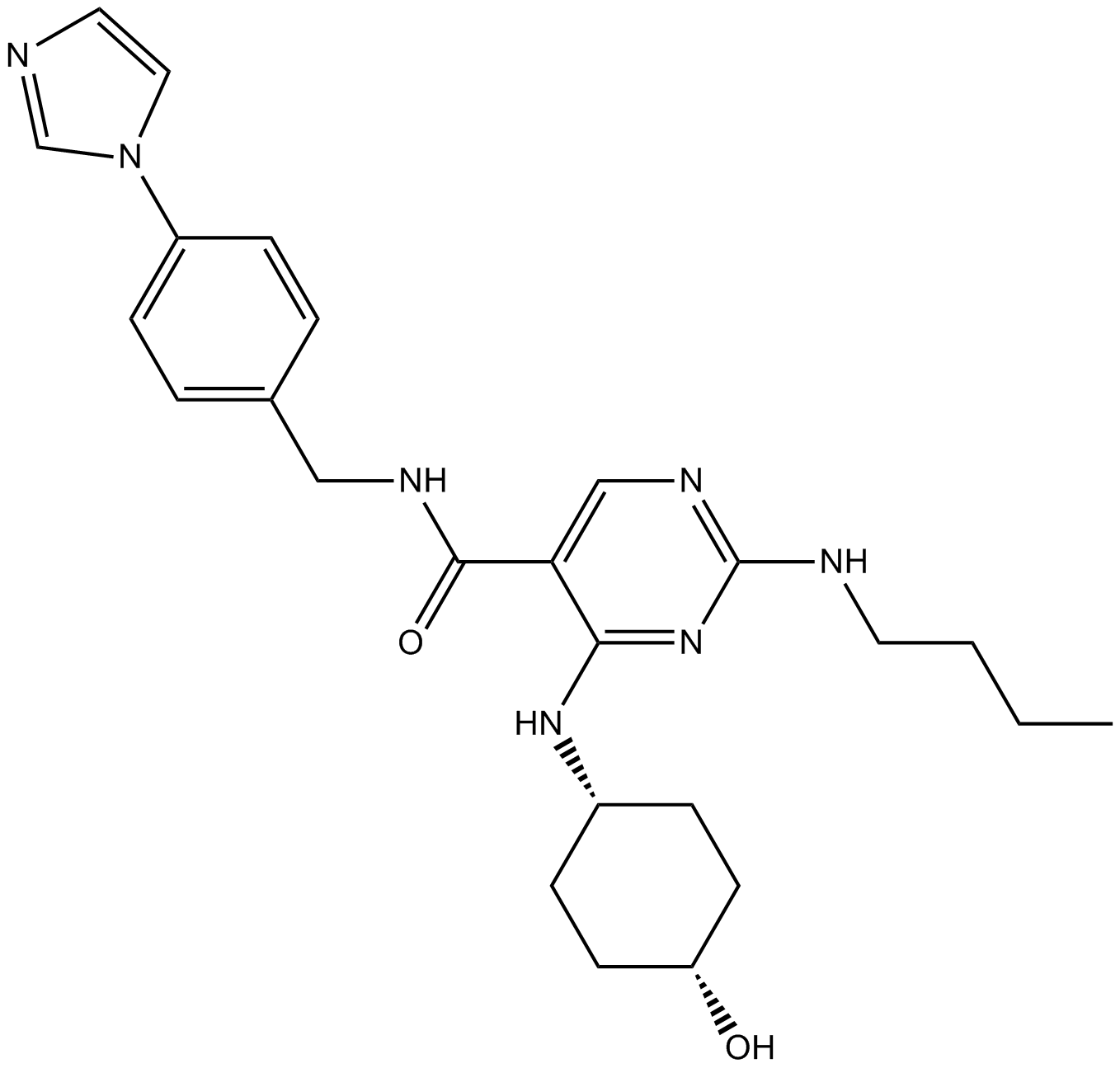 B4357 UNC2881Target: Mer tyrosine kinaseSummary: Mer tyrosine kinase inhibitor
 -
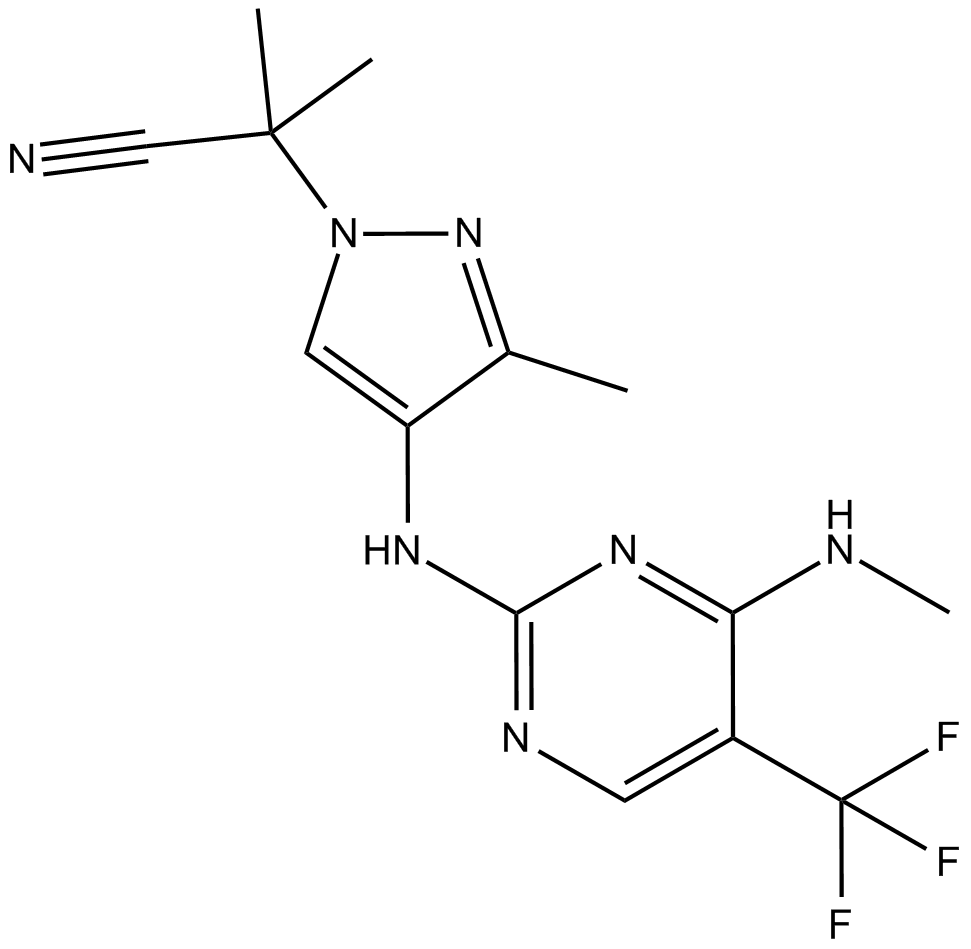 B4633 GNE0877Target: LRRK2Summary: Potent and selective LRRK2 inhibitor