


Metabolism
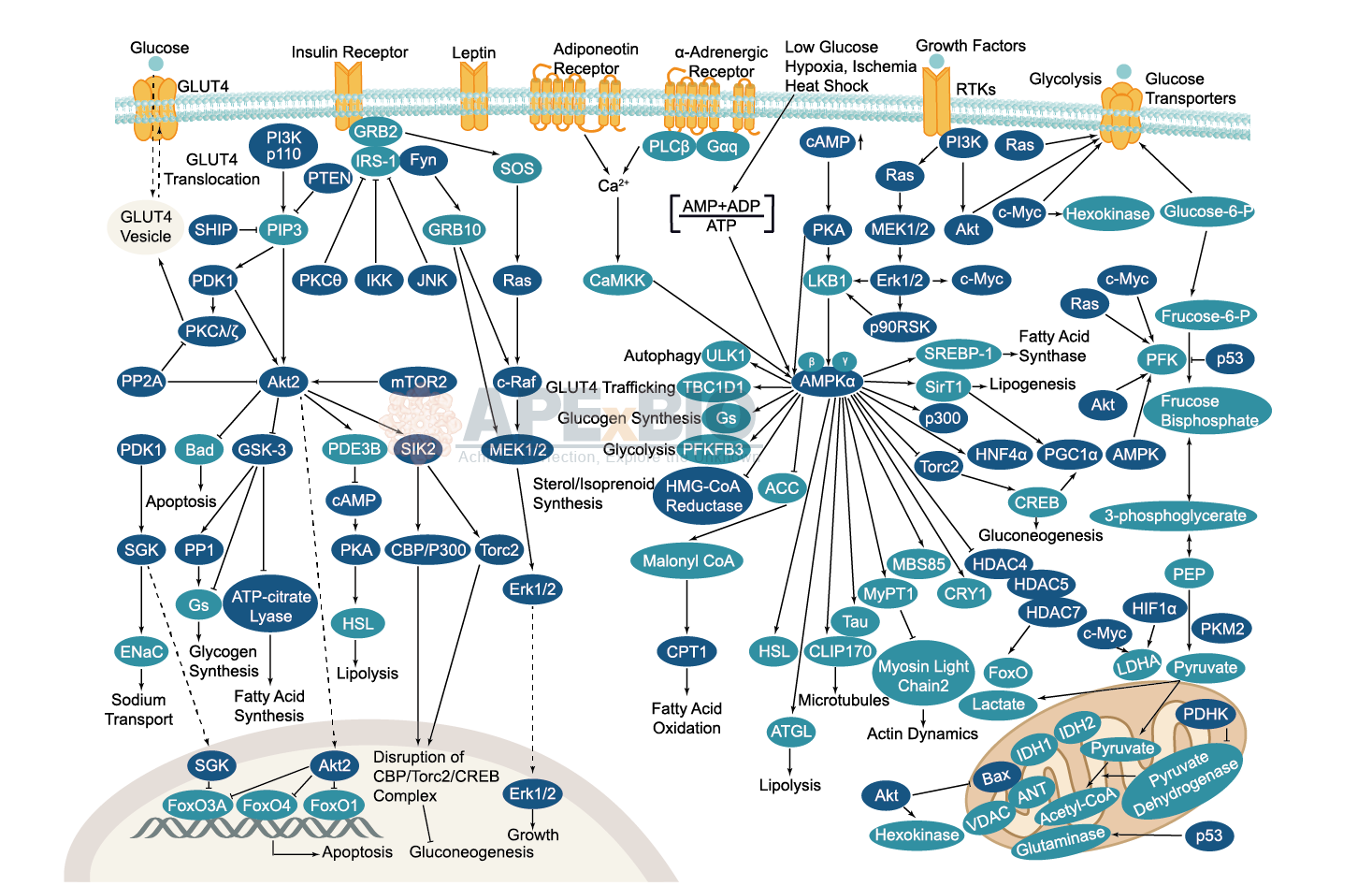
Serine/threonine kinase AMPK upregulates glucose uptake by promoting the expression and function of glucose transporters. AMPK is activated by increased AMP/ATP ratio, resulting from cellular and environmental stress, e.g. low glucose, heat shock, hypoxia and ischemia. AMPK activation positively modulates signaling transductions that refill ATP levels. Moreover, it also stimulates catabolic processes such as fatty acid oxidation and glycolysis through inhibition of ACC and activation of PFK2. AMPK negatively regulates various proteins which are important to ATP-consuming mechanisms, e.g. mTORC2, glycogen synthase, SREBP-1, and TSC2, causing the downregulation/inhibition of gluconeogenesis and glycogen, lipid and protein synthesis.
-
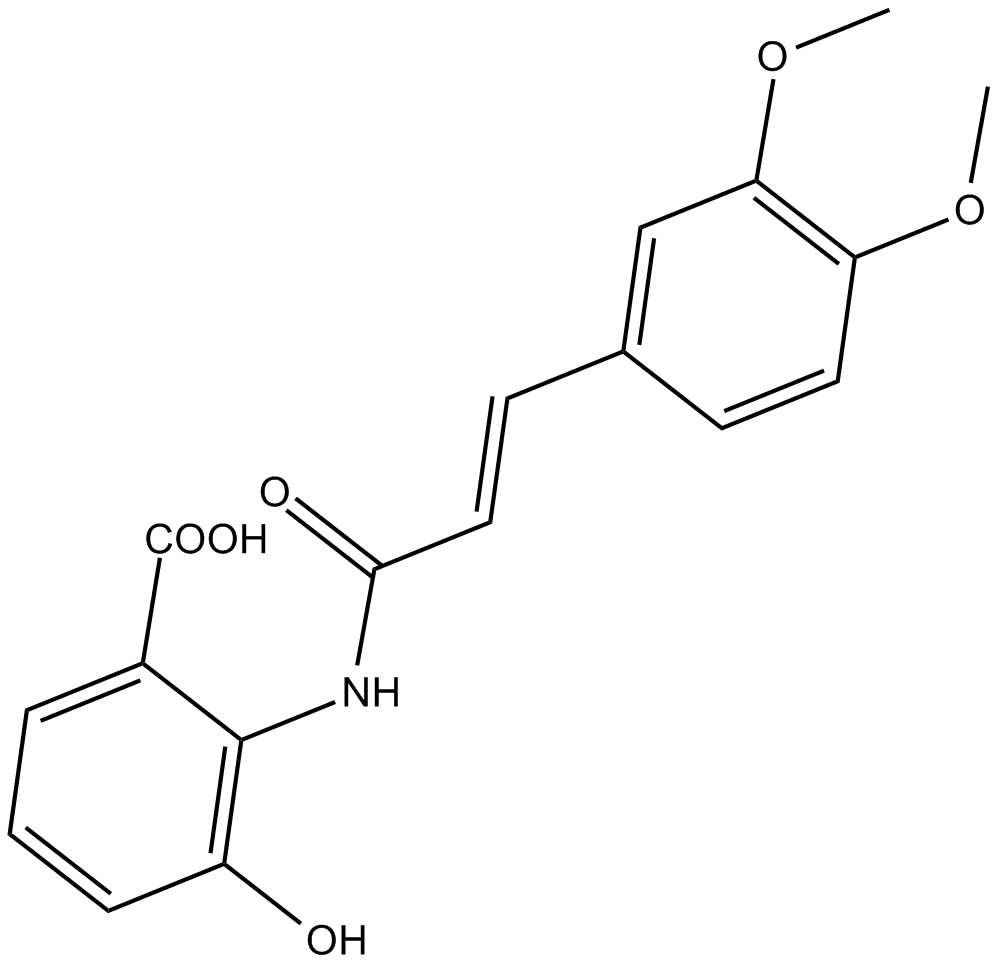 B7827 3,4-DAASummary: synthetic derivative of the tryptophan metabolite anthranilic acid
 -
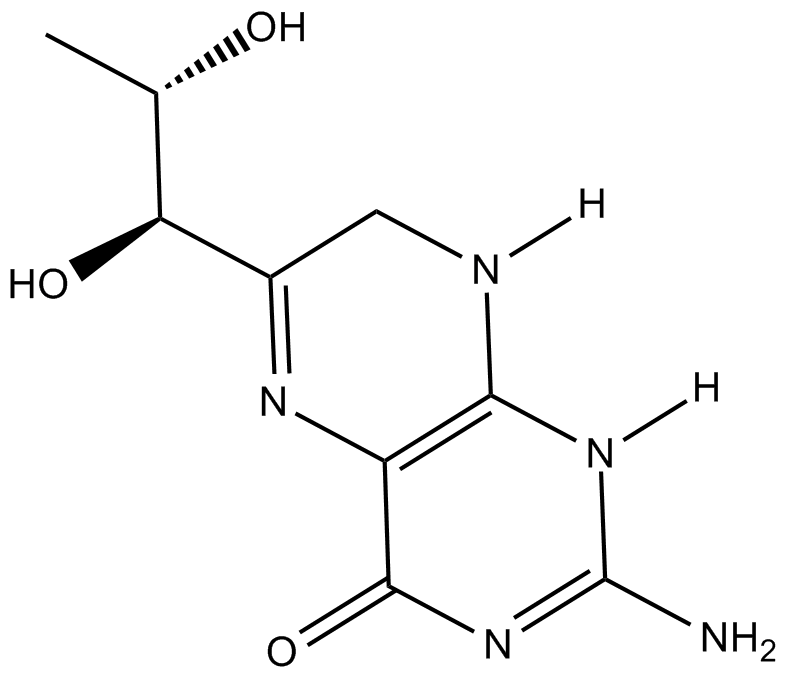 B7829 7,8-dihydro-L-BiopterinSummary: A precursor in the synthesis of BH4
 -
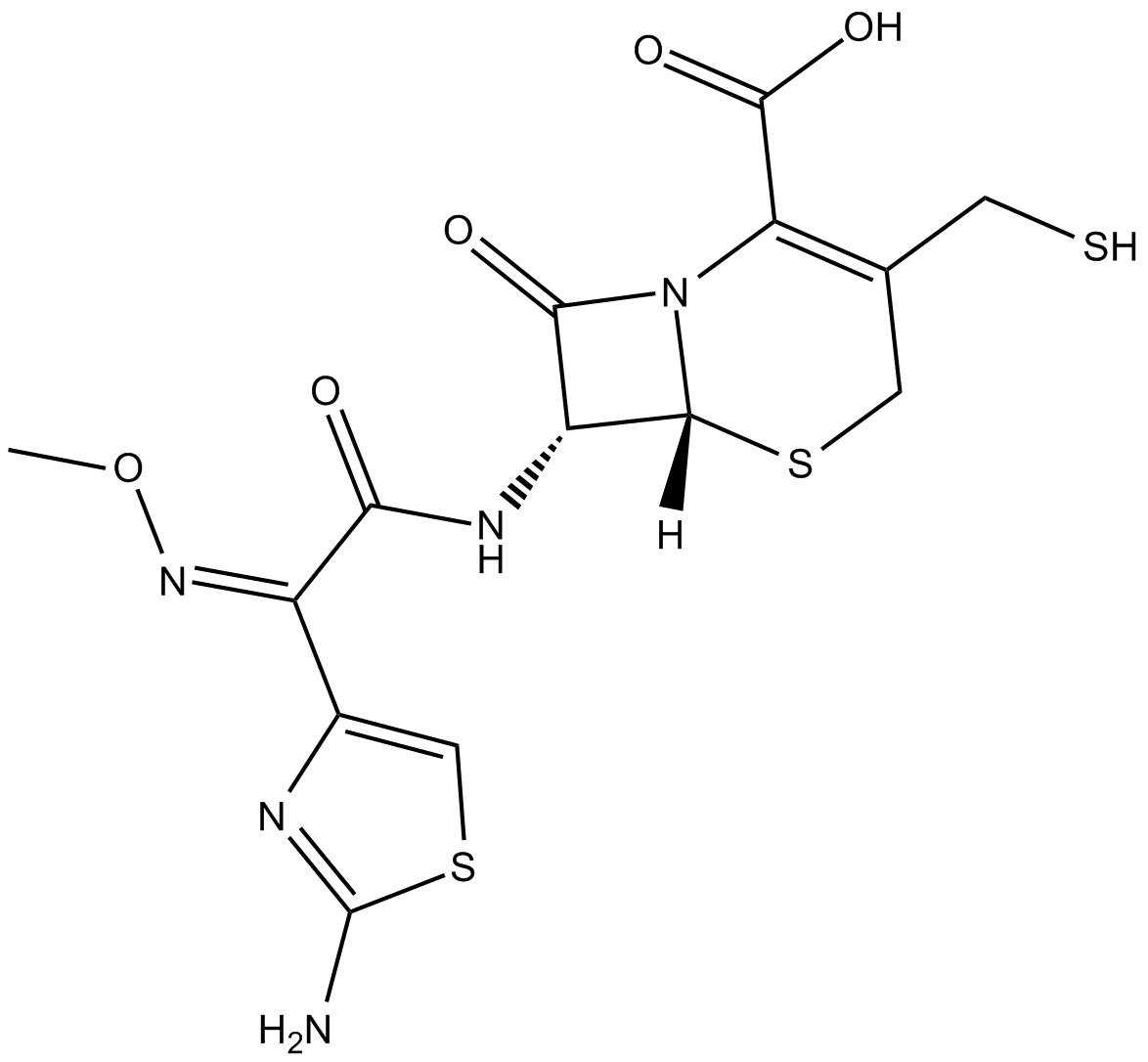 B7834 DesfuroylceftiofurSummary: the primary metabolite of ceftiofur
 -
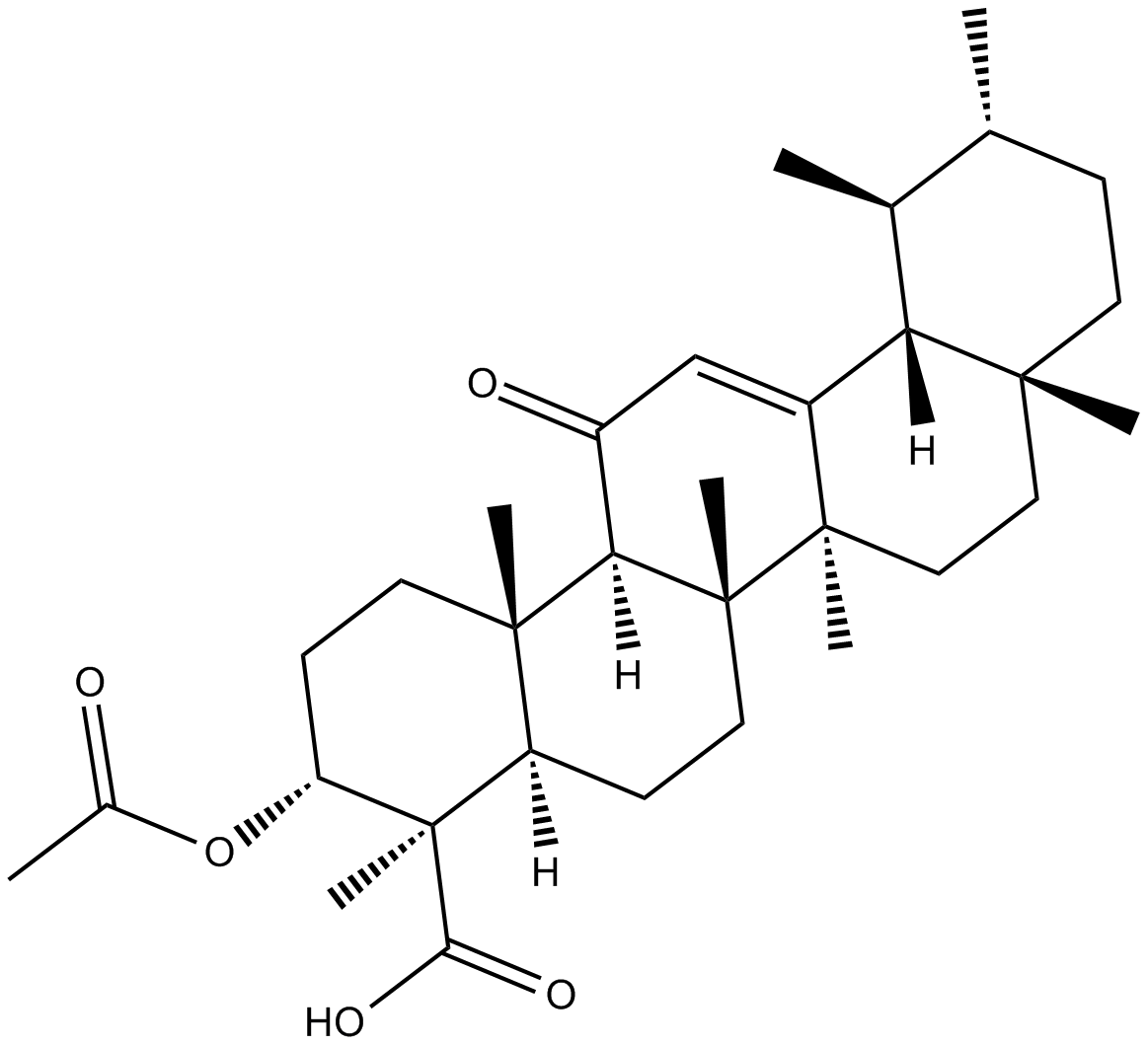 C3055 3-acetyl-11-keto-β-Boswellic AcidSummary: 5-lipoxygenase inhibitor
 -
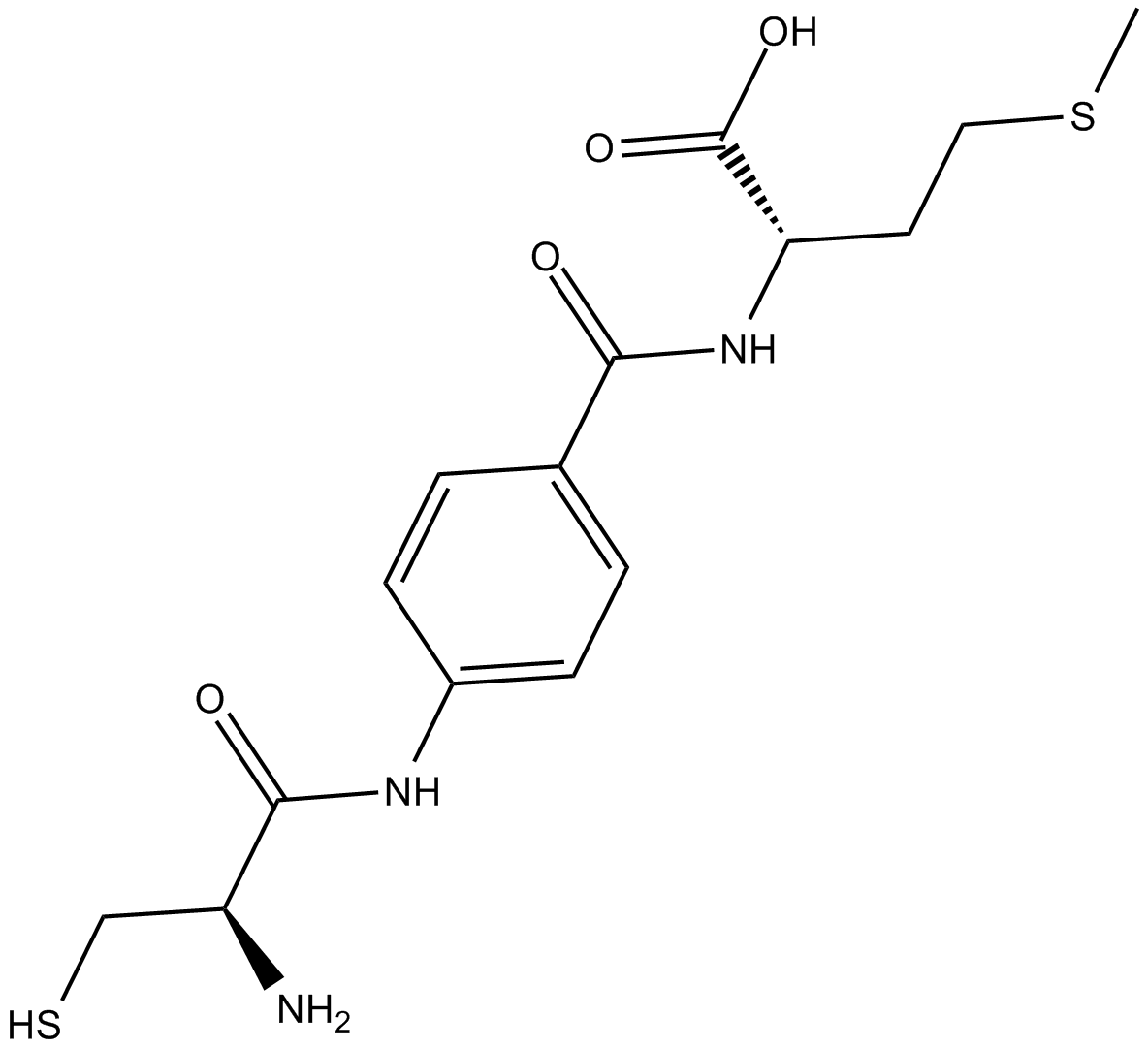 C3203 FTase Inhibitor IISummary: Ftase inhibitor
 -
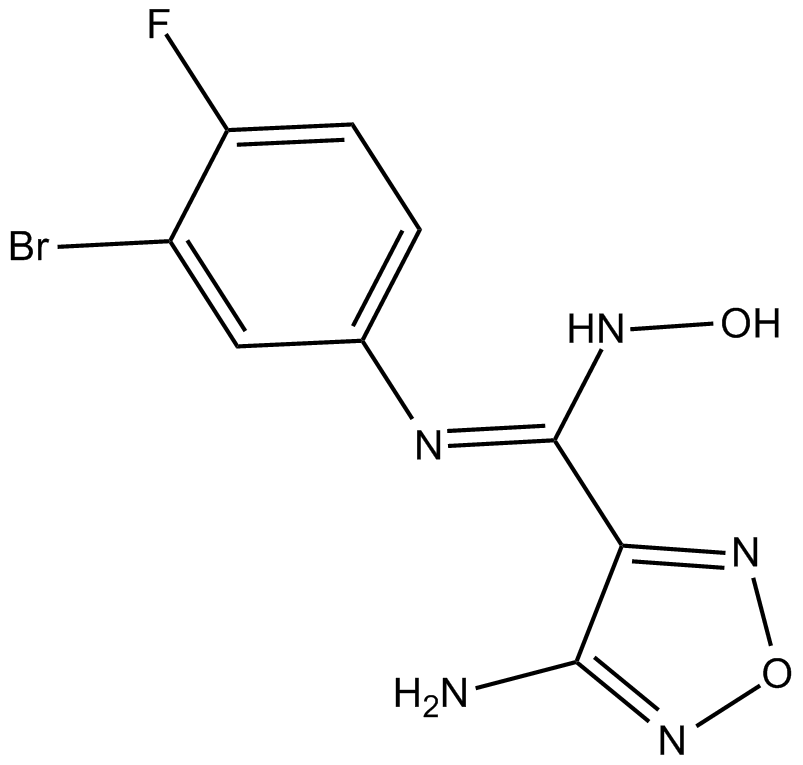 C3211 IDO-IN-1Summary: indoleamine-2,3-dioxygenase (IDO) inhibitor
 -
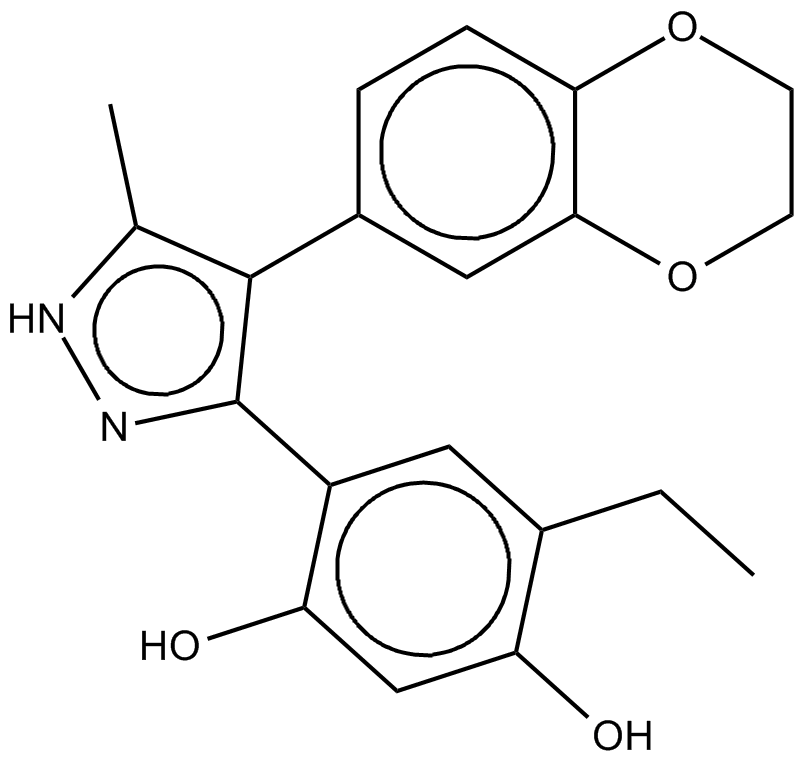 C3212 CCT018159Summary: inhibitor of the ATPase activity of Hsp90
 -
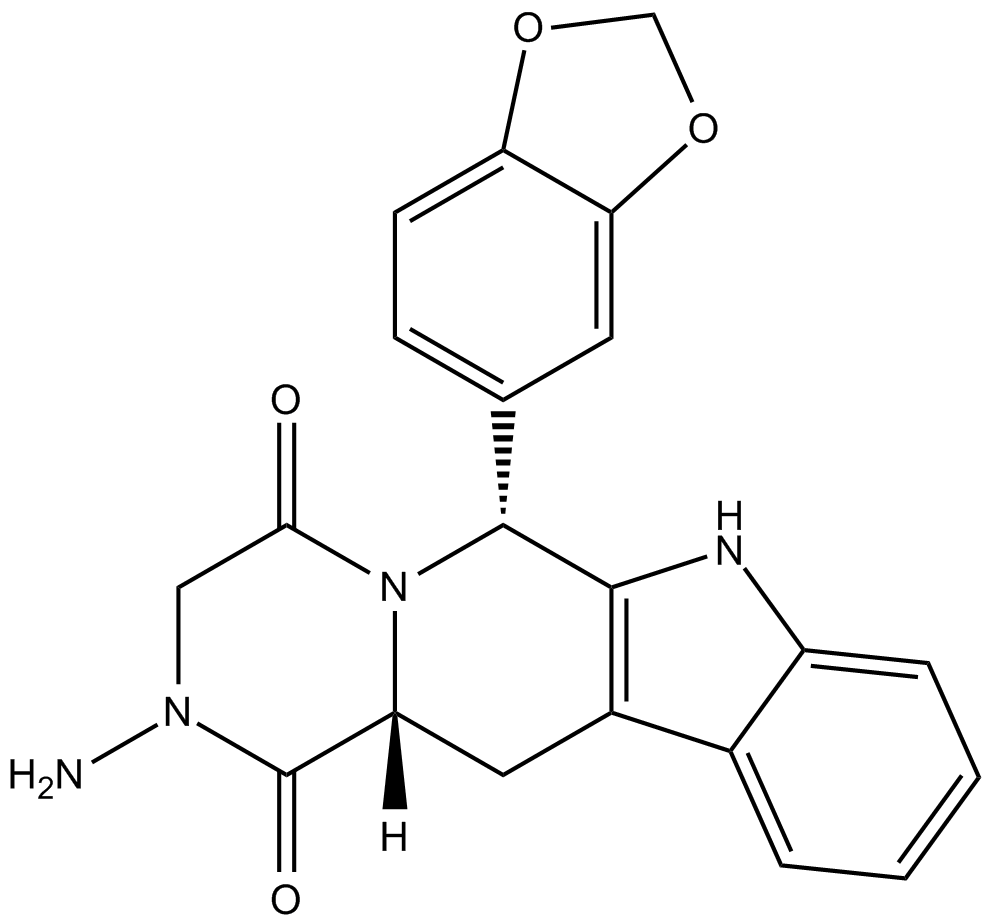 C3266 Amino TadalafilSummary: analog of tadalafil, a potent inhibitor of phosphodiesterase 5
 -
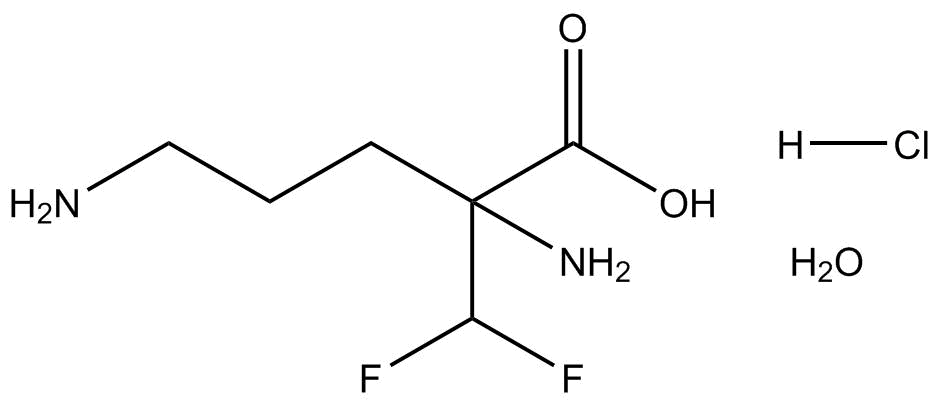 C3328 DL-α-Difluoromethylornithine (hydrochloride hydrate)Summary: ornithine decarboxylase inhibitor, irreversible
 -
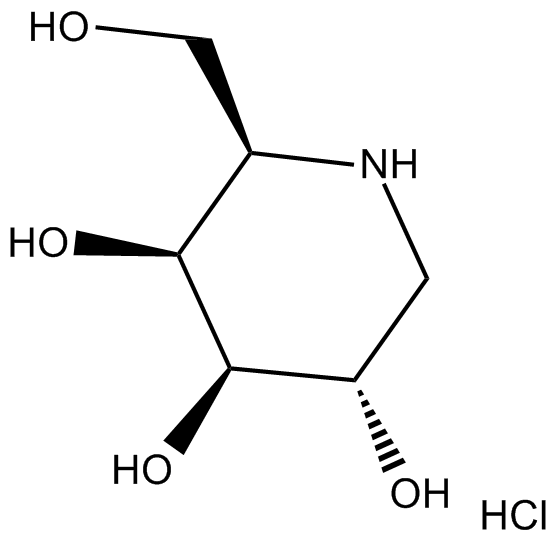 C3034 1-Deoxygalactonojirimycin (hydrochloride)Summary: α-galactosidase inhibitor