


Membrane Transporter/Ion Channel
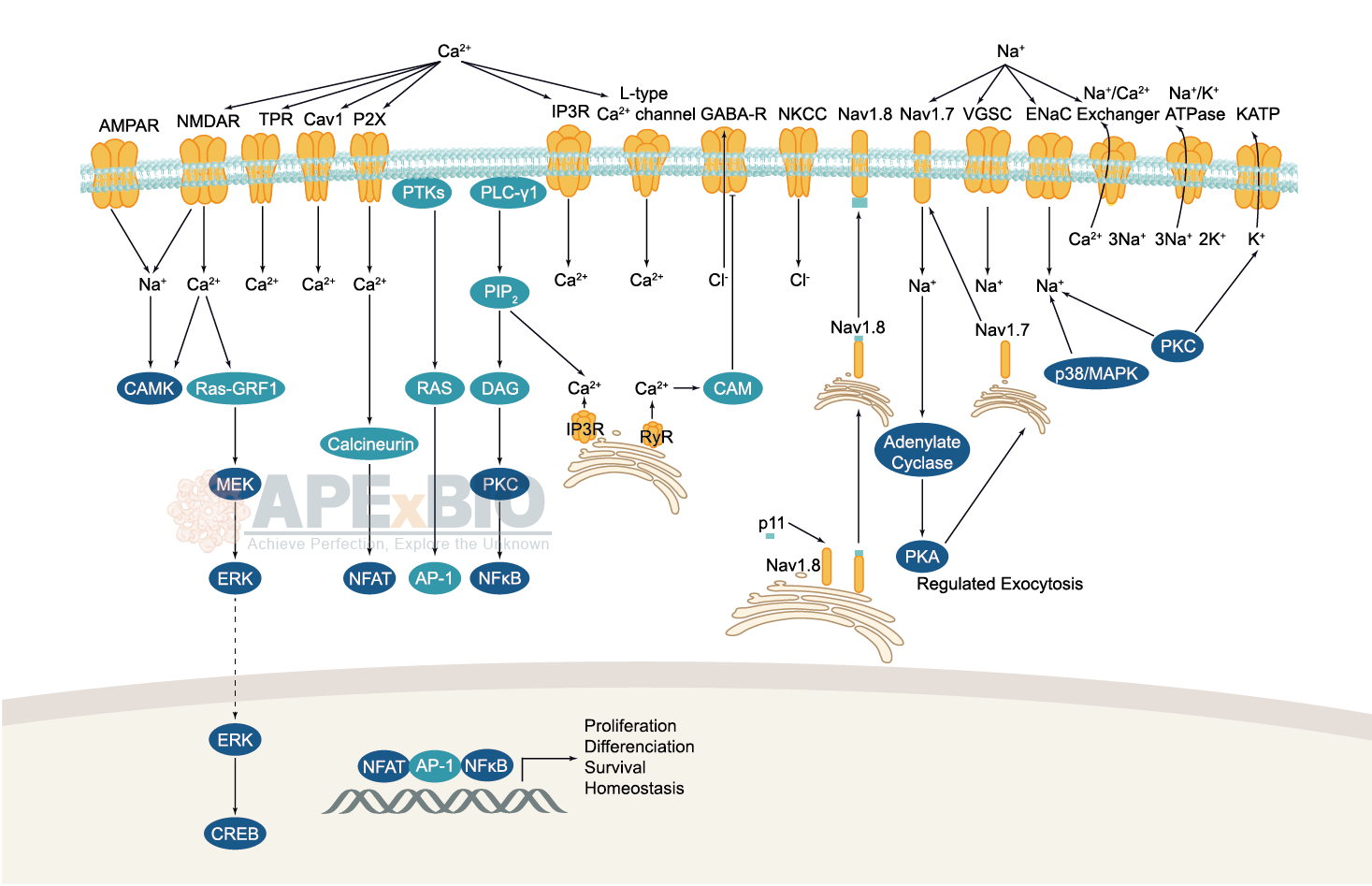
Membrane Transporters mediate the movement of ions and molecules via binding and moving the substance across the membrane. There are two main actions of transporter: facilitated diffusion (passive transport) and active transport. Membrane transporters which bind the hydrolysis of ATP to the transport of target molecules are referred to as ATPases. For instance, Na+,K+-ATPases or Na+,K+-pumps are responsible for the transport of Na+ out of and K+ into cells.
Ion channels are pore-forming membrane proteins which allow the flow of ions across the membrane. The ion channels can be broadly grouped into six families including calcium channels, chloride channels, potassium channels, sodium channels, gap junction proteins and porins. Not all ion channels are gated, such as certain type of K+ and Cl– channels, transient receptor potential superfamily of cation channels, the ryanodine receptors and the IP3 receptors, but most Na+, K+, Ca2+ and some Cl– channels are all gated by voltage. Ligand-gated channels are regulated in response to ligand binding (e.g. neurotransmitters signaling). These ligand-gated neurotransmitter receptors are known as ionotropic receptors. Various neurotransmitters couple to ionotropic receptors such as glutamate, acetylcholine, glycine, GABA, and serotonin.
-
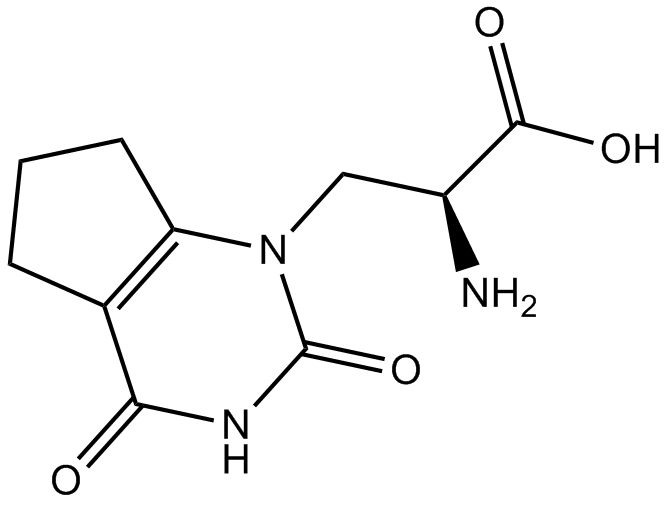 B6781 (S)-CPW 399Summary: AMPA agonist,subtype-selective,weakly desensitizing
 -
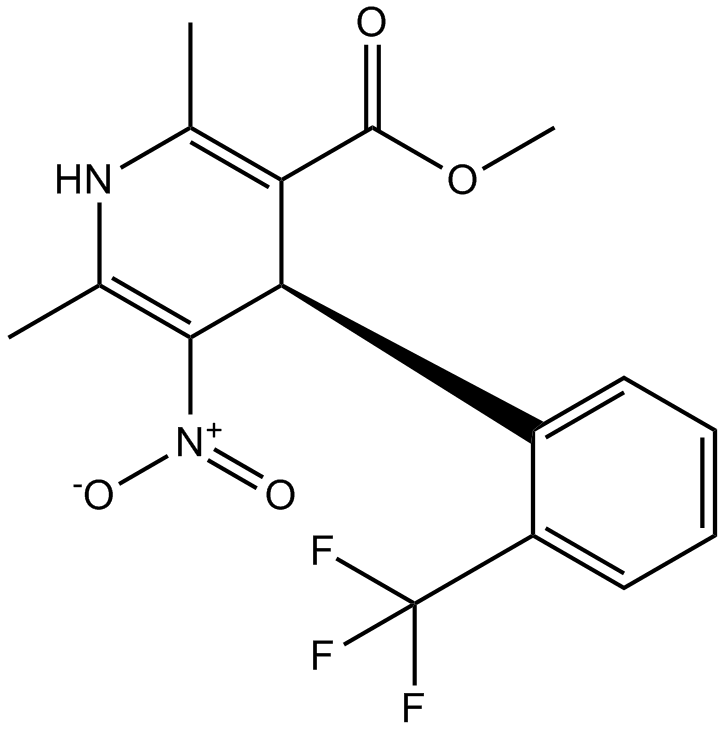 B6782 (R)-(+)-Bay K 8644Summary: L-type Ca2+-channel blocker
 -
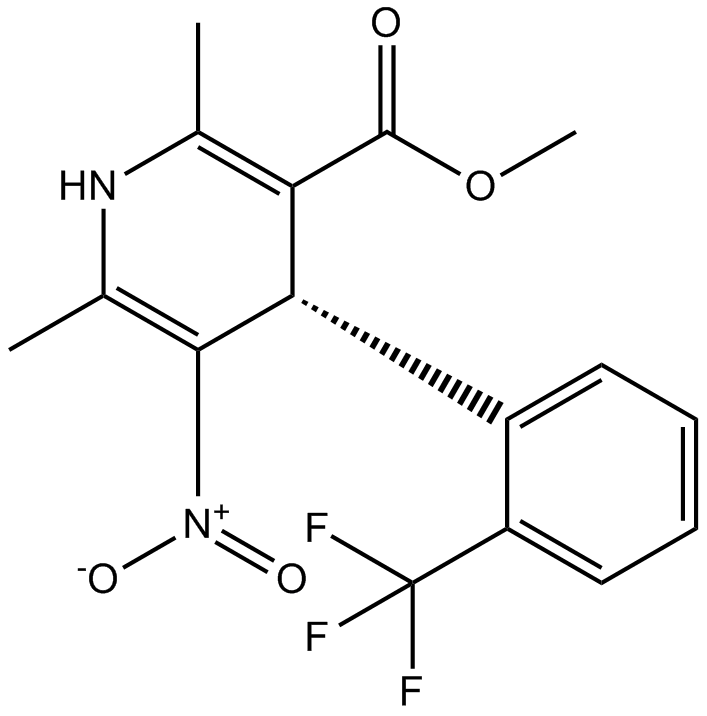 B6783 (S)-(-)-Bay K 8644Summary: L-type Ca2+-channel activator
 -
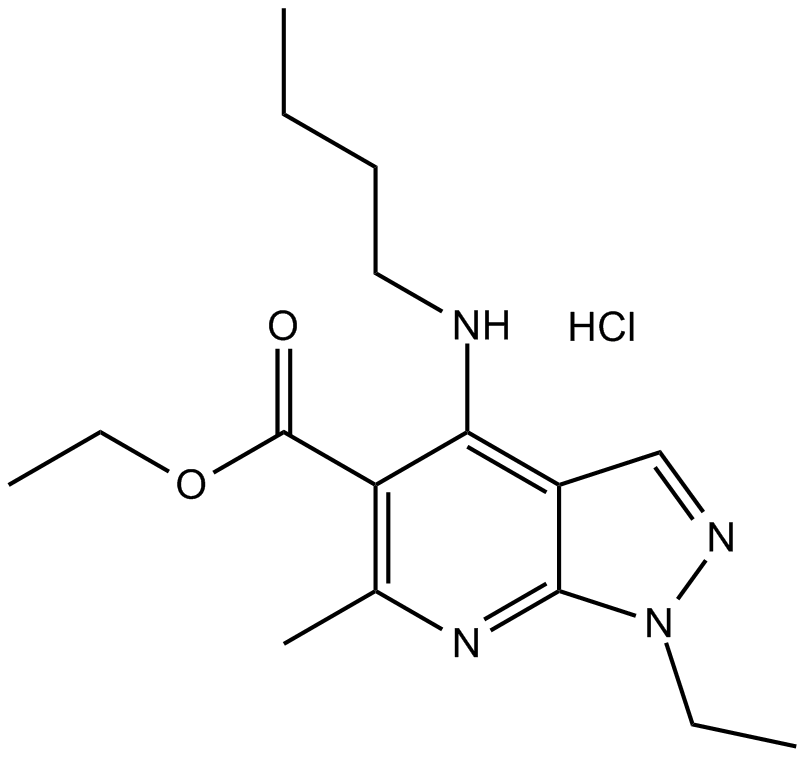 B6790 Tracazolate hydrochlorideSummary: GABAA receptor modulator
 -
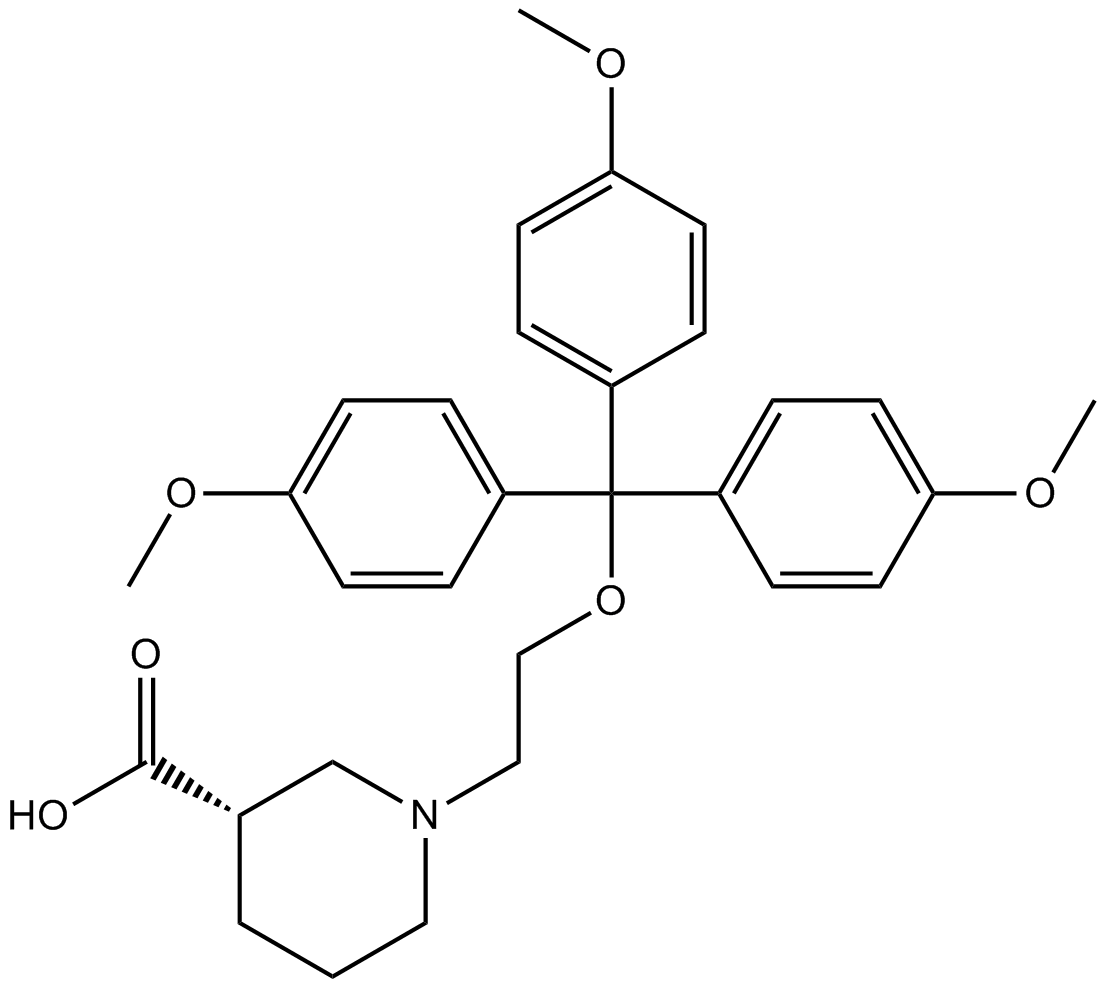 B6792 (S)-SNAP 5114Summary: GABA uptake inhibitor
 -
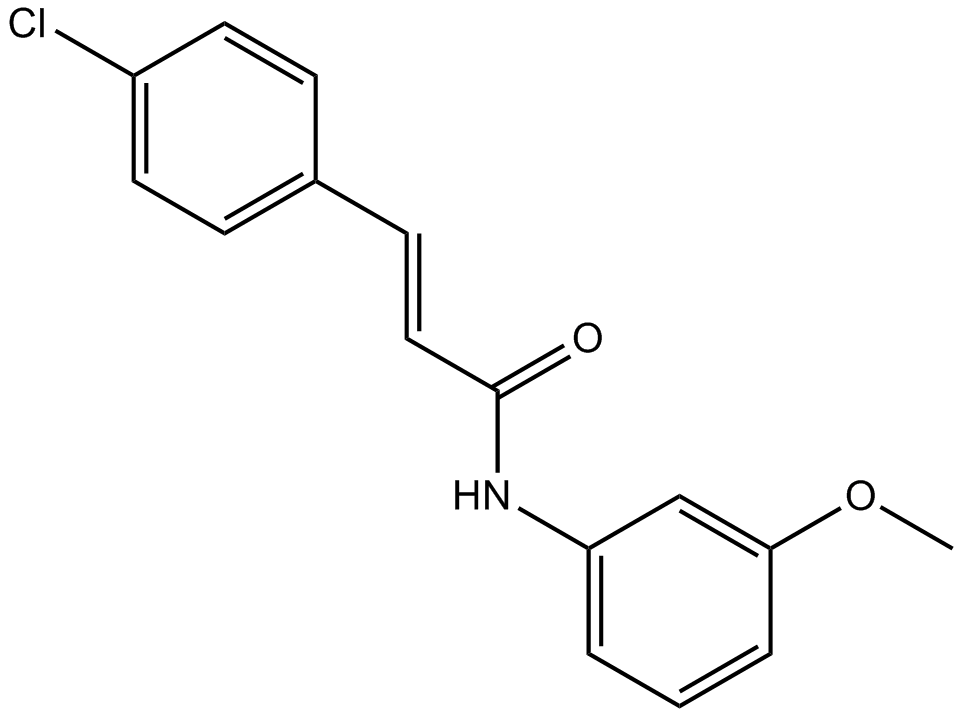 B6804 SB 366791Summary: vanilloid TRPV1 receptor antagonist
 -
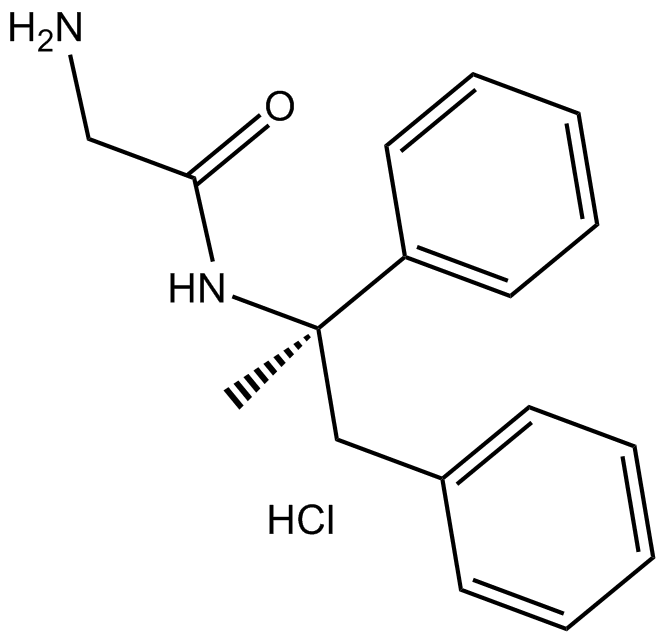 B6805 Remacemide hydrochlorideSummary: NMDA receptor antagonist
 -
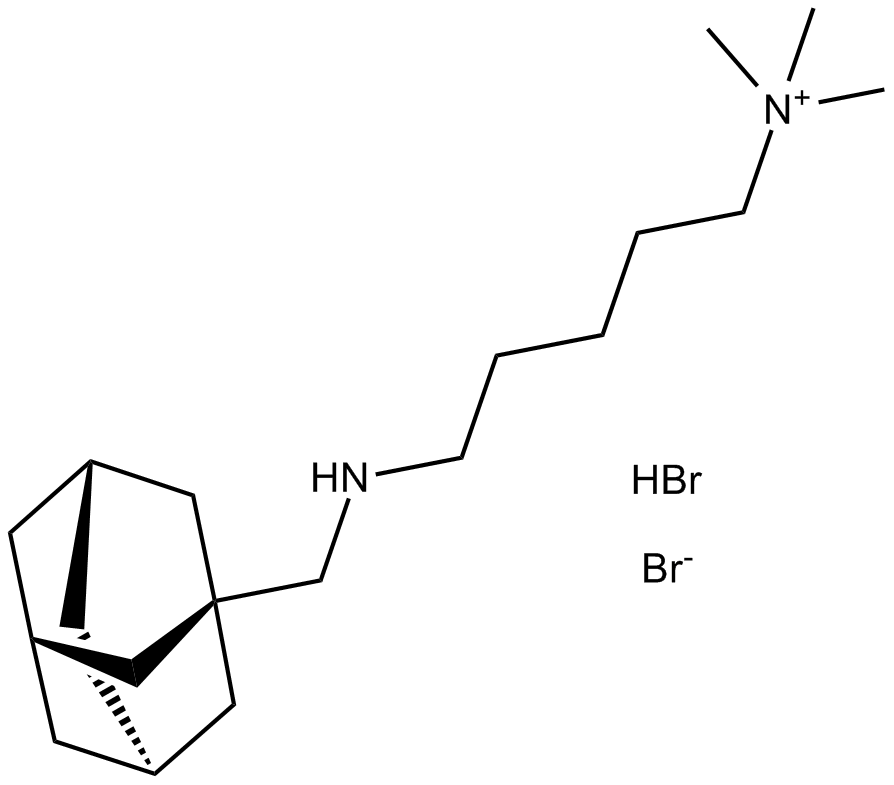 B6811 IEM 14601 CitationSummary: AMPA receptors blocker
 -
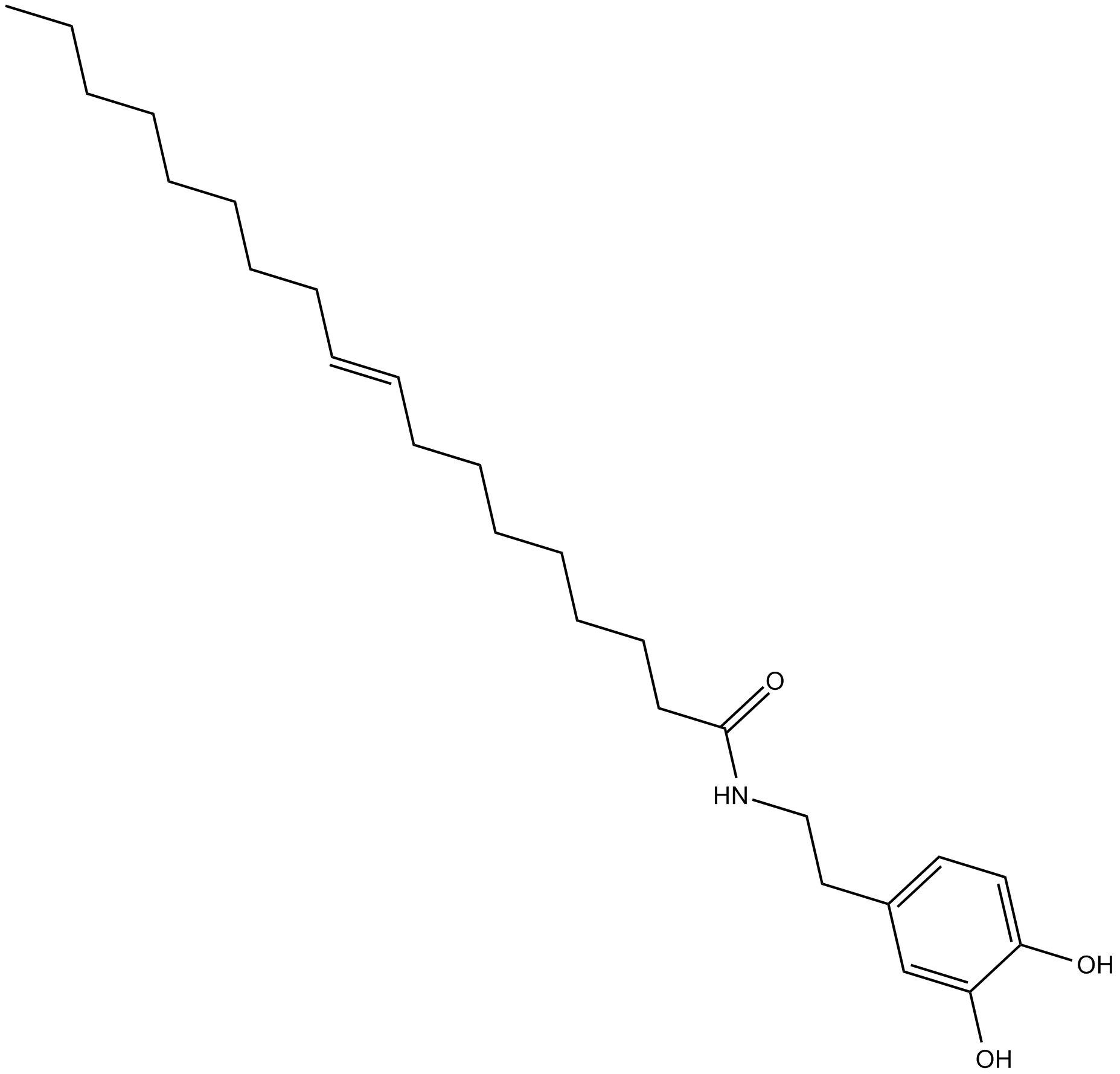 B6814 OLDASummary: endogenous vanilloid TRPV1 (VR1) receptor agonist
 -
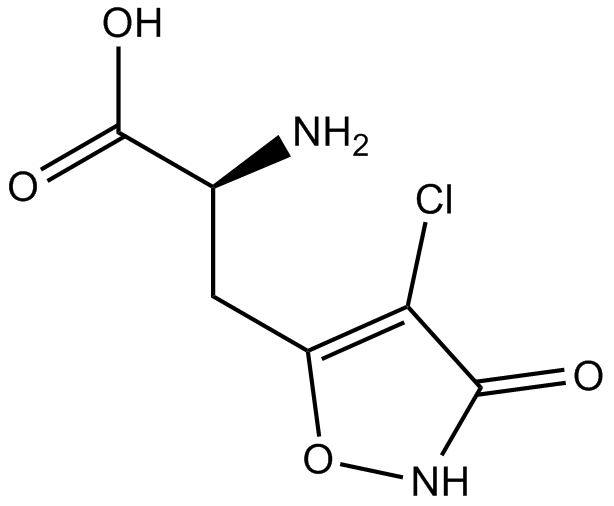 B6823 Cl-HIBOSummary: desensitising AMPA receptor agonist