


MAPK/ERK

The mitogen-activated protein kinase (MAPK) is a highly conserved family of serine/threonine kinases that mediate a board range of cellular processes, including proliferation, differentiation, motility, migration, stress response, apoptosis and survival. The activation of MAPK involves signaling pathways consisting of MAPK kinase (i.e. MAPKKK or MEKK) that activates MAPK/ERK (i.e. MAPKK or MEK). A variety of extracellular signals such as mitogens, cytokines, growth factors, and environmental stressors stimulate a phosphorylation-dependent increase in the activity of MAPK.
Activated MAPKs transduce the phosphorylation and activation of MAPK-activated protein kinases (MAPKAPKs), e.g. RSK, MSK, or MNK family, and MK2/3/5. There are three main MAPK families, signal-regulated kinase 1 and 2 (Erk1/2 or p44/42), the c-Jun N-terminal kinases 1-3 (JNK1-3)/ stress activated protein kinases (SAPK1A, 1B, 1C), the p38 isoforms (p38α, β, γ, and δ). ERK signaling is involved in cell division, migration and survival. p38 MAPK and JNK/SAPK pathways are activated by cellular stress. The p38 MAPK pathway regulates cell motility, transcription, and chromatin remodeling. JNK/SAPK signaling affects apoptosis and inflammation. Dysregulation of MAPK pathway results in tumorgenesis and other pathological conditions.
-
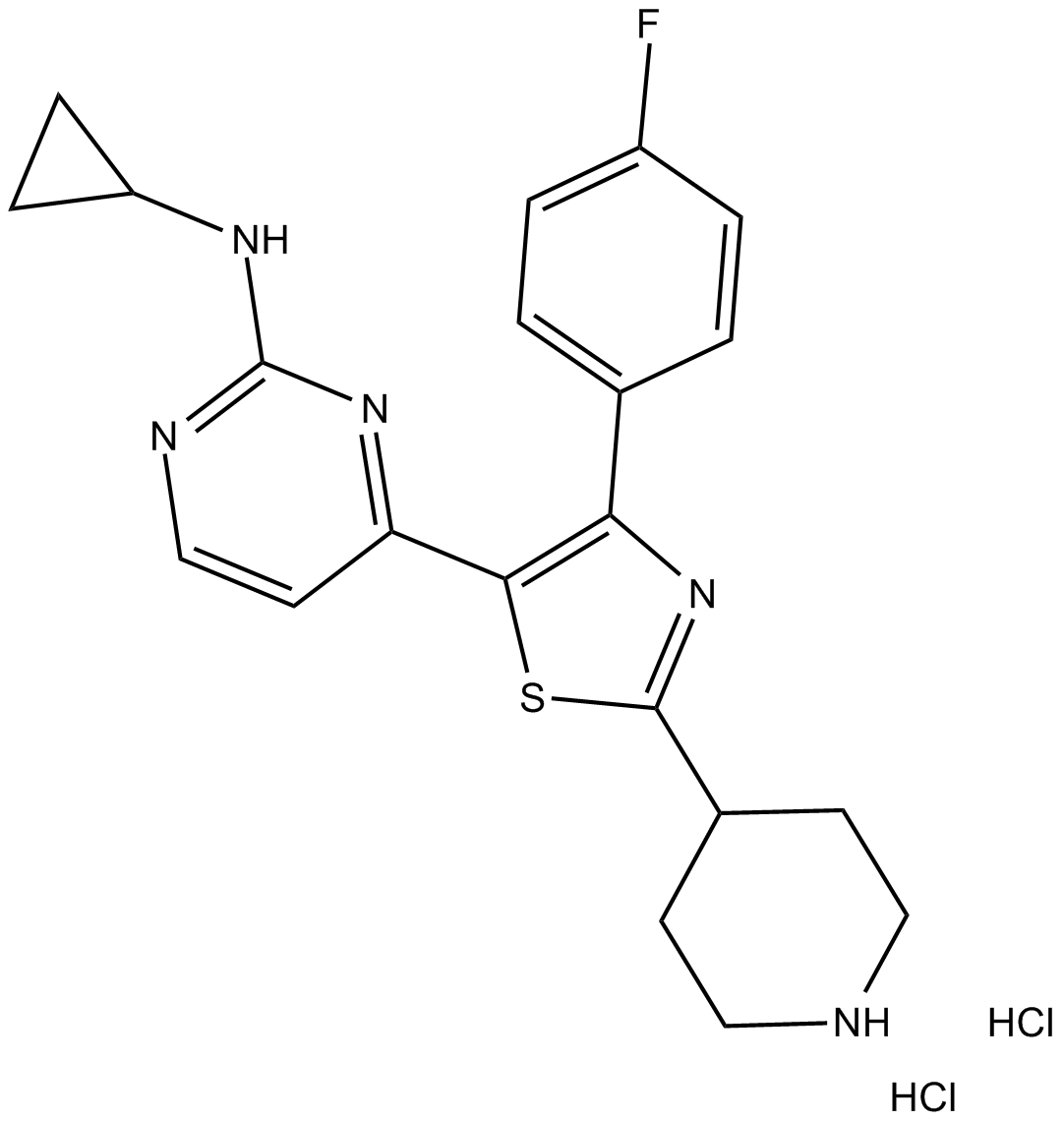 B7748 DBM 1285 dihydrochlorideSummary: p38 MAPK inhibitor
 -
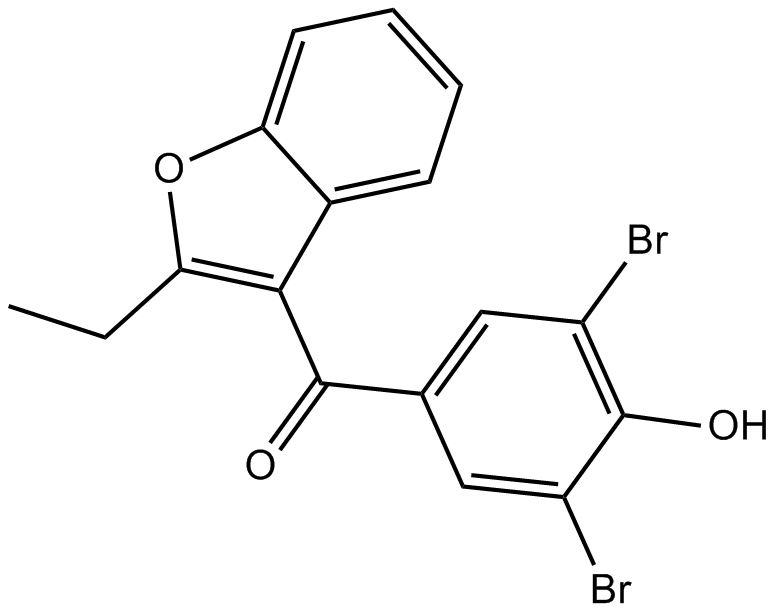 B1673 BenzbromaroneSummary: TMEM16A/B calcium-activated chloride channel (CaCC) blocker
 -
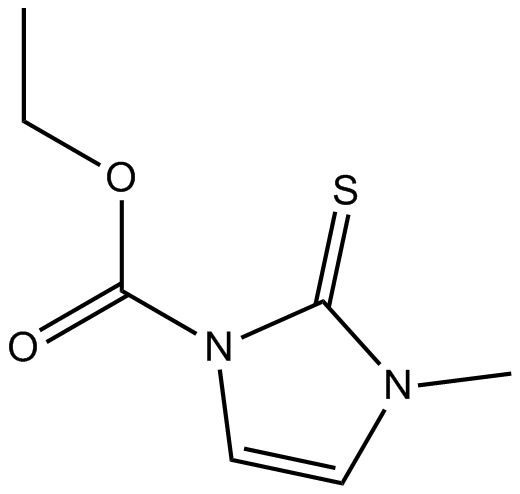 B1905 CarbimazoleSummary: imidazole antithyroid agent
 -
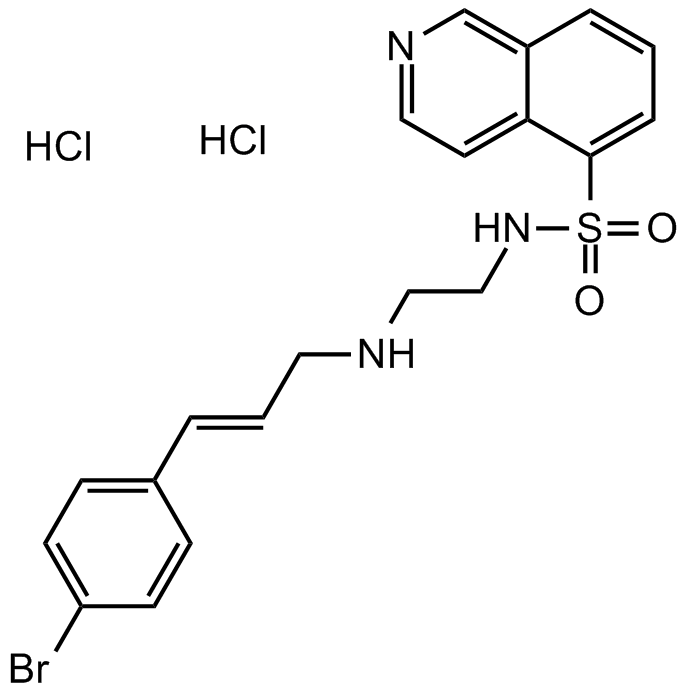 B2190 H 89 2HCl3 CitationSummary: Potent PKA inhibitor
 -
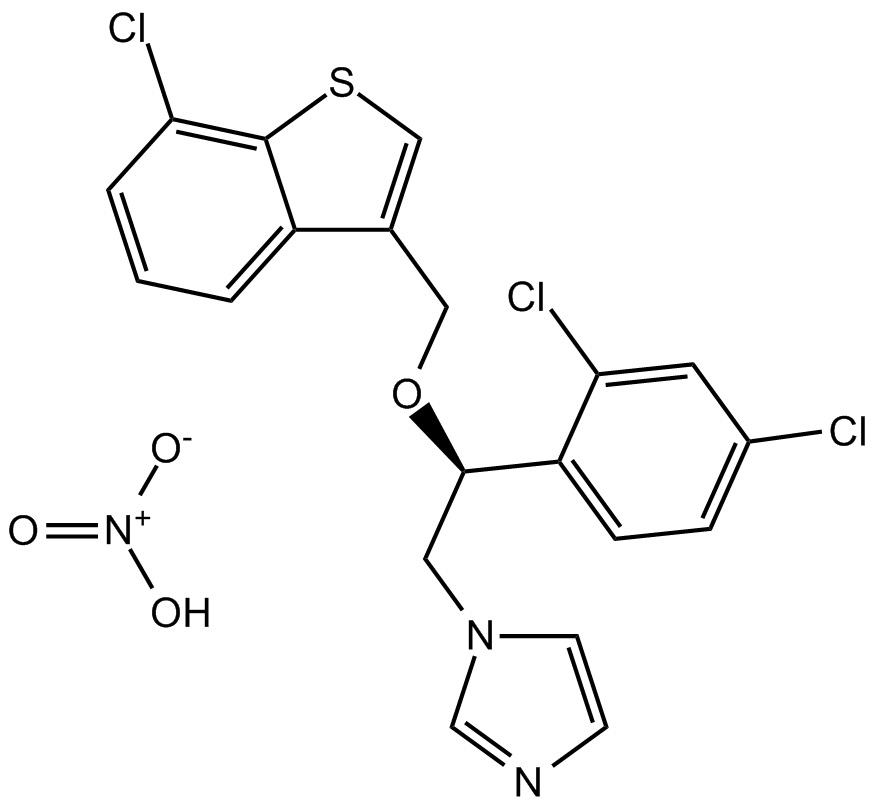 B1831 Sertaconazole nitrateSummary: Broad-spectrum antifungal
 -
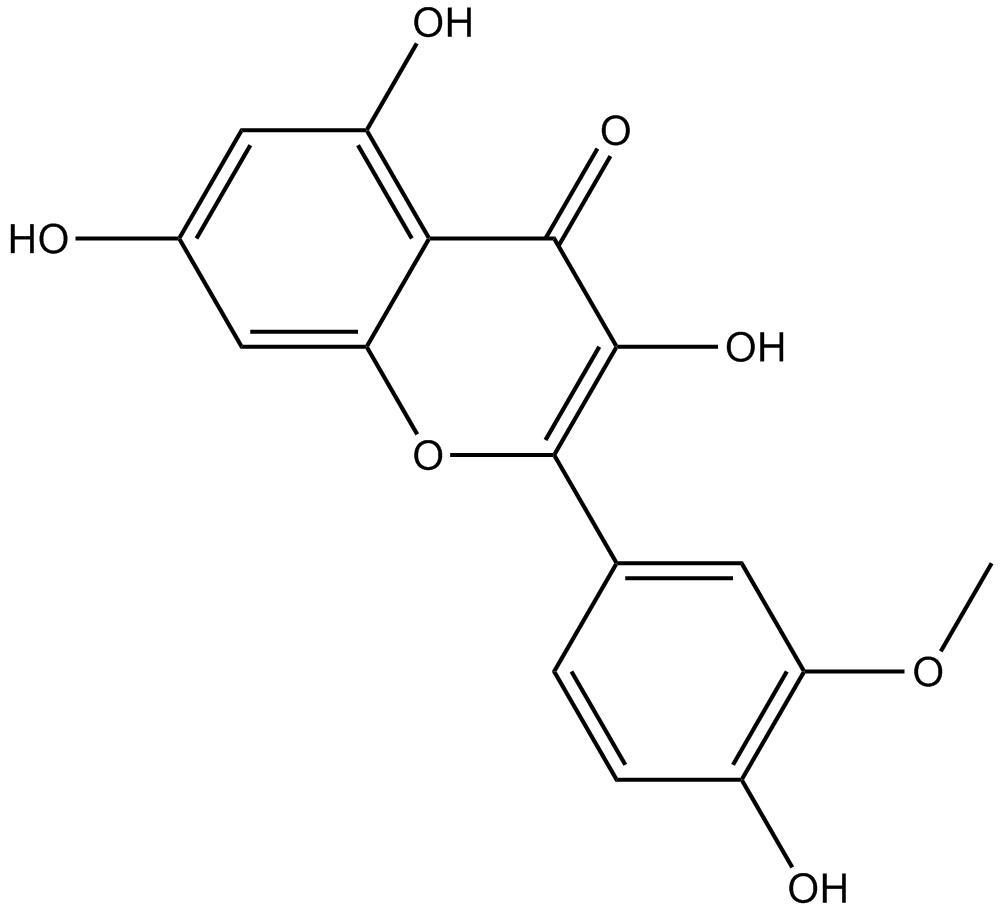 N1358 Isorhamnetin6 Citation
 -
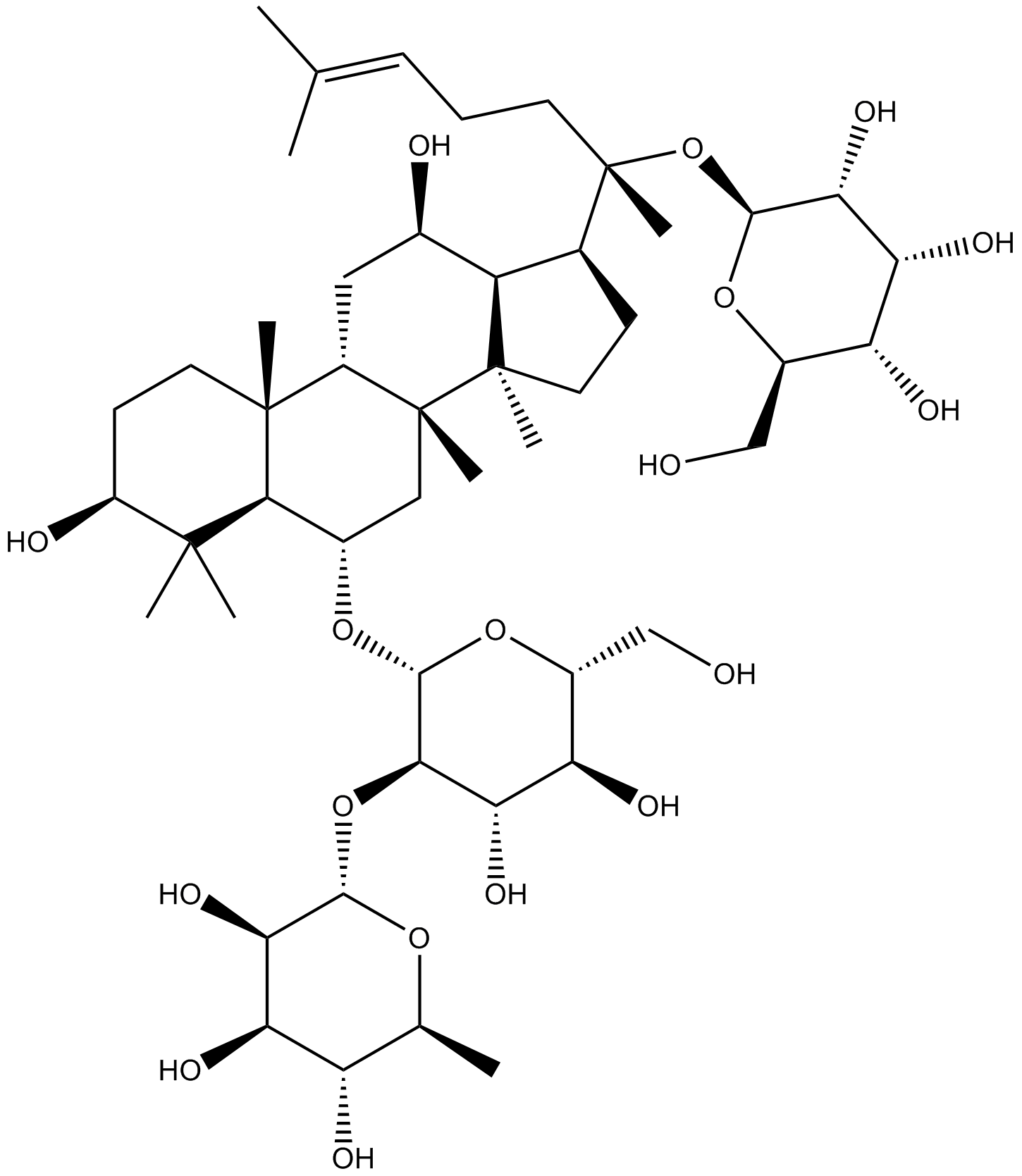 N1615 Ginsenoside Re
 -
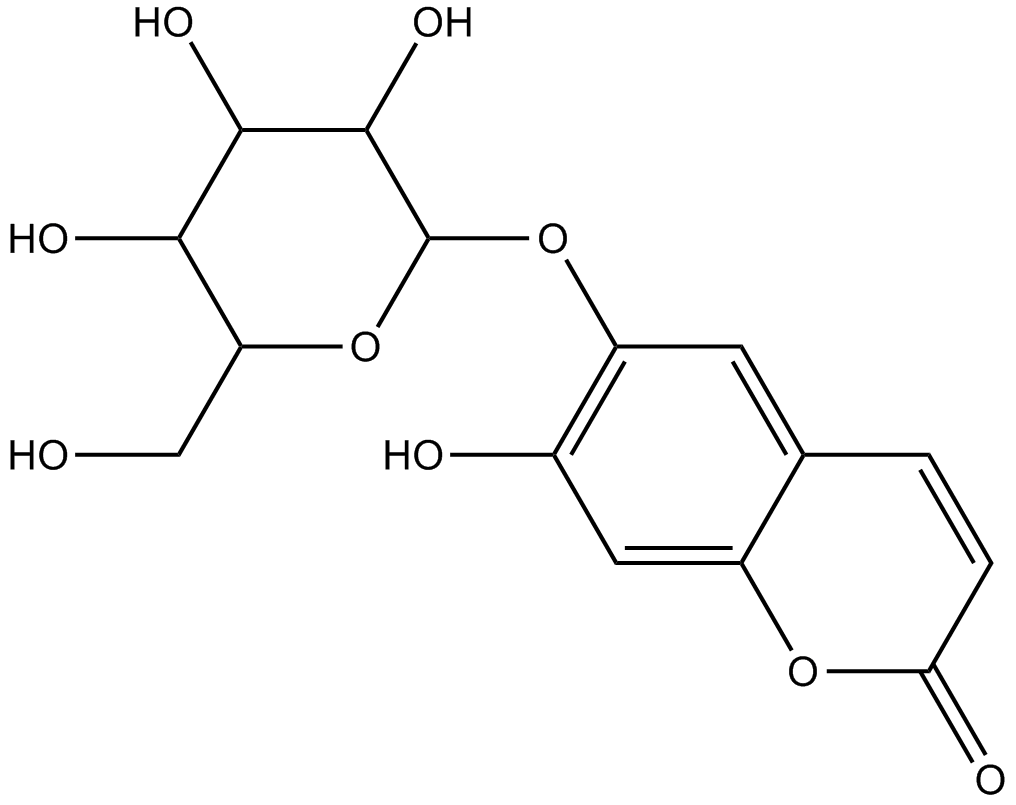 N1766 Esculin
 -
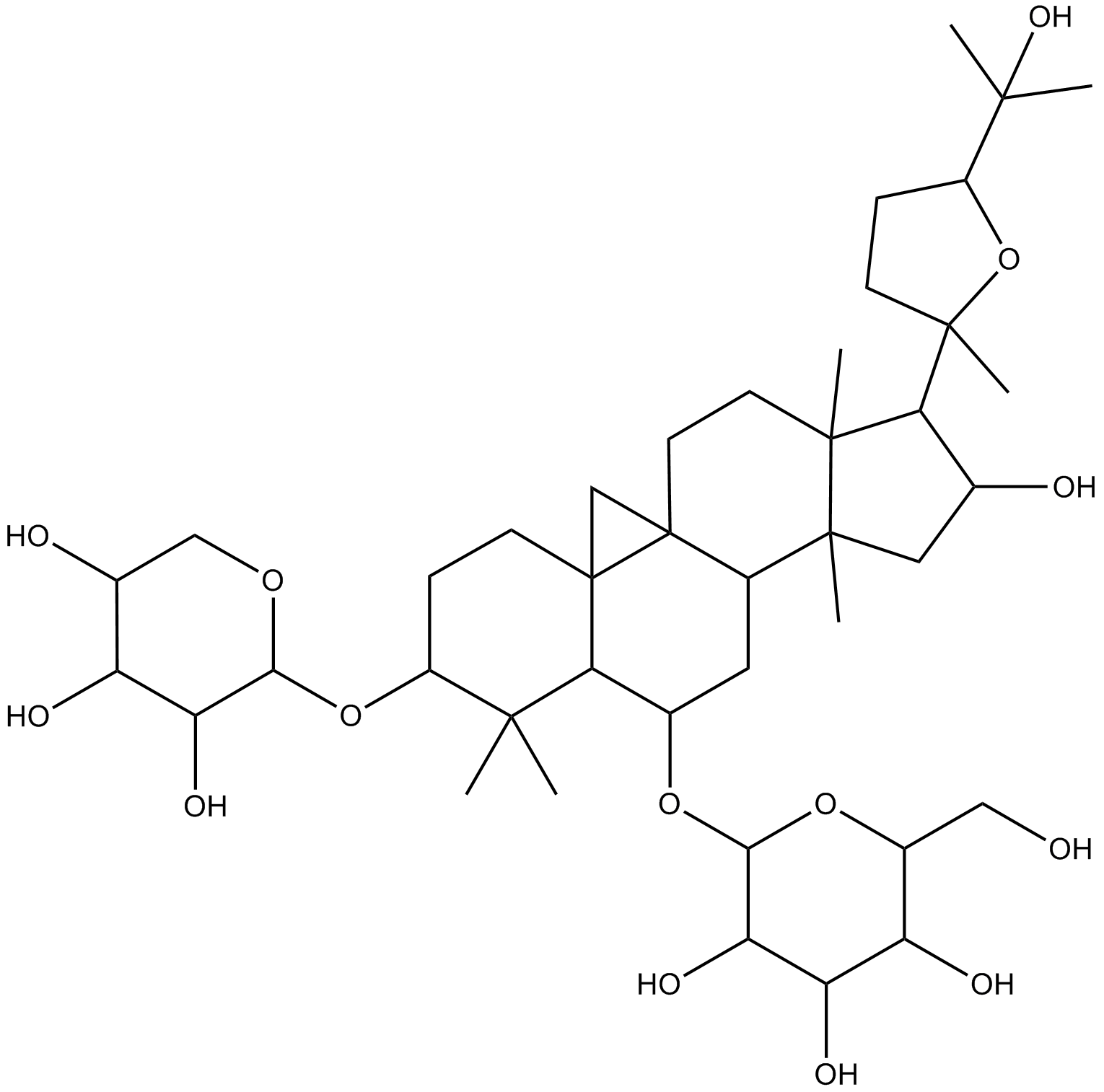 N1786 Astragaloside IVSummary: Anti-inflammatory;extract of Astragali radix
 -
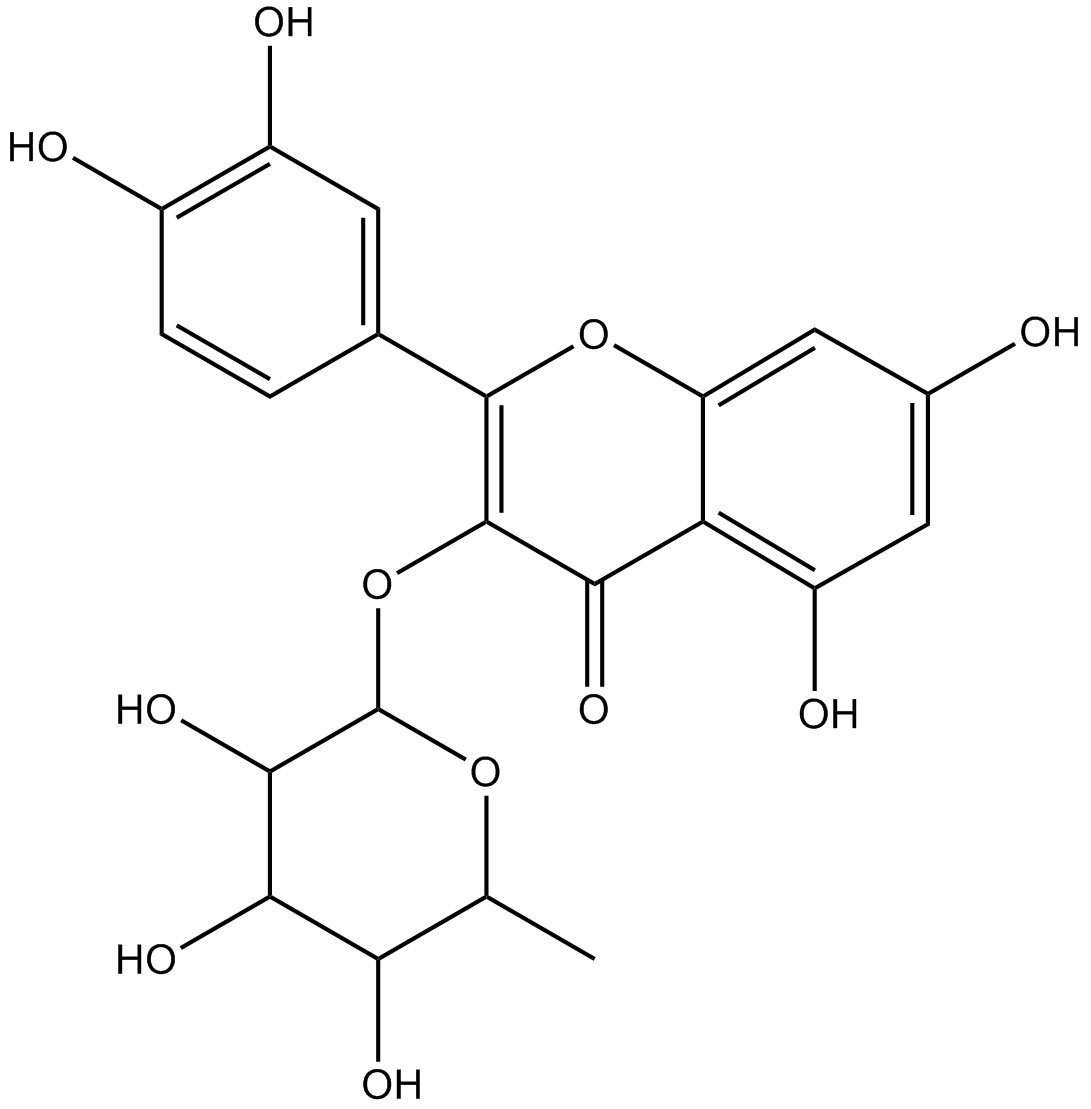 N1840 QuercitrinSummary: Natural flavonoid antioxidant