


Anti-infection
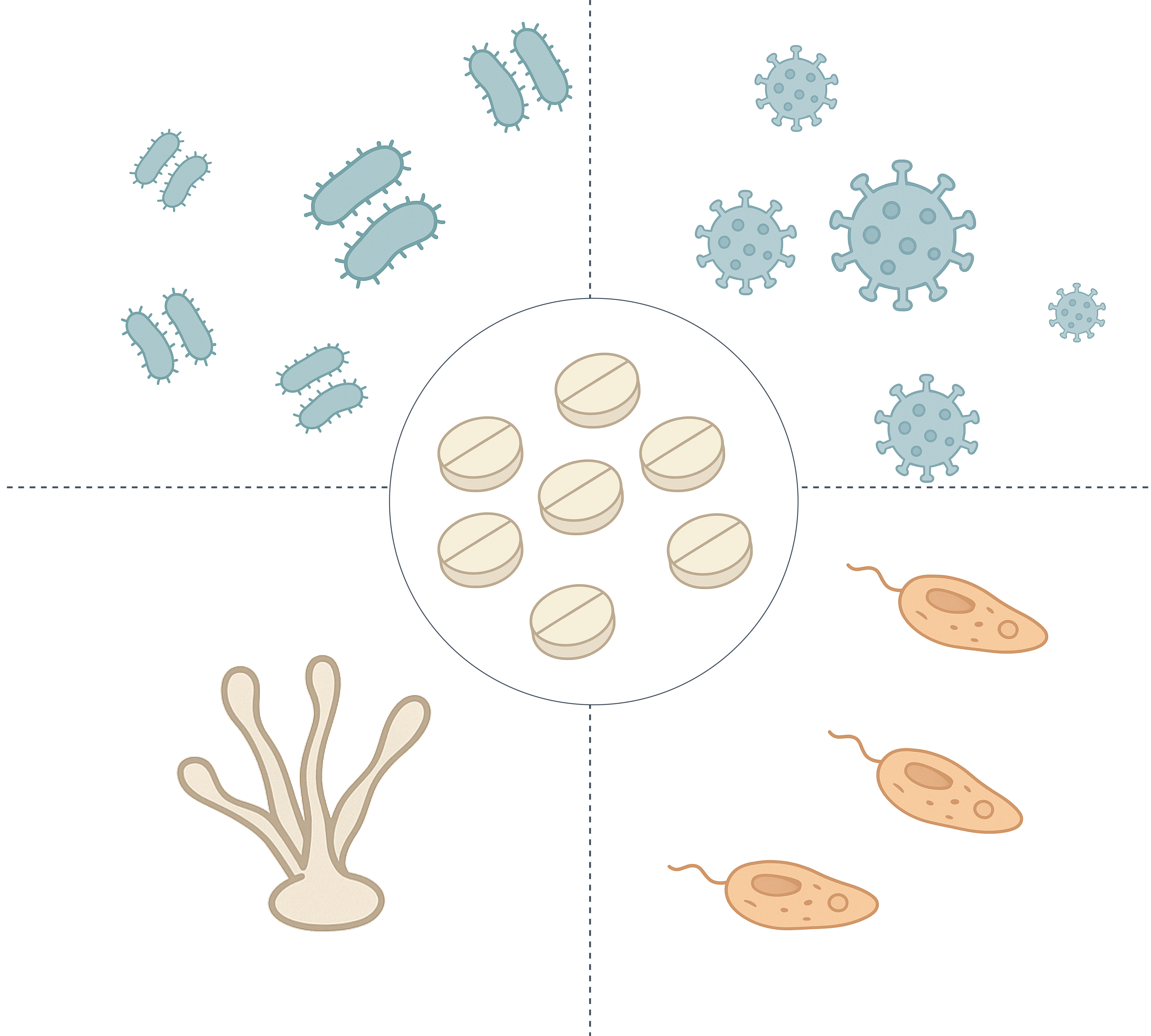
Anti-infectives are agents that eliminate or inhibit the spread of infectious organisms, encompassing antibiotics, antifungals, antivirals, and antiprotozoals.
Antibiotics are a class of antimicrobial agents specifically designed to target bacterial pathogens. They exert their effects by interfering with essential bacterial processes such as cell wall synthesis, protein synthesis, nucleic acid replication, and metabolic pathways, thereby either inhibiting bacterial growth or inducing bacterial death.
Antifungals are antimicrobial agents employed to combat fungal infections (mycoses) in humans and animals. Common antifungal classes include azoles, polyenes, echinocandins, and allylamines, which function by disrupting unique fungal structures or pathways, such as the synthesis or integrity of ergosterol-containing cell membranes and β-glucan-based cell walls, or by interfering with nucleic acid or protein synthesis.
Antivirals are compounds developed to inhibit the replication and spread of viruses within host organisms. Antivirals typically act by blocking viral entry, genome replication, protein processing, or virion assembly and release. Representative examples include nucleoside analogs, protease inhibitors, and neuraminidase inhibitors.
Antiprotozoals are drugs used to treat infections caused by protozoan parasites, including malaria, amebiasis, giardiasis, and trypanosomiasis. They act through a variety of mechanisms, including inhibition of nucleic acid synthesis, interference with mitochondrial function, and disruption of heme detoxification pathways in susceptible parasites.
-
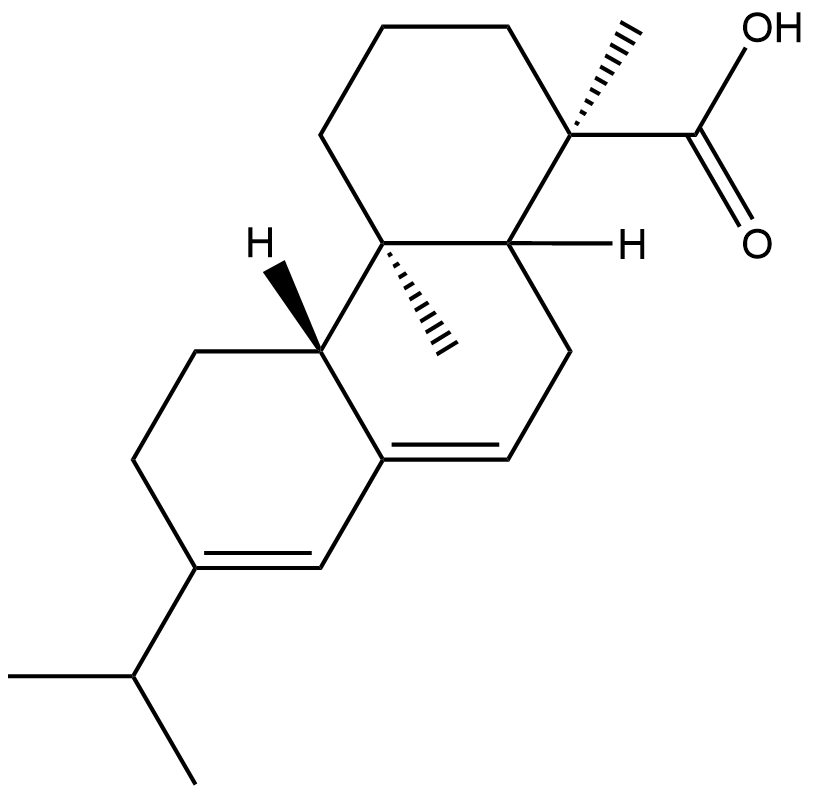 A1503 Abietic acidSummary: A diterpene compound derived from rosin with anti-inflammatory, antiproliferative and pro-angiogenic activities
 -
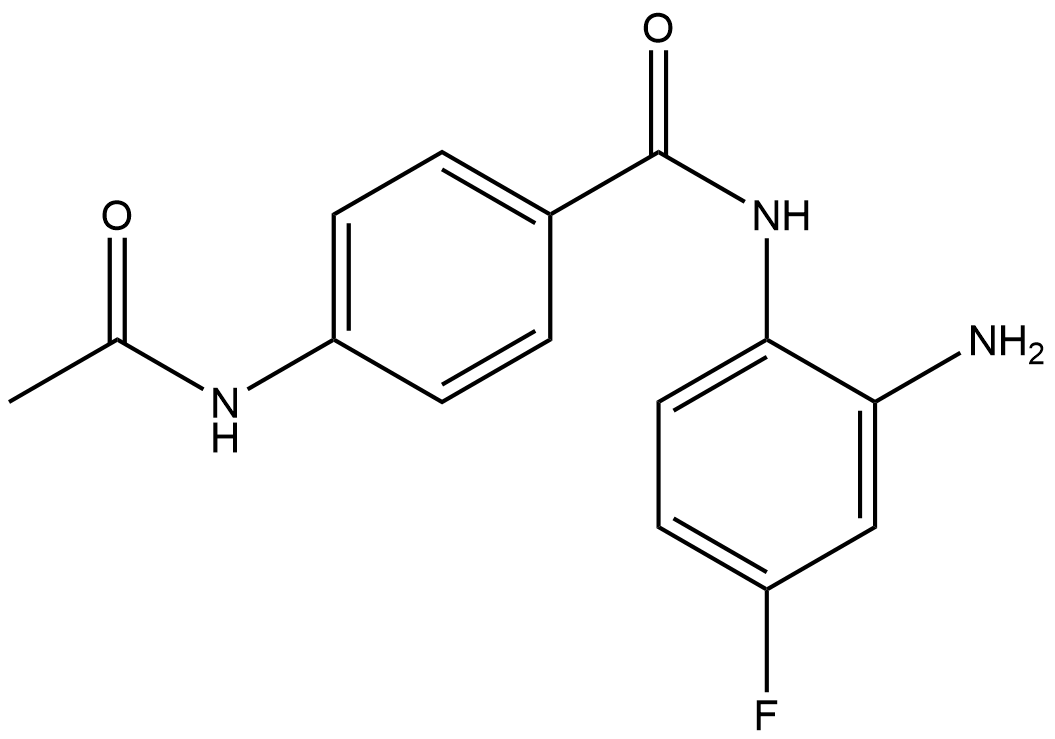 A4611 BRD3308Summary: A selective histone deacetylase 3 (HDAC3) inhibitor that protects pancreatic β cells and activates HIV-1 transcription for diabetes and HIV-1 latency
 -
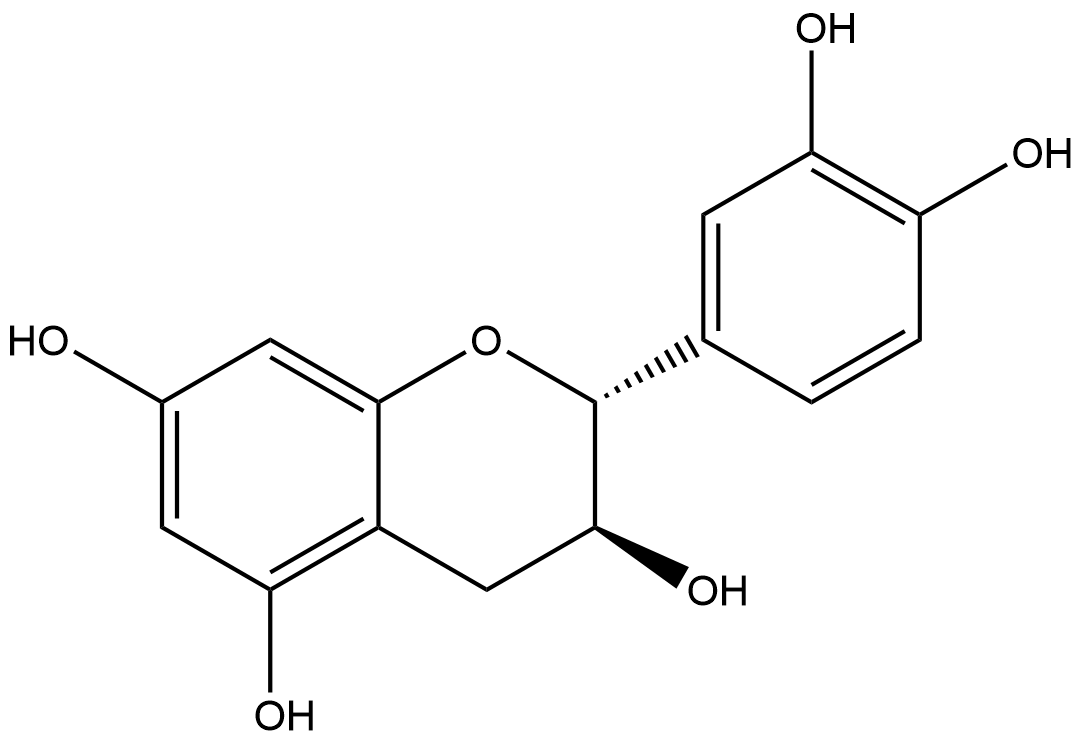 A4629 CatechinSummary: A flavonoid compound with antioxidant activity that inhibits cyclooxygenase-1
 -
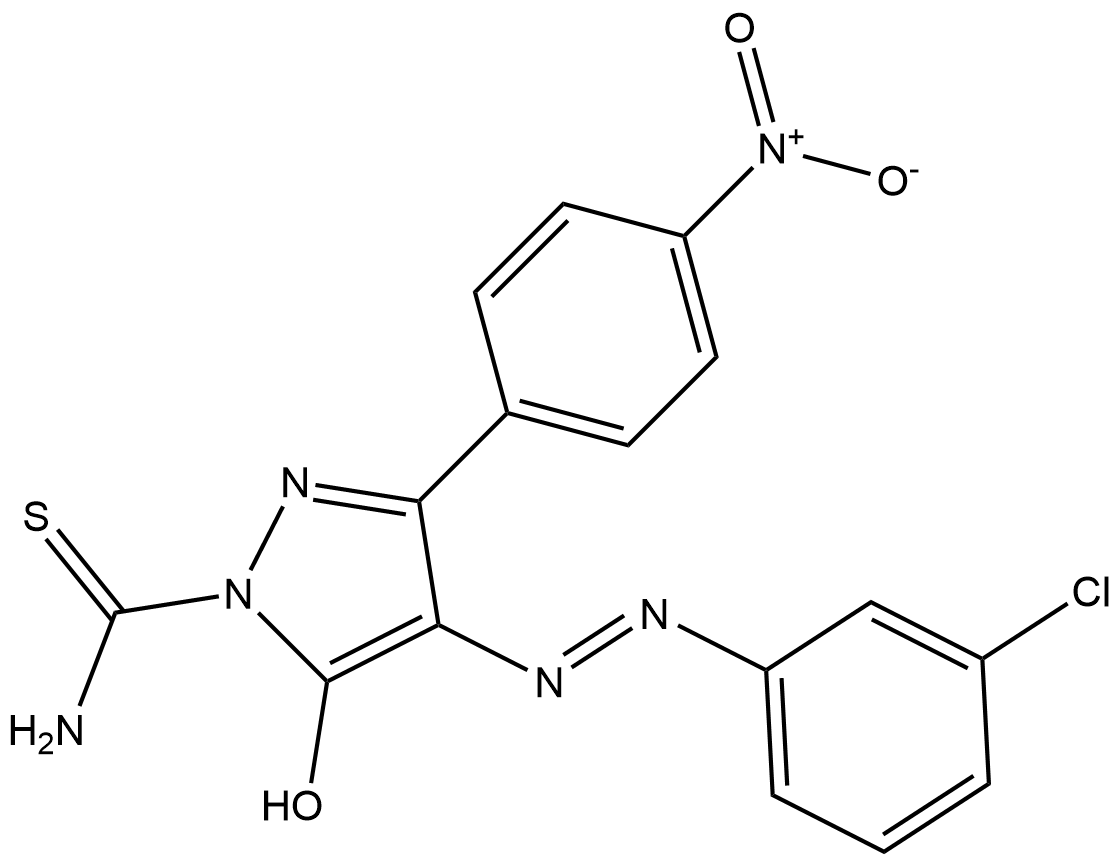 A4636 Hck-IN-1Summary: A kinase inhibitor that selectively targets the HIV-1 Nef-dependent Hck complex
 -
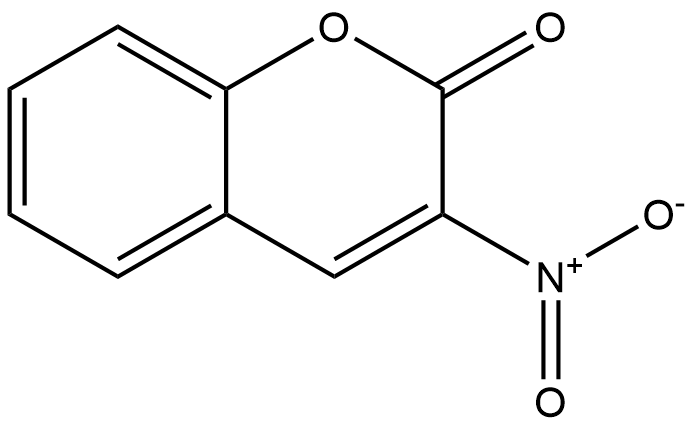 A4639 3-NitrocoumarinSummary: A selective phospholipase C-γ (PLC-γ) inhibitor that disrupts PLC-γ-mediated signal transduction for calcium signaling and cancer
 -
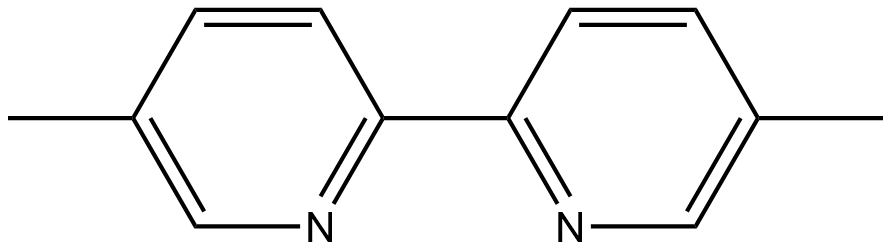 A4646 AbametapirSummary: A metalloprotease inhibitor for the treatment of head lice infection
 -
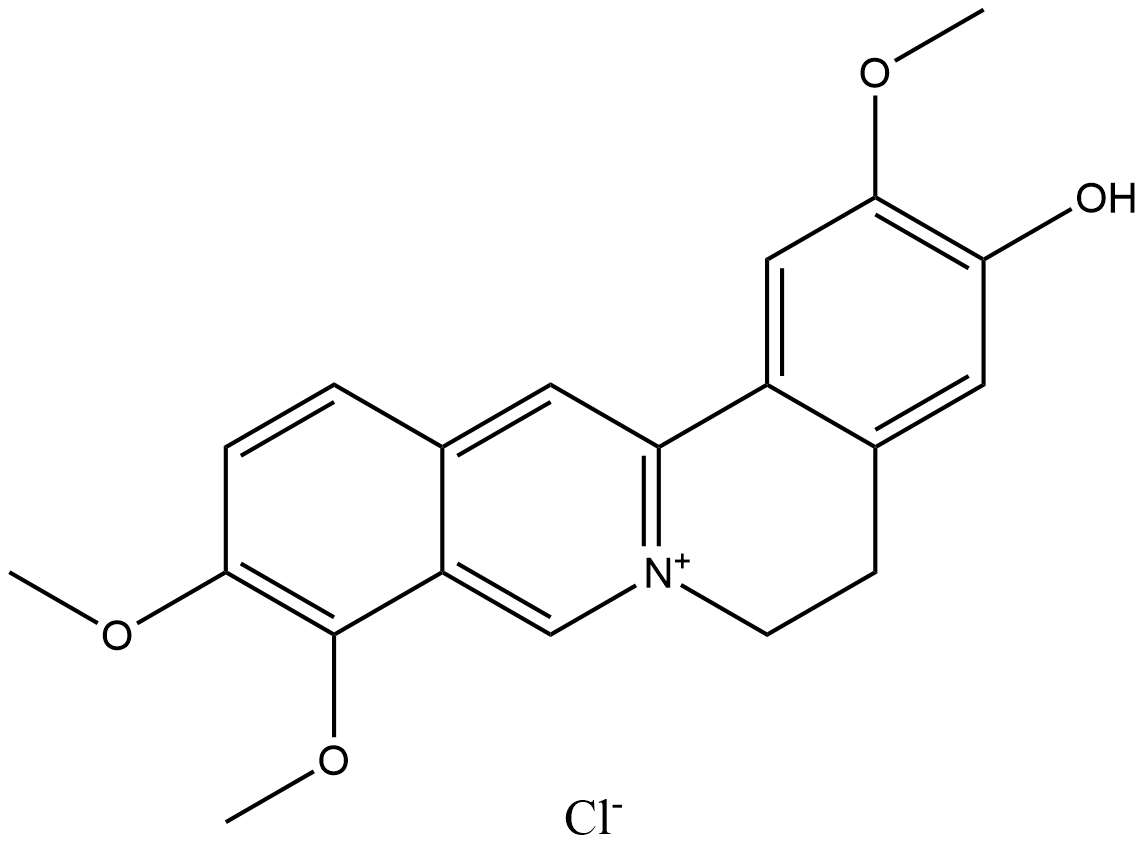 A4657 Jatrorrhizine chlorideSummary: A natural alkaloid that selectively inhibits AChE and reduces 5-HT and NE uptake
 -
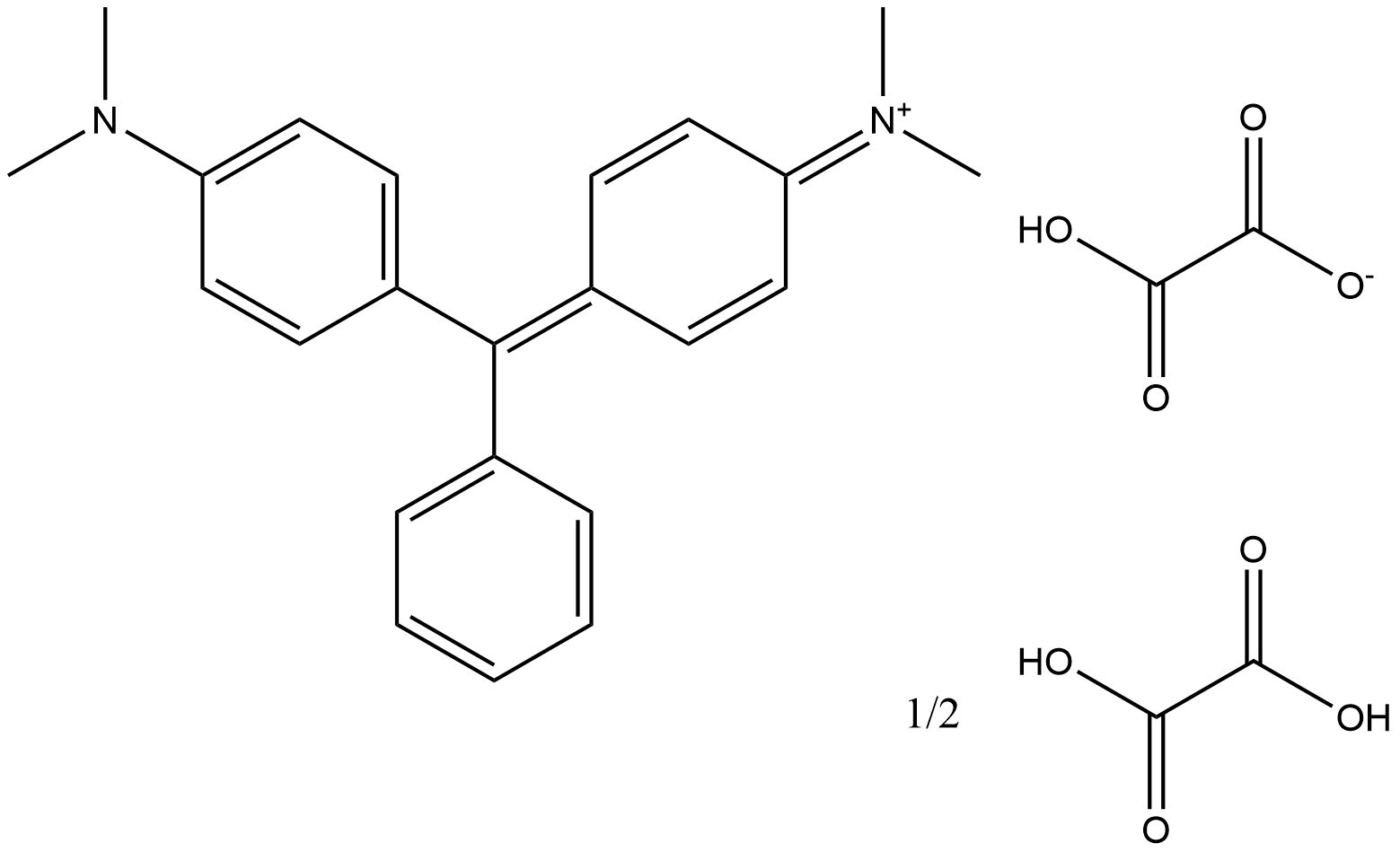 A4738 Malachite green oxalateSummary: A triphenylmethane dye for phosphate detection and IKBKE inhibition
 -
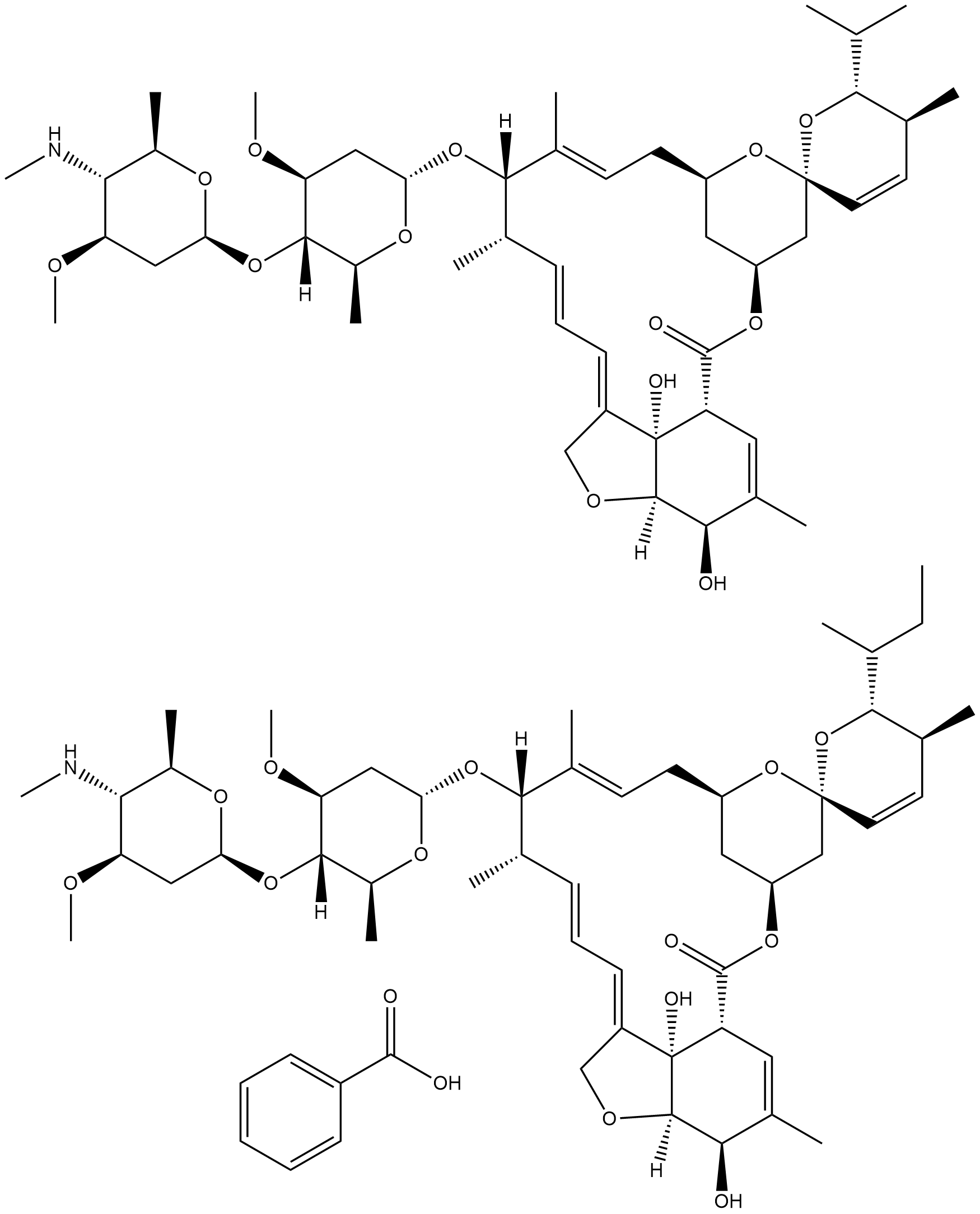 A4757 Emamectin BenzoateSummary: A semisynthetic avermectin derivative that acts on insect GABA receptors and induces ROS damage
 -
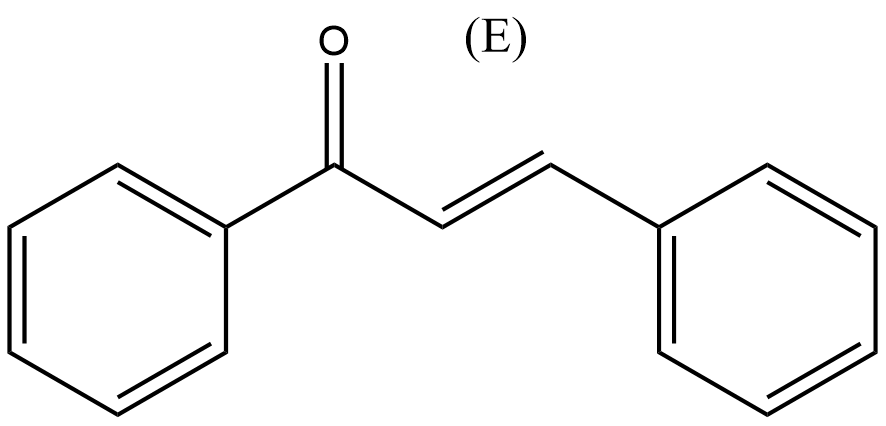 A4773 trans-ChalconeSummary: A flavonoid precursor compound with antitumor, antifungal and enzyme-inhibitory activities