


Anti-infection
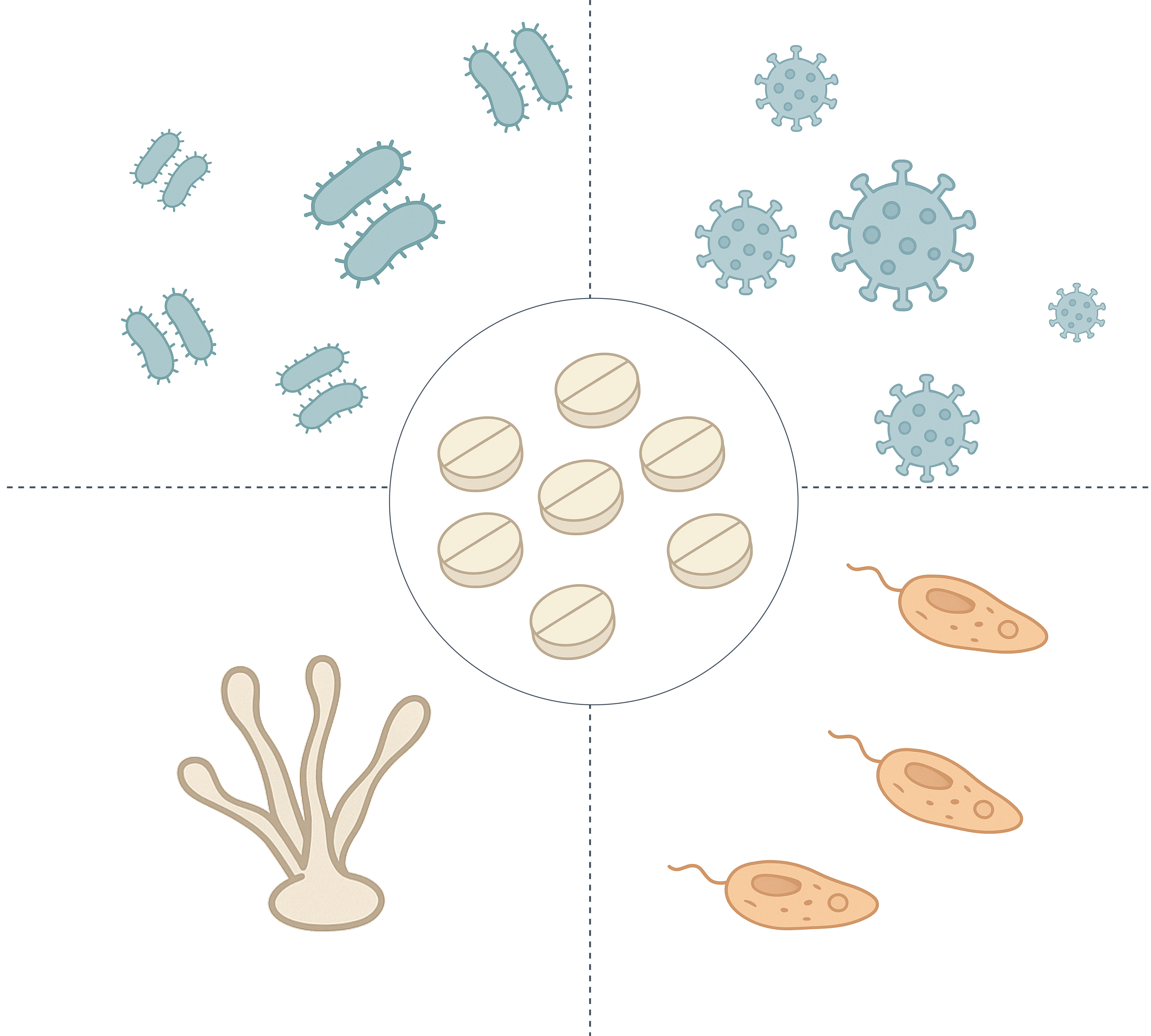
Anti-infectives are agents that eliminate or inhibit the spread of infectious organisms, encompassing antibiotics, antifungals, antivirals, and antiprotozoals.
Antibiotics are a class of antimicrobial agents specifically designed to target bacterial pathogens. They exert their effects by interfering with essential bacterial processes such as cell wall synthesis, protein synthesis, nucleic acid replication, and metabolic pathways, thereby either inhibiting bacterial growth or inducing bacterial death.
Antifungals are antimicrobial agents employed to combat fungal infections (mycoses) in humans and animals. Common antifungal classes include azoles, polyenes, echinocandins, and allylamines, which function by disrupting unique fungal structures or pathways, such as the synthesis or integrity of ergosterol-containing cell membranes and β-glucan-based cell walls, or by interfering with nucleic acid or protein synthesis.
Antivirals are compounds developed to inhibit the replication and spread of viruses within host organisms. Antivirals typically act by blocking viral entry, genome replication, protein processing, or virion assembly and release. Representative examples include nucleoside analogs, protease inhibitors, and neuraminidase inhibitors.
Antiprotozoals are drugs used to treat infections caused by protozoan parasites, including malaria, amebiasis, giardiasis, and trypanosomiasis. They act through a variety of mechanisms, including inhibition of nucleic acid synthesis, interference with mitochondrial function, and disruption of heme detoxification pathways in susceptible parasites.
-
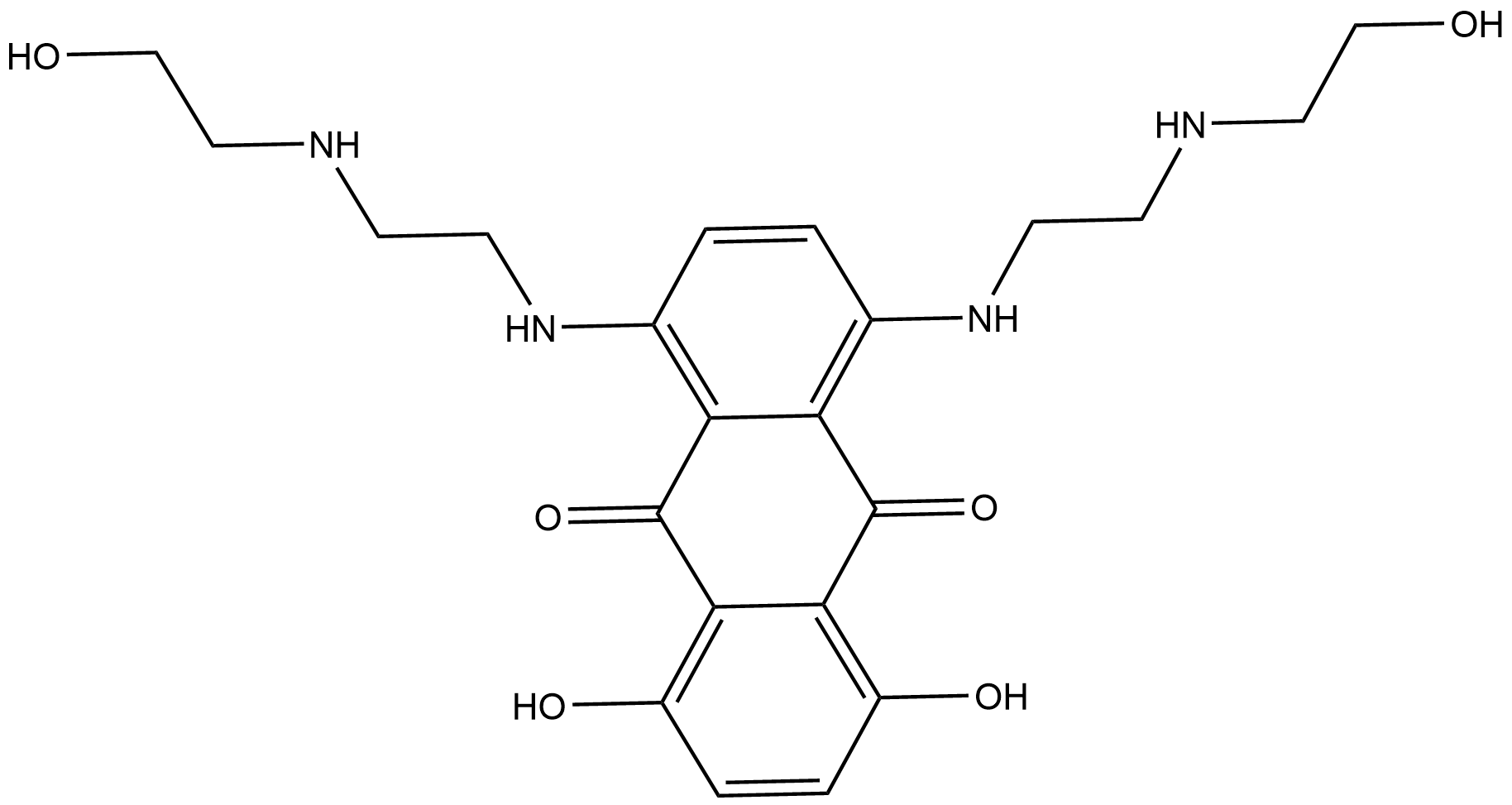 BA2039 Mitoxantrone1 CitationSummary: Mitoxantrone is a potent topoisomerase II inhibitor.
 -
 BA2041 MethisazoneSummary: Methisazone (Marboran) is an antiviral agent that works by inhibiting mRNA and protein synthesis.
 -
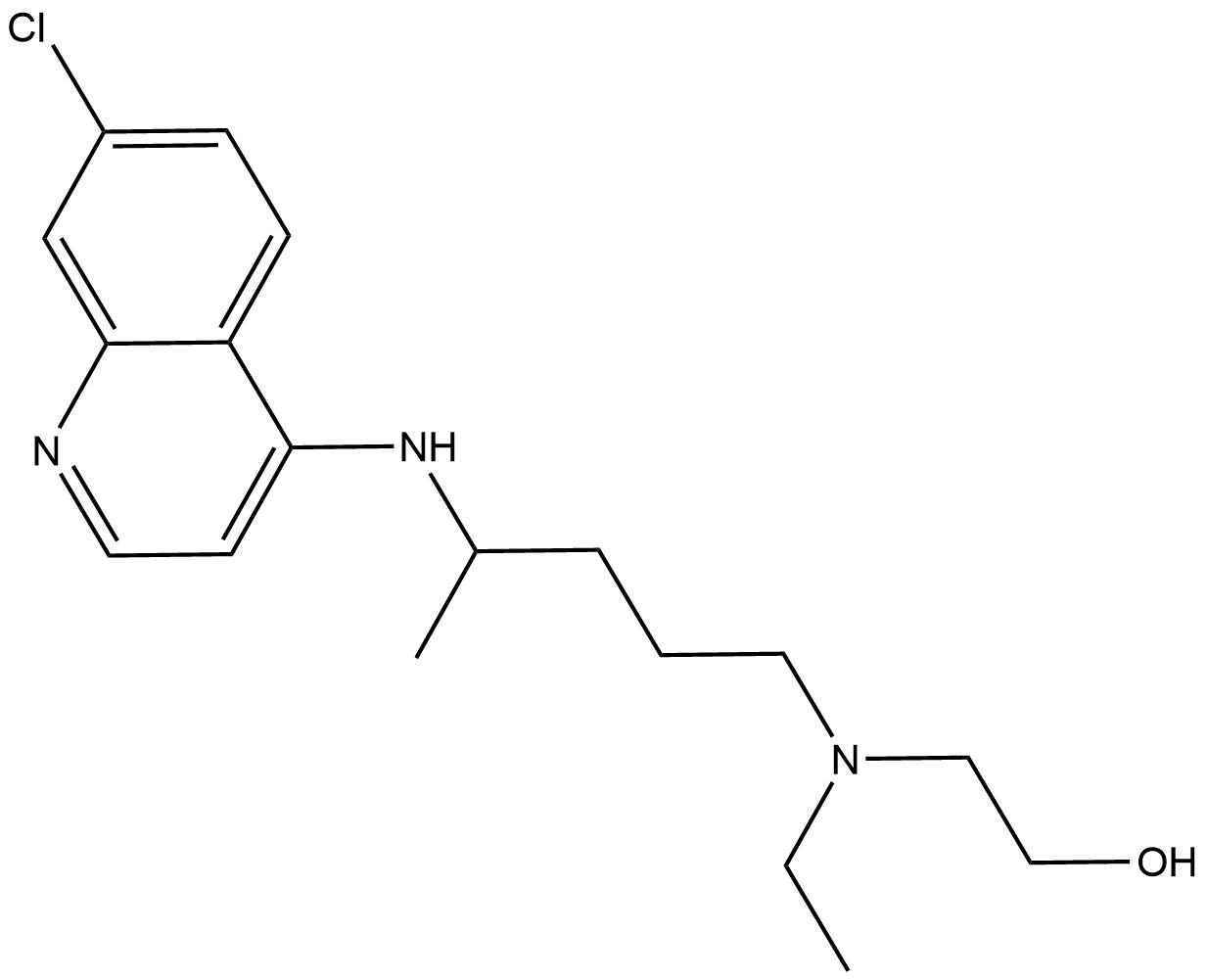 BA2043 HydroxychloroquineSummary: Hydroxychloroquine (HCQ) is a synthetic oral antimalarial drug that is used in studies of malaria and autoimmune diseases such as systemic lupus erythematosus and rheumatoid arthritis.
 -
BA2044 TPE-MISummary: TPE-MI (Tetraphenylethenemaleimide) is intrinsically non-fluorescent before binding to thiols via maleimide.
-
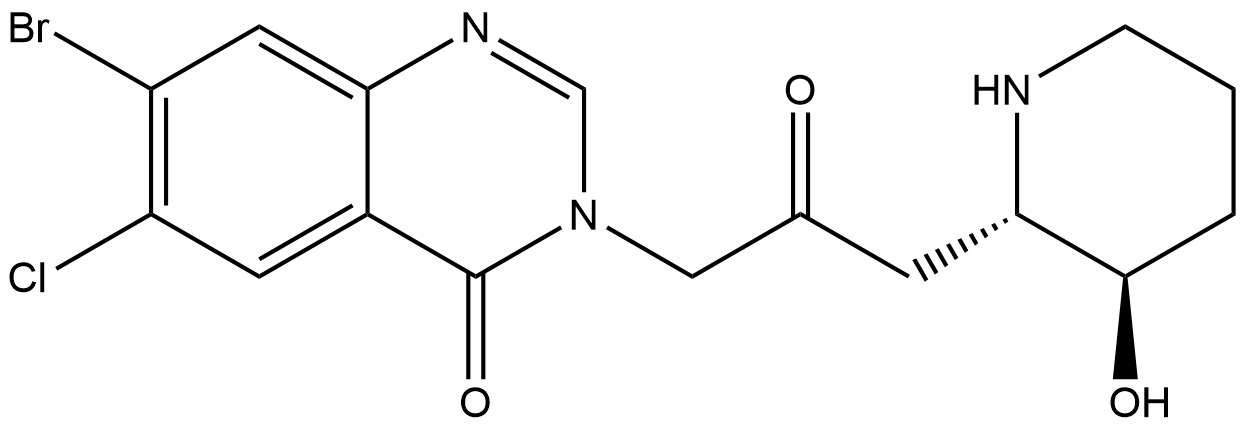 BA2045 HalofuginoneSummary: Halofuginone (RU-19110), a derivative of Febrifugine, is a competitive inhibitor of prolyl-tRNA synthetase.
 -
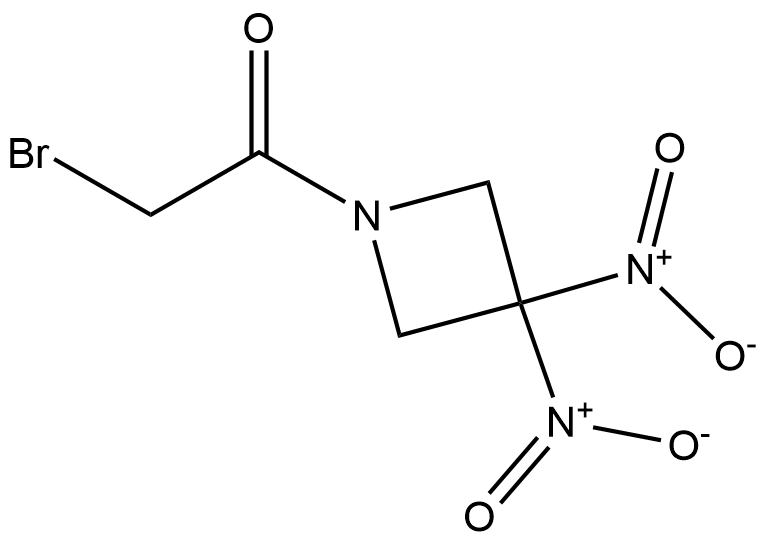 BA2046 RRx-001Summary: RRx-001 is a hypoxia-selective epigenetic factor used as a radiation or chemosensitizing agent that induces apoptosis and overcomes drug resistance in myeloma.
 -
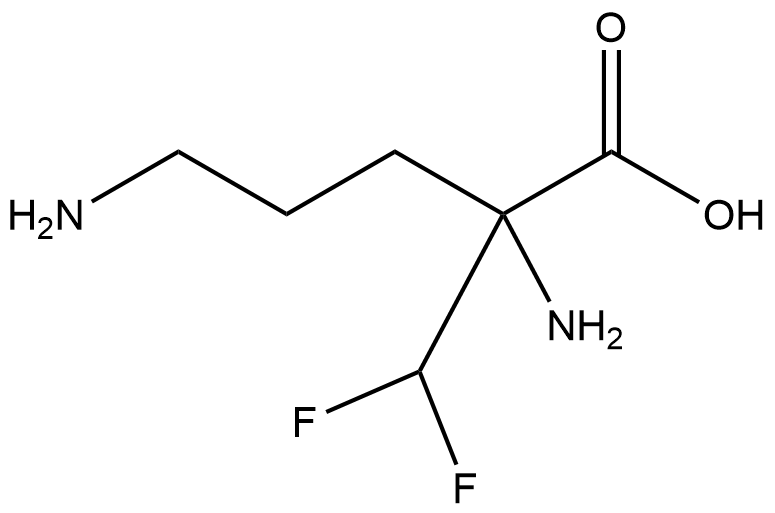 BA2047 EflornithineSummary: A specific irreversible inhibitor of ornithine decarboxylase
 -
BA2048 ObatoclaxSummary: Obatoclax (GX15-070), a BH3 mimetic, is a pan-family protein inhibitor.
-
BA2049 DehydrocorydalineSummary: Dehydrocorydaline (13-Methylpalmatine) is an alkaloid.
-
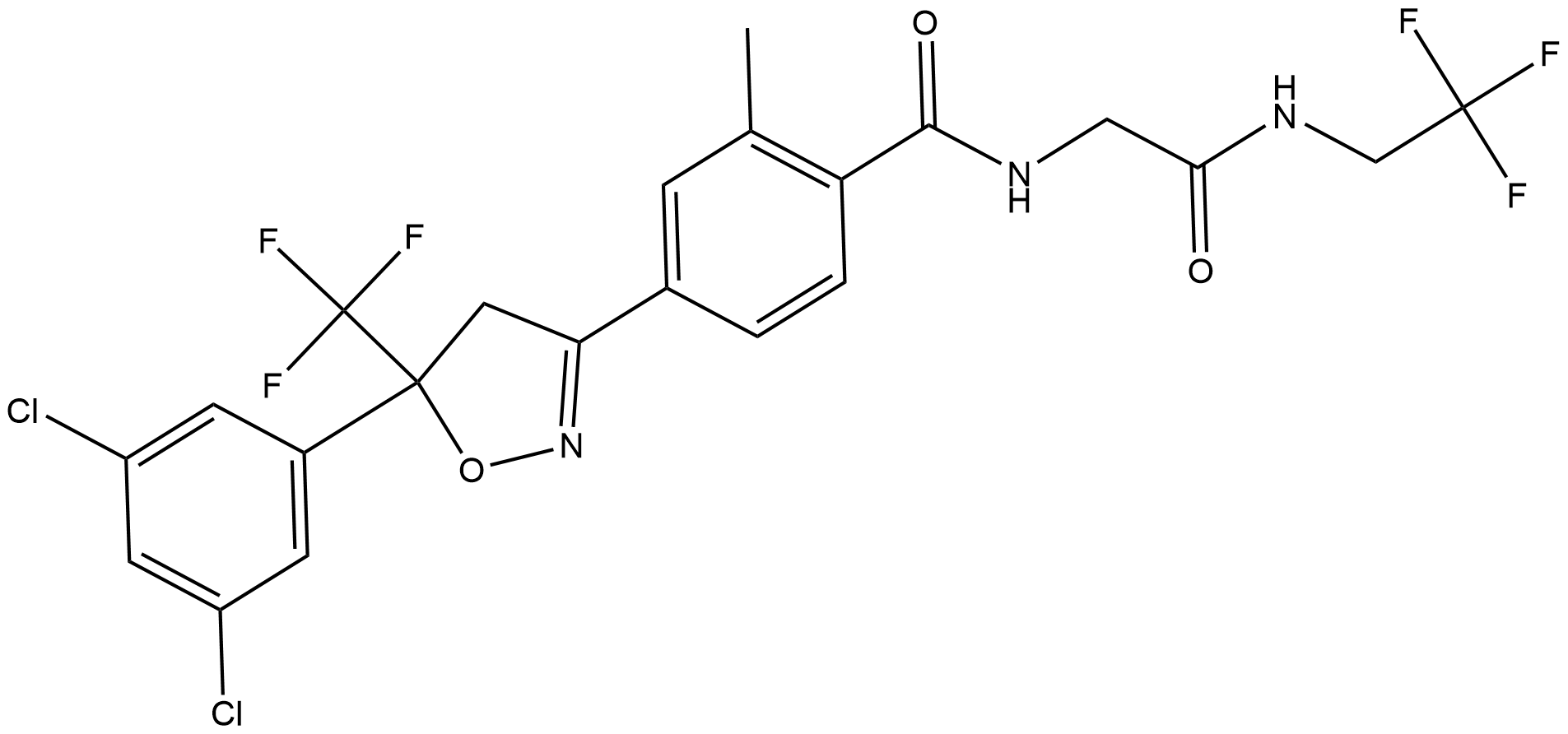 BA2050 FluralanerSummary: An isoxazoline systemic insecticide and acaricide that selectively blocks GABA- and glutamate-gated chloride channels