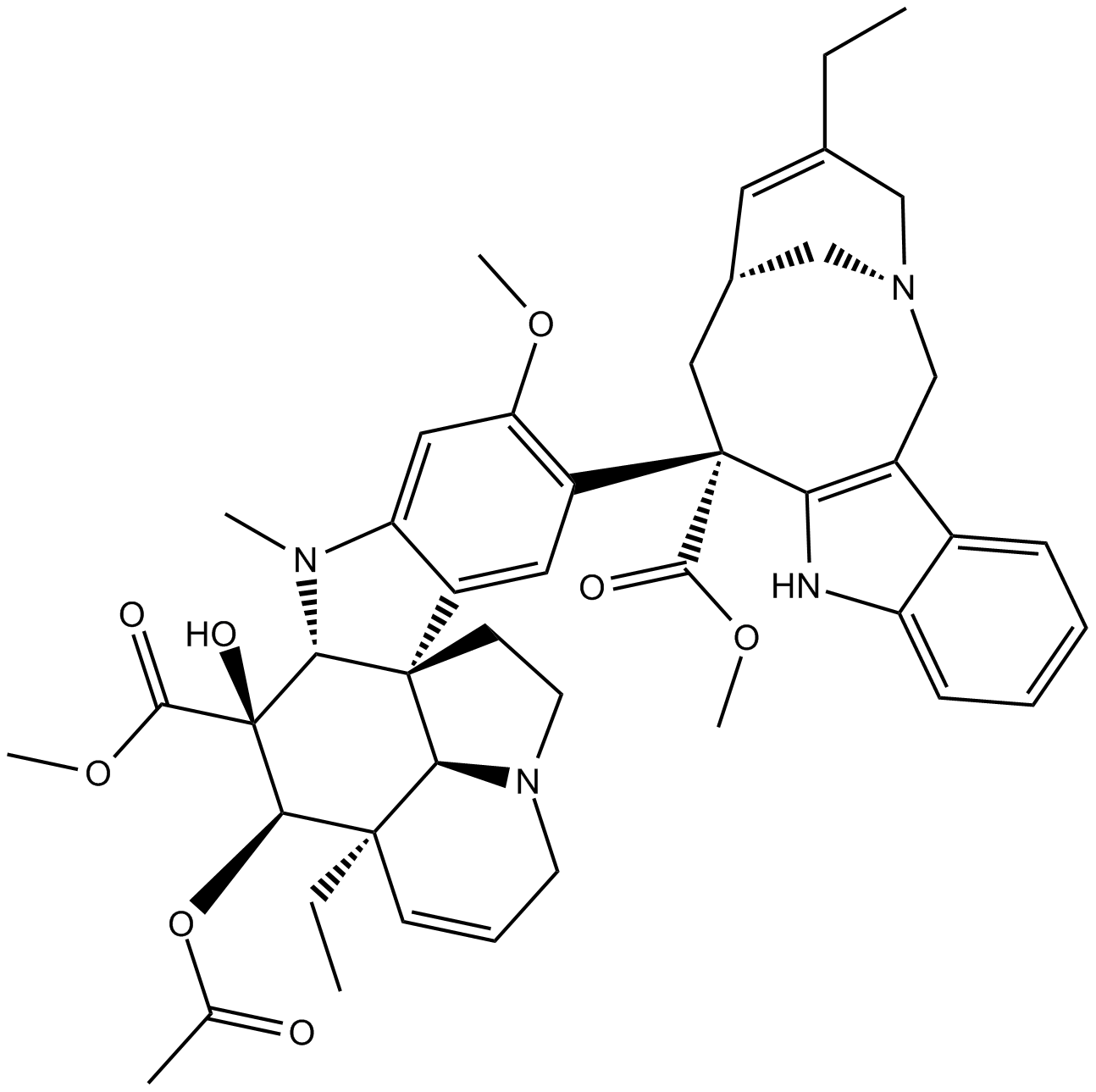


Oxaliplatin
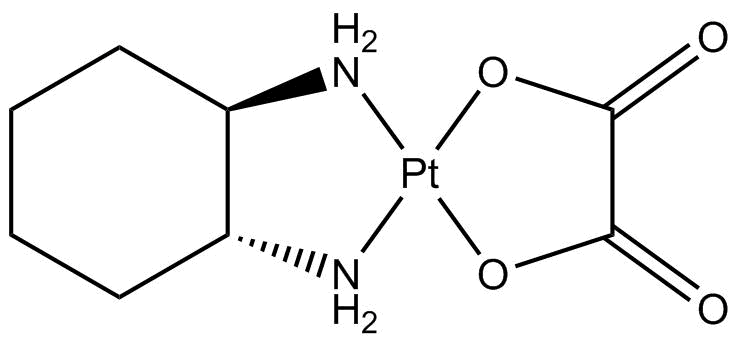
Oxaliplatin (CAS 61825-94-3) is a platinum-based antitumor agent that primarily inhibits DNA synthesis by forming DNA adducts. It exhibits broad-spectrum antitumor activity and lacks cross-resistance with other platinum compounds; it induces primary and secondary DNA damage, triggering apoptosis.
Oxaliplatin is active against the human melanoma cell lines C32 and G361, with IC50 values of 0.98 mM and 0.14 mM, respectively. Oxaliplatin effectively inhibits the bladder cancer cell lines RT4 and TCCSUP, the ovarian cancer cell line A2780, the colon cancer cell line HT-29, the glioblastoma cell lines U-373MG and U-87MG, and the melanoma cell lines SK-MEL-2 and HT-144, with IC50 values of 11 micromol/L, 15 micromol/L, 0.17 micromol/L, 0.97 micromol/L, 2.95 micromol/L, 17.6 micromol/L, 30.9 micromol/L, and 7.85 micromol/L, respectively.
In vivo, in nude mice bearing HCCLM3 hepatocellular tumors, intraperitoneal injection of 10 mg/kg oxaliplatin once weekly significantly reduces tumor volume and the apoptotic index. Intravenous injection of 5 mg/kg oxaliplatin on days 1, 5, and 9 shows activity against T-lymphoma L40 AKR, with a T/C of 1.77. Oxaliplatin shows potent activity in models of intracerebrally transplanted L1210 leukemia, MA16-C xenografts, B16 melanoma xenografts, Lewis lung xenografts, and C26 colon cancer xenografts. In the experiments, cisplatin (3 mM) was dissolved in saline, while carboplatin (27 mM) and oxaliplatin (12.6 mM) were dissolved in water.
In patients with metastatic colorectal cancer, oxaliplatin in combination with fluorouracil/folinic acid is active against metastatic colorectal cancer and can be used as first-line therapy, as well as in patients refractory to prior chemotherapy. In addition, oxaliplatin is effective in patients with platinum-pretreated ovarian cancer, non-Hodgkin lymphoma, breast cancer, mesothelioma, and non-small cell lung cancer.
Oxaliplatin is commonly used to establish chemotherapy-induced peripheral neuropathy (cold allodynia) animal models, for studying the mechanisms of peripheral neuropathy and neuroprotective drugs.
References: [1]. Culy CR, Clemett D, Wiseman LR. Oxaliplatin. A review of its pharmacological properties and clinical efficacy in metastatic colorectal cancer and its potential in other malignancies. Drugs. 2000 Oct;60(4):895-924.
[2]. Raymond E, Faivre S, Chaney S et al. Cellular and molecular pharmacology of oxaliplatin. Mol Cancer Ther. 2002 Jan;1(3):227-35.
[3]. Stein A, Arnold D. Oxaliplatin: a review of approved uses. Expert Opin Pharmacother. 2012 Jan;13(1):125-37.
[4]. Hoff PM, Saad ED, Costa F et al. Literature review and practical aspects on the management of oxaliplatin-associated toxicity. Clin Colorectal Cancer. 2012 Jun;11(2):93-100.
[5]. Hall MD, et al. Say no to DMSO: dimethylsulfoxide inactivates cisplatin, carboplatin, and other platinum complexes. Cancer Res. 2014 Jul 15;74(14):3913-22.
- 1. Manish K Madasu, Loc V Thang, et al. "Peripheral kappa opioid receptors modulate cold hypersensitivity in a mouse model of chemotherapy-induced neuropathy." Pain. 2026 Jul 7. PMID: 42402893
- 2. Yiting Wei, Jing Chen, et al. "Thymosin Alpha-1 Restores Chemotherapy-Induced Antitumor Immunity by Chaperoning a MicroRNA Ligand of TLR7 in Dendritic Cells." Cancer Res. 2026 Jun 15. PMID: 42295795
- 3. Wei-Jing Liu, Yi-Yao Shan, et al. "H89 Reverses Multidrug Resistance in Colorectal Cancer by Inhibiting the ATPase Activity of ABCB1." Biomedicines. 2025 Nov 25;13(12):2869. PMID: 41462884
- 4. Yishuang Yan, Huayu Zhang, Chunshu Jia. "Elevated NDRG1 Expression Drives Oxaliplatin Chemoresistance in Bladder Cancer Cells by Promoting Homologous Recombination Repair and Inhibiting G2/M Arrest." Cell Biochem Biophys. 2025 Dec 10. PMID: 41369707
- 5. Irit Shapira-Netanelov, Olga Furman, et al. "Patient-Derived Gastric Cancer Assembloid Model Integrating Matched Tumor Organoids and Stromal Cell Subpopulations." Cancers (Basel). 2025 Jul 9;17(14):2287. PMID: 40723172
- 6. Rongtian Pan, Renrui Zou, et al. "Targeting PAK1 suppresses tumor progression by promoting mRNA decay of oncogenic factors and enhancing chemotherapeutic efficacy in colorectal cancer." Available online 11 May 2025, 101683
- 7. Lili Pei, Yu Li, et al. "Identification of SMC2 and SMC4 as prognostic markers in breast cancer through bioinformatics analysis." Clin Transl Oncol. 2024 May 21. PMID: 38773061
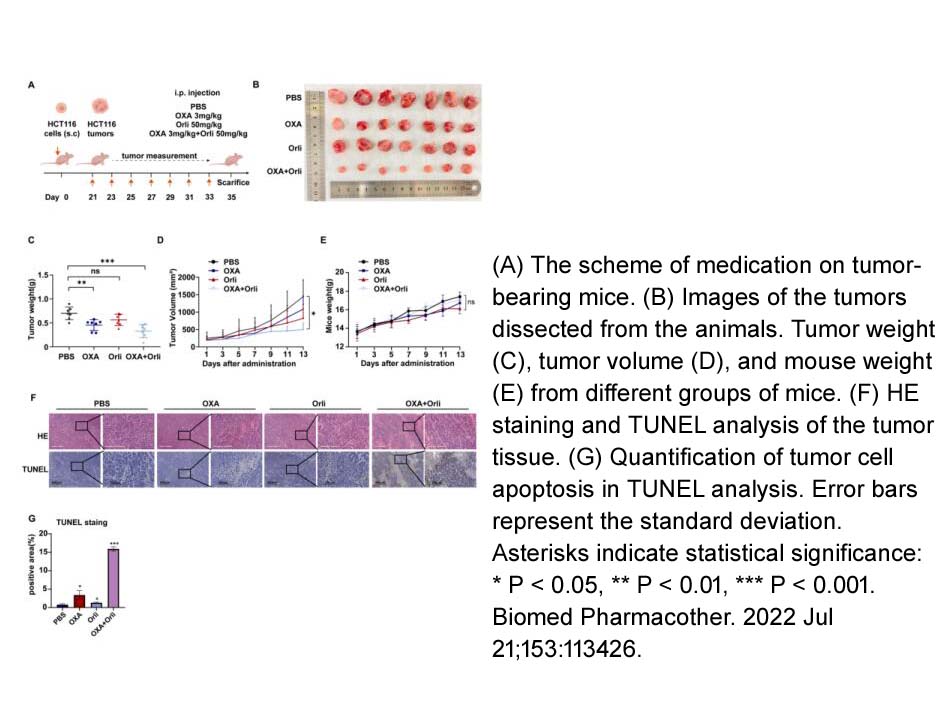
- 8. Qing Zhang, Yue Zhou, et al. "Low-dose orlistat promotes the therapeutic effect of oxaliplatin in colorectal cancer." Biomed Pharmacother. 2022 Sep;153:113426. PMID: 36017794
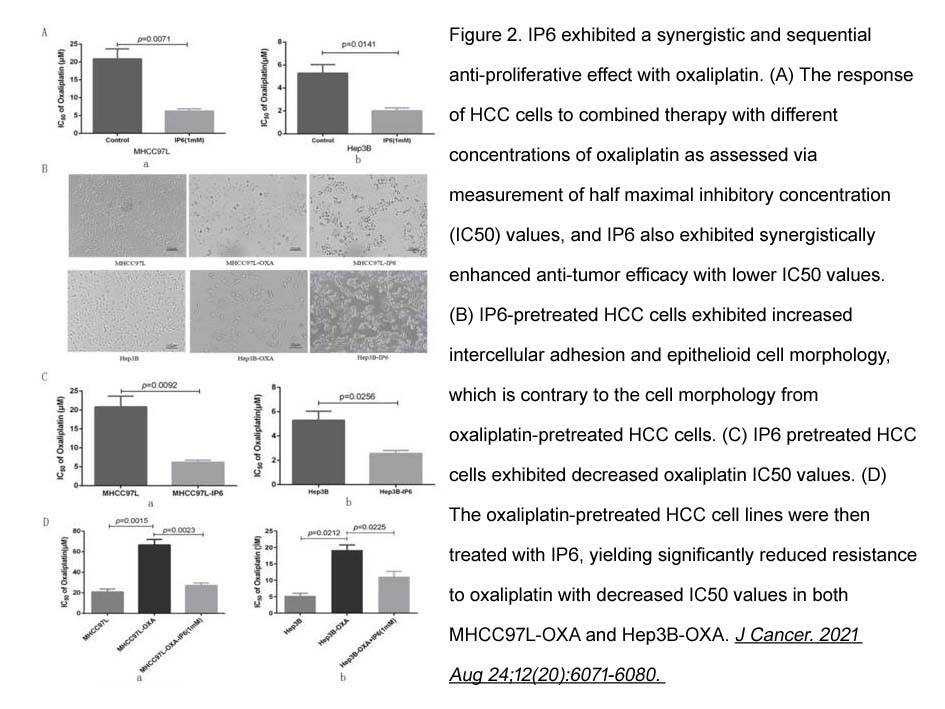
- 9. Xia Liao, Yaoyao Zhang, et al. "Inositol hexaphosphate sensitizes hepatocellular carcinoma to oxaliplatin relating inhibition of CCN2-LRP6-β-catenin-ABCG1 signaling pathway." J Cancer. 2021 Aug 24;12(20):6071-6080 PMID: 34539880
- 10. Liao X, Song G, et al. "Oxaliplatin resistance is enhanced by saracatinib via upregulation Wnt-ABCG1 signaling in hepatocellular carcinoma." BMC Cancer. 2020;20(1):31 PMID: 31931755
- 11. Feng M, Jin JQ, et al. "Pharmacological inhibition of β-catenin/BCL9 interaction overcomes resistance to immune checkpoint blockades by modulating T(reg) cells." Sci Adv. 2019 May 8;5(5):eaau5240 PMID: 31086813
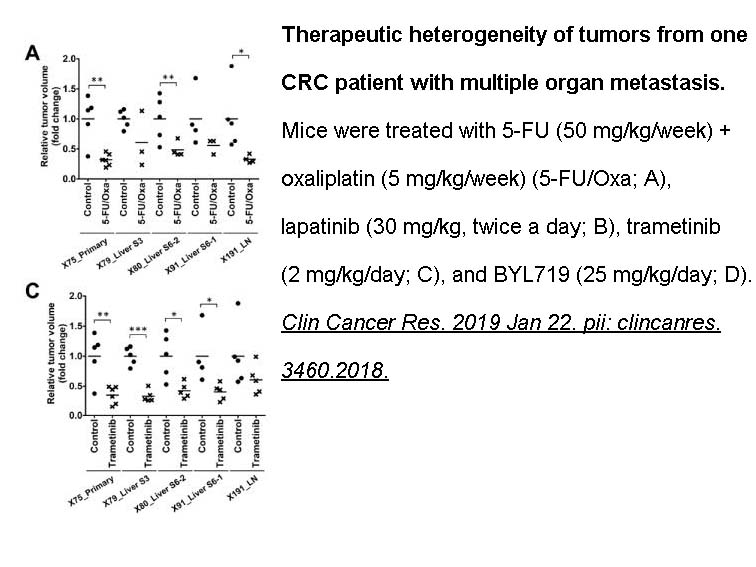
- 12. Cho SY, Chae J, et al. "Unstable Genome and Transcriptome Dynamics during Tumor Metastasis Contribute to Therapeutic Heterogeneity in Colorectal Cancers." Clin Cancer Res. 2019 Jan 22 PMID: 30670495
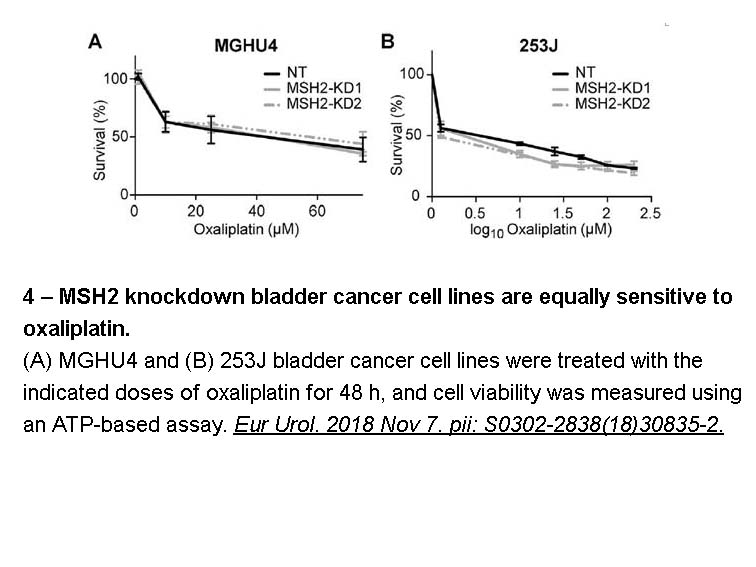
- 13. Goodspeed A, Jean A, et al. "A Whole-genome CRISPR Screen Identifies a Role of MSH2 in Cisplatin-mediated Cell Death in Muscle-invasive Bladder Cancer." Eur Urol. 2019 Feb;75(2):242-250 PMID: 30414698
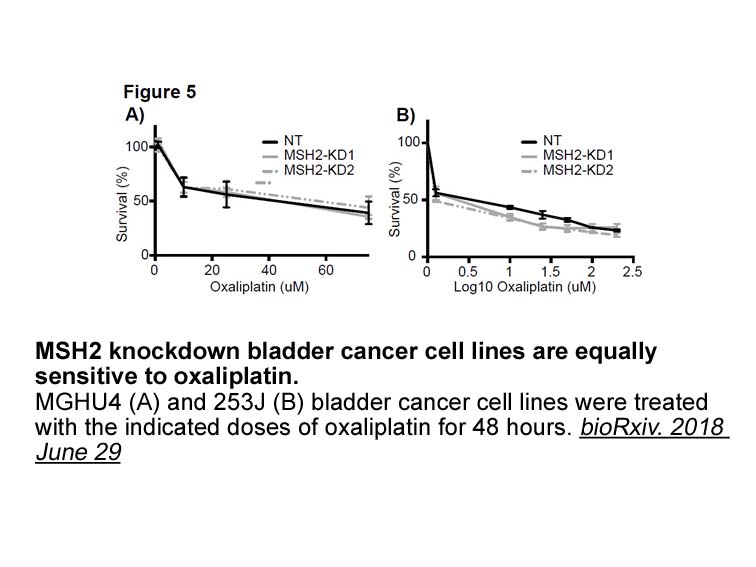
- 14. Andrew Goodspeed, Annie Jean, et al. "Low MSH2 protein levels identify muscle-invasive bladder cancer resistant to cisplatin." bioRxiv. 2018 June 29
| Physical Appearance | A solid |
| Storage | Store at -20°C |
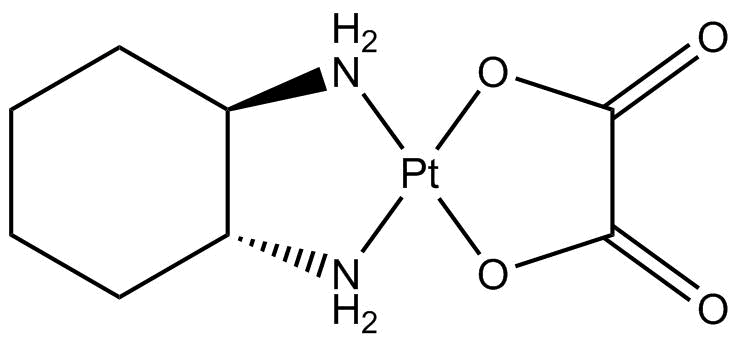
| M.Wt | 397.29 |
| Cas No. | 61825-94-3 |
| Formula | C8H14N2O4Pt |
| Solubility | insoluble in EtOH; ≥3.94 mg/mL in H2O with gentle warming |
| Chemical Name | (1R,2R)-cyclohexane-1,2-diamine;oxalate;platinum(2+) |
| Canonical SMILES | N[C@H](CCCC1)[C@@H]1N.[O-]C(C([O-])=O)=O.[Pt+2] |
| Shipping Condition | Small Molecules with Blue Ice, Modified Nucleotides with Dry Ice. |
| General tips | We do not recommend long-term storage for the solution, please use it up soon. |
| Cell experiment [1,2]: | |
|
Cell lines |
Carcinoma cell lines |
|
Preparation method |
Limited soluble in DMSO. General tips for obtaining a higher concentration: Please warm the tube at 37 ℃ for 10 minutes and/or shake it in the ultrasonic bath for a while. Stock solution can be stored below -20℃ for several months. |
|
Reacting condition |
1-24h |
|
Applications |
Oxaliplatin effectively inhibited bladder carcinoma cell lines RT4 and TCCSUP, ovarian carcinoma cell line A2780, colon carcinoma cell line HT-29, glioblastoma cell lines U-373MG and U-87MG, and melanoma cell lines SK-MEL-2 and HT-144 with IC50 of 11 μM, 15 μM, 0.17 μM, 0.97 μM, 2.95 μM, 17.6 μM, 30.9 μM and 7.85 μM, respectively.Oxaliplatin was active against C32 and G361 cell lines with IC50 values of 49.48 and 9.07 μM (1 h), 9.47 and 1.30 μM (4 h), and 0.98 and 0.14 μM (24 h). |
| Animal experiment [3,4]: | |
|
Animal models |
Nude mice bearing hepatocellular HCCLM3 tumors, Mice bearing L1210 leukemia, MA 16-C xenografts, B16 melanoma xenografts, Lewis lung xenografts and C26 colon carcinoma xenografts. |
|
Dosage form |
Intraperitoneal injection, 10 mg/kg, weekly injection; 5 mg/kg, Intravenous injection, on days 1, 5 and 9 |
|
Application |
Oxaliplatin significantly reduced tumor volume and apoptotic index in nude mice bearing hepatocellular HCCLM3 tumors. Oxaliplatin (5 mg/kg, i.v. on days 1, 5 and 9) was active on T-leukemia-lymphoma L40 AKR with T/C of 1.77. Oxaliplatin was also efficient on intracerebrally grafted L1210 leukemia, B16 melanoma xenografts, MA 16-C xenografts, Lewis lung xenografts and C26 colon carcinoma xenografts. Oxaliplatin induced impairment of retrograde neuronal transport in mice. |
|
Other notes |
Please test the solubility of all compounds indoor, and the actual solubility may slightly differ with the theoretical value. This is caused by an experimental system error and it is normal. |
|
References: [1]. Mohammed M Q, Retsas S. Oxaliplatin is active in vitro against human melanoma cell lines: comparison with cisplatin and carboplatin[J]. Anti-cancer drugs, 2000, 11(10): 859-863. [2]. Pendyala L, Creaven P J. In vitro cytotoxicity, protein binding, red blood cell partitioning, and biotransformation of oxaliplatin[J]. Cancer research, 1993, 53(24): 5970-5976. [3]. Wang Z, Zhou J, Fan J, et al. Oxaliplatin induces apoptosis in hepatocellular carcinoma cells and inhibits tumor growth[J]. Expert opinion on investigational drugs, 2009, 18(11): 1595-1604. [4]. Mathe G, Kidani Y, Segiguchi M, et al. Oxalato-platinum or 1-OHP, a third-generation platinum complex: an experimental and clinical appraisal and preliminary comparison with cis-platinum and carboplatinum[J]. Biomedicine & pharmacotherapy, 1989, 43(4): 237-250. |
|
Quality Control & MSDS
- View current batch:
Chemical structure
Related Biological Data
Related Biological Data
Related Biological Data
Related Biological Data

Related Biological Data

Related Biological Data
Related Biological Data