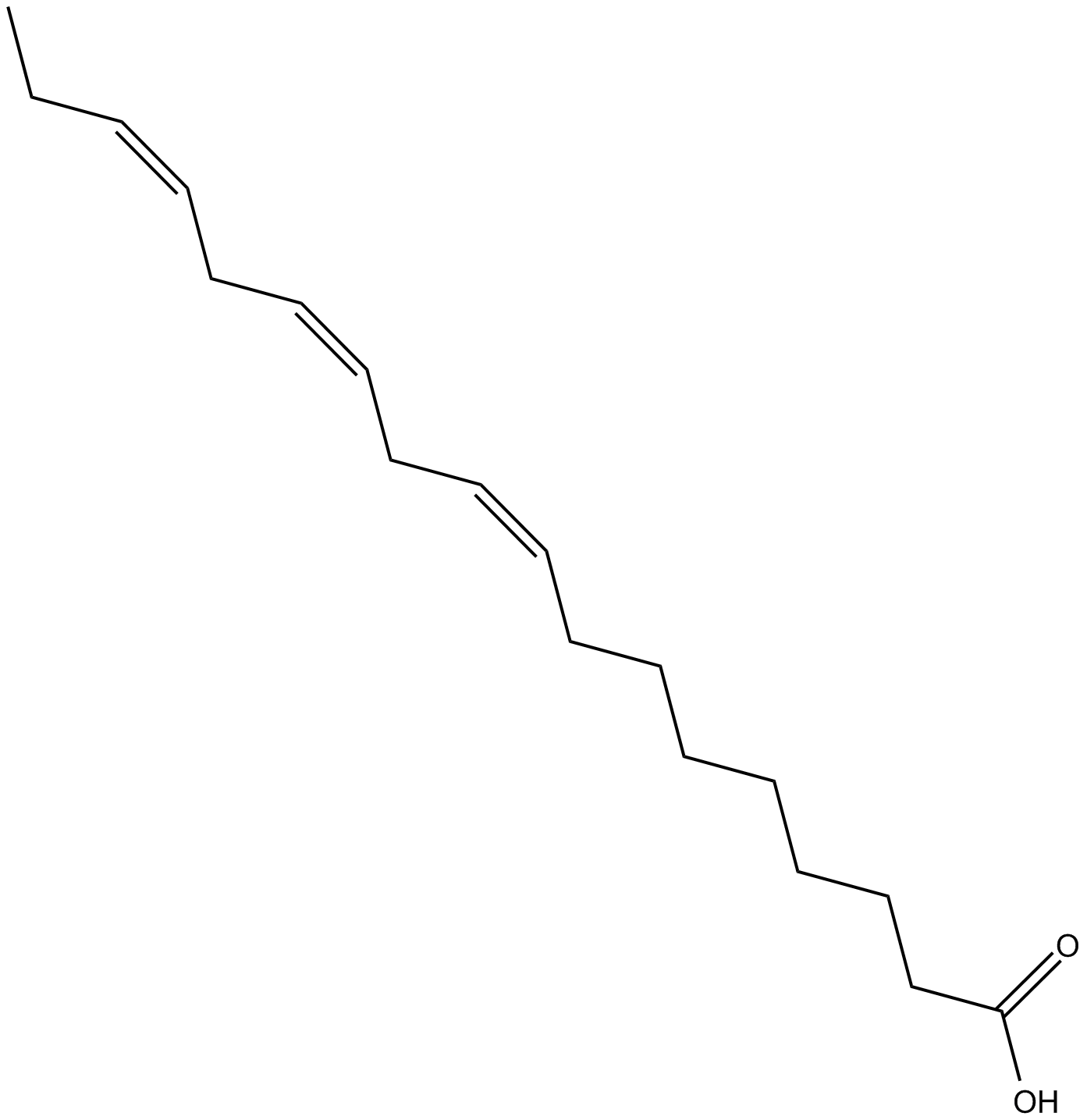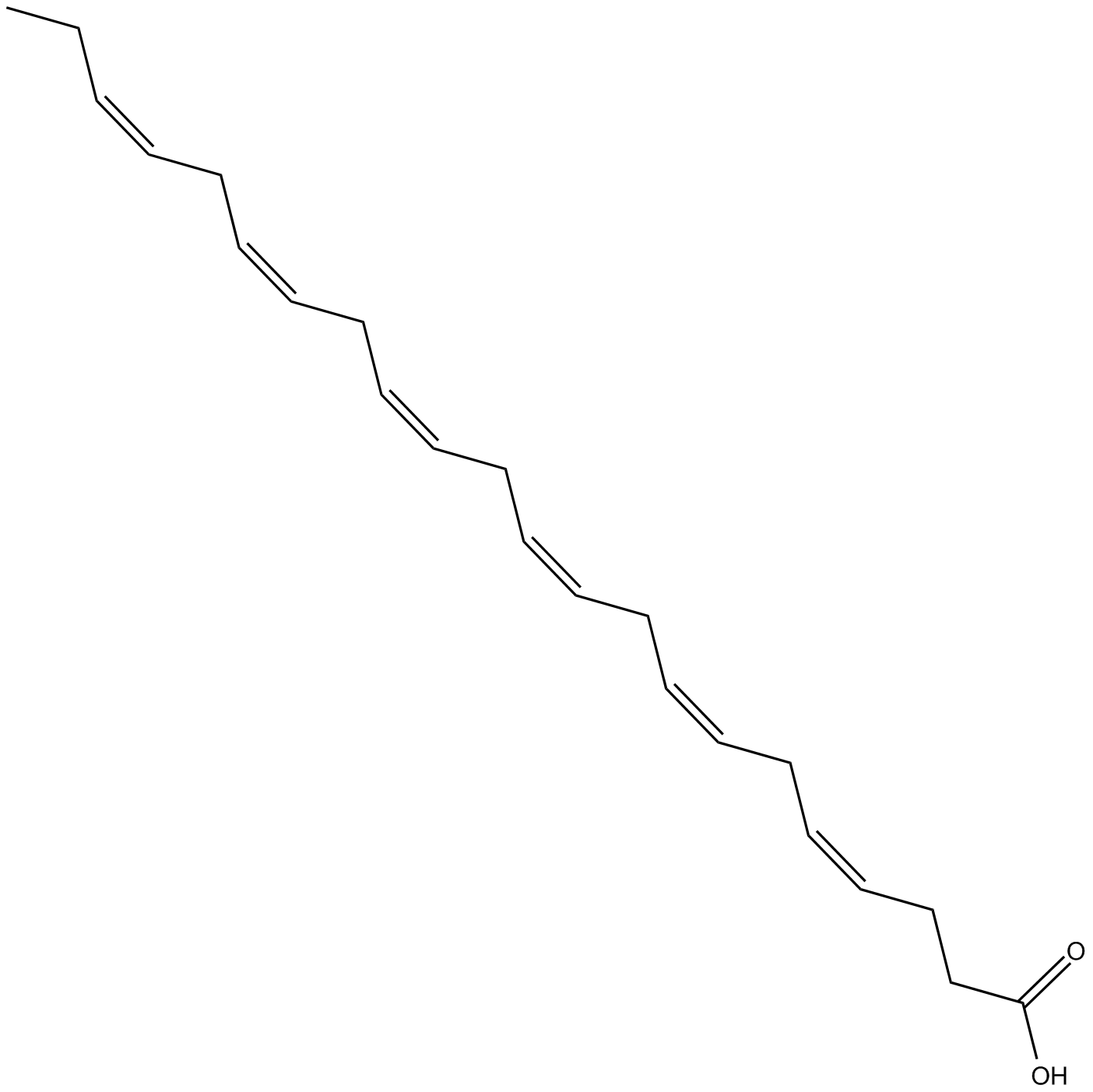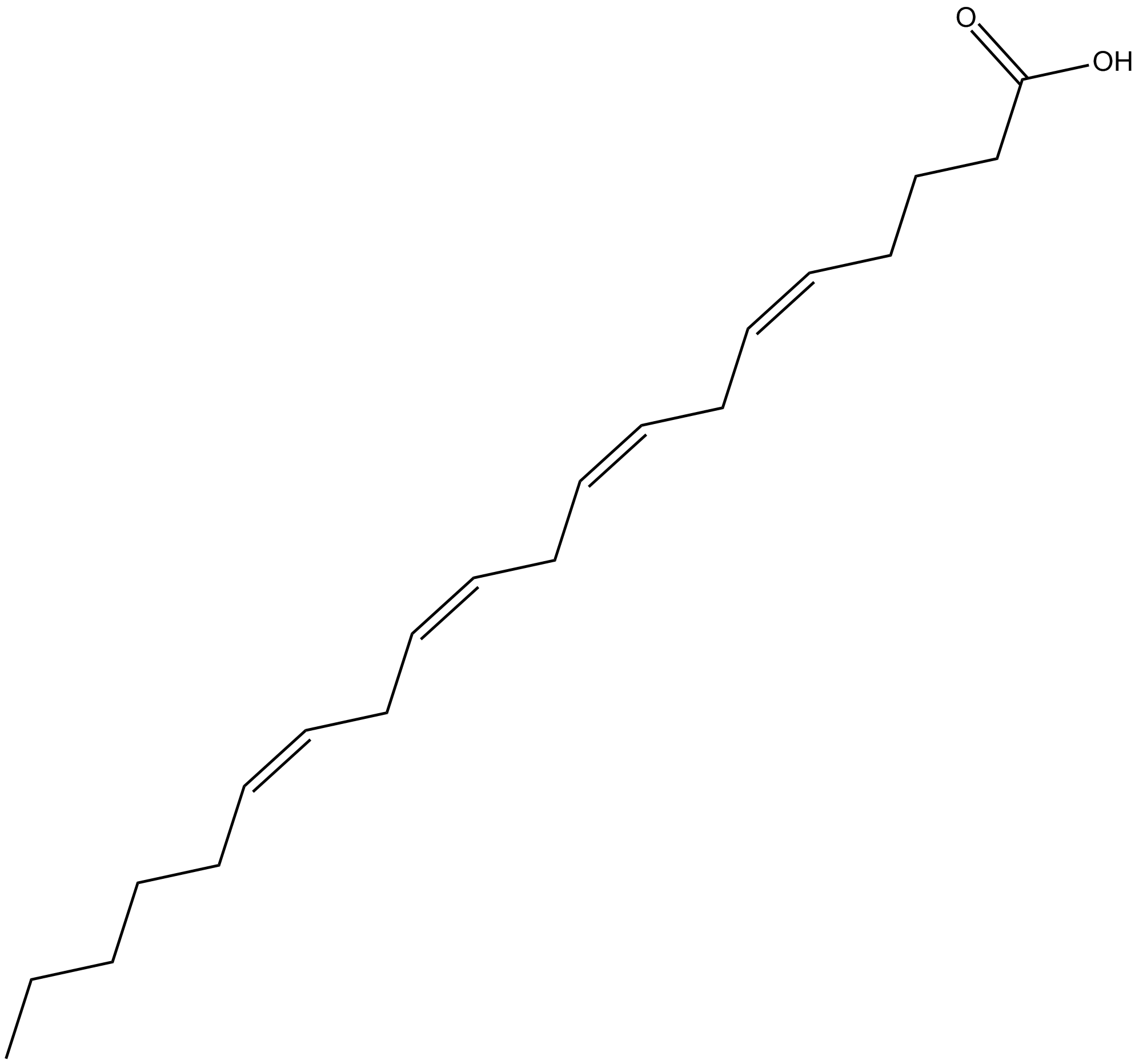


Prostaglandin E2
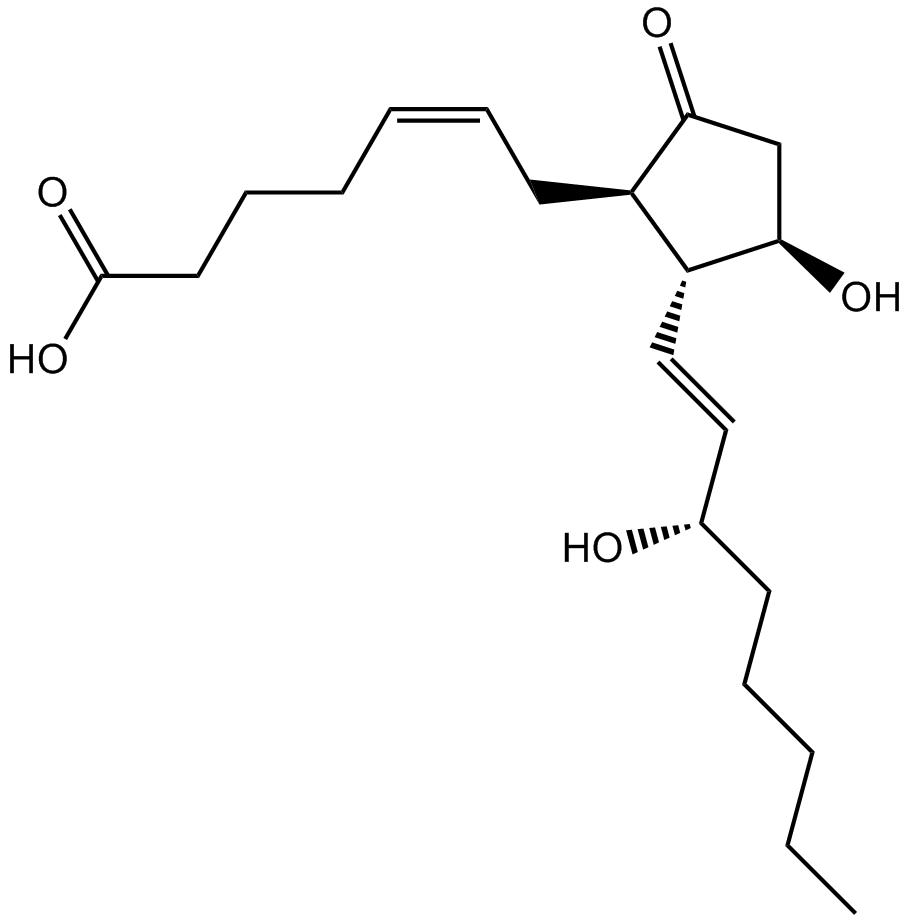
Prostaglandin E2 (CAS 363-24-6) is an endogenous prostaglandin that binds to EP1, EP2, EP3, and EP4 receptors with Ki values of 9.1, 4.9, 0.33, and 0.79 nM [1] and is commonly used to establish PGE2-induced hyperalgesia/allodynia (intrathecal injection) and inflammation-associated bone loss animal models.
Prostaglandin E2 (PGE2) is a lipid-derived signaling molecule that acts by binding to and activating the four PGE2 receptors (EP1-EP4), all of which are G protein-coupled receptors.
PGE2 stimulates gastric fundus mucosal secretion [3] and modulates the functions of various immune cells, including dendritic cells, macrophages, T lymphocytes, and B lymphocytes, exerting both pro- and anti-inflammatory effects [2].
PGE2 regulates multiple physiological systems, including the gastrointestinal and immune systems. In the gastrointestinal tract, PGE2 exerts a protective effect on maintaining gastric mucosal integrity and participates in blood pressure regulation, particularly during salt overload [2].
PGE2 has cytoprotective properties, preventing gastrointestinal mucosal injury and promoting the healing of existing duodenal ulcers [3]. PGE2 is the active ingredient of dinoprostone, which is used to soften the cervix and induce uterine contractions.
References: [1] Abramovitz M1, Adam M, Boie Y, Carrière M, Denis D, Godbout C, Lamontagne S, Rochette C, Sawyer N, Tremblay NM, Belley M, Gallant M, Dufresne C, Gareau Y, Ruel R, Juteau H, Labelle M, Ouimet N, Metters KM. The utilization of recombinant prostanoid receptors to determine the affinities and selectivities of prostaglandins and related analogs. Biochim Biophys Acta. 2000 Jan 17;1483(2):285-93.
[2] Hata AN, Breyer RM. Pharmacology and signaling of prostaglandin receptors: multiple roles in inflammation and immune modulation. Pharmacol Ther. 2004 Aug;103(2):147-66.
[3] Johansson C, Kollberg B. Clinical trials with prostaglandin E2. Prostaglandins. 1981;21 Suppl:161-4.
- 1. Shengyong Feng, Enhao Ma, et al. "Dietary supplementation of arachidonic acid promotes humoral immunity." EMBO Molecular Medicine 12 September 2025
- 2. Yuwei Liao, Zhifan Lin, et al. "Small molecules enhance the high-efficiency generation of pancreatic ductal organoids." bioRxiv [Preprint]. 2024 Dec 8:2024.12.06.627217. PMID: 40230288
- 3. Shi-Wei Zhang, Wei Chen, et al. "An efficient and user‐friendly method for cytohistological analysis of organoids." J Tissue Eng Regen Med. 2021 Nov;15(11):1012-1022. PMID: 34555270
| Physical Appearance | A crystalline solid |
| Storage | Store at -20°C |
| M.Wt | 352.47 |
| Cas No. | 363-24-6 |
| Formula | C20H32O5 |
| Solubility | ≥35.2 mg/mL in EtOH; insoluble in H2O; ≥42.8 mg/mL in DMSO |
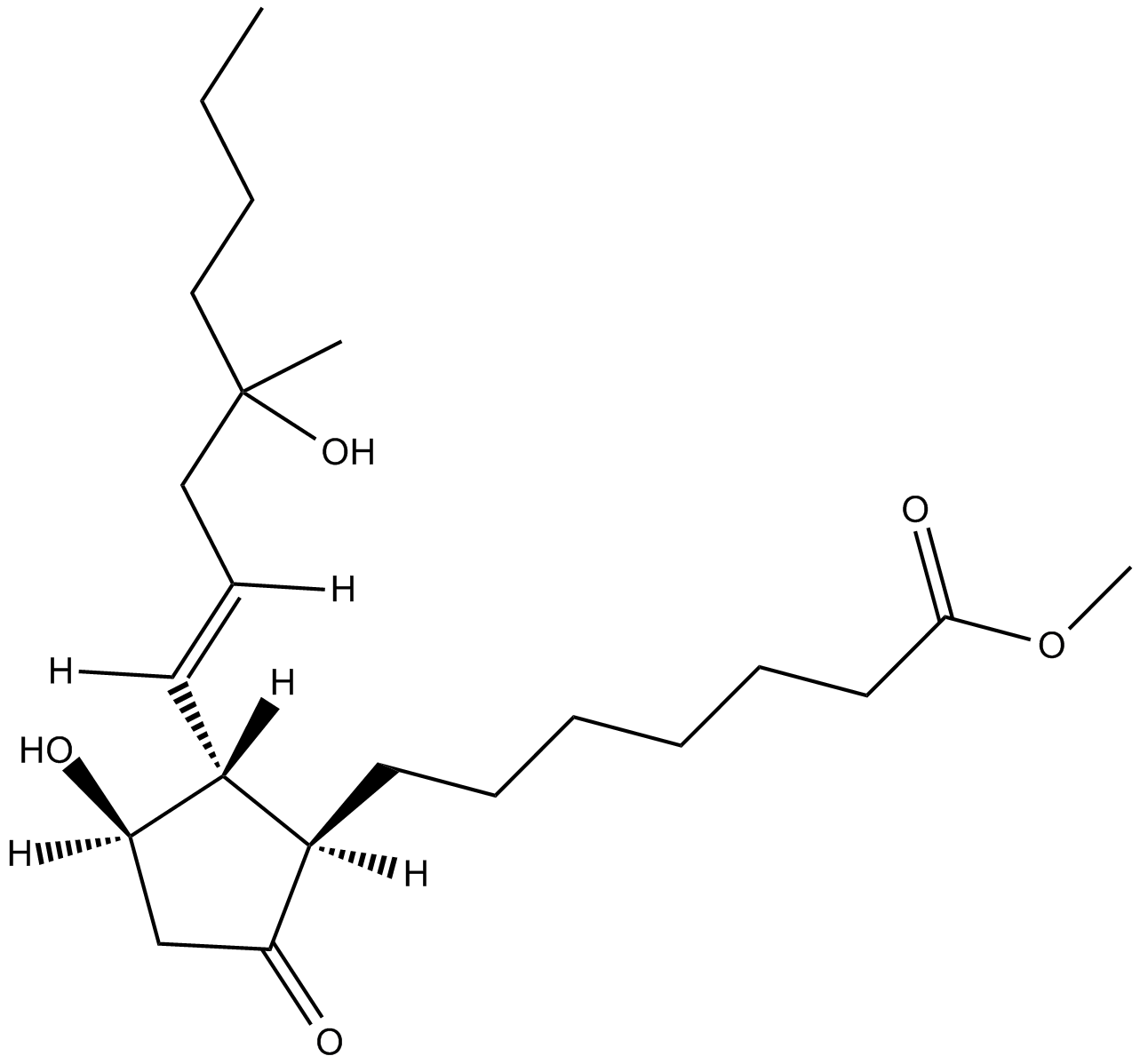
| Chemical Name | (Z)-7-((1R,2R,3R)-3-hydroxy-2-((S,E)-3-hydroxyoct-1-en-1-yl)-5-oxocyclopentyl)hept-5-enoic acid |
| Canonical SMILES | CCCCC[C@@H](/C=C/[C@H]([C@@H](C/C=C\CCCC(O)=O)C(C1)=O)[C@@H]1O)O |
| Shipping Condition | Small Molecules with Blue Ice, Modified Nucleotides with Dry Ice. |
| General tips | We do not recommend long-term storage for the solution, please use it up soon. |
| Cell experiment [1]: | |
|
Cell lines |
HEK293 cells |
|
Preparation method |
The solubility of this compound in DMSO is > 10 mM. General tips for obtaining a higher concentration: Please warm the tube at 37℃ for 10 minutes and/or shake it in the ultrasonic bath for a while. Stock solution can be stored below -20℃ for several months. |
|
Reacting condition |
N/A |
|
Applications |
In HEK293 cells, prostaglandin E2 bound the FP receptor with Ki value of 119 nM. PGE2 production in the kidney is critical for normal renal function by preserving renal blood flow and glomerular filtration rate in settings of physiological stress, modulating salt and water transport in the distal tubule, and stimulating renin release from the juxtaglomerular apparatus. |
| Clinical Trial [2]: | |
|
Disease models |
patients with rheumatic diseases |
|
Dosage form |
oral 1 mg three times daily or 0.33 mg three times daily |
|
Application |
In patients with rheumatic diseases, the indomethacin-induced bleeding was reduced to control level by concomitant oral PGE2 1 mg three times daily and was significantly reduced by 0.33 mg three times daily. |
|
Other notes |
Please test the solubility of all compounds indoor, and the actual solubility may slightly differ with the theoretical value. This is caused by an experimental system error and it is normal. |
|
References: [1] Hata AN, Breyer RM. Pharmacology and signaling of prostaglandin receptors: multiple roles in inflammation and immune modulation. Pharmacol Ther. 2004 Aug;103(2):147-66. [2] Johansson C, Kollberg B. Clinical trials with prostaglandin E2. Prostaglandins. 1981;21 Suppl:161-4. |
|
Quality Control & MSDS
- View current batch:
Chemical structure