


Anti-infection
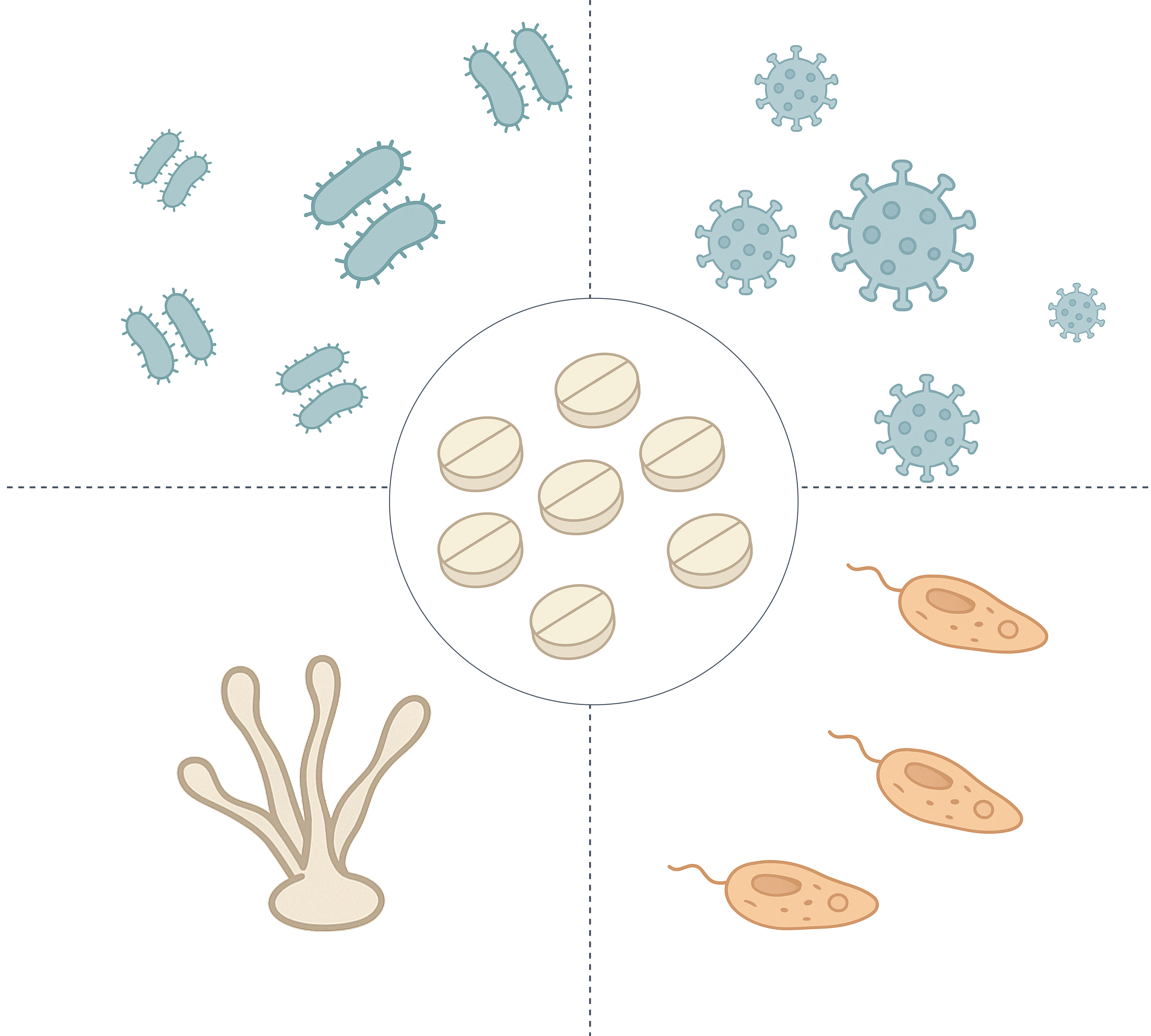
Anti-infectives are agents that eliminate or inhibit the spread of infectious organisms, encompassing antibiotics, antifungals, antivirals, and antiprotozoals.
Antibiotics are a class of antimicrobial agents specifically designed to target bacterial pathogens. They exert their effects by interfering with essential bacterial processes such as cell wall synthesis, protein synthesis, nucleic acid replication, and metabolic pathways, thereby either inhibiting bacterial growth or inducing bacterial death.
Antifungals are antimicrobial agents employed to combat fungal infections (mycoses) in humans and animals. Common antifungal classes include azoles, polyenes, echinocandins, and allylamines, which function by disrupting unique fungal structures or pathways, such as the synthesis or integrity of ergosterol-containing cell membranes and β-glucan-based cell walls, or by interfering with nucleic acid or protein synthesis.
Antivirals are compounds developed to inhibit the replication and spread of viruses within host organisms. Antivirals typically act by blocking viral entry, genome replication, protein processing, or virion assembly and release. Representative examples include nucleoside analogs, protease inhibitors, and neuraminidase inhibitors.
Antiprotozoals are drugs used to treat infections caused by protozoan parasites, including malaria, amebiasis, giardiasis, and trypanosomiasis. They act through a variety of mechanisms, including inhibition of nucleic acid synthesis, interference with mitochondrial function, and disruption of heme detoxification pathways in susceptible parasites.
-
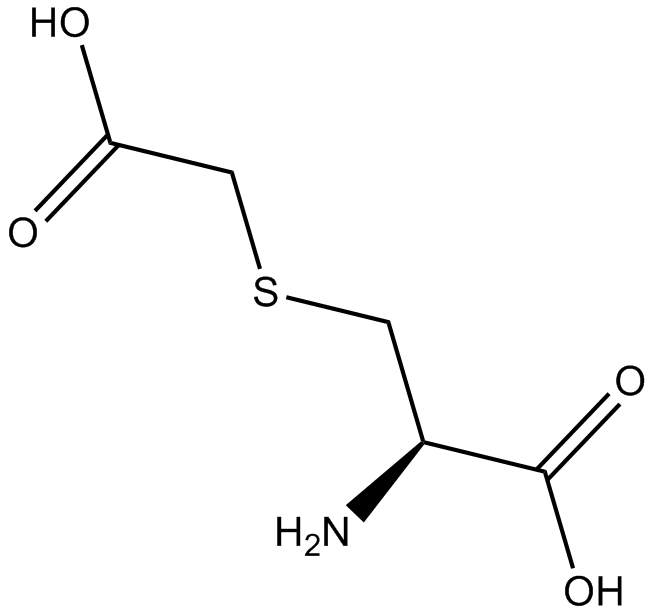 C6920 CarbocisteineSummary: A mucolytic agent used to reduce the viscosity of respiratory tract mucus.
-
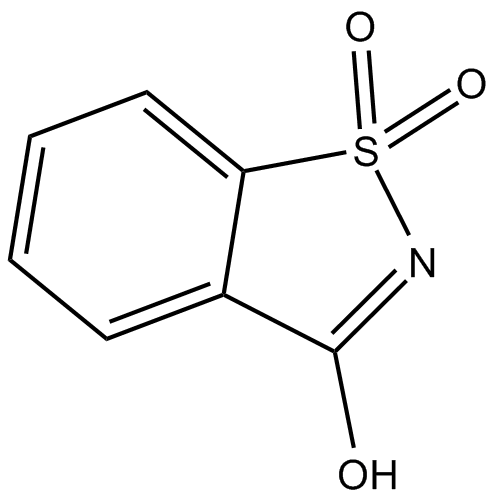 M1198 saccharinSummary: A calorie-free sweetener used for the treatment of hypertension and hyperglycemia and with antibacterial effects.
-
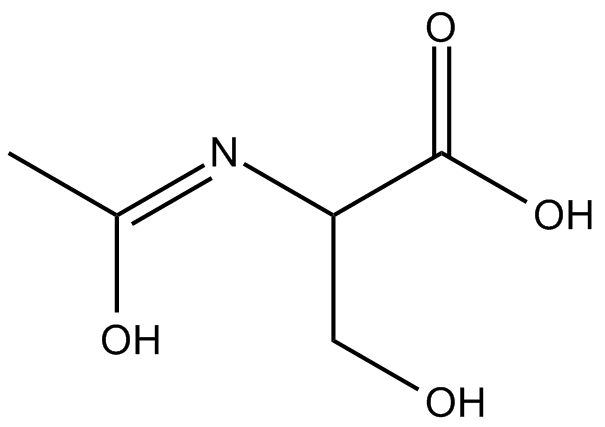 M1496 N-Acetyl-DL-serineSummary: Has antibacterial activity and can be used for DNA immobilization and protein synthesis research.
-
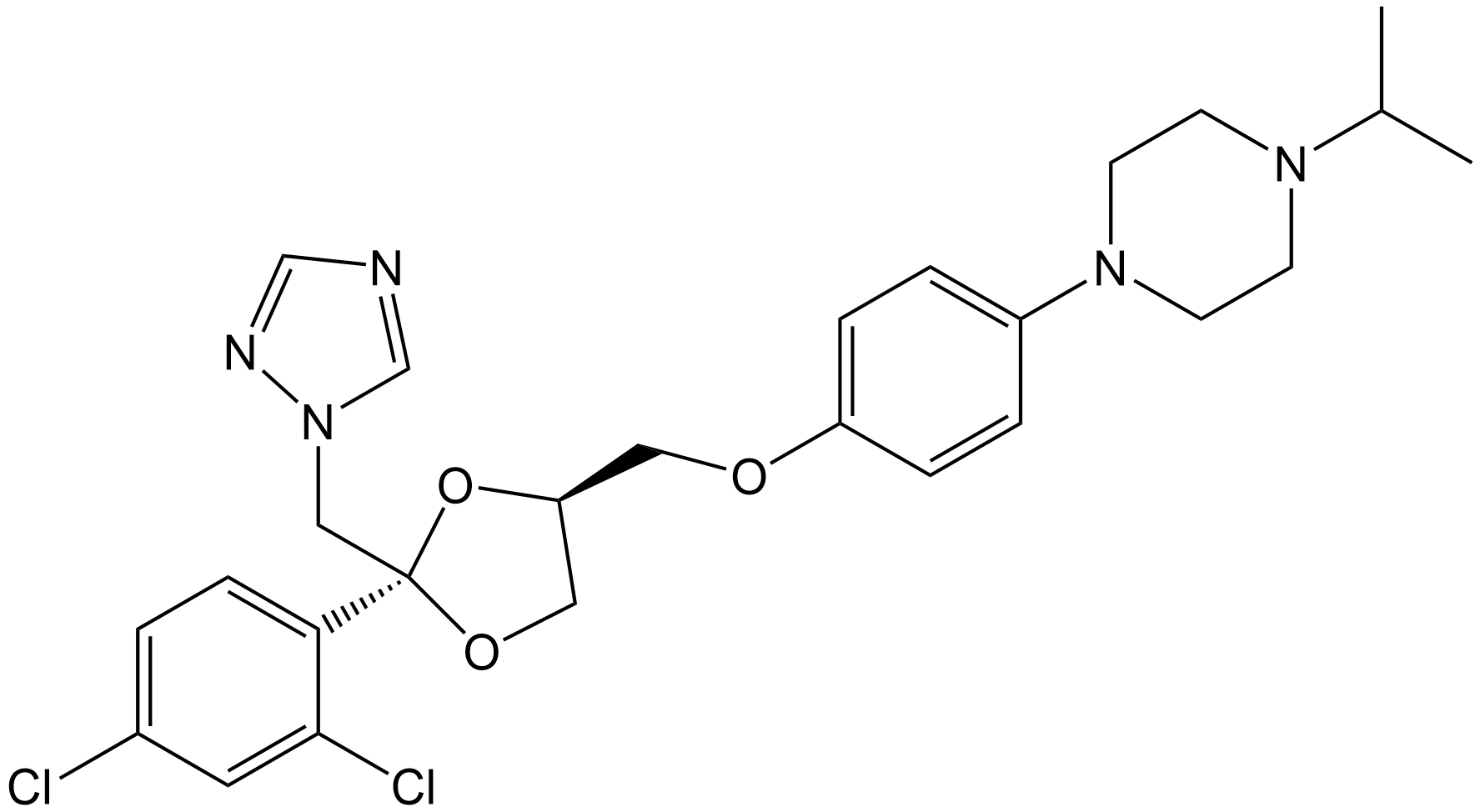 B8679 TerconazoleSummary: A triazole antifungal agent used in research on vaginal yeast infections.
-
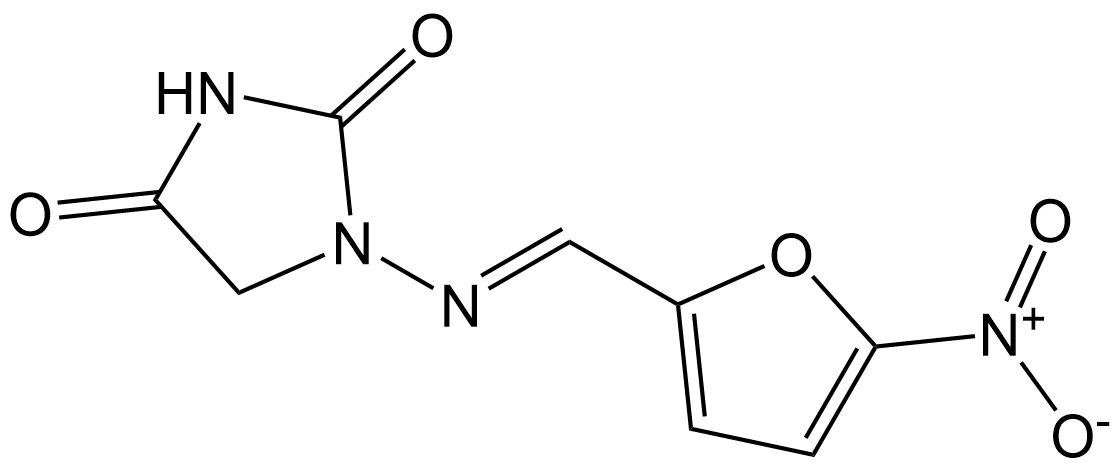 B8682 NitrofurantoinSummary: A broad-spectrum antibacterial antibiotic with good oral activity
-
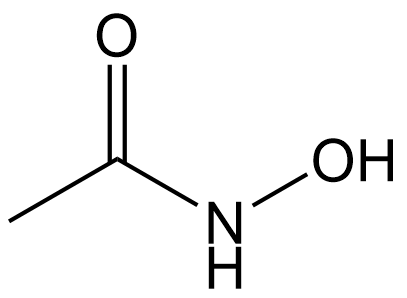 B8690 Acetohydroxamic AcidSummary: An irreversible urease inhibitor
-
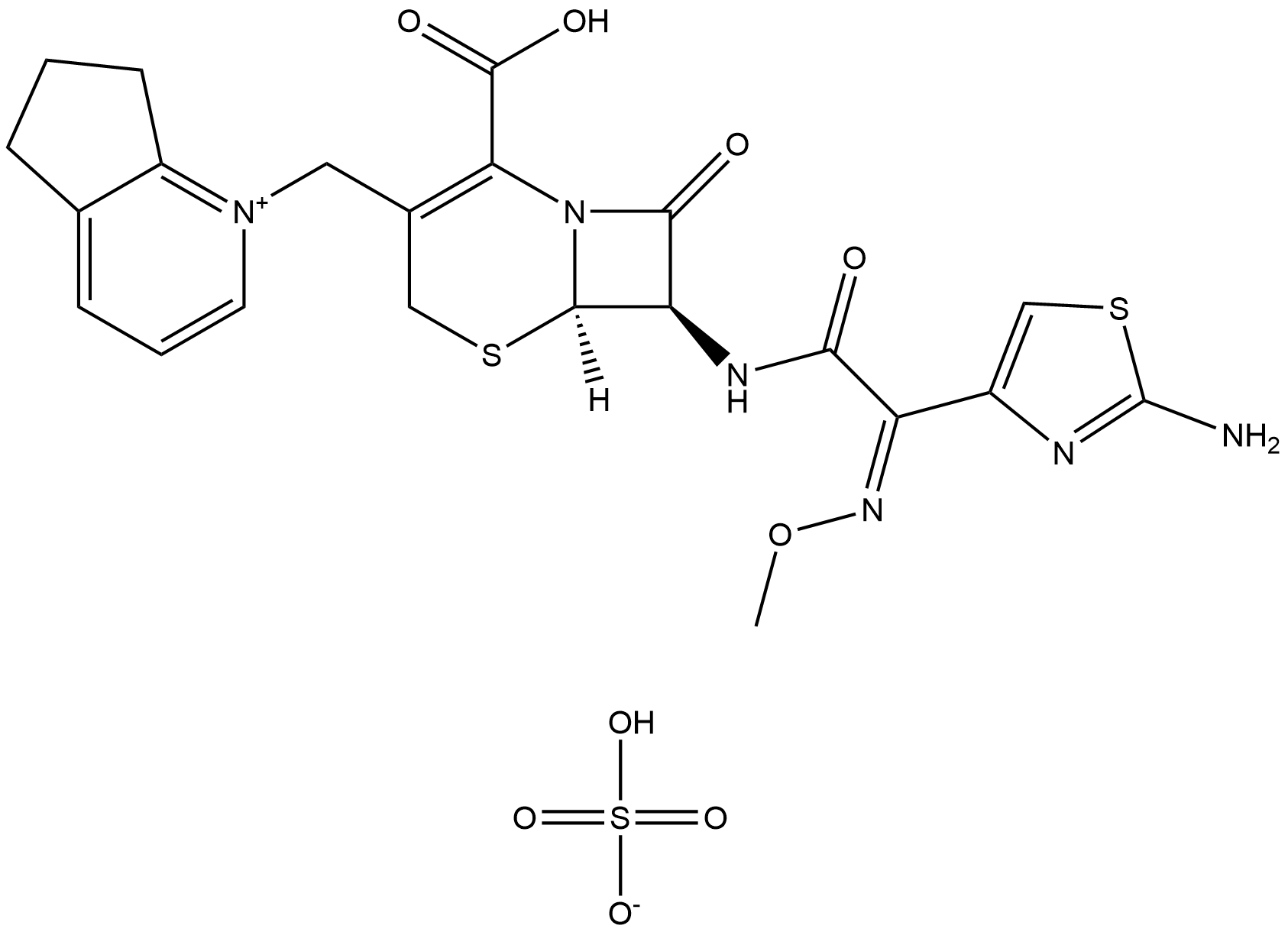 C8822 Cefpirome sulfateSummary: A cephalosporin antibiotic
-
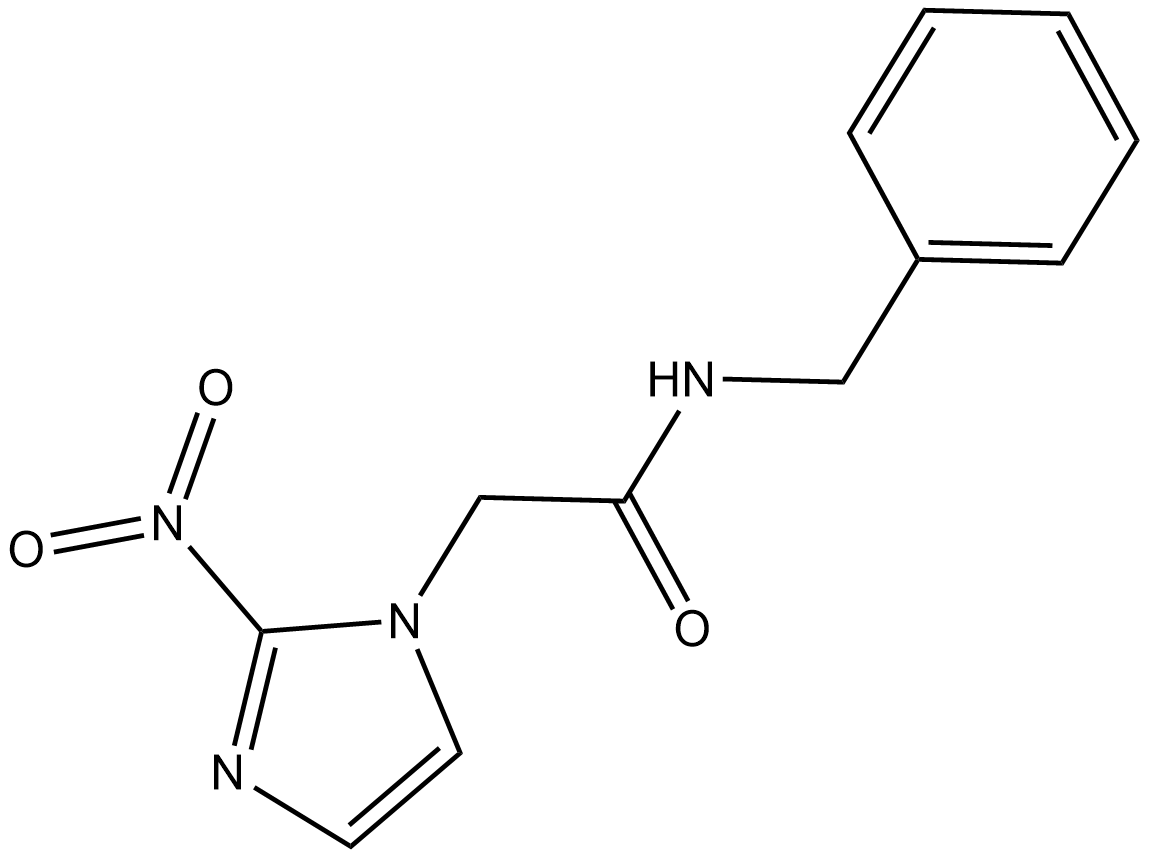 C8825 BenznidazoleSummary: An antiprotozoal agent
-
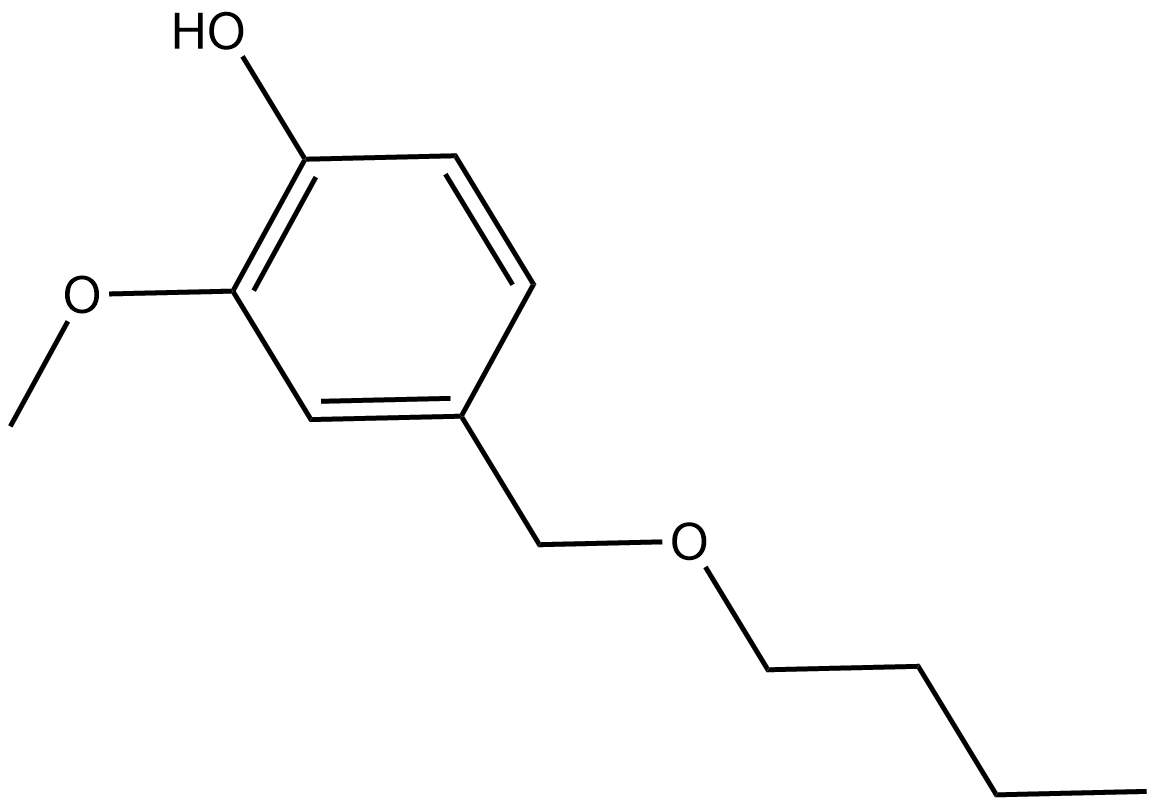 C8826 Vanillyl Butyl EtherSummary: A vanillyl derivative that modulates TRPV1 and TRPM8 channels and acts as a mild warming agent to enhance local blood circulation
-
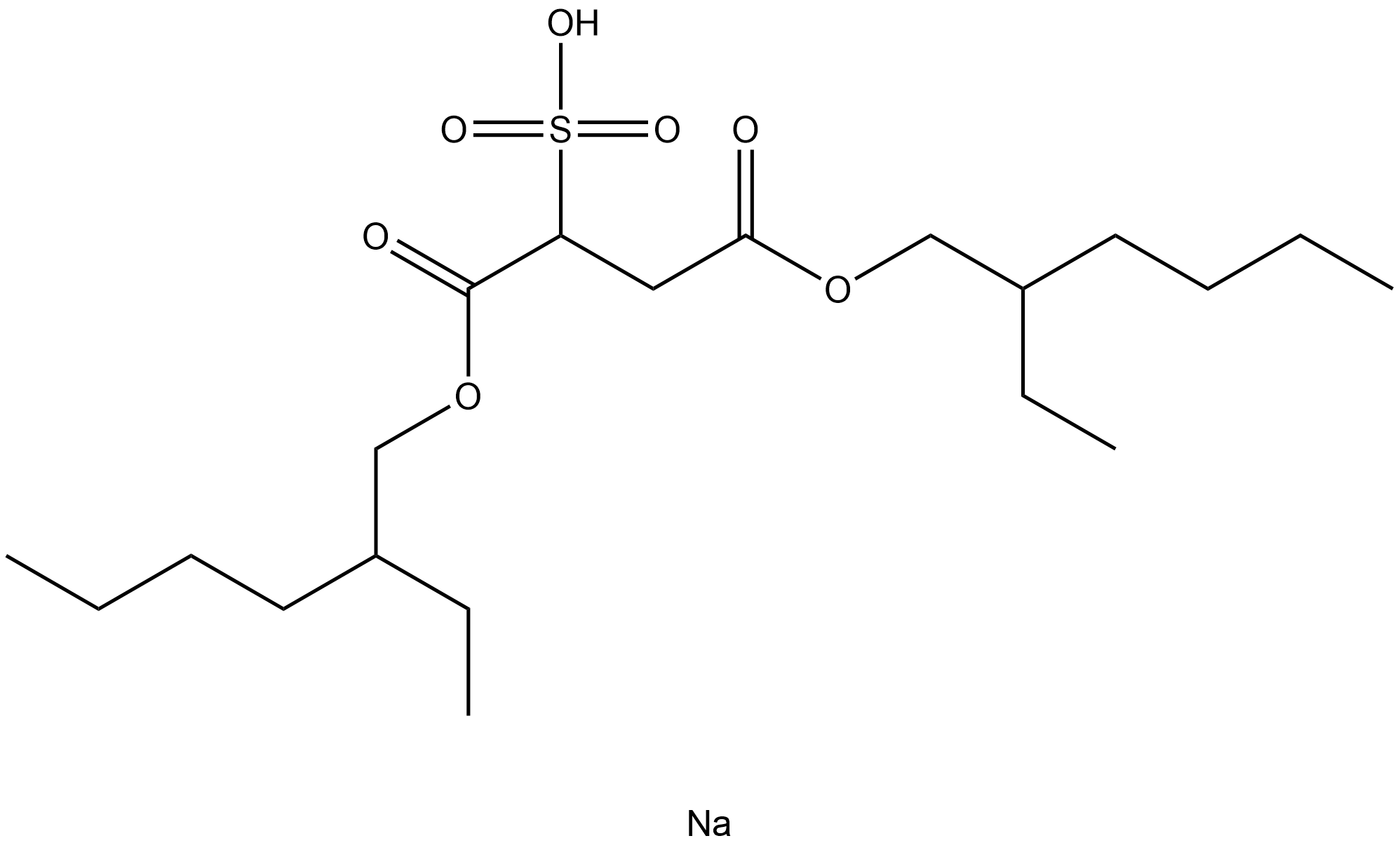 C8836 Docusate SodiumSummary: A surfactant