Invert sugar
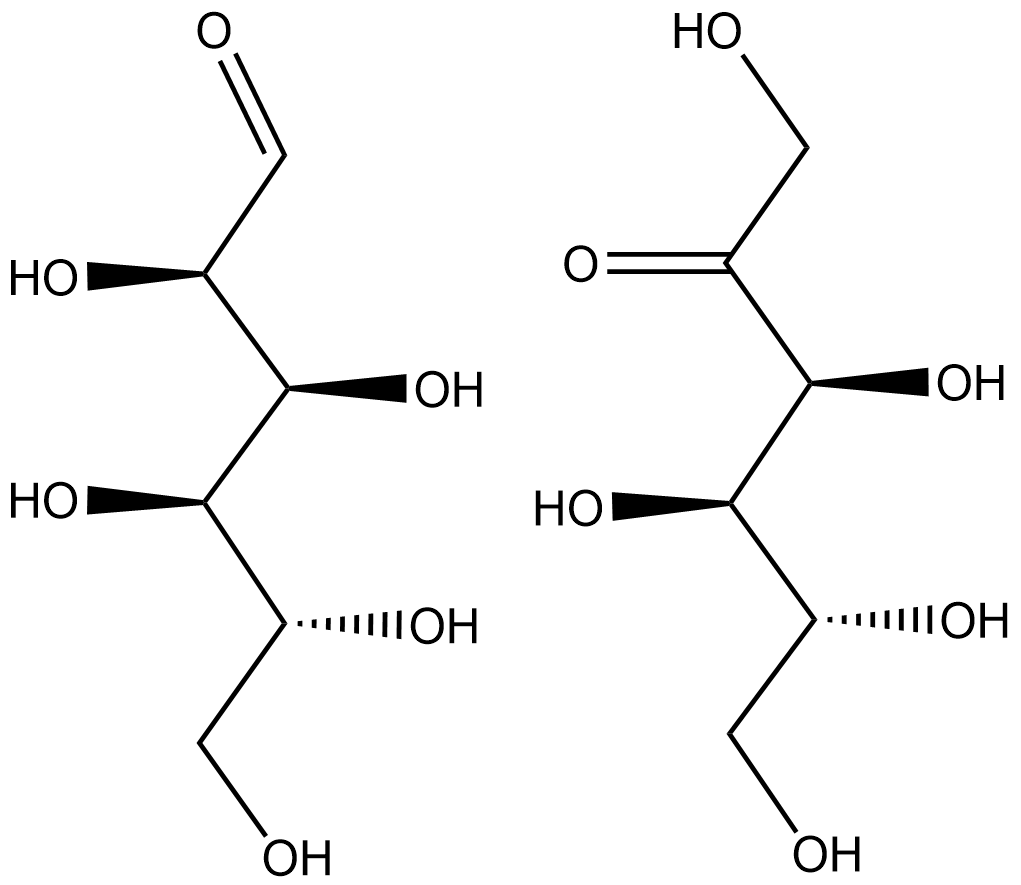
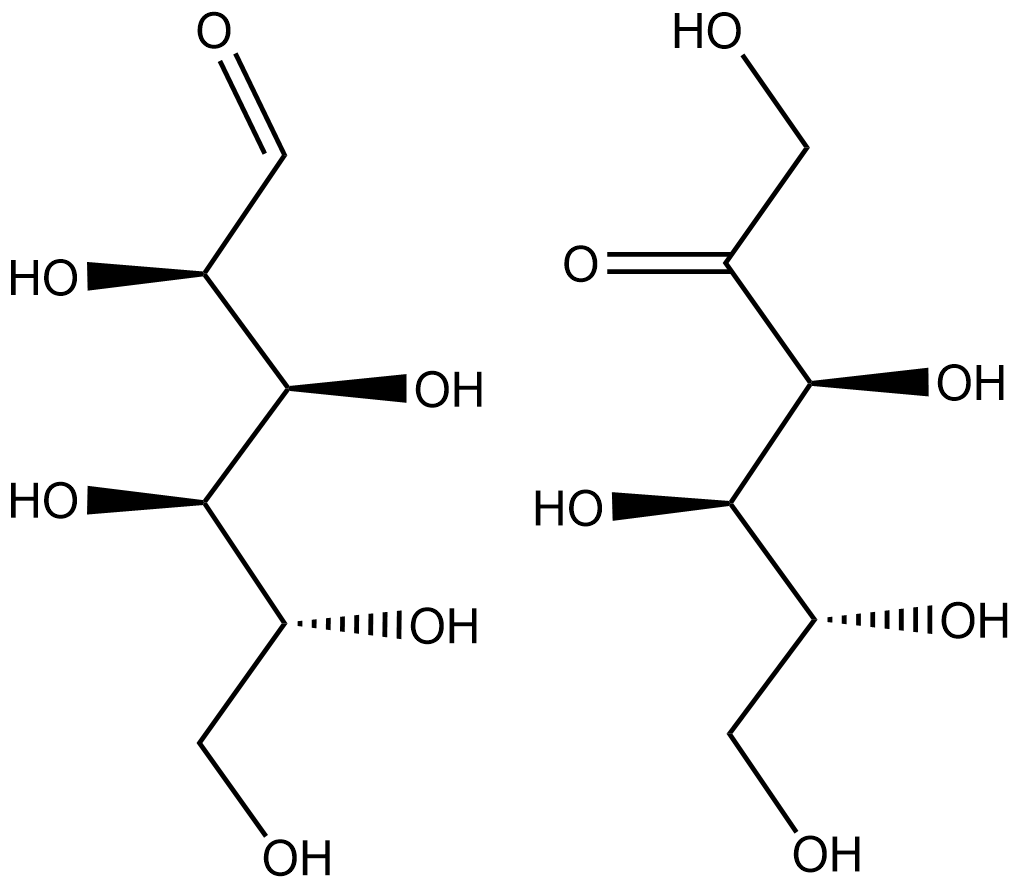
Invert sugar (CAS No.: 8013-17-0) is a carbohydrate mixture composed primarily of glucose and fructose generated by enzymatic or acid hydrolysis of sucrose, and in life sciences research it is generally classified as a nutrient substrate and metabolic modulator rather than a selective bioactive ligand, with broad utility as a defined carbon source and osmotic component in biochemical, microbiological, and cell culture workflows relevant to biomedical discovery platforms. Its biological origin is linked to common saccharide metabolism in plants and microbial processing systems, and its functional background in experimental settings derives from its rapid uptake into central carbon metabolism through native monosaccharide transport and glycolytic and fructolytic routes, thereby influencing cellular energy balance, redox state, and biosynthetic fluxes that can secondarily affect signaling networks such as nutrient sensing and stress response pathways. Because invert sugar is not a canonical single target directed small molecule, no validated primary receptor level target profile is established for target based pharmacology, and correspondingly standard potency metrics such as IC50, EC50, or MIC are not generally reported in a target specific manner, with activity instead evaluated through phenotype level readouts of growth, viability, metabolic rate, fermentation performance, or pathway dependent transcriptional changes across concentration windows selected for model specific tolerability and study aims. In vitro applications commonly include use as a controlled carbohydrate input in microbial culture optimization, metabolic perturbation studies, and assay media formulation, while preclinical research workflows may incorporate it in animal or ex vivo paradigms as part of diet or exposure matrices designed to probe carbohydrate handling, microbiome associated metabolism, or systems level metabolic adaptation, and the concentrations or doses used in experiments typically depend on specific experimental designs and research objectives.
| Storage | -20°C for 2 years |
| M.Wt | 360.31 |
| Cas No. | 8013-17-0 |
| Formula | C12H24O12 |
| Canonical SMILES | O=C[C@H](O)[C@@H](O)[C@H](O)[C@H](O)CO.OCC([C@@H](O)[C@H](O)[C@H](O)CO)=O |
| Shipping Condition | Small Molecules with Blue Ice, Modified Nucleotides with Dry Ice. |
| General tips | We do not recommend long-term storage for the solution, please use it up soon. |
Quality Control & MSDS
- View current batch:
Chemical structure