


Anti-infection
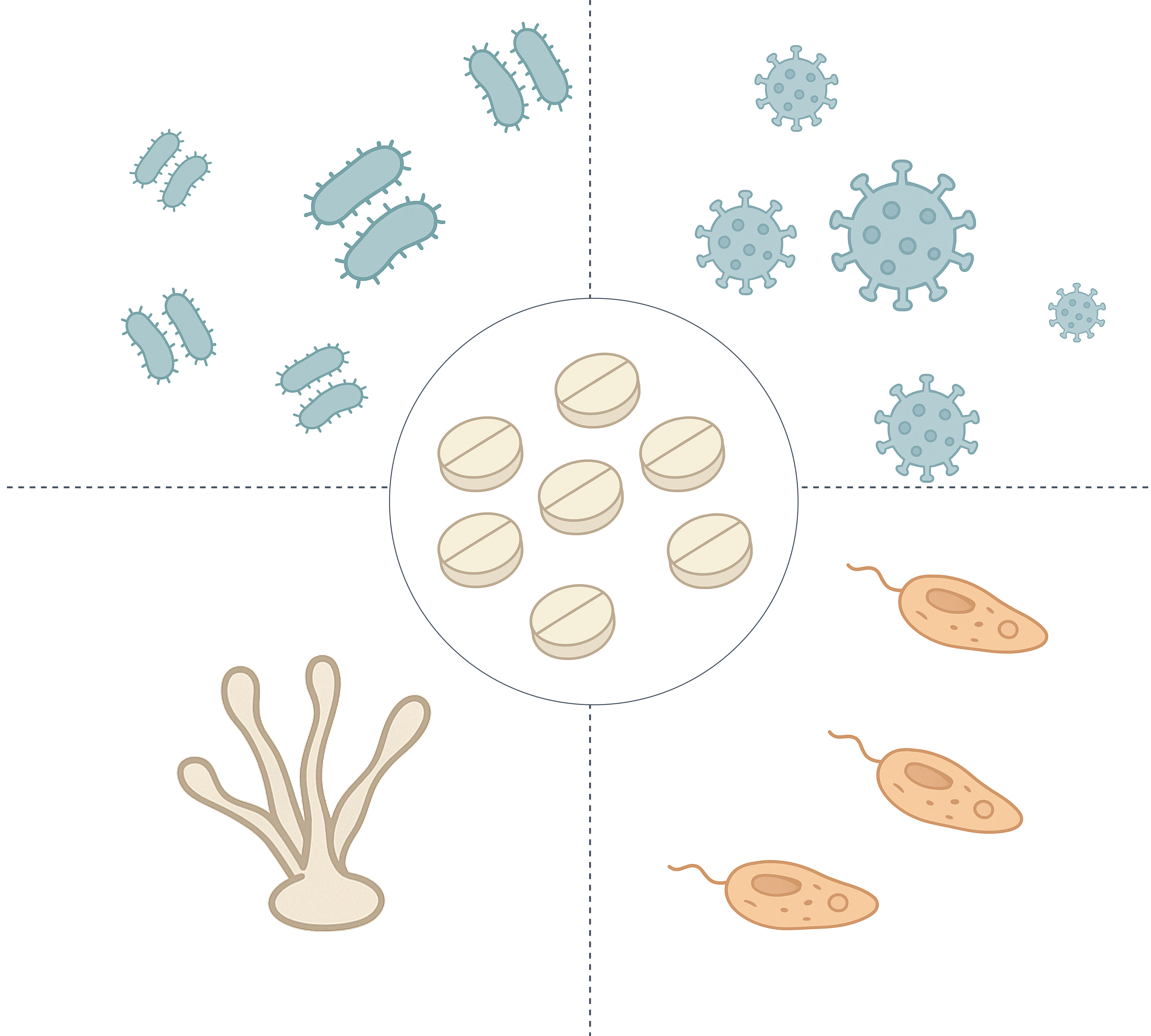
Anti-infectives are agents that eliminate or inhibit the spread of infectious organisms, encompassing antibiotics, antifungals, antivirals, and antiprotozoals.
Antibiotics are a class of antimicrobial agents specifically designed to target bacterial pathogens. They exert their effects by interfering with essential bacterial processes such as cell wall synthesis, protein synthesis, nucleic acid replication, and metabolic pathways, thereby either inhibiting bacterial growth or inducing bacterial death.
Antifungals are antimicrobial agents employed to combat fungal infections (mycoses) in humans and animals. Common antifungal classes include azoles, polyenes, echinocandins, and allylamines, which function by disrupting unique fungal structures or pathways, such as the synthesis or integrity of ergosterol-containing cell membranes and β-glucan-based cell walls, or by interfering with nucleic acid or protein synthesis.
Antivirals are compounds developed to inhibit the replication and spread of viruses within host organisms. Antivirals typically act by blocking viral entry, genome replication, protein processing, or virion assembly and release. Representative examples include nucleoside analogs, protease inhibitors, and neuraminidase inhibitors.
Antiprotozoals are drugs used to treat infections caused by protozoan parasites, including malaria, amebiasis, giardiasis, and trypanosomiasis. They act through a variety of mechanisms, including inhibition of nucleic acid synthesis, interference with mitochondrial function, and disruption of heme detoxification pathways in susceptible parasites.
-
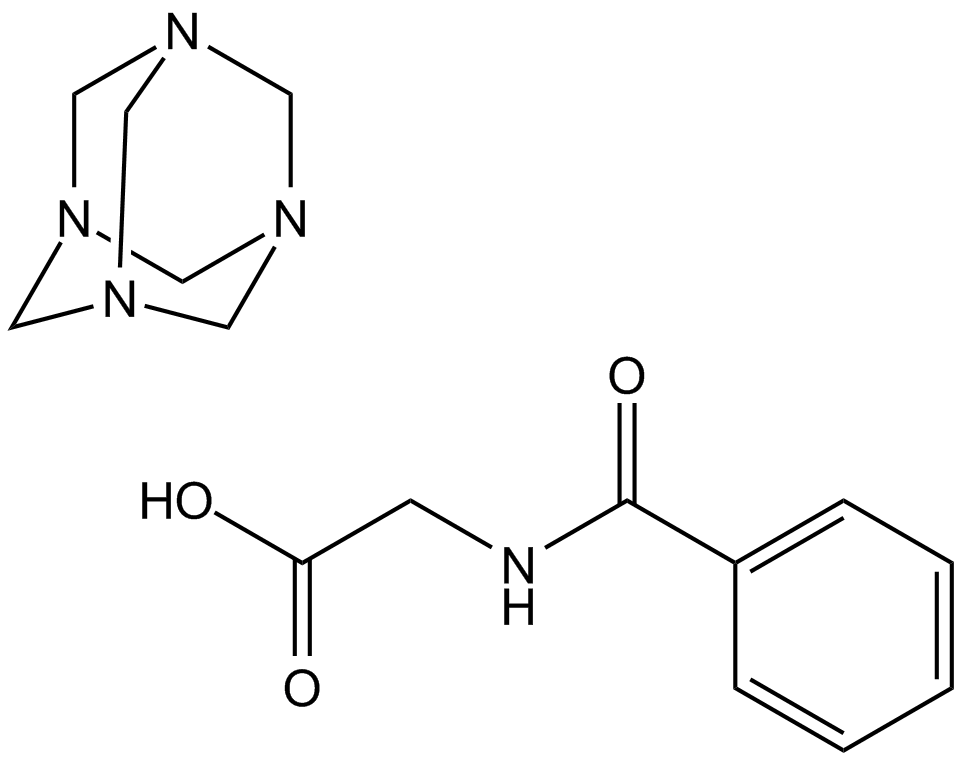 C6428 Methenamine HippurateSummary: An orally administered urinary antiseptic that decomposes to release formaldehyde
-
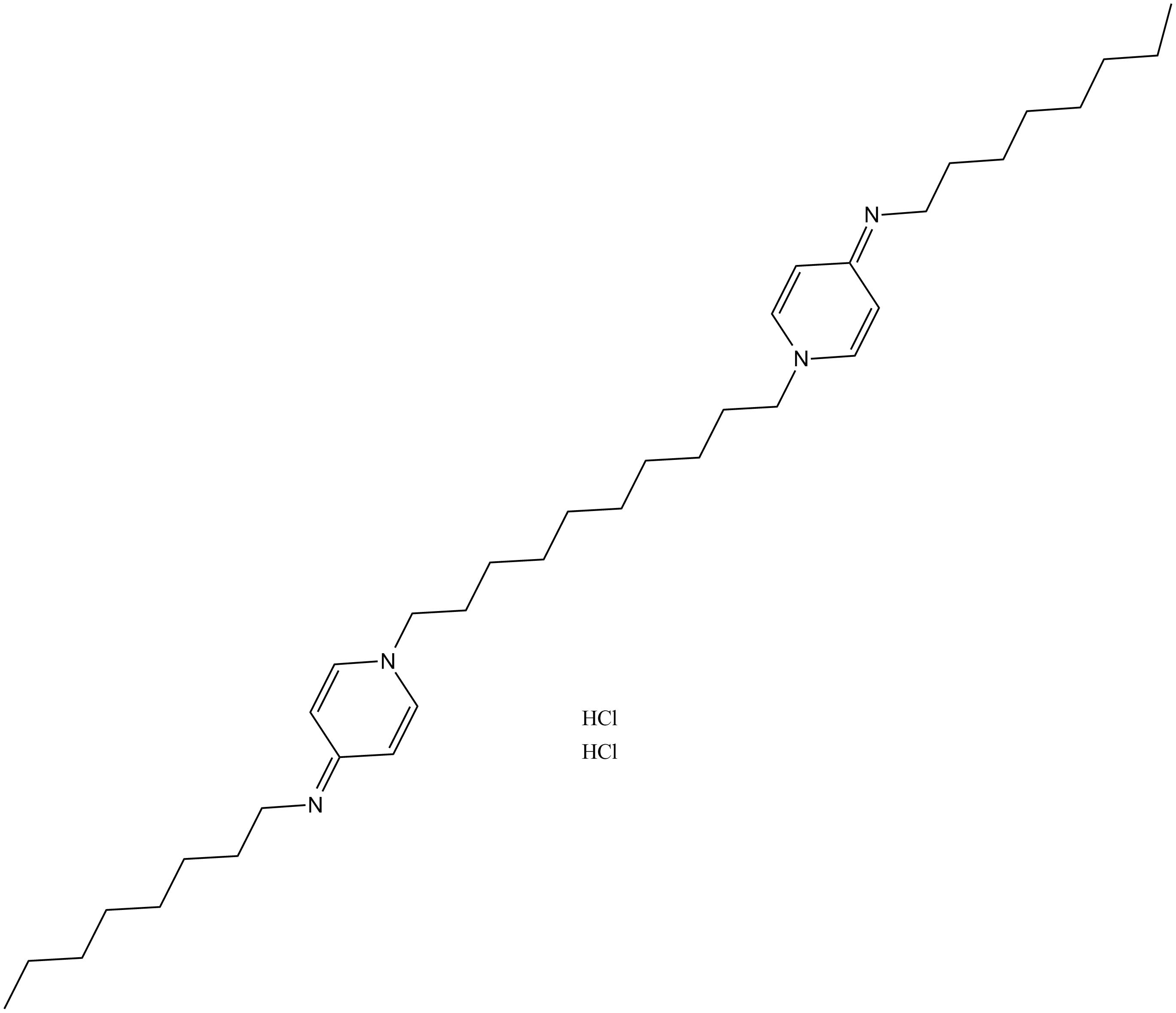 C6432 Octenidine (dihydrochloride)1 CitationSummary: An antimicrobial agent for disinfection of skin, mucosa and wounds
-
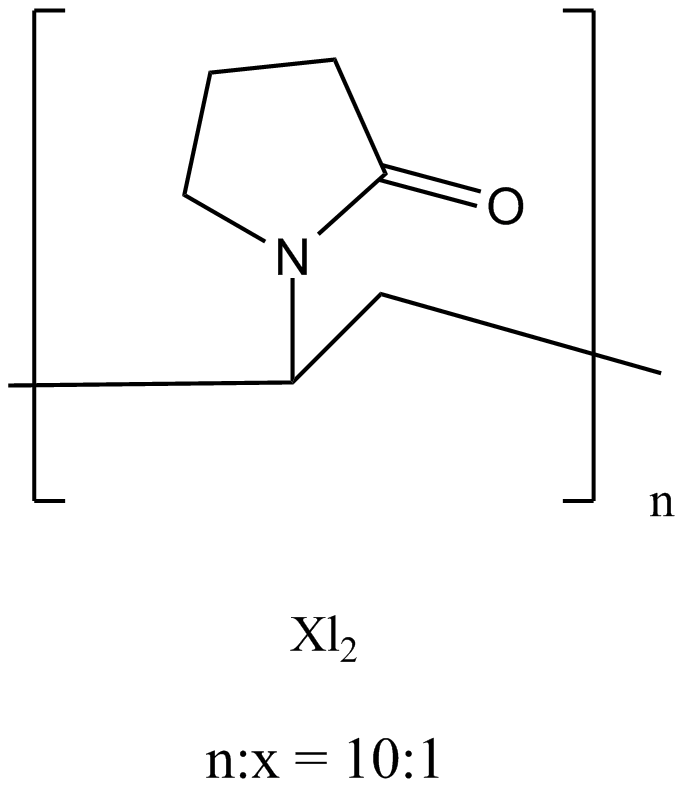 C6433 Povidone iodine
-
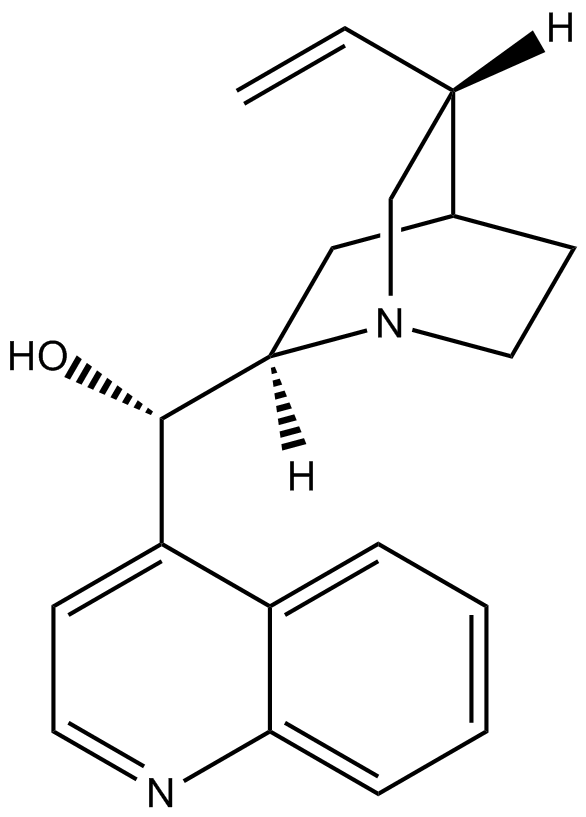 C6446 Cinchonine(LA40221)Summary: A natural compound with antimalarial, antitumor, anti-inflammatory and anti-obesity potential
-
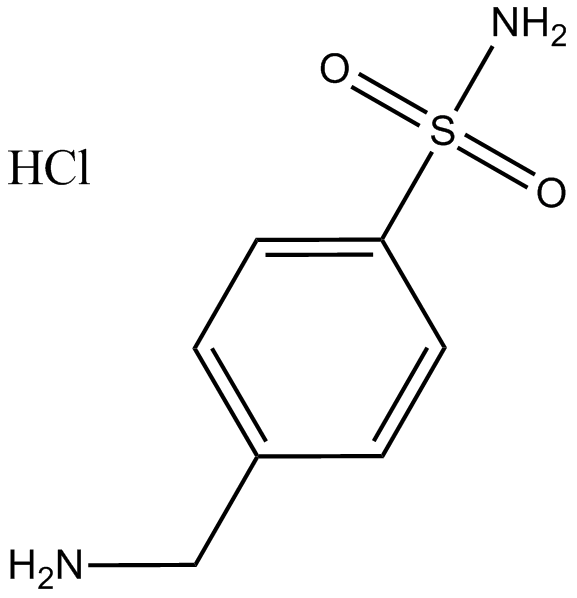 C6455 Mafenide hydrochlorideSummary: A sulfonamide antibacterial agent that inhibits bacterial nucleotide synthesis
-
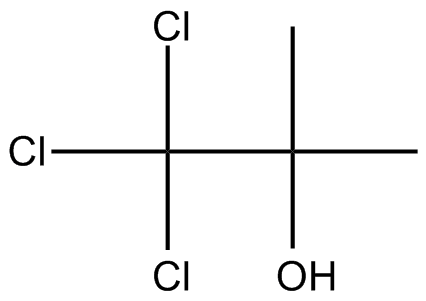 C6456 ChlorobutanolSummary: A medicinal preservative with antimicrobial, antiseptic and sedative properties
-
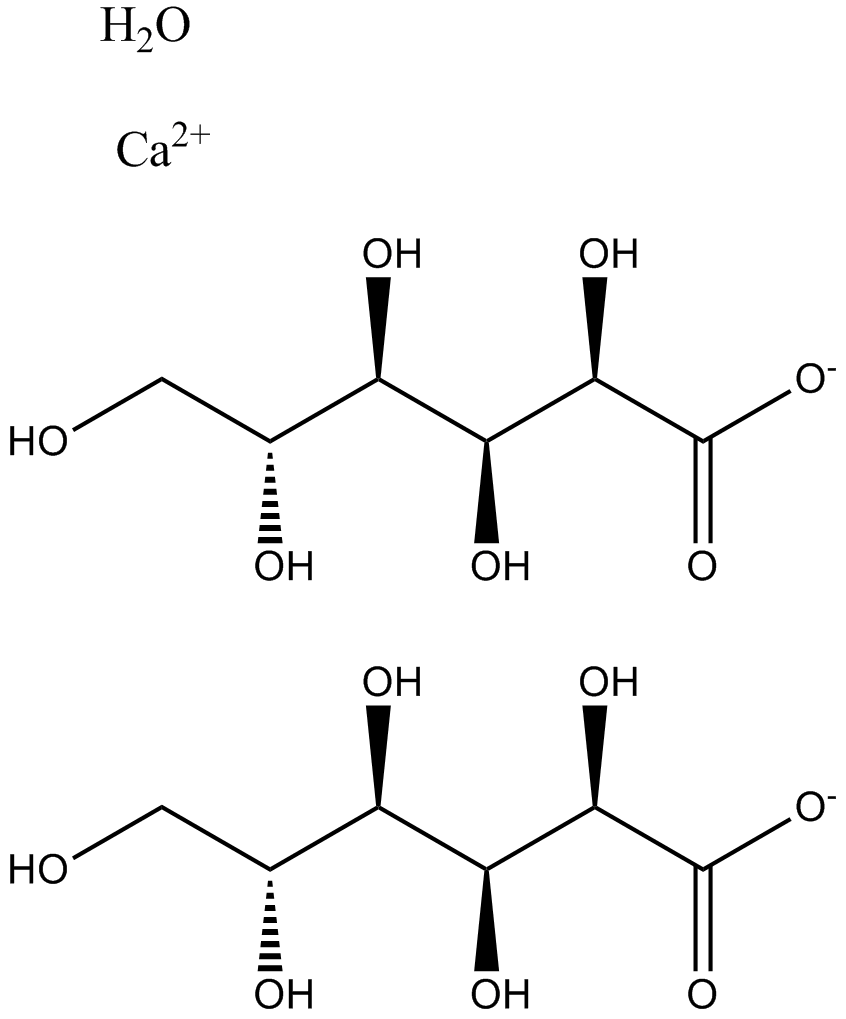 C6461 Calcium gluconateSummary: A calcium salt for the treatment of calcium-deficiency-related disorders and for physiological functions
-
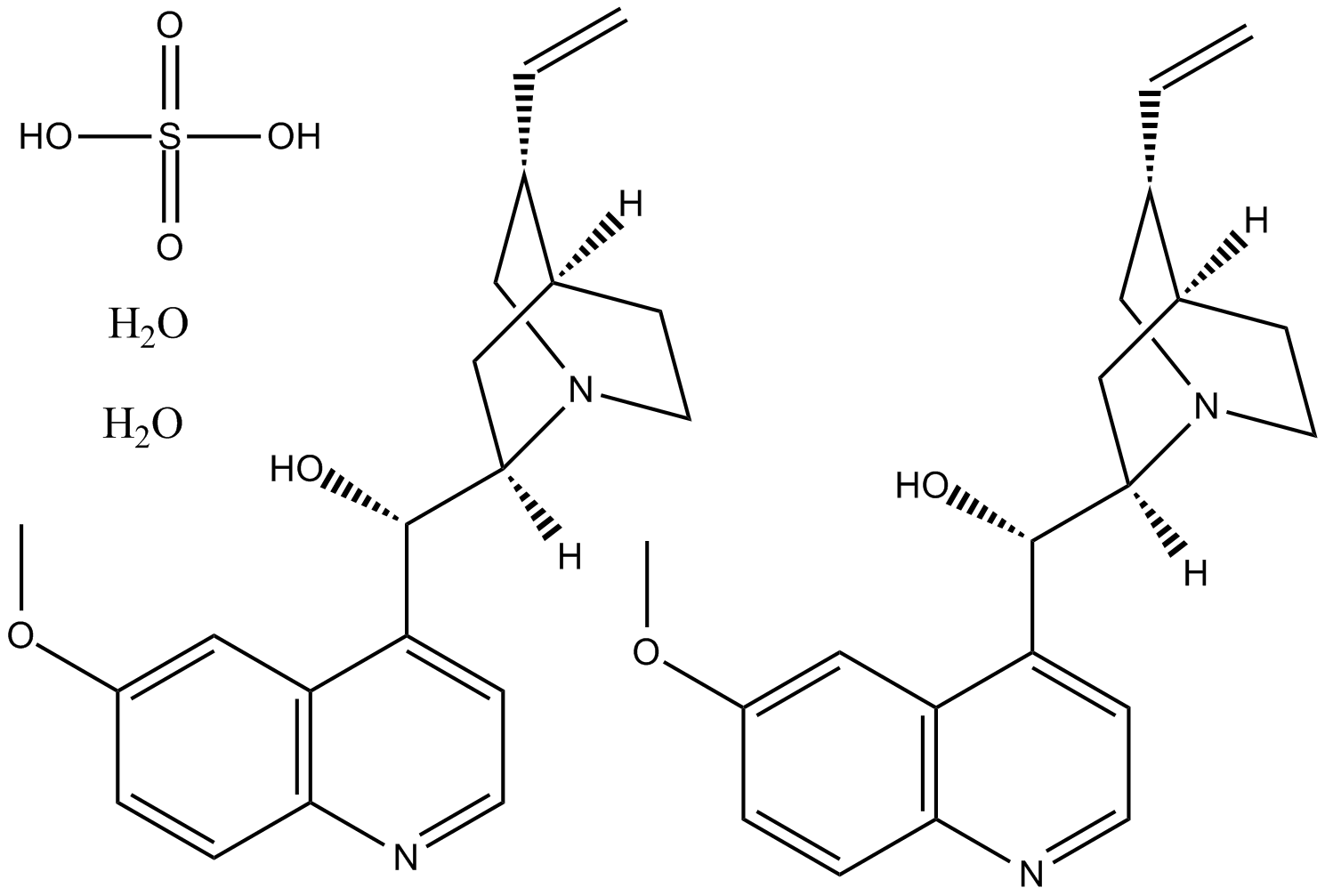 C6462 Quinidine sulfateSummary: An orally active antiarrhythmic agent and cytochrome P450db inhibitor
-
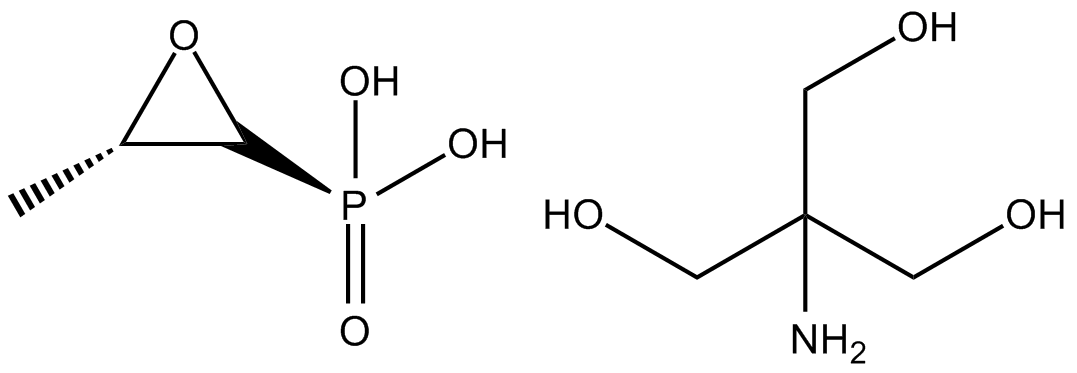 C6467 Fosfomycin TromethamineSummary: A broad-spectrum antibiotic that inhibits bacterial cell wall synthesis
-
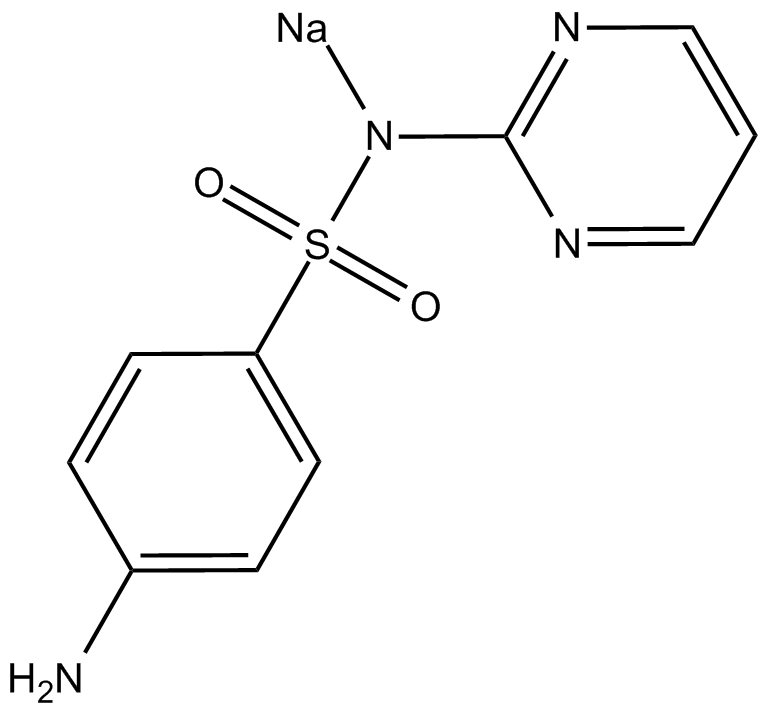 C6473 Sodium sulfadiazineSummary: A sulfonamide antibiotic with antimalarial activity for toxoplasmosis