


Anti-infection
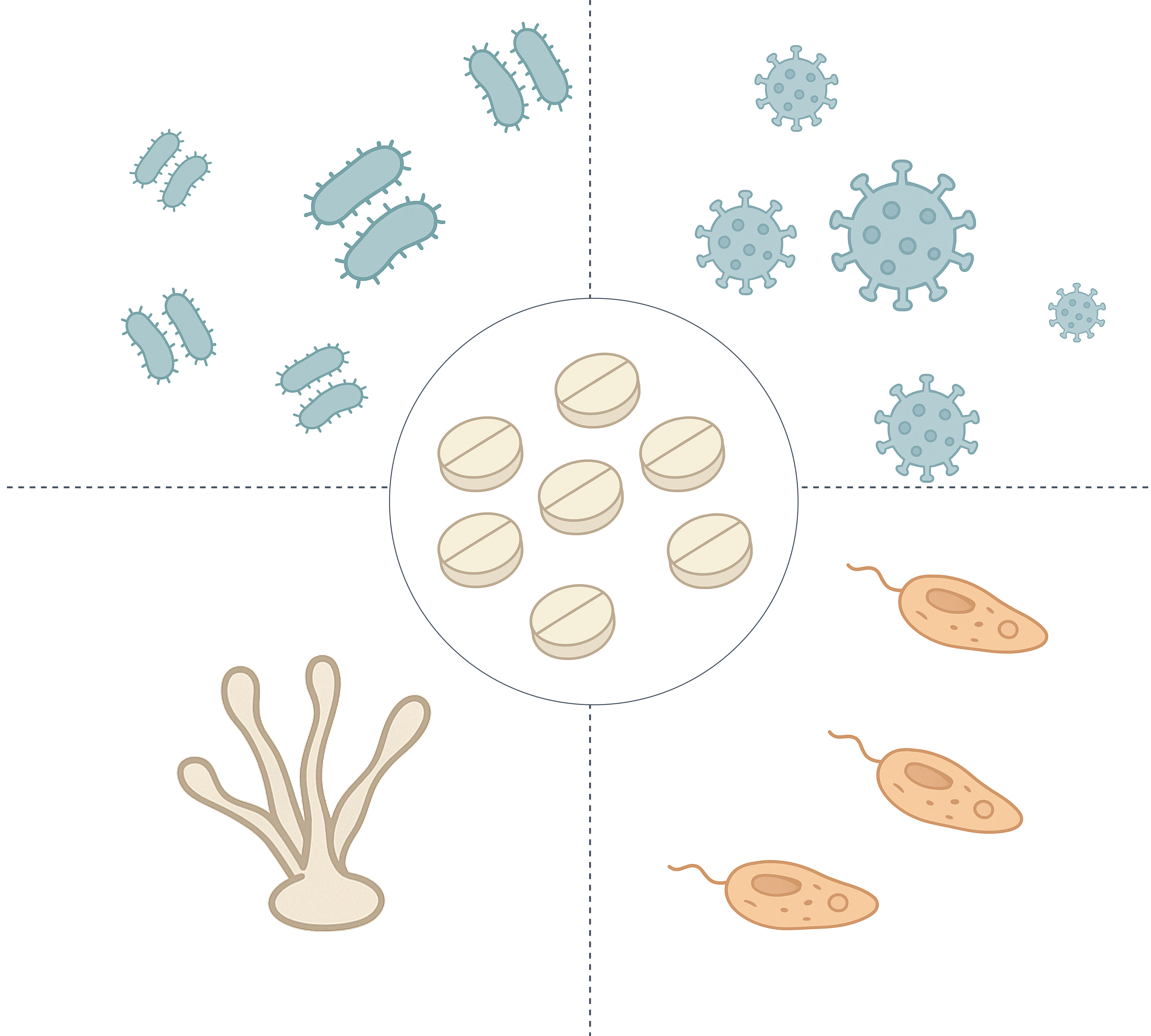
Anti-infectives are agents that eliminate or inhibit the spread of infectious organisms, encompassing antibiotics, antifungals, antivirals, and antiprotozoals.
Antibiotics are a class of antimicrobial agents specifically designed to target bacterial pathogens. They exert their effects by interfering with essential bacterial processes such as cell wall synthesis, protein synthesis, nucleic acid replication, and metabolic pathways, thereby either inhibiting bacterial growth or inducing bacterial death.
Antifungals are antimicrobial agents employed to combat fungal infections (mycoses) in humans and animals. Common antifungal classes include azoles, polyenes, echinocandins, and allylamines, which function by disrupting unique fungal structures or pathways, such as the synthesis or integrity of ergosterol-containing cell membranes and β-glucan-based cell walls, or by interfering with nucleic acid or protein synthesis.
Antivirals are compounds developed to inhibit the replication and spread of viruses within host organisms. Antivirals typically act by blocking viral entry, genome replication, protein processing, or virion assembly and release. Representative examples include nucleoside analogs, protease inhibitors, and neuraminidase inhibitors.
Antiprotozoals are drugs used to treat infections caused by protozoan parasites, including malaria, amebiasis, giardiasis, and trypanosomiasis. They act through a variety of mechanisms, including inhibition of nucleic acid synthesis, interference with mitochondrial function, and disruption of heme detoxification pathways in susceptible parasites.
-
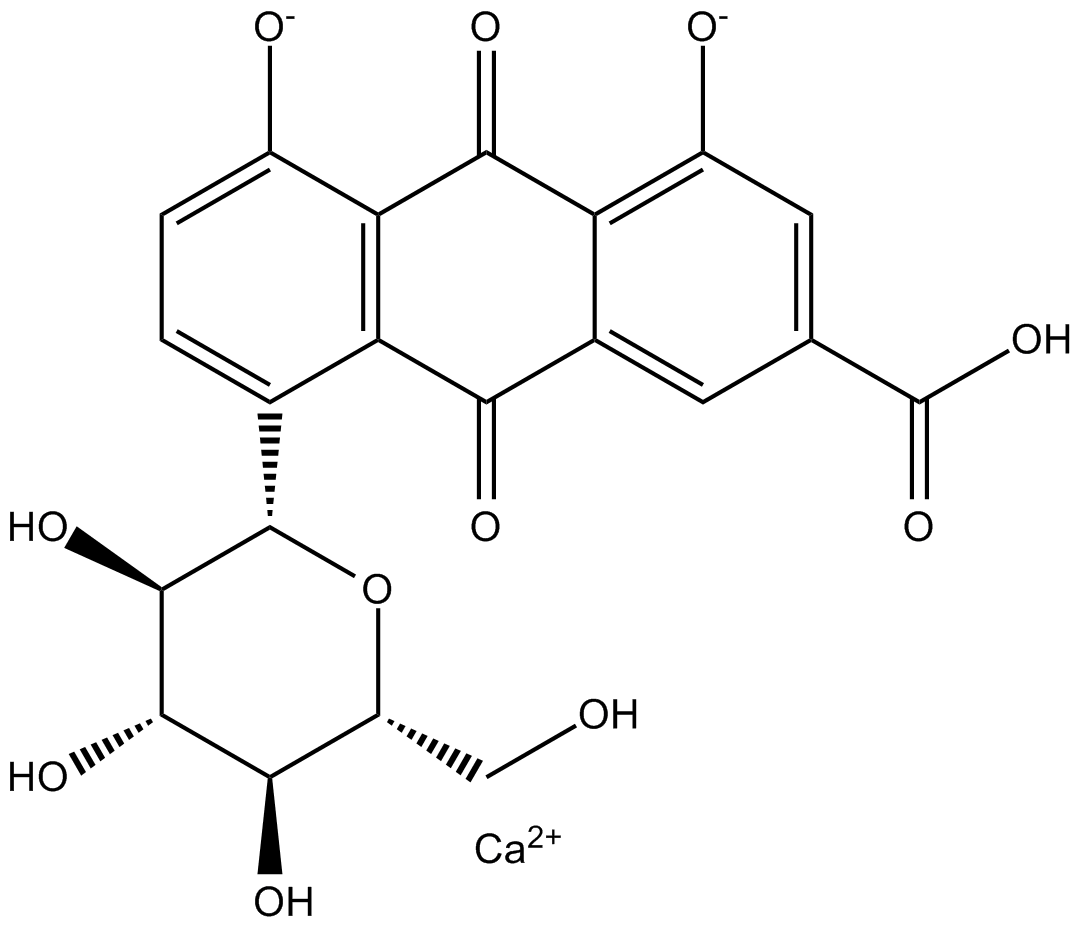 N2084 Rhein-8-O-β-D-glucopyranoside
-
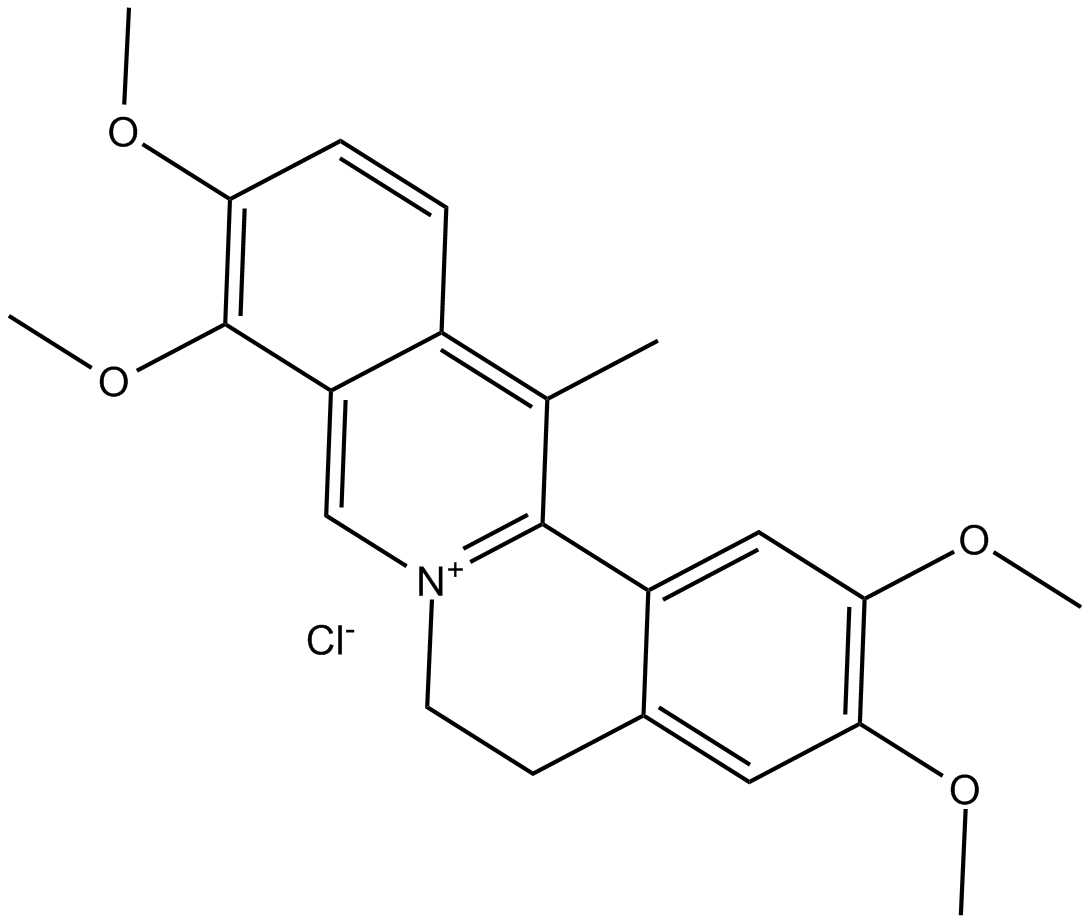 N2090 Dehydrocorydaline chloride
-
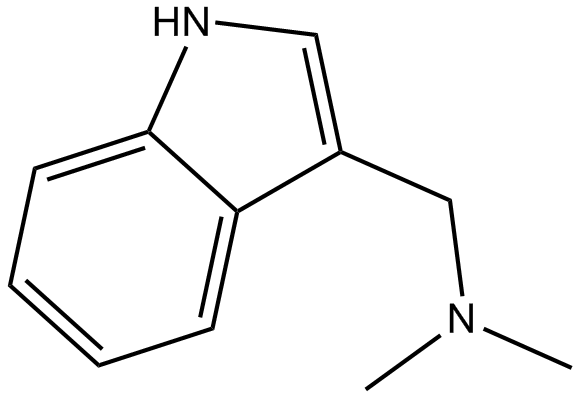 N2337 Gramine1 CitationSummary: An adiponectin receptor agonist with antitumor, anti-inflammatory, and antiviral activities.
-
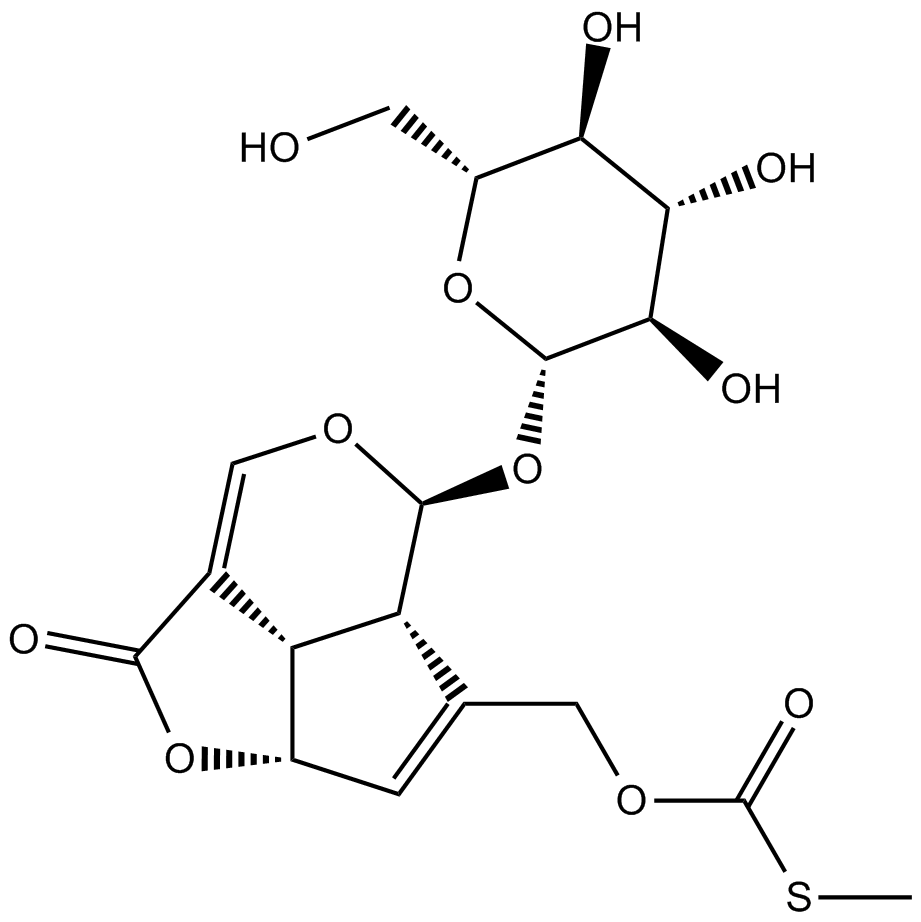 N2027 paederoside
-
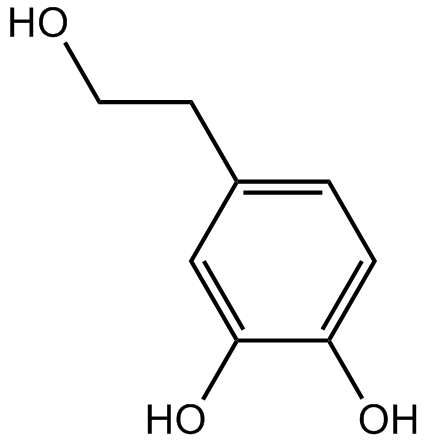 N2302 Hydroxytyrosol1 Citation
-
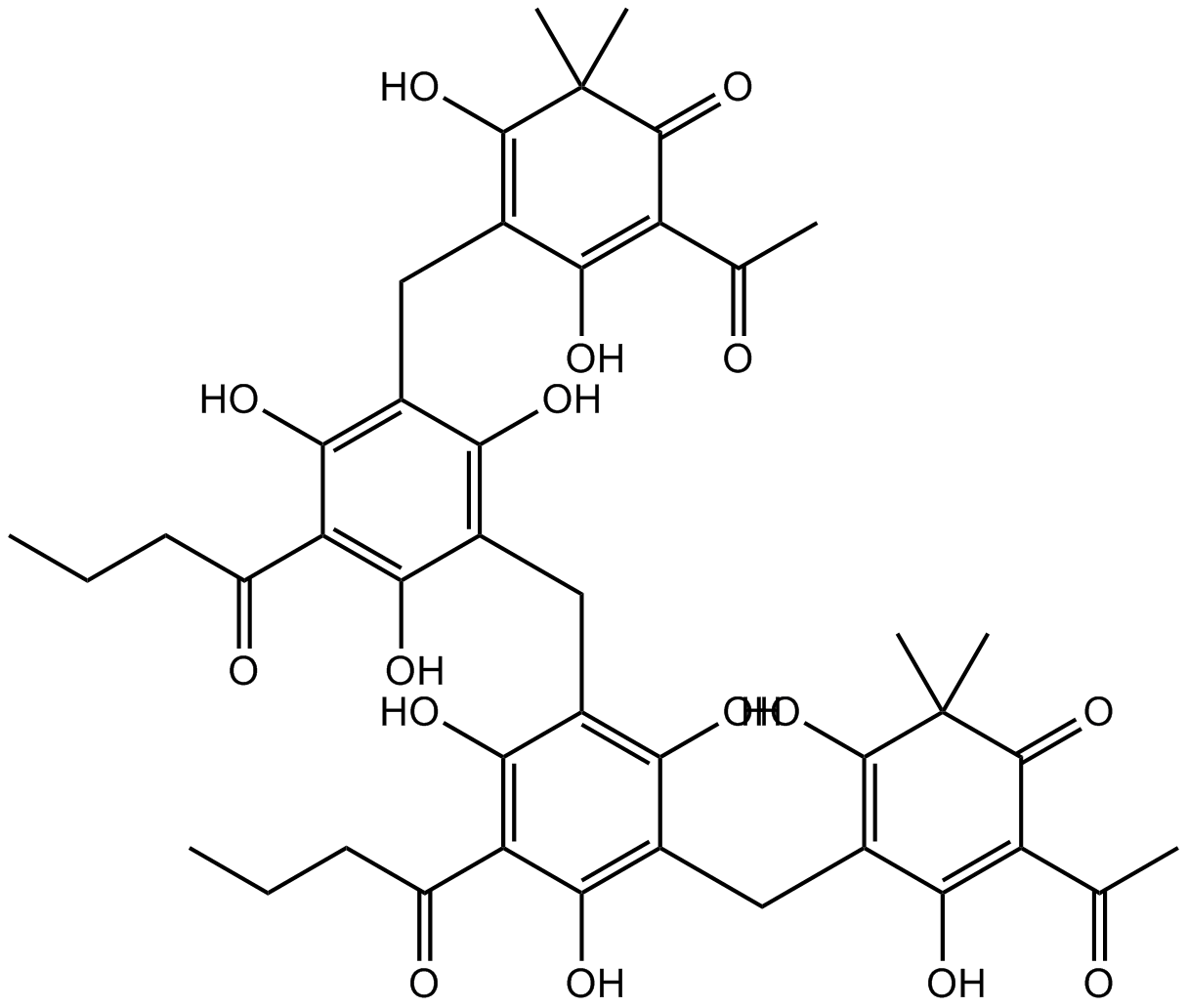 N2411 Dryocrassin ABBASummary: A phloroglucinol natural product isolated from the rhizomes of Dryopteris crassirhizoma with antiviral (e.g., inhibiting influenza virus neuraminidase and the SARS-CoV-2 main protease) and antibacterial activities.
-
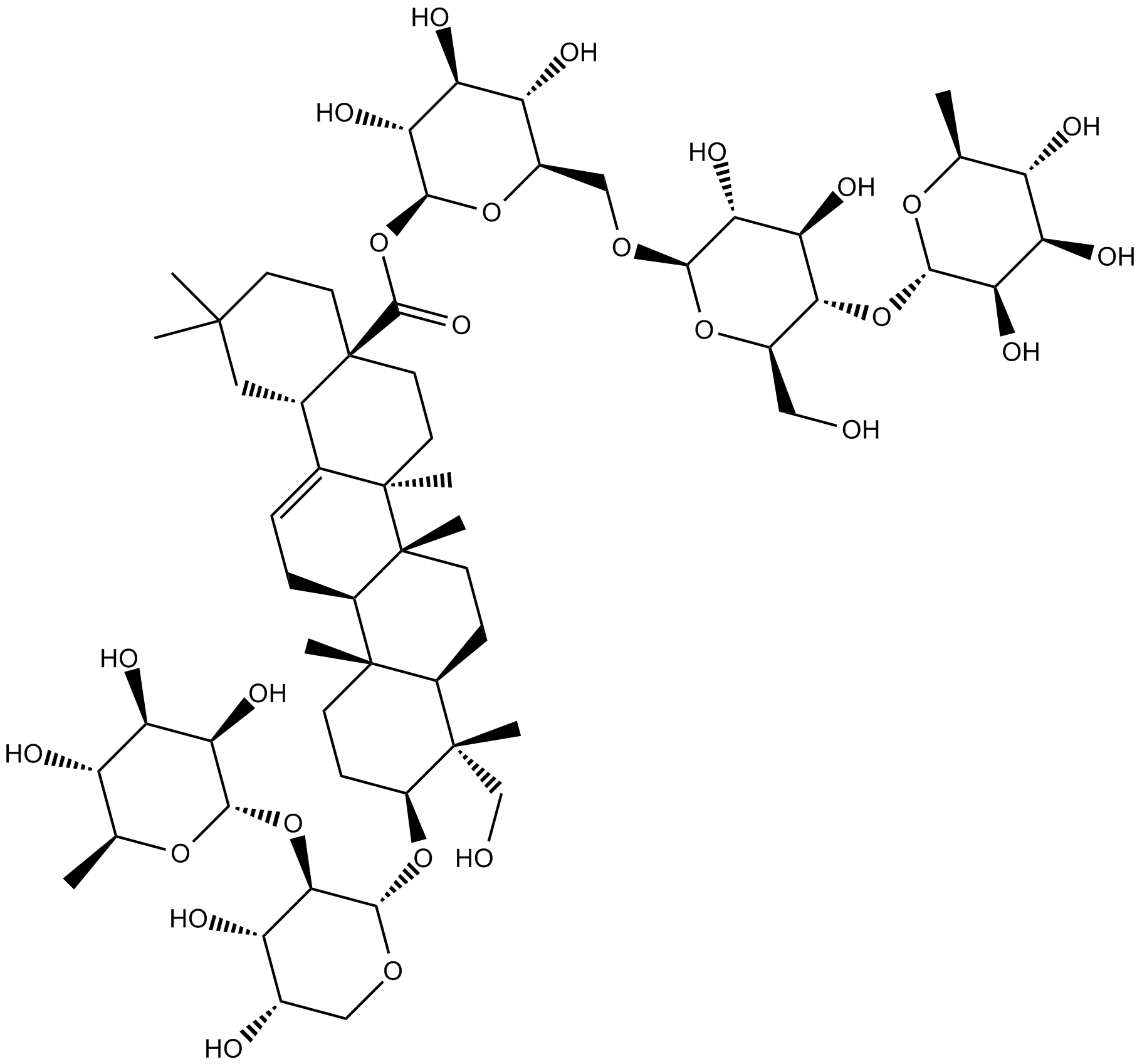 N2013 Hederacoside C
-
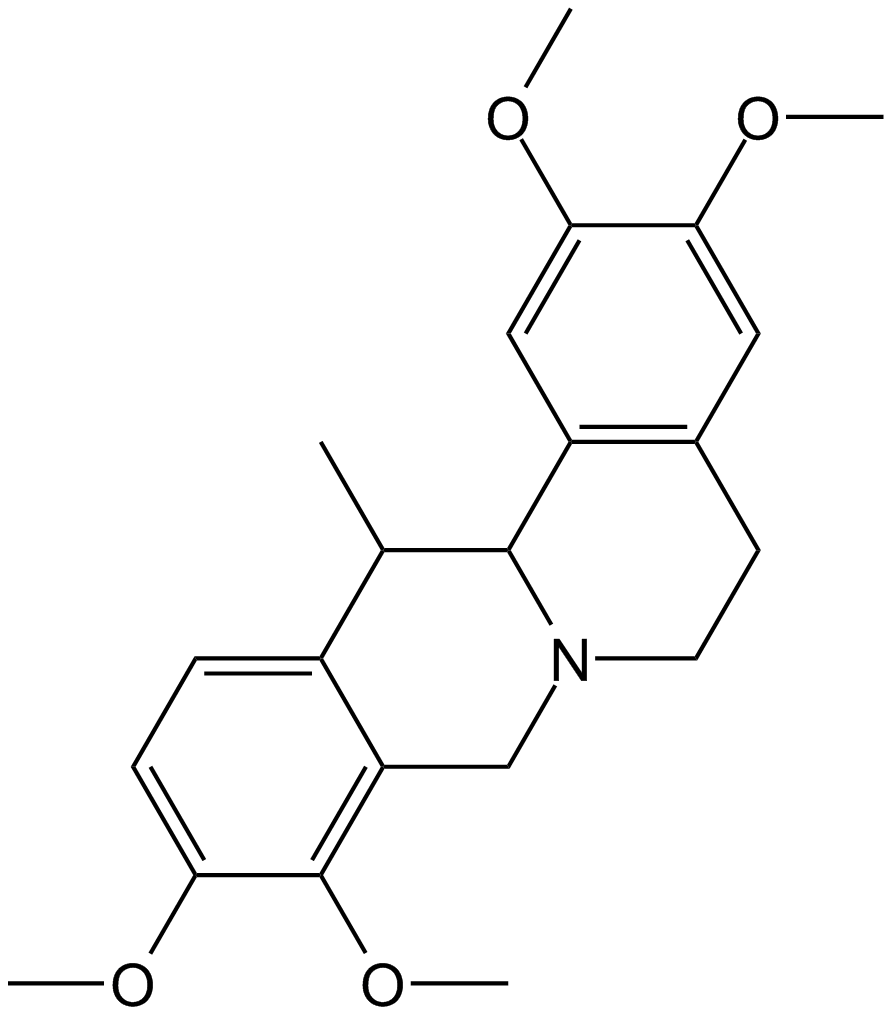 N2091 (+)- CorydalineSummary: An isoquinoline alkaloid that inhibits acetylcholinesterase and activates the μ-opioid receptor.
-
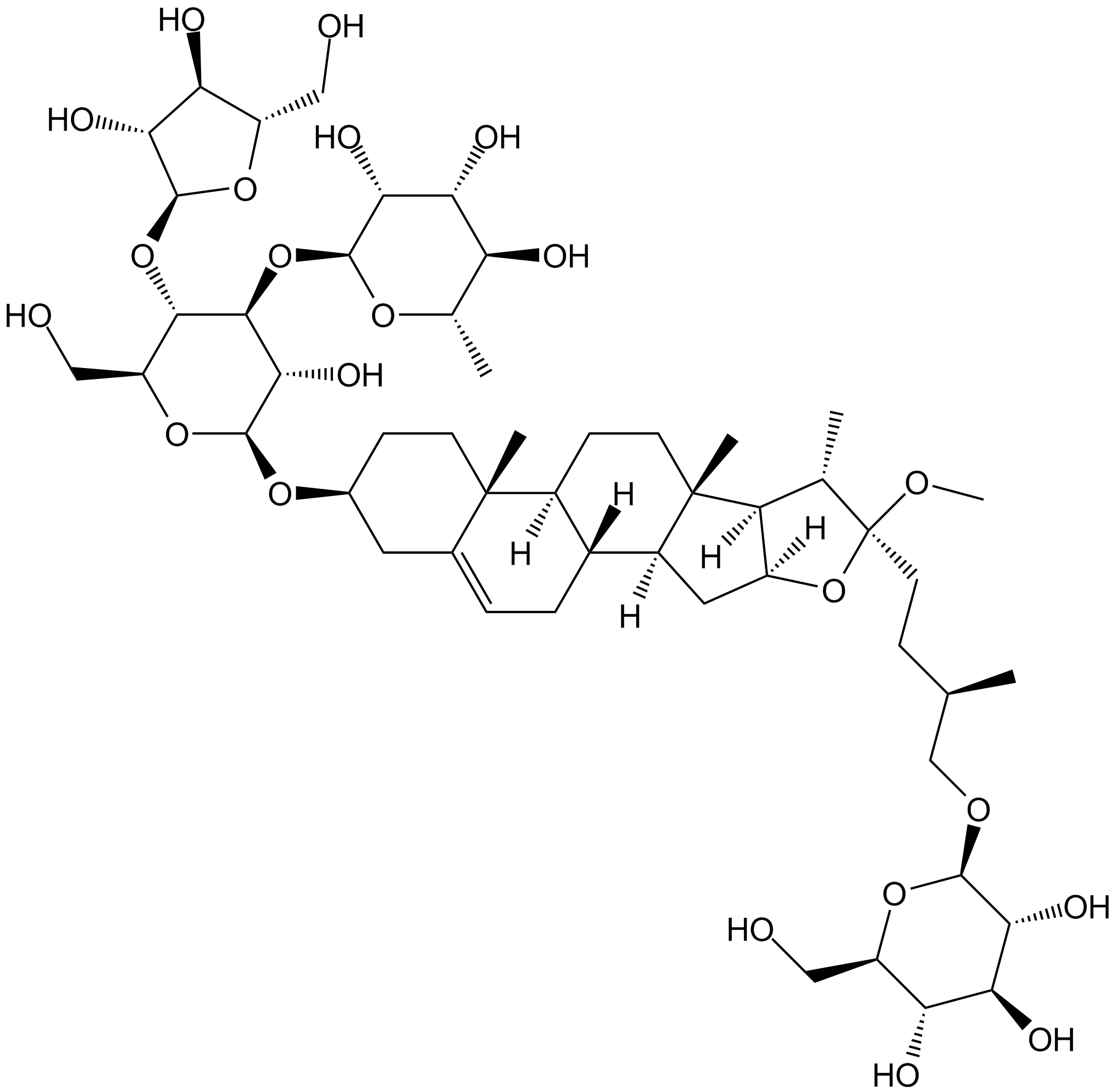 N2818 Polyphyllin VII
-
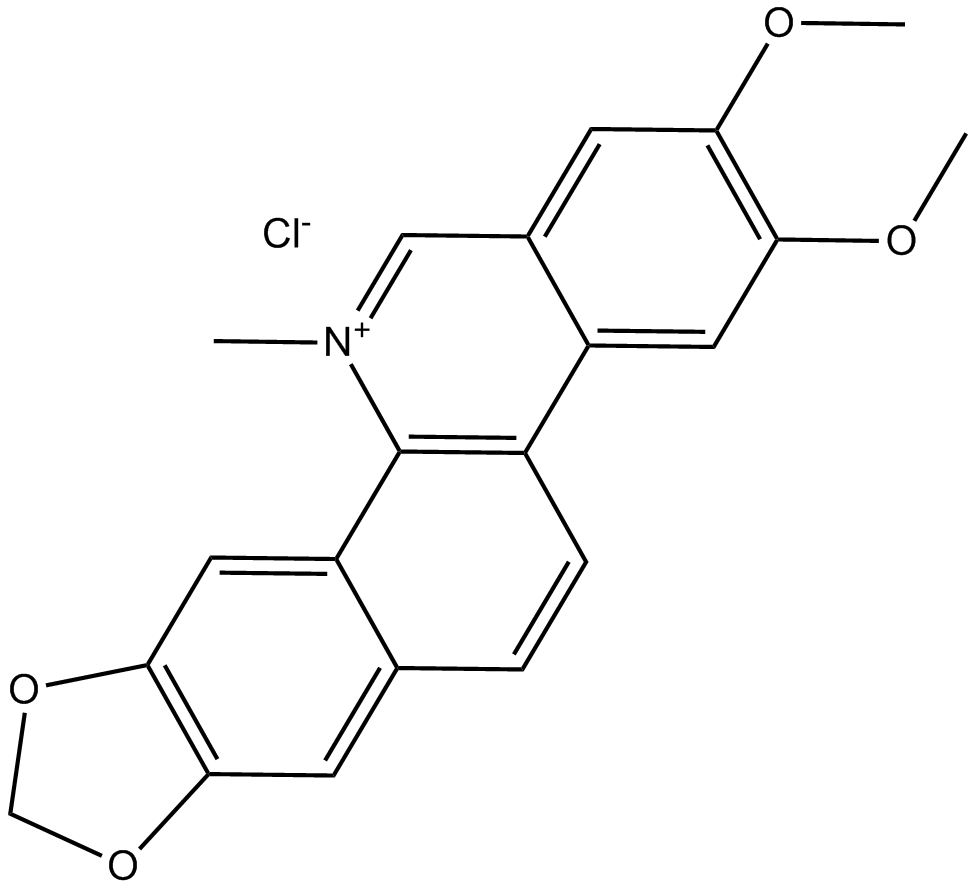 N2626 Nitidine chloride