


Anti-infection
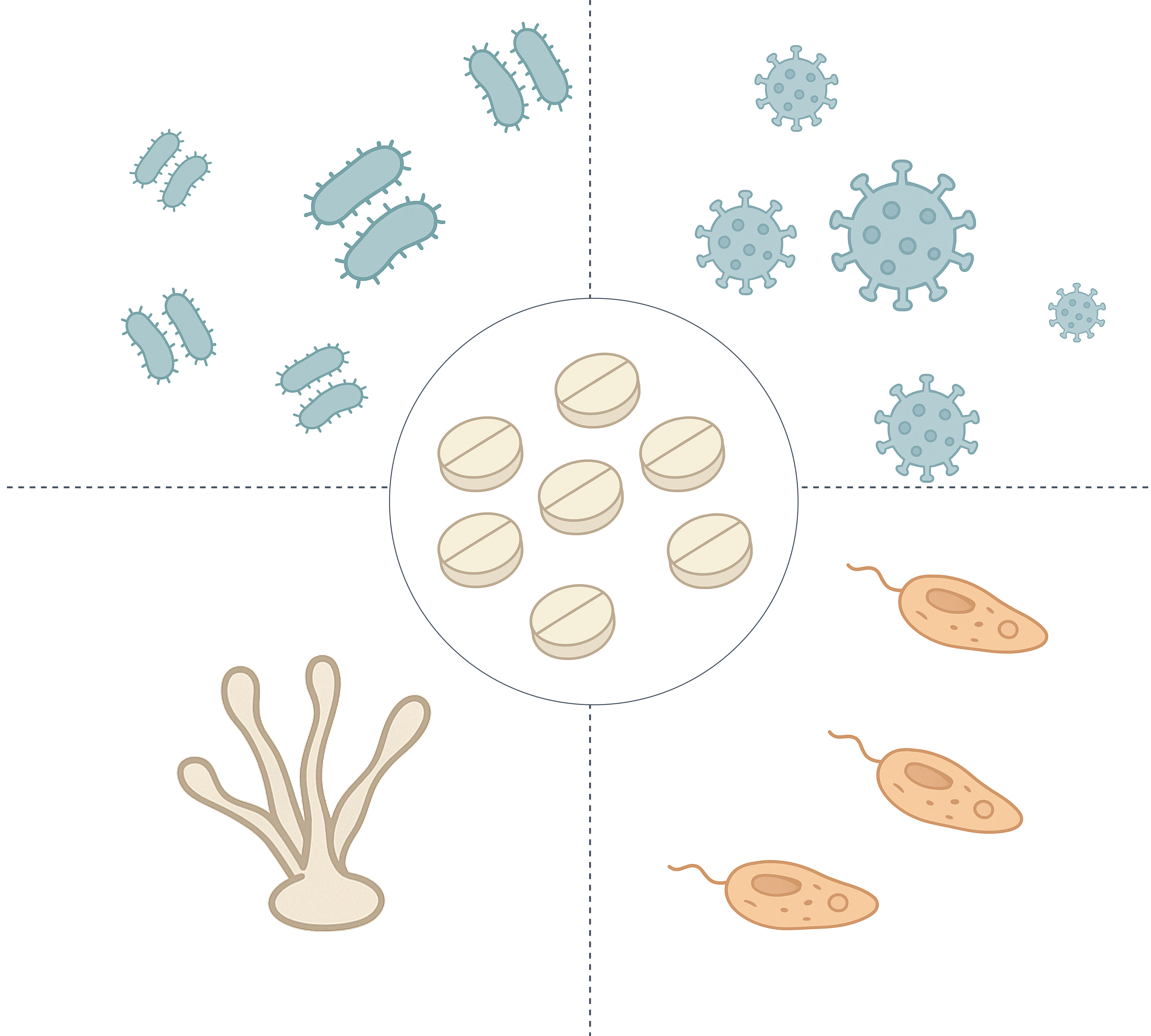
Anti-infectives are agents that eliminate or inhibit the spread of infectious organisms, encompassing antibiotics, antifungals, antivirals, and antiprotozoals.
Antibiotics are a class of antimicrobial agents specifically designed to target bacterial pathogens. They exert their effects by interfering with essential bacterial processes such as cell wall synthesis, protein synthesis, nucleic acid replication, and metabolic pathways, thereby either inhibiting bacterial growth or inducing bacterial death.
Antifungals are antimicrobial agents employed to combat fungal infections (mycoses) in humans and animals. Common antifungal classes include azoles, polyenes, echinocandins, and allylamines, which function by disrupting unique fungal structures or pathways, such as the synthesis or integrity of ergosterol-containing cell membranes and β-glucan-based cell walls, or by interfering with nucleic acid or protein synthesis.
Antivirals are compounds developed to inhibit the replication and spread of viruses within host organisms. Antivirals typically act by blocking viral entry, genome replication, protein processing, or virion assembly and release. Representative examples include nucleoside analogs, protease inhibitors, and neuraminidase inhibitors.
Antiprotozoals are drugs used to treat infections caused by protozoan parasites, including malaria, amebiasis, giardiasis, and trypanosomiasis. They act through a variety of mechanisms, including inhibition of nucleic acid synthesis, interference with mitochondrial function, and disruption of heme detoxification pathways in susceptible parasites.
-
 BA1025 LysostaphinSummary: Lysostaphin is an anti-staphylococcal agent.
-
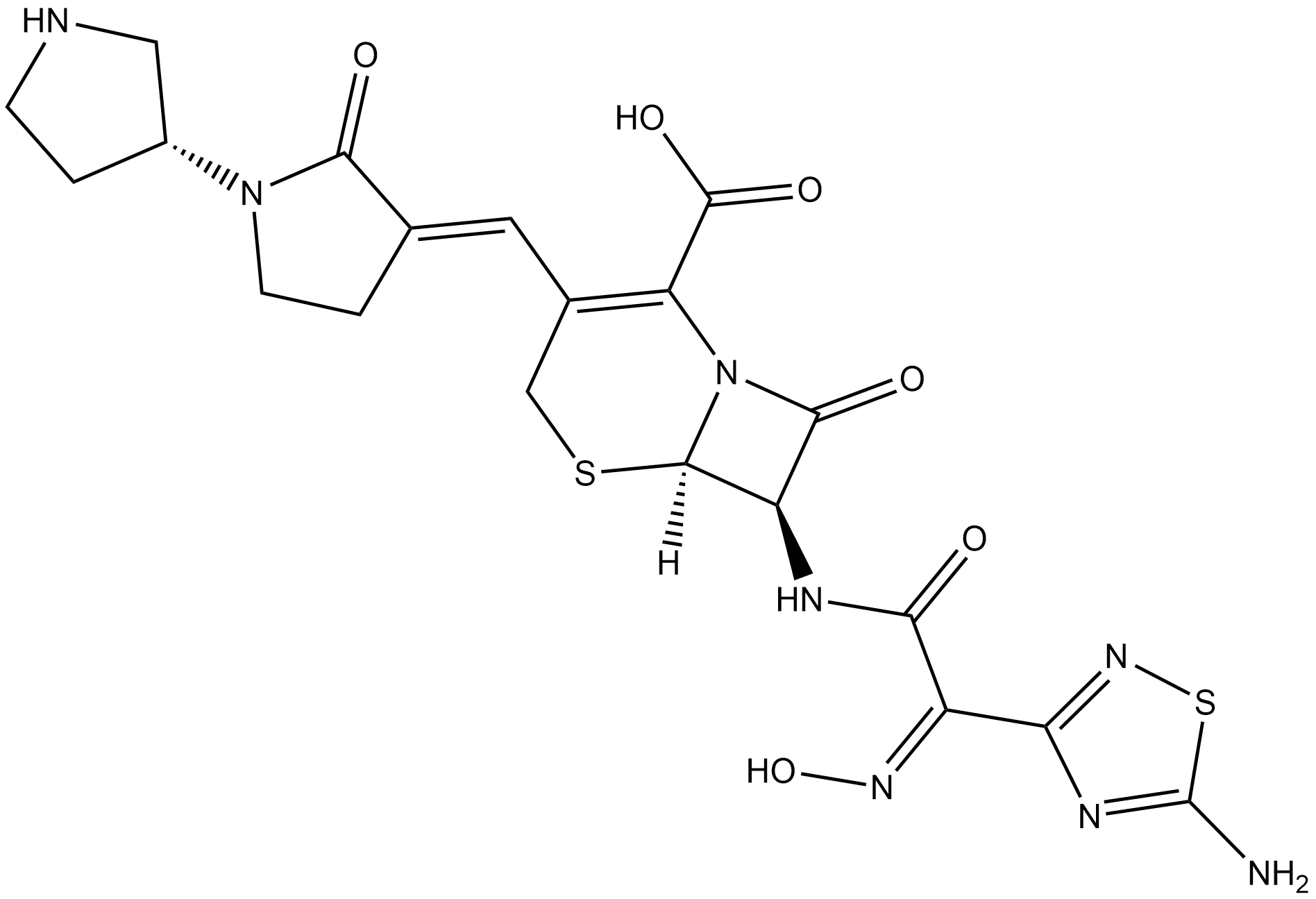 BA1026 CeftobiproleSummary: Ceftobiprole (Ro63-9141) is a broad-spectrum cephalosporin with high levels of in vitro activity against methicillin (MRSA), vancomycin-resistant staphylococci (VRSA) and penicillin-resistant streptococci.
-
BA1027 L-AlanosineSummary: L-Alanosine (NSC-153353) is an antibiotic with antitumor and antiviral activity.
-
BA1028 MyxothiazolSummary: Myxothiazol is an antifungal antibiotic and mitochondrial electron transport chain complex III inhibitor.
-
BA1029 MecillinamSummary: Mecillinam (Amdinocillin) is a beta lactam antibiotic.
-
BA1030 SutezolidSummary: Sutezolid (PNU-100480) is an orally active oxazolidinone antimicrobial agent that acts by inhibiting bacterial protein synthesis.
-
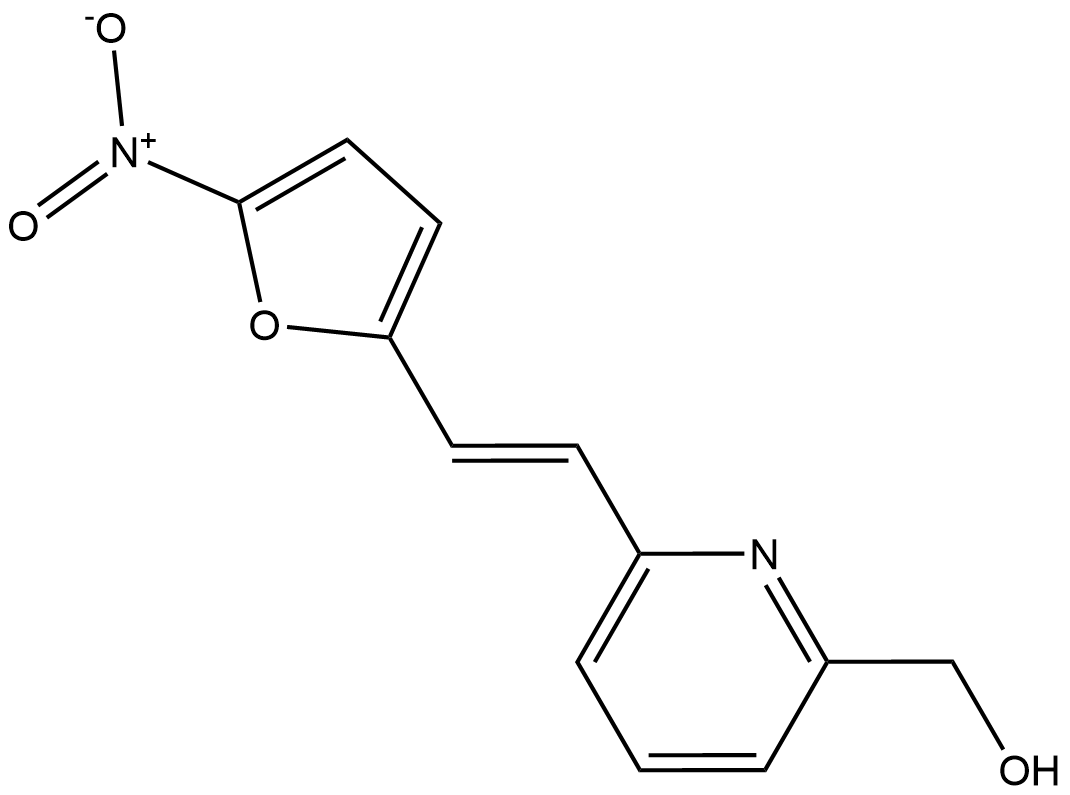 BA1031 NifurpirinolSummary: A selective prosubstrate of bacterial nitroreductase (NTR) whose cytotoxic metabolites induce apoptosis in NTR-expressing cells for cell ablation
-
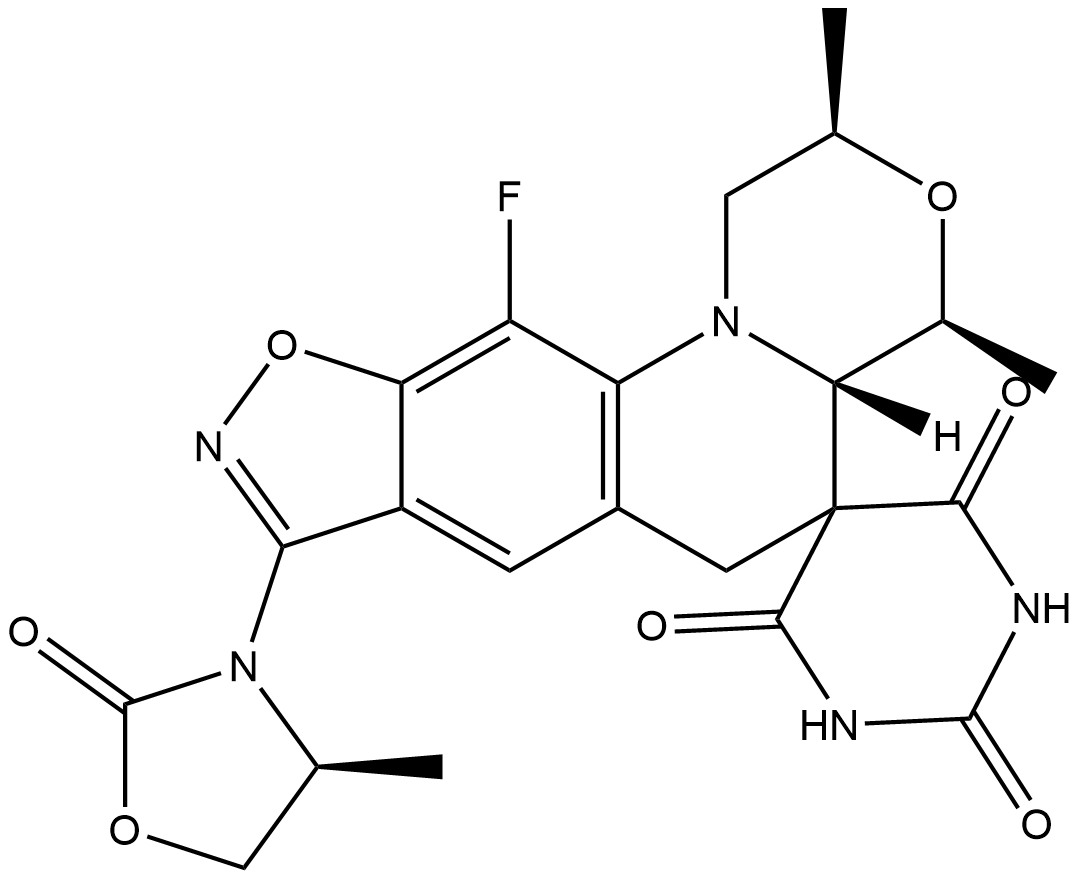 BA1032 ZoliflodacinSummary: A novel spiropyrimidinetrione bacterial DNA gyrase/topoisomerase inhibitor with broad-spectrum antibacterial activity for bacterial infection
-
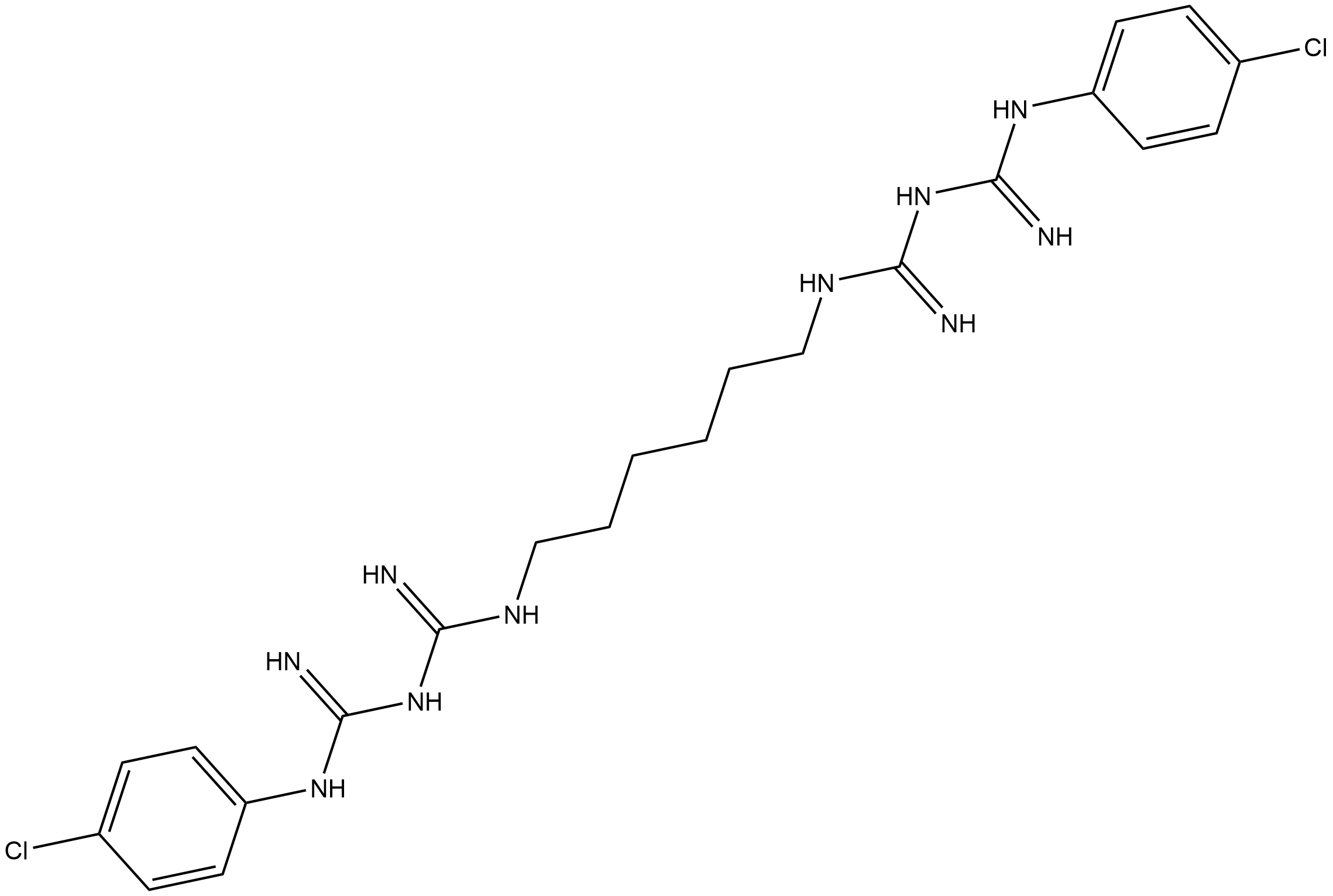 BA1033 ChlorhexidineSummary: Chlorhexidine is an antimicrobial and preservative.
-
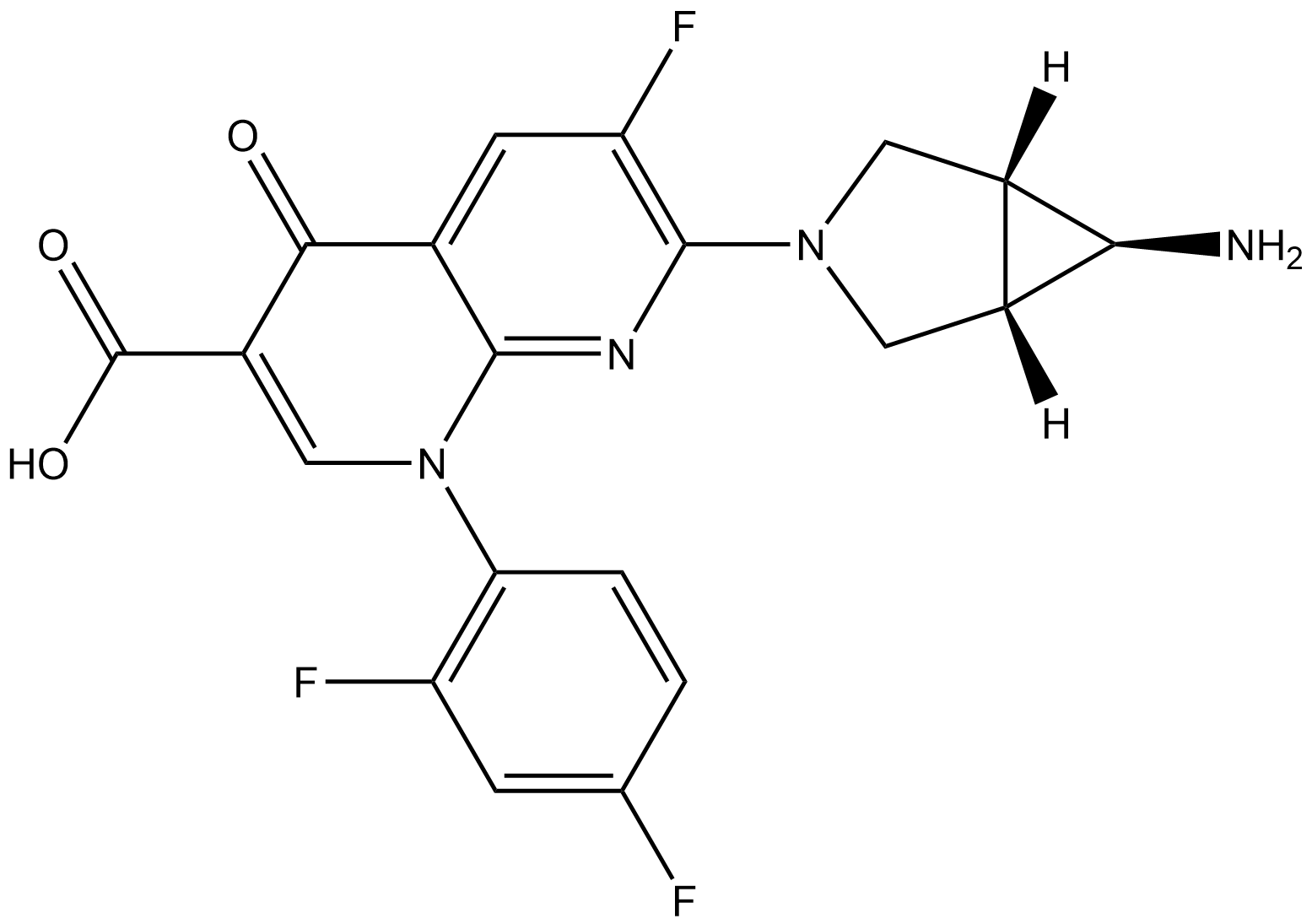 BA1034 TrovafloxacinSummary: Trovafloxacin is a broad-spectrum quinolone antibiotic with potent activity against Gram-positive, Gram-negative and anaerobic bacteria.